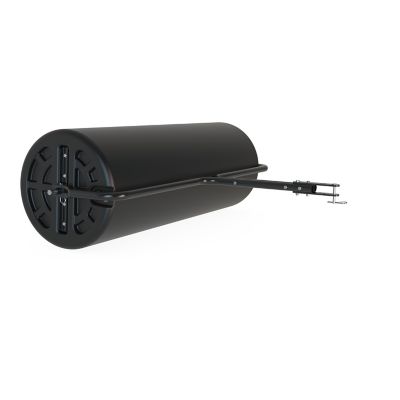
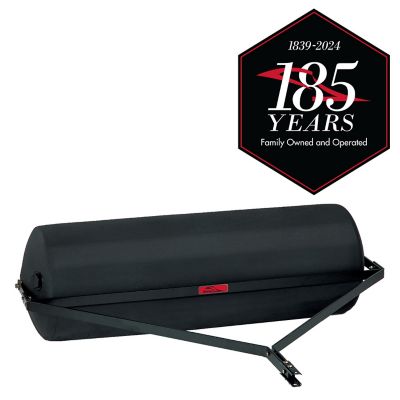
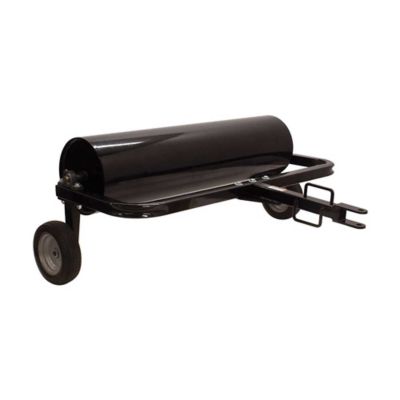
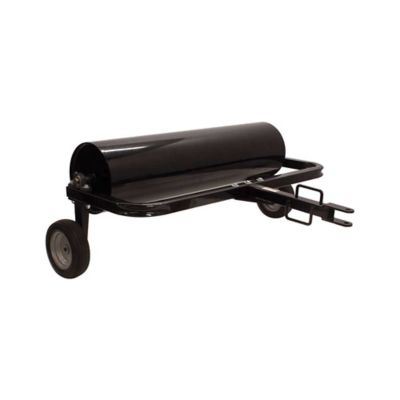
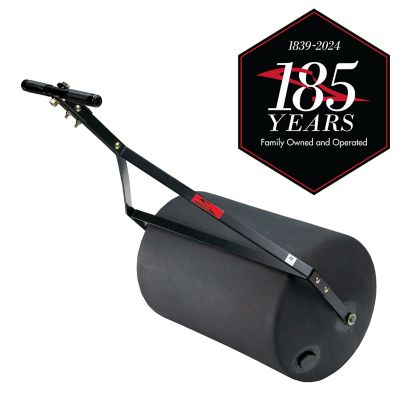
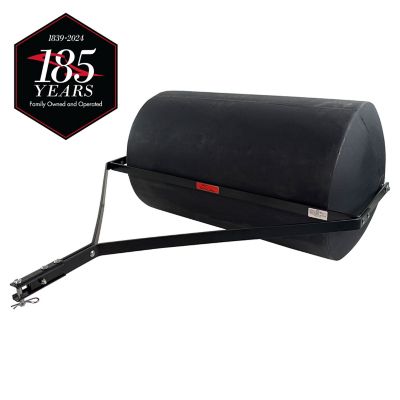
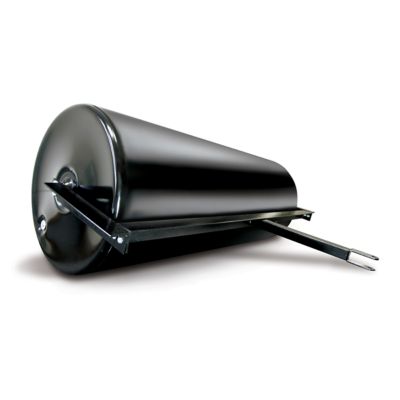
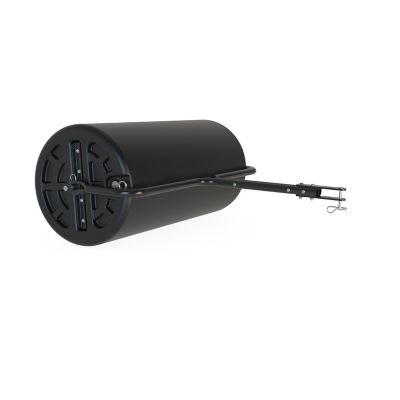
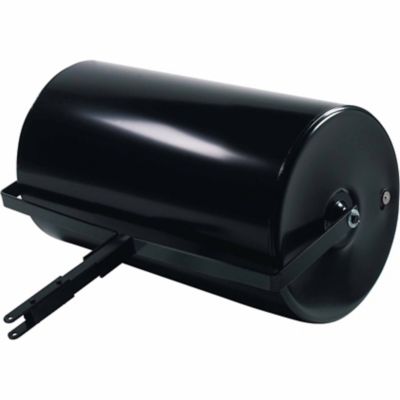
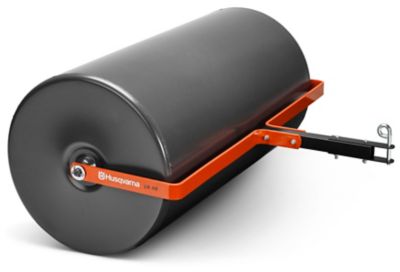
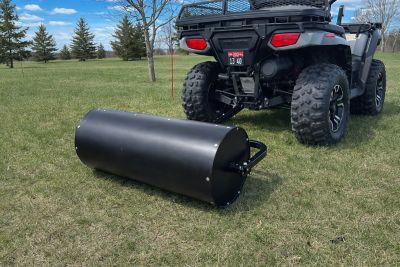
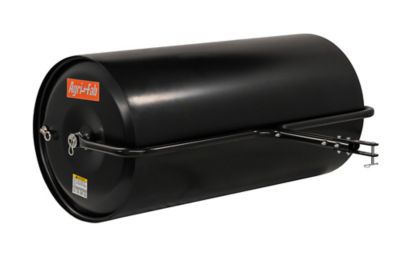
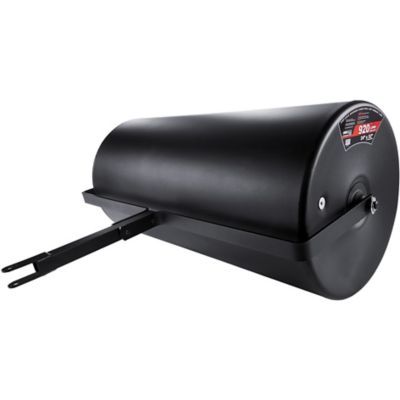
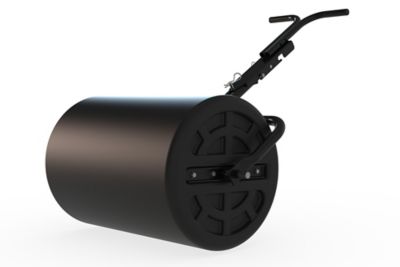
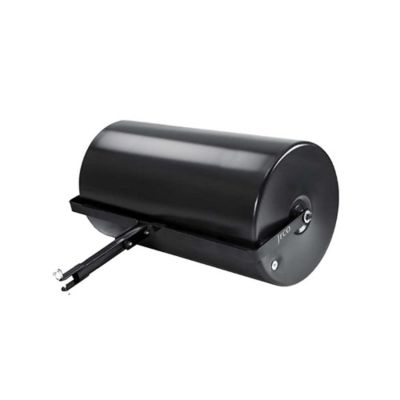
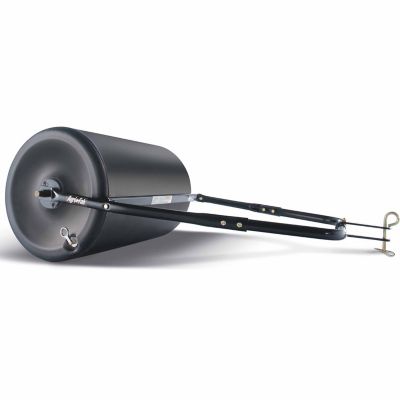
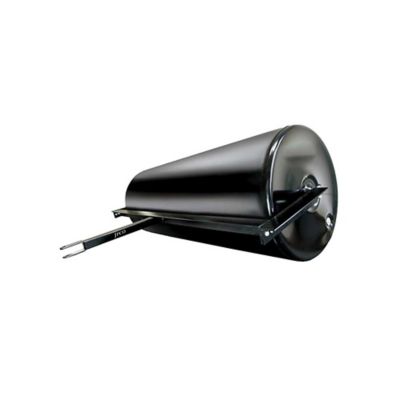
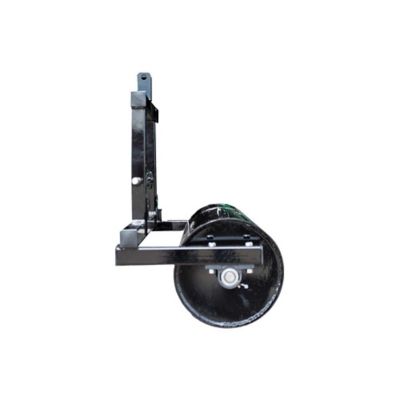
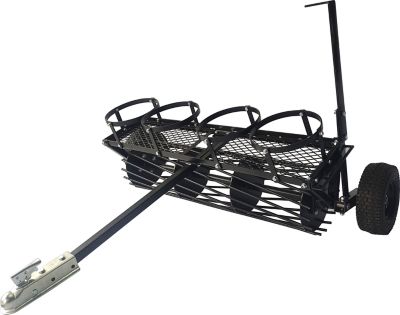
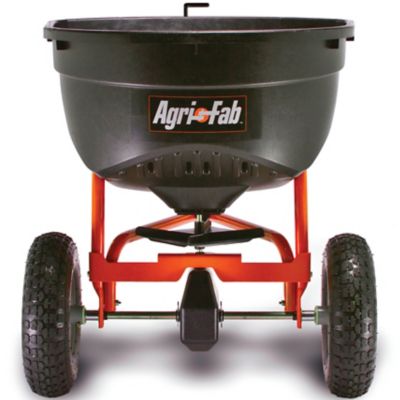
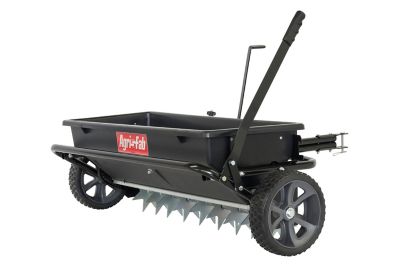
Tow behind rollers are a handy way to smooth and firm up lawns, fields, paths and other open ground without making a full day of back-and-forth work on foot. They attach to the hitch on a riding mower, lawn tractor, ATV or similar utility vehicle, letting you cover more ground with each pass. Homeowners use them to press newly planted grass seed into the soil, settle sod after installation, level small bumps and low spots, and help repair turf that has heaved or loosened through wet weather and freezing conditions. They can also be useful around barns, garden edges, riding areas and drive lanes where a firm, even surface makes mowing and everyday chores easier. A roller does not replace proper grading or heavy earthmoving equipment, but it can make a noticeable difference on reasonably level ground when the soil is workable. During the cooler months, rolling can help tidy up areas affected by frost heaving or repeated foot and equipment traffic, while careful use during drier stretches can help prepare a lawn for a stronger growing season. For freshly seeded ground, the goal is gentle, even contact between seed and soil—not compacting the surface until water and air cannot move through it. Make several light passes instead of trying to force every low spot flat in one trip, and avoid rolling saturated soil, which can leave ruts and create hard-packed areas. If you are working with seed, a tow-behind roller pairs naturally with a spreader or a
Tow Behind Seeders setup, helping distribute material and then press it into place across larger properties.
When comparing tow behind rollers, start with the size of the area and the vehicle doing the pulling. A wider drum can cover more lawn in a single pass, which is helpful on acreage, athletic fields, large yards and open farm ground, while a narrower roller may be easier to maneuver around trees, fence lines, landscaping and outbuildings. Check the towing capacity and hitch setup of your mower, tractor or ATV, and remember that the roller becomes much heavier once it is filled. Many models use water as ballast, making them relatively light to move and store when empty while still offering substantial weight during use. Water is convenient when you need adjustable pressure, and the drum can usually be drained before the roller is parked for the season. Sand may offer a longer-lasting fill in some situations, but it can be harder to remove and may add more permanent weight. Polyethylene drums are popular for their resistance to rust, dents and weather exposure, and their lighter empty weight can make them easier to handle around the shed. Steel drums and frames can provide a rugged feel and strong performance for demanding work, though they may require more attention to paint, moisture and storage conditions. Look for a balanced frame, a dependable hitch pin connection, sturdy axle support and a fill opening that is easy to reach. Rounded drum edges are especially useful because they help reduce turf gouging when turning. A scraper bar positioned near the drum can also help clear mud and loose soil before buildup affects the roll. On uneven ground, pay attention to the roller’s width, ground clearance and turning behavior, since a large, heavily weighted unit may be difficult to pull cleanly across slopes or tight corners. Product capacity may be listed by gallons, pounds or both, so compare the empty and filled weights rather than looking only at the drum size. That small detail matters when matching the roller to a garden tractor or compact utility vehicle.
A tow behind roller can be a practical addition for rural homeowners, property managers, landscapers, sports-field caretakers and anyone who maintains enough ground that hand tools no longer make sense. It may also be a thoughtful gift for a new acreage owner, a neighbor who spends weekends improving the family place, or someone putting in a lawn around a new home, shop or cabin. Before choosing one, consider where it will be used, how often it will be filled and emptied, and where it will live between jobs. A covered shed or dry equipment bay helps protect the frame and hitch, while draining water after use can reduce freezing concerns during cold weather and make the unit easier to move. Inspect the drum, axle, hitch and hardware before each use, keep bystanders and pets clear of the path, and make wide, gradual turns instead of sharp pivots that can tear turf. On slopes, travel straight up and down when conditions and equipment allow, follow the towing vehicle’s safety recommendations, and avoid carrying more weight than the vehicle or hitch is rated to handle. Freshly repaired lawn areas benefit from patience: wait until the surface is firm enough to support the equipment, use a moderate speed and watch for tire tracks that may undo the work. For general upkeep, a couple of deliberate passes can smooth seedbeds, press down loose soil and leave a cleaner finish without disturbing established grass. Emptying the roller after a job also makes it simpler to store and helps keep the machine ready for the next stretch of good weather. With the right width, ballast method and towing setup, a tow behind lawn roller gives you a straightforward way to handle routine turf work with the equipment already used for mowing, hauling and property maintenance.