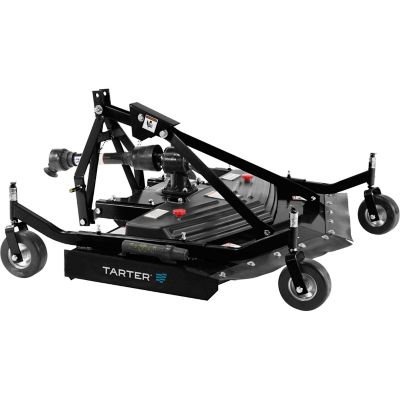
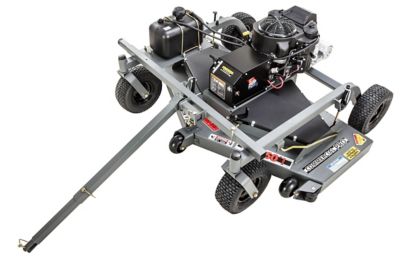
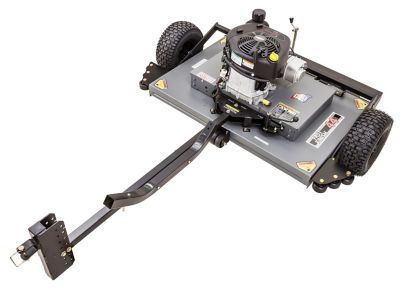
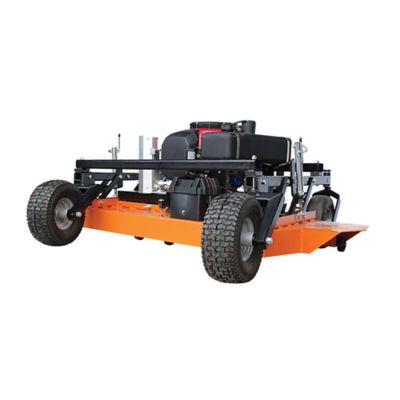
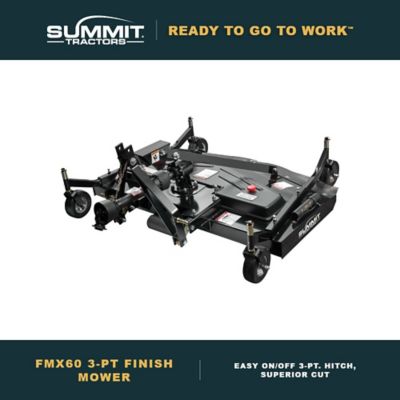
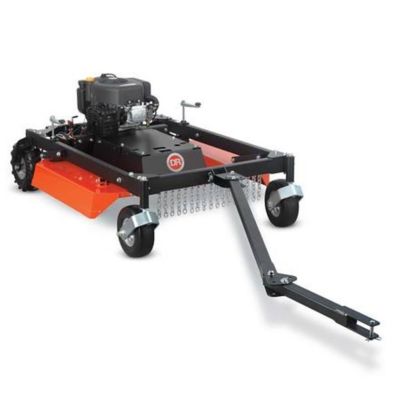
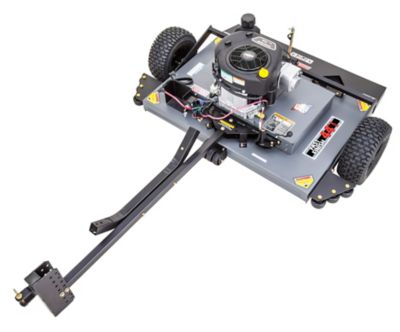
A tow behind finish mower is a practical way to keep large lawns, pasture edges, open lots and private lanes looking neatly trimmed without making repeated passes with a handheld or standard riding mower. These pull-behind mowers attach to a compatible ATV, UTV, lawn tractor, garden tractor or compact tractor, helping you cover more ground with each trip across the property. They are especially useful for rural homeowners, hobby farmers, small-acreage landowners, hunting property managers, municipalities and anyone responsible for wide stretches of maintained grass. A finish mower is built for grass that is already under control, with multiple blades designed to leave a cleaner, more lawn-like cut than a rough-cut mower or brush cutter. It is a good fit for fields, large yards, orchard lanes and established grassy areas where you want an even appearance rather than a heavy-duty chop through brush and saplings. During the cooler months, many landowners use the time between mowing days to clean up storage areas, check hitch parts and plan how a wider mower could make property maintenance easier when grass growth picks back up. For an ATV-based setup, explore our
Tow Behind Mower For ATV options and compare the mower to the towing vehicle before making a choice.
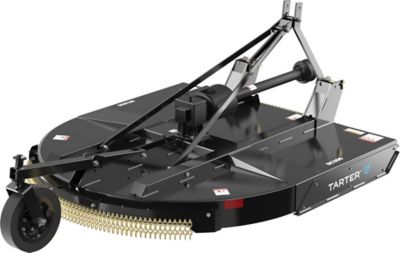
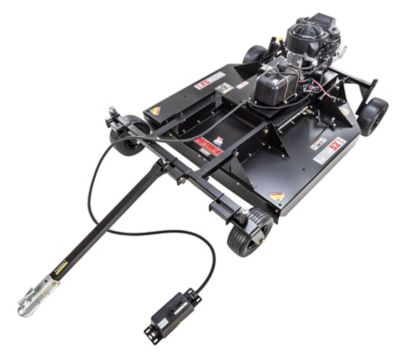
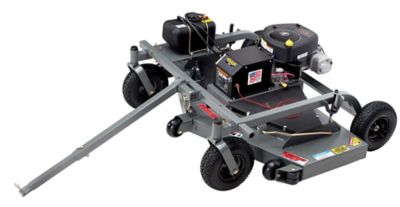
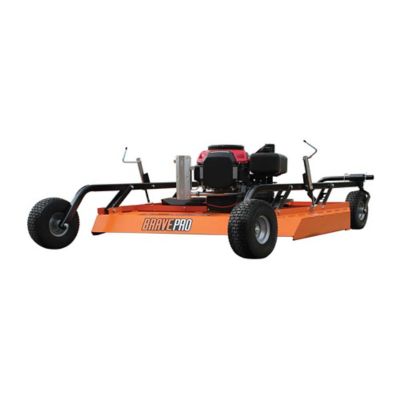
Start by matching the mower to the machine doing the pulling. Engine-powered trail mowers have their own motor, so they can be towed behind an ATV, UTV or riding mower without relying on the tow vehicle’s power takeoff. This setup can be helpful when your property includes several types of equipment or when you want the flexibility to use a smaller utility vehicle. Tractor-powered finish mowers connect to a three-point hitch and run from the tractor’s PTO, which can make them a natural choice for compact tractors already used for grading, tilling or other farm chores. Always check the mower’s required horsepower, hitch style, PTO speed, electrical connections and towing capacity against your equipment specifications. The cutting width is another major consideration. A narrower deck can be easier to maneuver around gates, trees and tight corners, while a wider deck can reduce passes across open ground and help finish several acres more efficiently. A 44-inch to 66-inch cutting range is common for tow behind finish mowers, though the best width depends on available storage, access points, terrain and the turning room around buildings. An offset tow bar may let the mower run directly behind the vehicle or out to one side, which is useful for reaching beneath low-hanging branches, trimming along fence rows and keeping the towing machine out of areas already cut. Measure gates and bridges before buying, and remember that the full working width may be greater than the width of the tow vehicle itself.
Terrain and grass conditions should guide the rest of the decision. A floating deck can follow gentle changes in the ground and help the blades stay at a more consistent height, reducing the chance of scalping high spots while leaving uncut strips in dips. This feature is valuable on rolling lawns, old pasture ground and properties where the soil is not perfectly level. Adjustable cutting height allows you to maintain different areas at a suitable level, from a closely kept lawn to taller field grass, but a finish mower still performs best when the area is free of rocks, fallen limbs, wire and thick woody growth. Walk the mowing area before the first cut, especially after storms or livestock have used the field, and mark hidden obstacles that could damage blades or create a safety hazard. For tall weeds, dense brush, briars and saplings, a rough-cut mower is generally the better tool; a finish mower is intended to refine and maintain grass rather than reclaim overgrown ground. Consider blade design, deck construction, discharge direction and access to replacement parts as well. High-lift blades can help move clippings through the deck, while a solid deck and protected driveline may stand up better to routine farm use. Before each operation, inspect tires, hitch pins, safety chains, shields, belts and blade hardware, keep bystanders and pets away from the mowing area, and operate at a controlled speed that suits the ground. After use, remove packed grass from the deck, check for loose fasteners, grease points as recommended and store the mower under cover when possible. A clean, properly serviced mower is easier to start and less likely to leave ragged strips when the growing season returns.
A tow behind finish mower can save considerable time on properties where a regular riding mower feels undersized but a full commercial mowing setup is more than needed. It may be a useful addition for someone caring for a homestead, maintaining a large family property, managing a community green space or preparing open ground around a barn and outbuildings. It can also make a thoughtful gift for a landowner who spends long afternoons keeping fields and lawns in shape, provided the buyer knows the recipient’s equipment, hitch setup and available storage space. Think about how the mower will be transported, where it will be parked and whether the property has slopes, narrow entrances or soft ground that could limit access. On sloped terrain, follow the tow vehicle manufacturer’s guidance, avoid sudden turns and keep the mower properly connected with the recommended hitch and safety equipment. A wider deck is not always the best choice if the machine will be moved through small gates or stored in a crowded shed. Likewise, an engine-powered model may offer greater flexibility for mixed equipment, while a PTO model may simplify ownership for someone who already has a properly equipped tractor. Taking these details into account helps you choose a mower that fits the property instead of simply choosing the largest deck available. With the right match, a tow behind finish mower can leave broad stretches of grass with a clean, even appearance and make routine mowing feel less like an all-day chore, whether the ground is being maintained during warm growing periods or prepared for a quieter stretch of cooler weather.