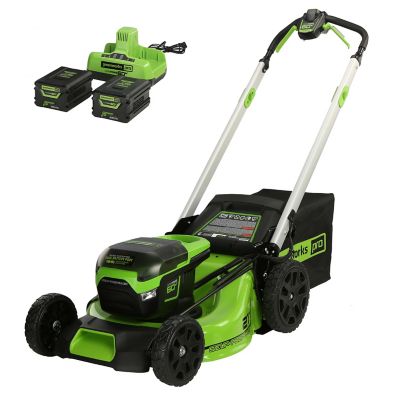
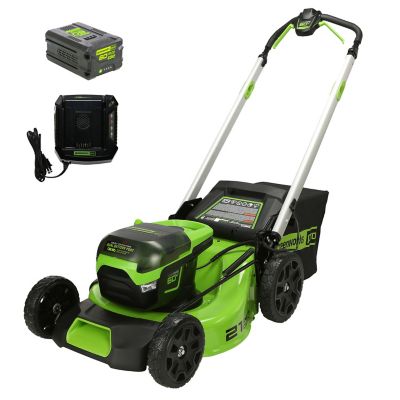
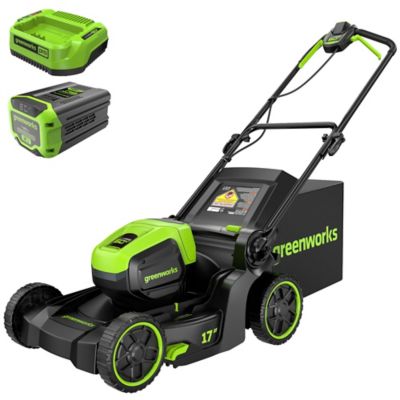
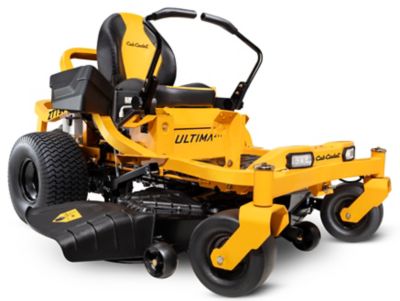
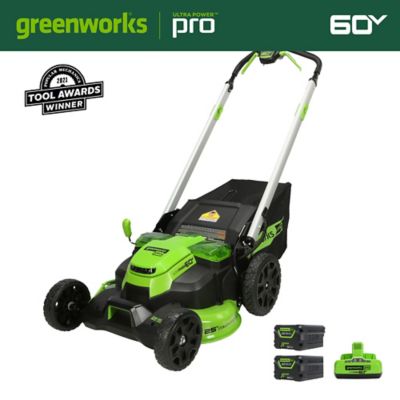
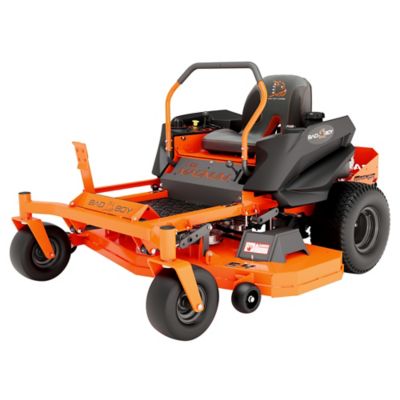
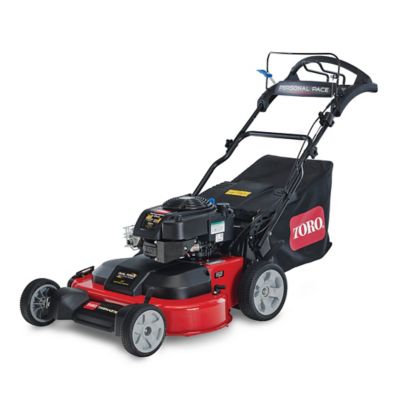
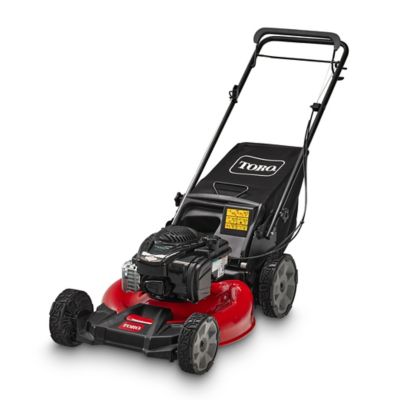
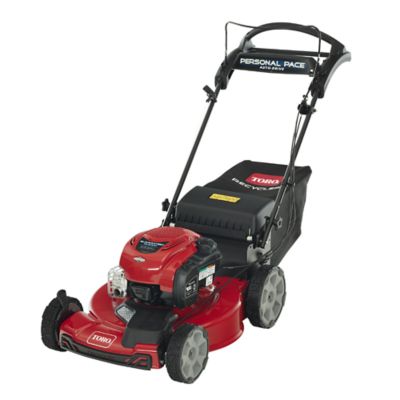
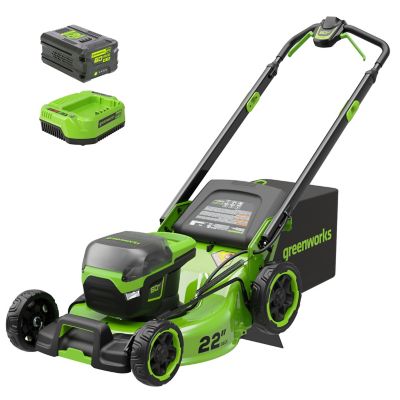
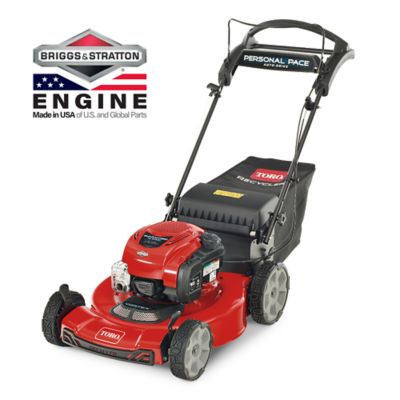
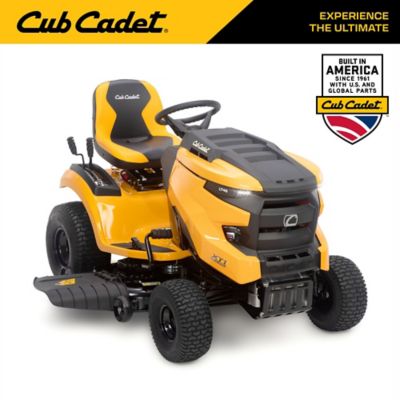
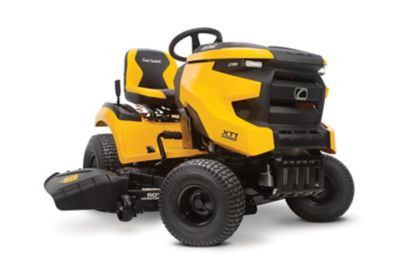
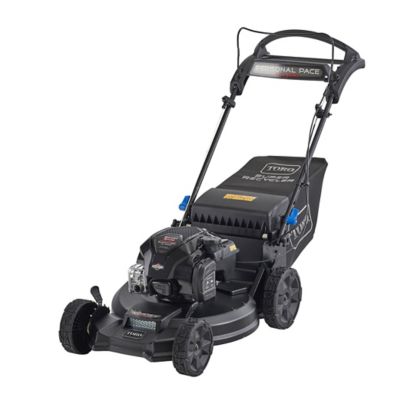
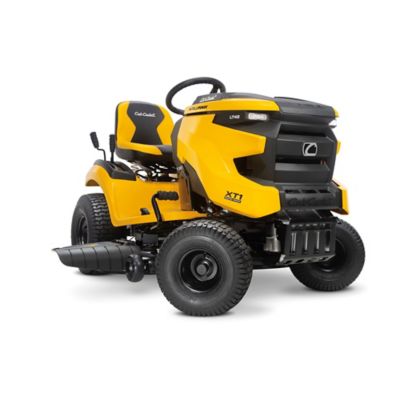
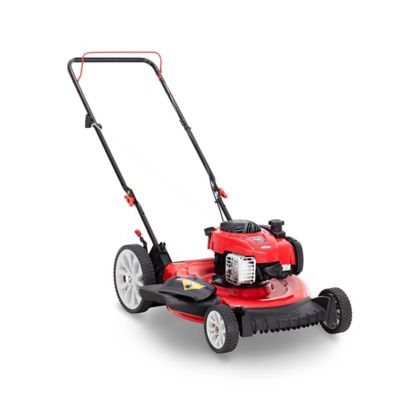
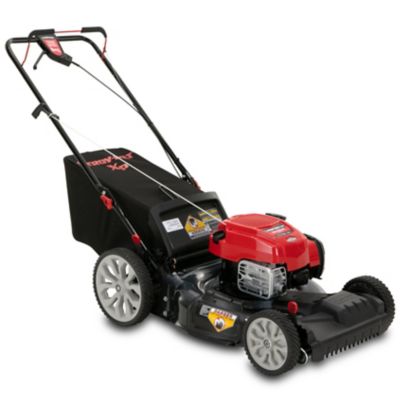
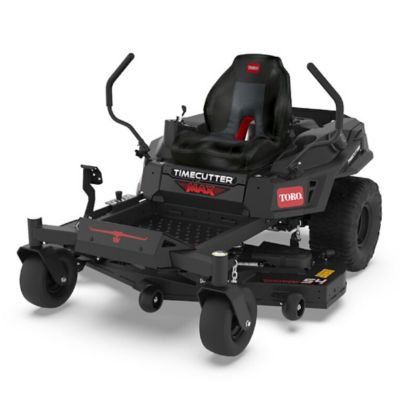
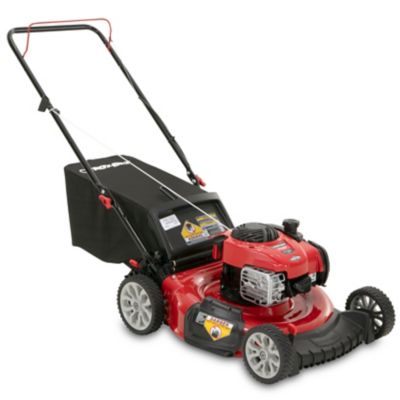
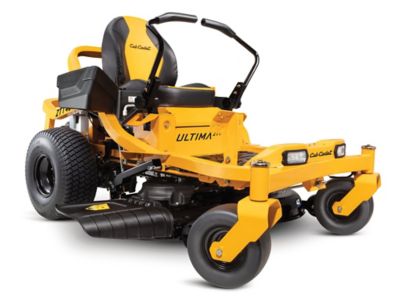
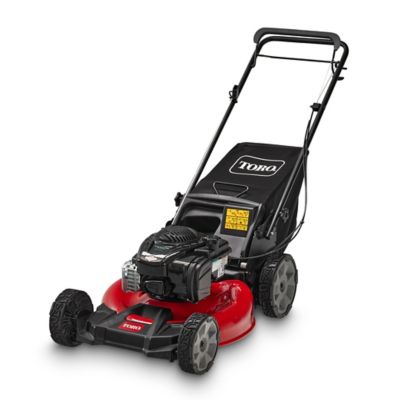
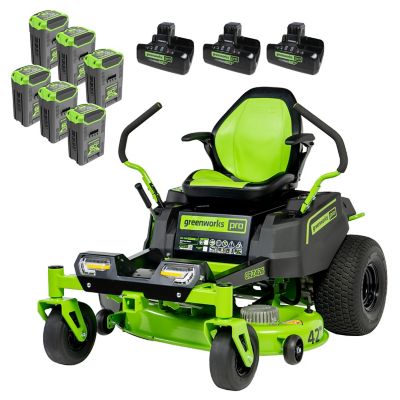
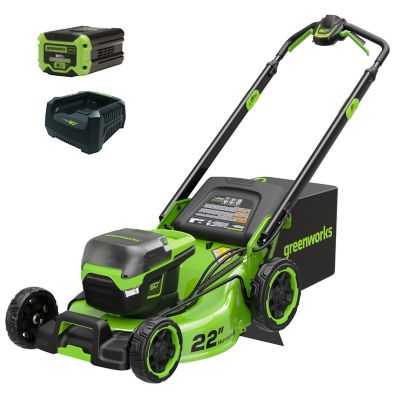
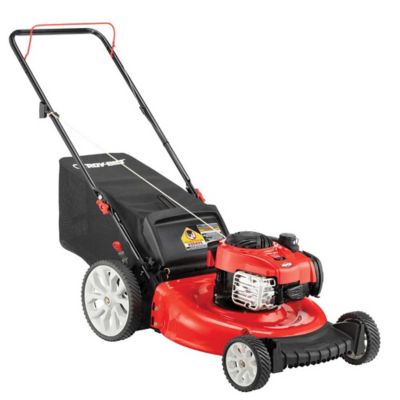
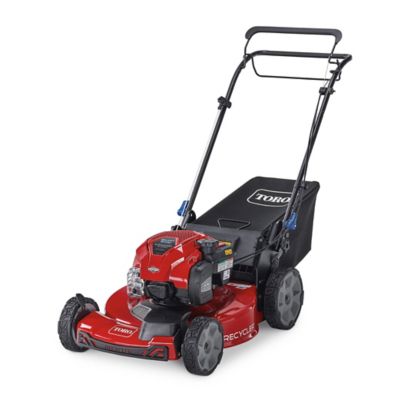
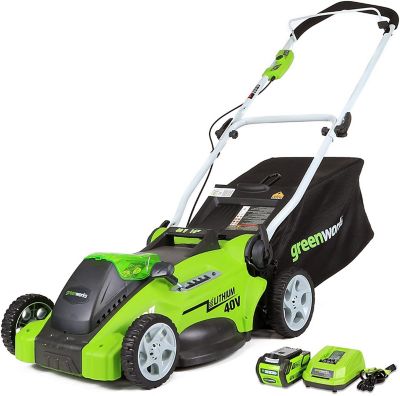
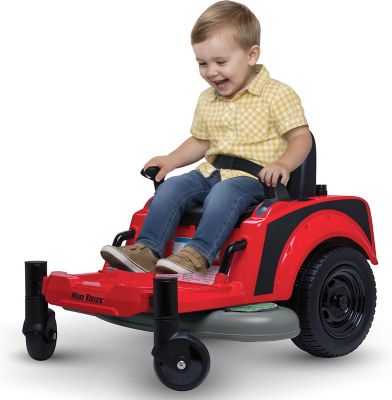
A new lawn mower is a match between the ground you maintain, the space you have to maneuver, and the way you like to work. Push mowers suit smaller lawns and tight spaces where a lighter machine is easy to turn around trees, garden beds, and fence corners. Self-propelled walk-behind mowers add powered wheel movement, taking some of the pushing out of longer mowing sessions while still giving you close control around obstacles. Riding lawn mowers and lawn tractors make sense for larger stretches of grass, especially where open runs leave room for a wider cutting deck. Zero-turn mowers offer nimble steering around landscaping and quick turns at the end of a pass, though their operating limits still matter on uneven ground and slopes. Yard size alone does not tell the whole story. A roomy lawn broken up by gates, narrow passages, and low branches can call for a different mower than an equally large, open patch behind the house. Cutting width affects both how much ground a mower covers per pass and whether it can travel through those tight spots. A wider deck can shorten the work across open turf, while a narrower deck may fit better between a shed and a fence or along a row of raised beds. Storage space matters, too, including the width of the shed door and the room needed to park without blocking other equipment. For walk-behind models, handle height, grip position, and manageable drive controls affect comfort over repeated passes. Adjustable travel speed helps match the mower to your walking pace instead of making every trip feel rushed. On riding equipment, seat adjustment, pedal reach, steering feel, and clear access to the controls all contribute to a comfortable fit. The right mower should suit the person running it as well as the property, whether the job is a small yard around the porch or a broad lawn between the house and the barn.
Power source shapes both the mowing experience and the upkeep that comes with it. Gas lawn mowers offer engine-powered operation without a charging stop, making them a practical fit for longer jobs when fuel handling and engine care are part of the routine. Battery-powered lawn mowers offer push-button starting on many models and no gasoline to pour, with operating time that depends on battery capacity, grass height, cutting load, and drive settings. A battery platform shared with compatible yard tools can simplify the setup around the shed, but matching voltage alone does not establish compatibility. Corded electric mowers serve smaller spaces within reach of a suitable outlet, with cord length, routing, and the manufacturer's electrical requirements setting their working range. Sound is another difference worth considering, especially near neighboring homes or areas where people gather outside.
Quiet Lawn Mowers offer another way to narrow the choice when lower operating noise matters, although no powered mower is silent and hearing protection may still be necessary. Beyond the power source, deck design and blade condition have a big say in how the lawn looks afterward. Height adjustments let the mower work within the recommended cutting range for the grass being maintained, while sufficient clearance and suitable power help it handle heavier growth without constant interruption. Mulching configurations recut clippings so they can settle into the lawn, bagging systems collect them for removal, and side-discharge setups send them back across the turf. Those functions depend on the mower's design and properly fitted components; not every machine supports every option. A collection bag also adds weight as it fills, something that becomes noticeable when mowing around closely spaced trees or emptying clippings several times across a larger yard. For lawns dotted with obstacles, easy adjustment and straightforward handling can matter just as much as engine size or battery capacity.
Construction and care help determine how a new lawn mower holds up through repeated work. Steel decks are common, with stamped and fabricated designs offering different construction methods, while some walk-behind mowers have polymer or composite decks that resist rust and reduce weight. No deck material eliminates the need for cleaning and inspection. Grass packed underneath a deck can interfere with discharge and hold moisture against components, and impacts with stones, roots, or edging can damage blades and surrounding parts. A sharp, properly balanced blade supports a cleaner cut; a bent or badly worn blade calls for replacement with one specified for the mower. Wheel condition, axle hardware, belts, cables, and guards also deserve attention according to the owner's manual. Gas engines generally bring oil, air-filter, spark-plug, and fuel-system maintenance, while battery equipment calls for proper charging, clean electrical connections, and storage that follows the battery manufacturer's directions. Access to service points can make those tasks less awkward, especially when routine care happens in a small garage rather than a fully equipped shop. Foldable handles or upright storage can save space where the mower is designed for that position, but storage arrangements should always follow the manufacturer's instructions. Attachments and replacement parts need the same attention to fit. Deck width, mounting points, model numbers, and attachment ratings determine whether a blade, bagger, belt, or towing accessory belongs on a particular machine. A lawn tractor's hitch does not mean every cart or ground-working attachment is within its limits. Safe operation matters just as much as convenience: slopes, drop-offs, loose ground, bystanders, and thrown debris all affect where and how a mower can work. Children and pets belong well away from the mowing area, and clearing stones and loose objects helps reduce hazards before cutting begins. With the right size, power source, controls, and care requirements, a new lawn mower can fit comfortably into everyday property upkeep and leave the grass around the house, driveway, and outbuildings looking neat.