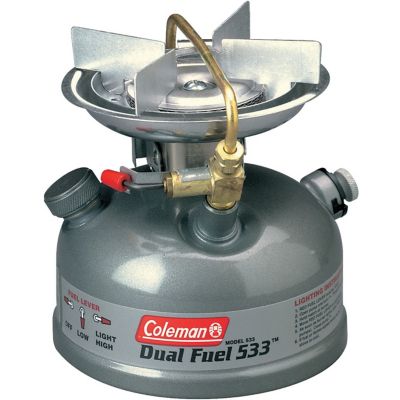
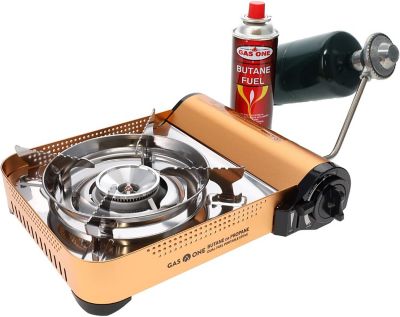
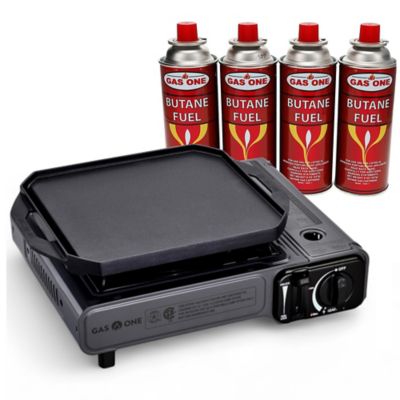
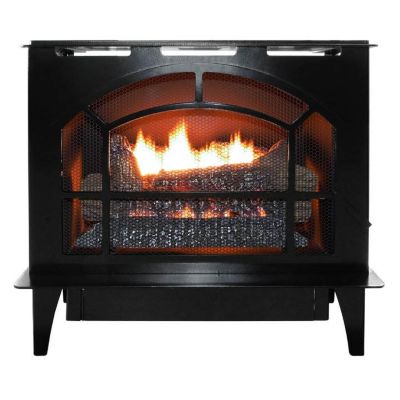
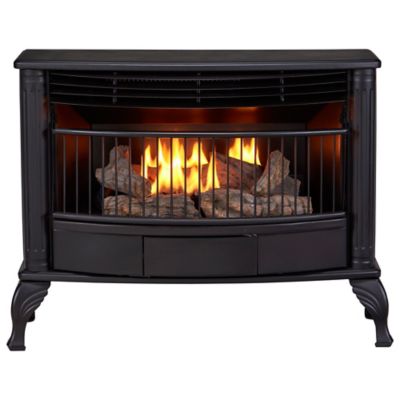
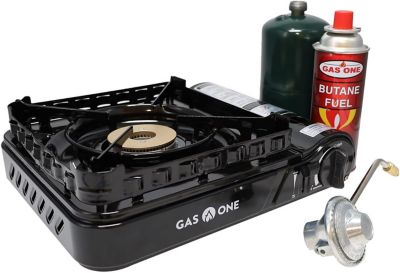
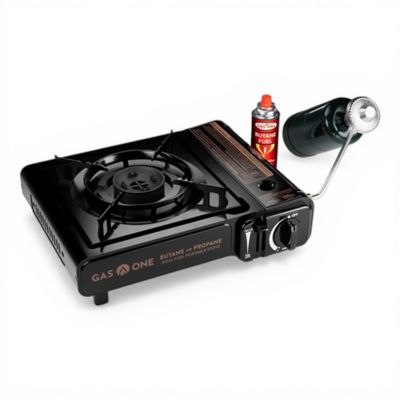
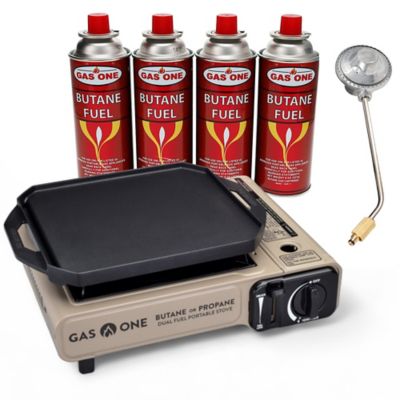
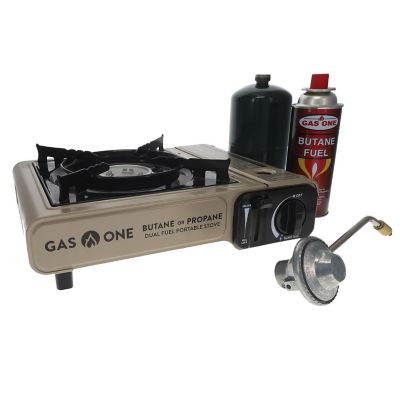
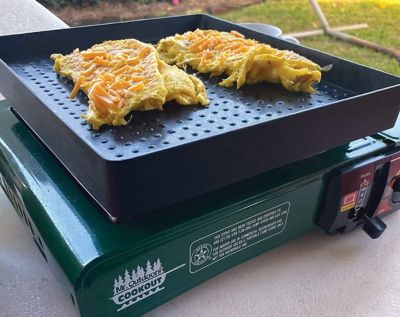
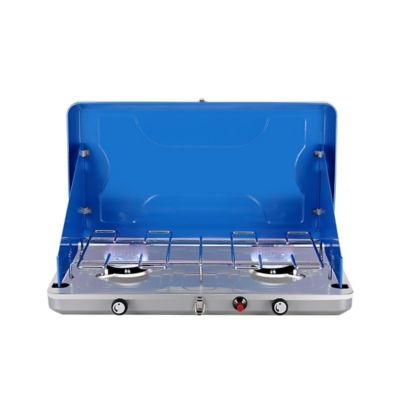
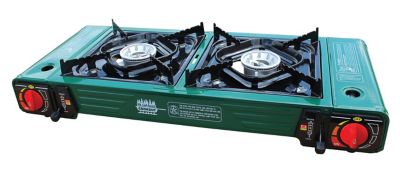
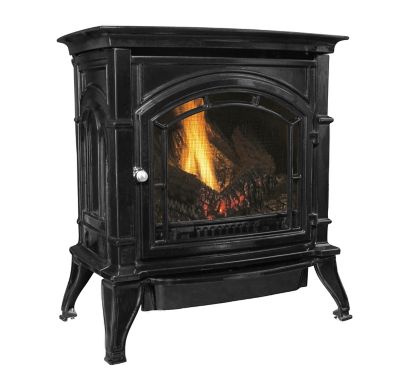
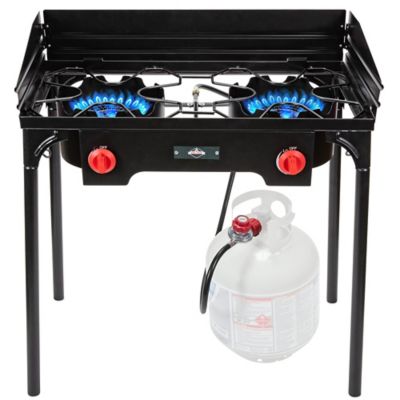
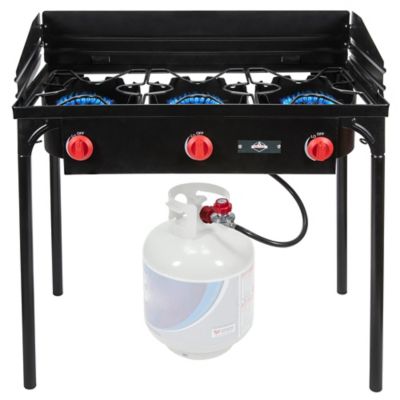
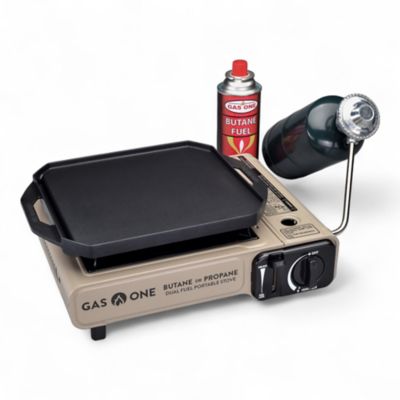
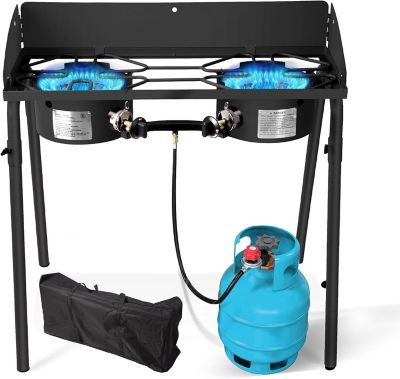
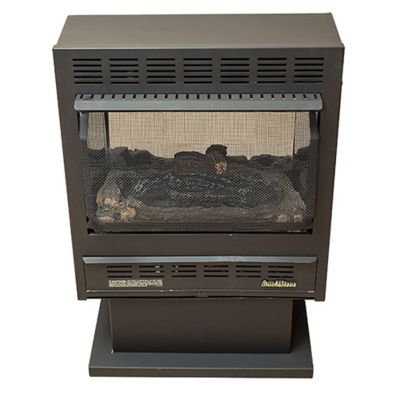
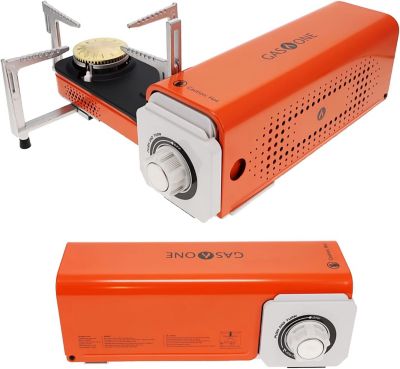
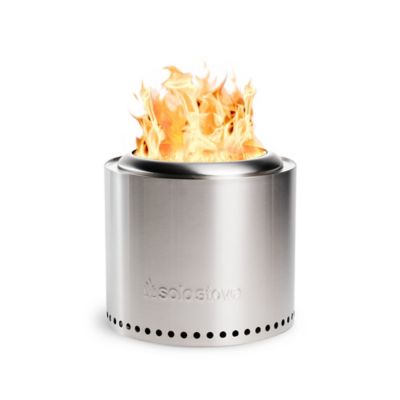
Fuel stoves give you a practical way to cook when a wall outlet, household range, or built-in gas line is not part of the plan. They are handy around a campsite, hunting cabin, tailgate, jobsite, barn, or homestead, and they can also serve as a backup cooking option during a power outage. Depending on the design, a fuel stove may run on propane, butane, white gas, kerosene, unleaded gasoline, alcohol, wood, or compact solid-fuel tablets. Each fuel type has its own strengths, so the right choice starts with where you plan to use the stove and what kind of cooking you expect to do. A compact canister stove can be a good fit for boiling water, heating soup, making coffee, or cooking a simple meal on a fishing trip. Larger portable stoves with one or more burners are better suited to a cast-iron skillet, stockpot, Dutch oven, or family-size camp breakfast. Liquid-fuel and multi-fuel stoves can be useful for remote travel, extended outages, or colder conditions where some pressurized canisters may lose performance. Solid-fuel and twig-burning styles appeal to backpackers and minimalists who want to keep pack weight down and use small, easy-to-carry fuel sources. For a simple canister setup, make sure the fuel connection matches the stove and that you have enough fuel for the meals, hot drinks, and water boiling you expect to handle. Butane canisters are a convenient option for many portable cooking setups, and you can find compatible supplies by browsing
Butane Fuel for Camping Stoves.
When comparing fuel stoves, pay attention to more than burner output. A high heat rating can shorten boiling time, but a stove with a steady, adjustable flame may be more useful for simmering beans, warming gravy, or keeping a pan of chili from scorching. Look for a stable base, sturdy pot supports, and enough clearance for the cookware you already own. If you regularly cook for several people, a wider cooking surface and multiple burners can save time, especially when one pot is simmering while another heats. For backpacking or hunting on foot, pack size and weight matter just as much as power. A lightweight stove that fits neatly into a cook pot or gear box is easier to carry down a trail or tuck into a truck cab. If the stove will live in an emergency tote, consider the shelf life, storage requirements, and local availability of its fuel. Multi-fuel designs offer flexibility when one fuel source is hard to find, while propane and butane options are often straightforward for casual camping and short trips. Cold-weather users should check the operating range and fuel recommendations before heading into freezing conditions, since pressure and burn consistency can change as temperatures drop. In every case, use only the fuel approved by the manufacturer, inspect hoses and seals before lighting, and keep spare fuel stored according to the label in a cool, well-ventilated place away from flames and heat. A fuel stove belongs outdoors or in a properly ventilated area unless the instructions specifically approve another setting. Never use a camp stove in a tent, vehicle, enclosed porch, garage, barn, or home because carbon monoxide can build up without warning. Set it on a level, nonflammable surface, keep children and pets clear, and leave room around the burner for safe airflow.
Fuel stoves make useful gear for all kinds of folks, from the neighbor who spends fall weekends at a deer camp to the family that keeps a well-stocked emergency kit by the back door. They can be a thoughtful gift for a new camper, an angler, a hunter, a backyard cook, or anyone putting together a cabin or off-grid cooking setup. A small stove and fuel canister may be all a solo traveler needs for coffee and oatmeal, while a larger tabletop model can become the center of a camp kitchen where biscuits, bacon, and stew are prepared for a group. During the cooler months, a reliable stove can take the pressure off when a storm knocks out power or makes a trip to town difficult, giving you a way to heat water and prepare food without relying on the kitchen range. Before choosing one, think through the details of real use: how many people you will feed, whether you will carry the stove or haul it in a truck, what fuel is available near your usual destinations, and whether you need quick boiling, careful simmering, or both. Check packed dimensions if storage space is tight, and consider a case or tote to keep the stove, fuel fittings, lighter, cookware, and maintenance supplies together. It is also smart to keep a long-reach lighter or reliable ignition method nearby, along with a small windscreen if the stove design allows one and the manufacturer approves its use. A windscreen can help protect a flame at an open campsite, but it should never block ventilation or trap heat around the fuel container. With the right fuel, a solid cooking surface, and safe setup habits, a fuel stove can be dependable equipment for camp meals, remote work, emergency preparation, and everyday outdoor living.