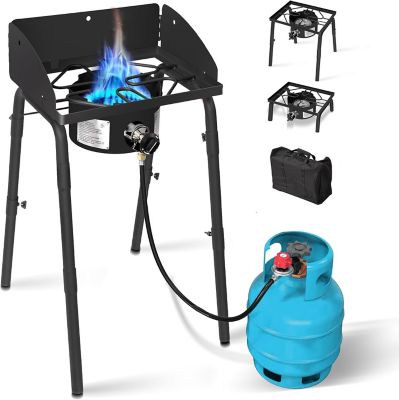
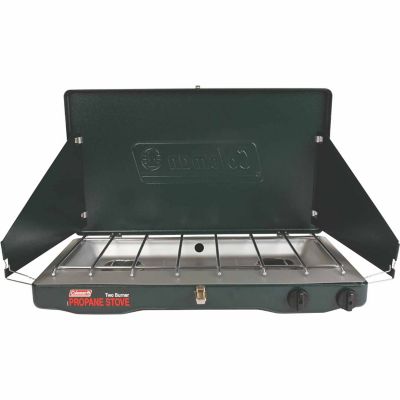
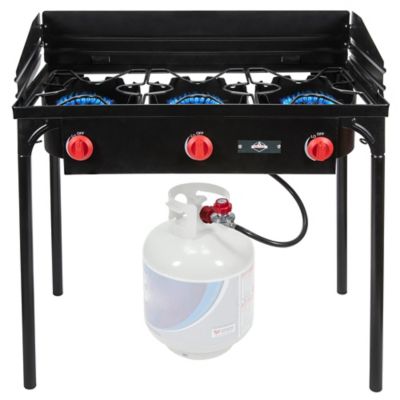
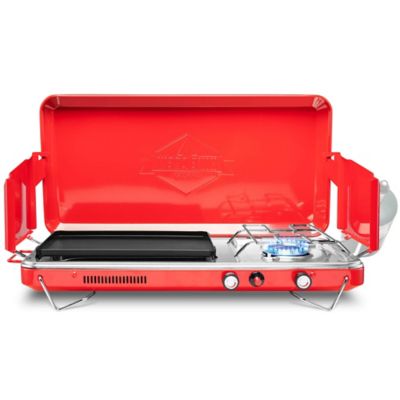
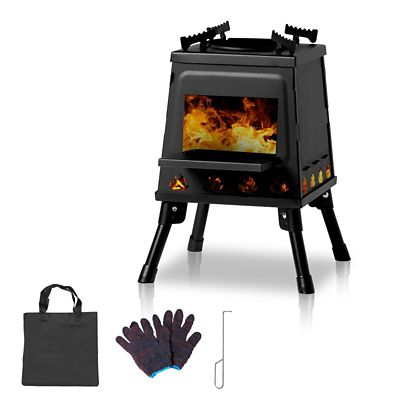
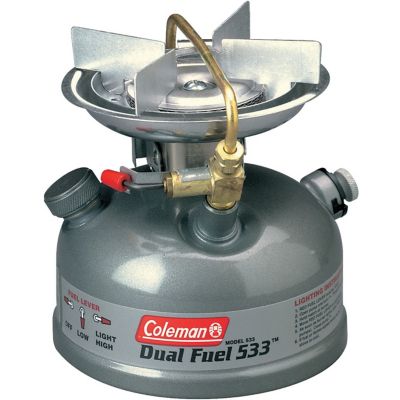
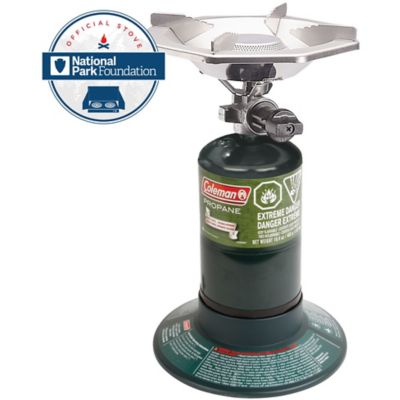
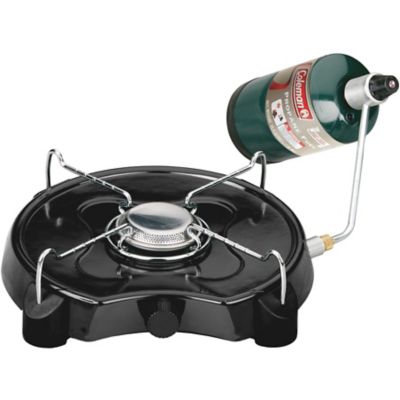
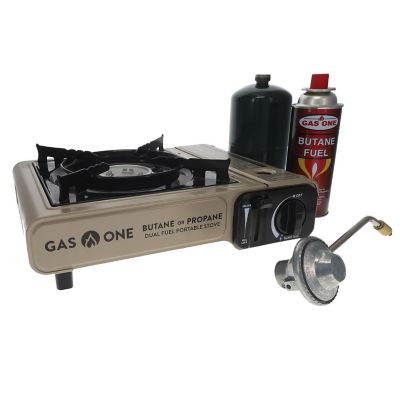
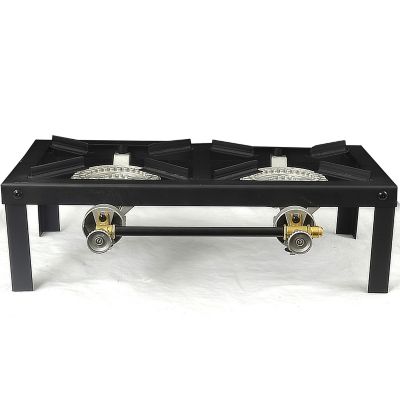
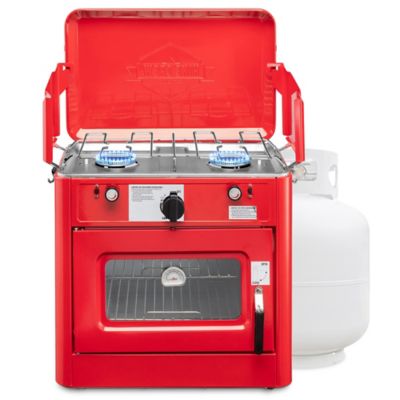
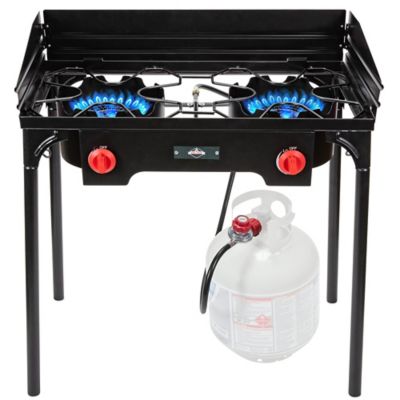
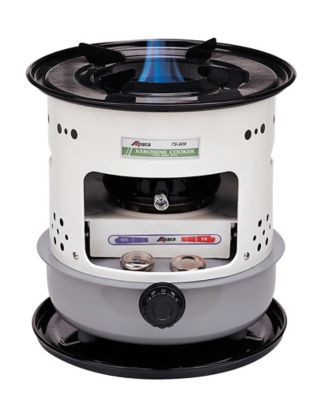
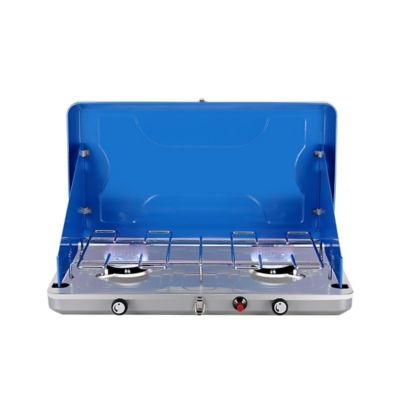
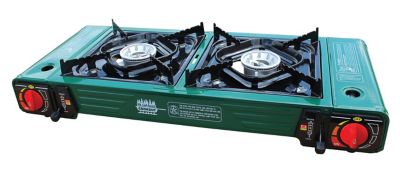
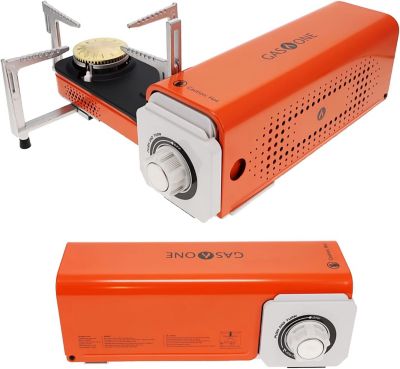
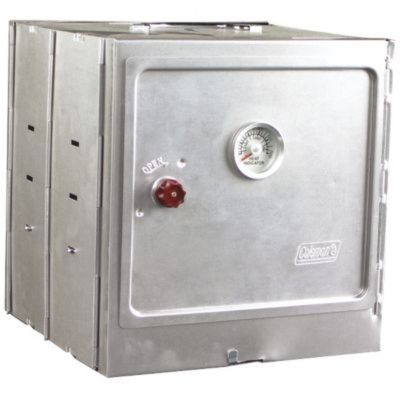
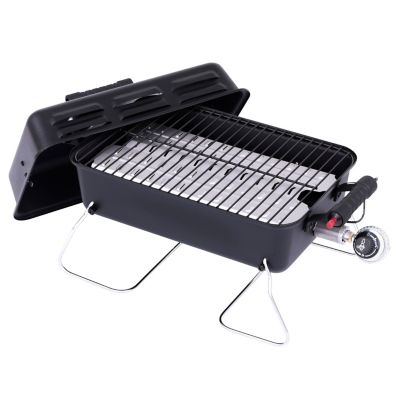
Picnic stoves bring a practical cooking surface to outdoor meals, whether lunch means a pot of beans beside the fishing pond or eggs and coffee at a campground picnic area. These portable outdoor stoves supply concentrated heat for boiling, simmering, and skillet cooking without a full outdoor kitchen. The main differences come down to fuel type, burner count, cooking space, and how the stove travels. Propane and butane models offer adjustable flames and straightforward operation, while wood-burning designs cook over a small fire that needs tending and an approved place to burn. A single-burner picnic stove suits a coffee pot, saucepan, or one-pan meal and leaves more room for food and other supplies in the truck. A two-burner setup gives the cook separate heat controls for separate dishes, so potatoes can simmer while sausage cooks alongside them. That extra cooking room makes sense for families, fishing partners, and folks feeding a few helpers after a morning of chores. Burner spacing matters just as much as burner count: two large skillets may not fit side by side even when a stove has two burners. The grate dimensions, supported cookware sizes, and weight limits help show whether a favorite cast-iron pan belongs on a particular setup. Heat output, often listed in British thermal units, or BTUs, describes burner power, but it does not tell the whole cooking story. Flame adjustment, pot shape, and the way heat reaches the pan also affect performance. Bringing water to a boil calls for different control than keeping gravy from scorching. For picnic cooking, a steady low flame can be every bit as useful as a strong high setting. A compact stove can also make a thoughtful gift for someone who enjoys bank fishing, car camping, or cooking breakfast away from the house, especially when its size and fuel requirements match the outings they already enjoy.
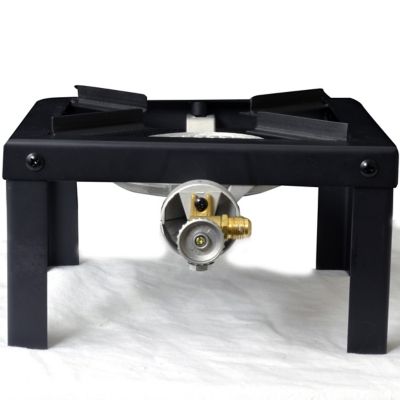
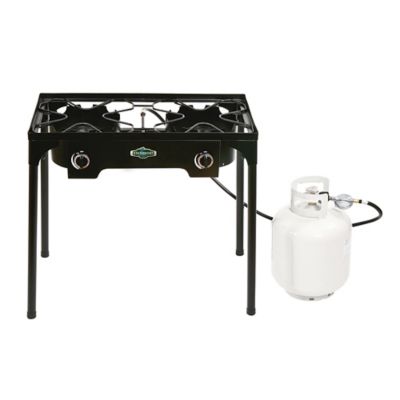
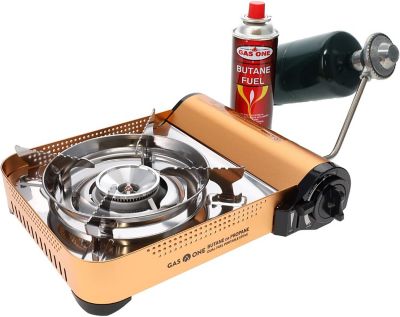
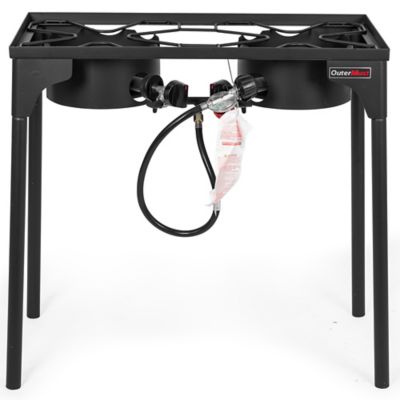
Fuel choice shapes how a picnic stove fits into the rest of the outing. Propane picnic stoves commonly connect to a compatible cylinder, with the exact connection determined by the stove design. Some accept small cylinders directly; others require a specified hose and regulator. Butane picnic stoves often have a compartment for a compatible canister, making a tidy tabletop package with fewer loose parts. Propane and butane are not interchangeable unless the manufacturer expressly approves both fuels for that model, and a connection that looks close is not enough. Fuel type, container size, and the required fittings all need to match the stove instructions. The broader
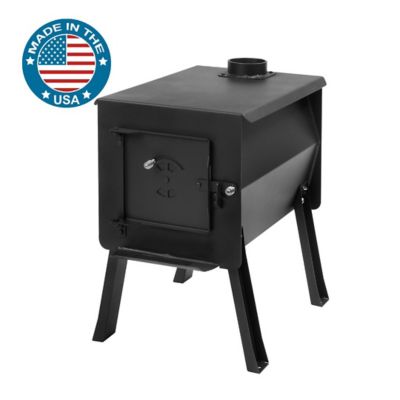
Fuel Stoves category provides another place to explore outdoor cooking equipment built around different fuel systems. Wood-burning picnic stoves have a different rhythm: small pieces of permitted, dry fuel feed the fire, and cooking heat depends on the fire itself rather than a control knob. These designs may leave soot on cookware and require attention to sparks, ash, and complete extinguishment. Local fire restrictions and recreation-area rules can limit both wood fires and stove operation, so the setting matters as much as the menu. Across fuel types, stated burn times are estimates tied to particular fuel containers and operating settings; a long simmer and repeated pots of coffee draw on the fuel supply differently. Push-button ignition can simplify lighting, though the lighting procedure and any permitted backup method remain specific to the stove. Outdoor-only picnic stoves belong in open air, never inside a house, garage, tent, or vehicle, where carbon monoxide can accumulate. A level, stable, heat-safe surface and the manufacturer's required clearances are part of a sensible cooking setup. Picnic tables are not automatically suitable stove stands, particularly when their surfaces can scorch or melt. Keeping children, pets, loose packaging, and fuel containers away from the cooking area leaves the cook room to lift a full pot or turn a skillet handle without reaching across the flame.
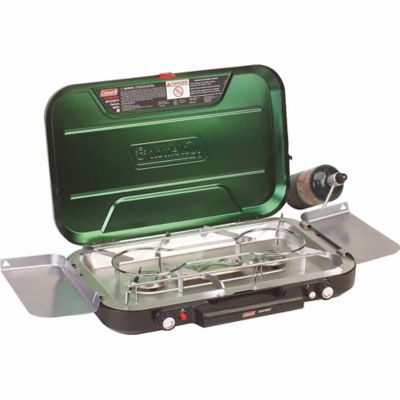
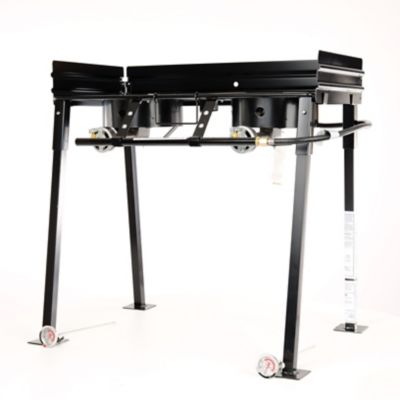
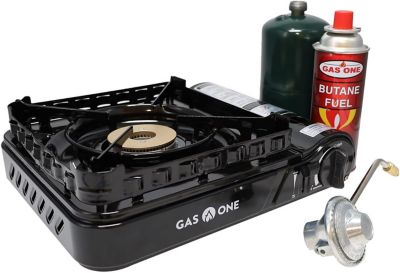
Construction and carrying details make a noticeable difference between a stove that fits an afternoon picnic and one better suited to a drive-up camp kitchen. Steel bodies offer a solid feel, while stainless steel components can help resist corrosion with proper care. Lighter metal housings may ease carrying, but total weight still includes the fuel, cookware, and any stand or carrying case. A suitcase-style stove with a closing lid can keep the burners and grate together for transport; compact single-burner designs take up less space but still need protection from shifting cargo. Folding legs, positive latches, and handles are worth considering in relation to the stove's packed size and operating footprint. A freestanding setup needs enough level ground for its legs, while a tabletop model needs a suitable surface with room around it. Side panels can help shield the flame, but any shield or accessory must be approved for the stove so it does not trap heat around a fuel container. For cooking comfort, sturdy pot supports and accessible controls matter when a heavy pan of breakfast potatoes is on the grate. Cast iron holds heat well but adds weight; thinner cookware is easier to carry and can respond more quickly to flame adjustments. Either way, the pan must sit securely within the stove's stated limits. Cleanup is another everyday consideration. Removable grates and accessible cooking surfaces can make spilled coffee, bacon grease, and sauce easier to reach once everything has cooled. Cleaning should follow the manufacturer's directions, with attention to keeping burner openings clear and avoiding damage to valves, seals, or ignition parts. Drying the stove before storage helps limit corrosion, and checking connections and components before the next outing can reveal wear that needs attention. Fuel containers need their own approved handling and storage arrangements rather than simply staying packed wherever there is room. The right picnic stove fits the meal, the load, and the place it will operate, leaving more of the outing for passing plates around the table and enjoying food cooked outdoors.