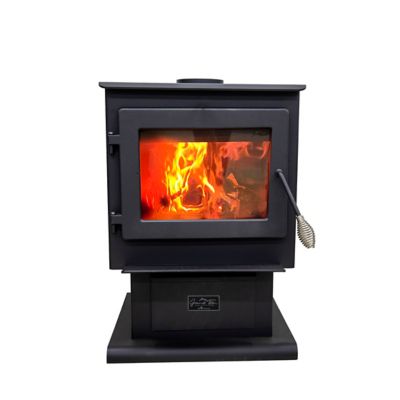
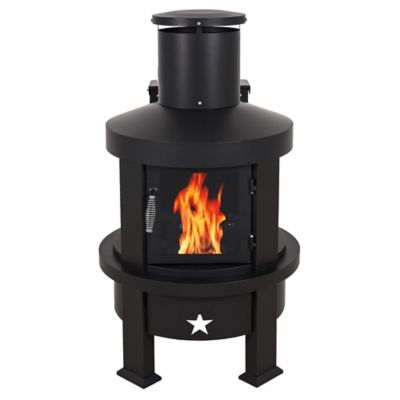
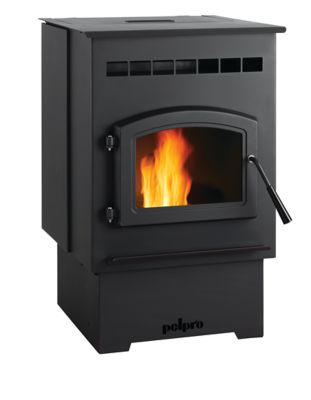
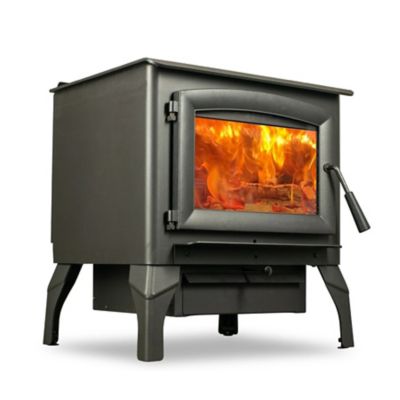
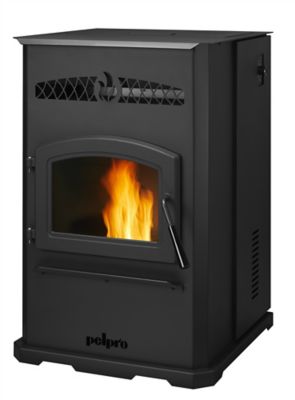
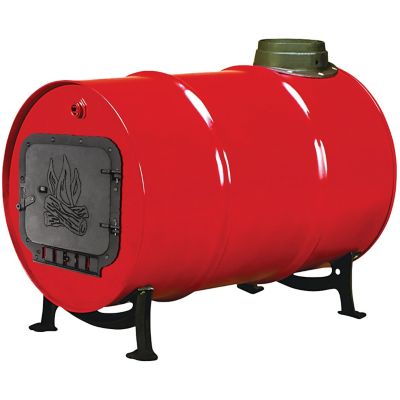
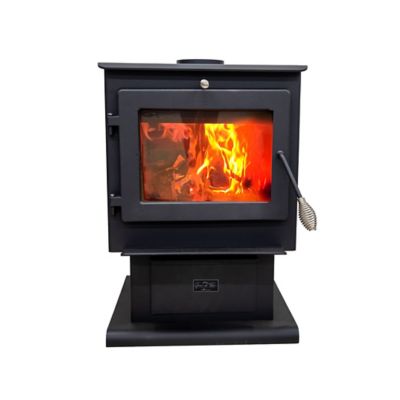
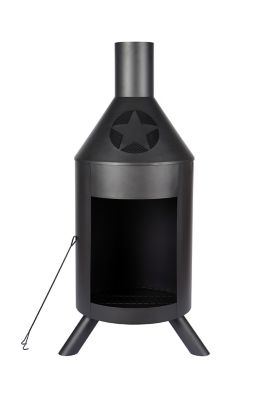
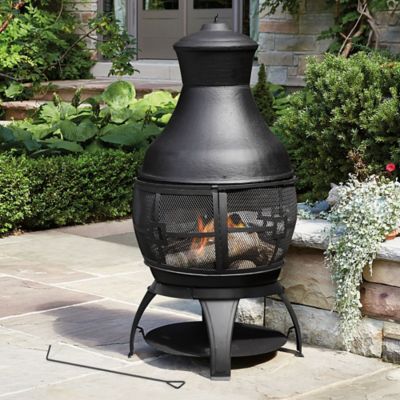
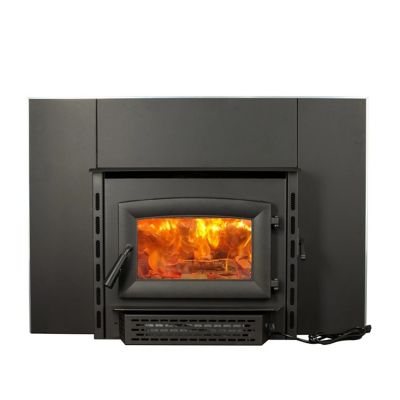
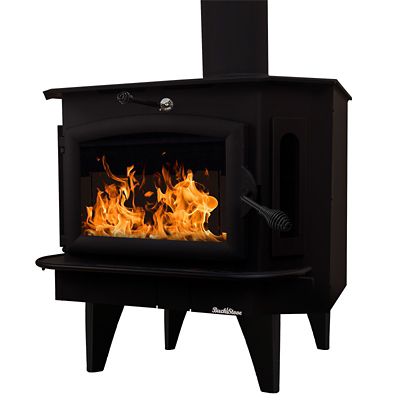
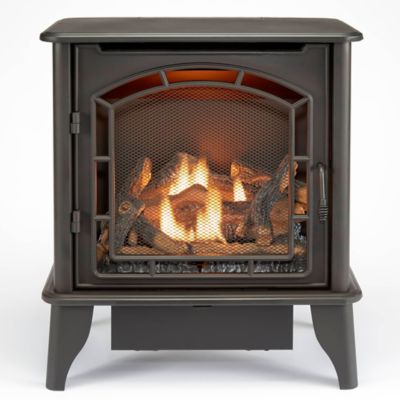
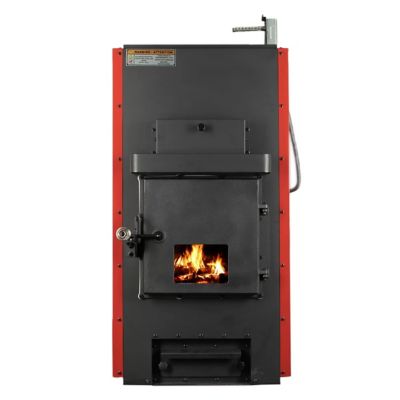
Wood burning stoves bring steady, comfortable heat to cabins, workshops, hunting camps, farmhouses, and other spaces where a dependable heat source matters. A well-built stove can also add the simple pleasure of a real fire: the soft snap of dry wood, the warm glow across a room, and a cozy place to settle in after chores are done. Depending on the size and layout of the space, a stove may serve as the main source of heat or help take the chill off during cooler months while reducing the need to run a central system. Steel stoves are known for heating up quickly and putting out strong, responsive heat, while cast iron models hold warmth well and bring a classic, substantial look. Soapstone stoves are valued for their ability to absorb heat and release it gradually, which can help a room stay comfortable after the fire has settled down. When comparing wood burning stoves, start with the square footage, insulation, ceiling height, and layout of the area you want to heat. A stove that is too small may struggle on bitterly cold days, while one that is too large can make a room uncomfortably hot and encourage inefficient, low-temperature burns. Check the manufacturer’s heating range and installation requirements, and think about where firewood will be stored, how easily the stove can be loaded, and whether the door, handle, and air controls are convenient to use with gloves or work-worn hands. For related heating options and supplies, browse
Fuel Stoves as you plan a setup that fits your space and routine.
Wood burning stoves generally use either non-catalytic or catalytic combustion technology. Non-catalytic stoves are straightforward to operate and use a carefully designed firebox and airflow system to burn smoke more completely before it leaves through the chimney. Catalytic stoves send smoke through a catalytic combustor, where additional heat helps burn off particulates and gases, often supporting longer, steadier burns when operated correctly. Each style has its own maintenance needs, so look at the operating instructions, replacement-part availability, and care required for the combustor or internal components before making a choice. Efficiency is important, but so is everyday usability. Consider the size of the firebox, the length of wood it accepts, the expected burn time, the visibility of the fire, and how often ashes need to be removed. A larger viewing window can make a living area feel inviting, while a practical ash pan or easy-access cleanout can save time during the heating season. The best firewood is clean, dry, and properly seasoned hardwood with low moisture content; wet or green wood tends to smolder, creates less useful heat, and can contribute to creosote buildup. Keep wood covered from rain while allowing air to circulate, and avoid burning painted, treated, or manufactured wood unless the stove instructions specifically allow it. Before installation, have a qualified professional inspect the chimney or venting system and confirm that the hearth, wall clearances, floor protection, and chimney height meet local codes and manufacturer directions. A wood stove should sit on a properly rated, noncombustible surface, with furnishings, curtains, firewood, and other flammable materials kept at the required distance. A sturdy pair of fireplace gloves, a metal ash bucket with a tight-fitting lid, a poker, and a small broom can make daily tending easier, but no tool replaces careful supervision around an active fire.
These stoves can be a thoughtful choice for someone settling into a rural home, outfitting a seasonal cabin, improving a detached workshop, or preparing a hunting camp for comfortable evenings during the cooler months. They may also appeal to a homeowner who enjoys putting up firewood, maintaining useful equipment, and relying on a heat source that does not depend entirely on electric service. For a gift, practical accessories such as a hearth tool set, firewood carrier, moisture meter, or protective gloves can pair nicely with a stove, especially for someone who already has a properly installed unit. Keep in mind that a wood burning stove is not a plug-in appliance or a casual décor purchase; safe installation, regular inspection, and responsible operation are part of owning one. Have the chimney checked and cleaned as recommended, watch for creosote, inspect door gaskets and firebrick, and replace worn parts with components approved for the stove. Install smoke alarms and carbon monoxide detectors on every level and outside sleeping areas, test them regularly, and keep a suitable fire extinguisher close by. Never leave a fire unattended, and do not overload the firebox or close the air controls in a way that causes smoky, sluggish burning. When the stove is sized correctly, installed with care, and fed with properly seasoned wood, it can provide years of reliable warmth and become part of the rhythm of home life—from stacking the next load by the shed to warming cold hands after a long day outside. Quality steel, cast iron, and soapstone construction can last for decades when the stove is operated and maintained as directed, making this a lasting investment in comfort for homes, outbuildings, and gathering places.