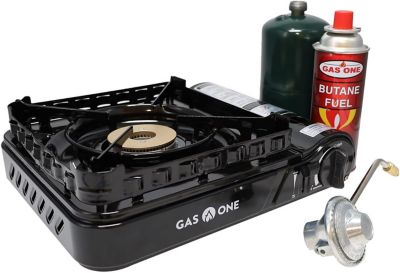
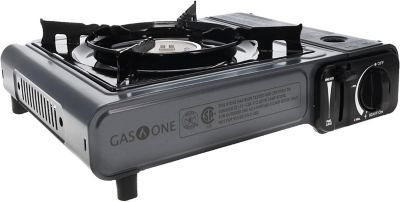
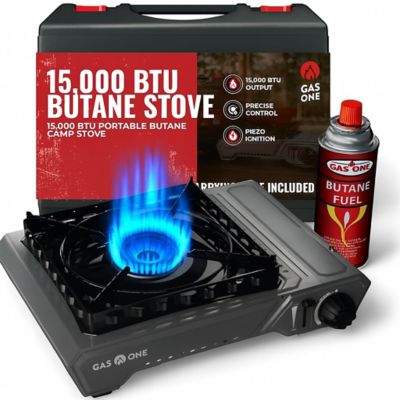
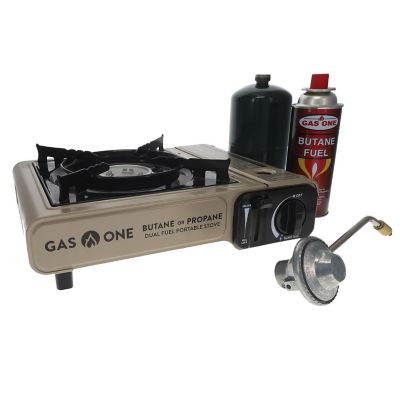
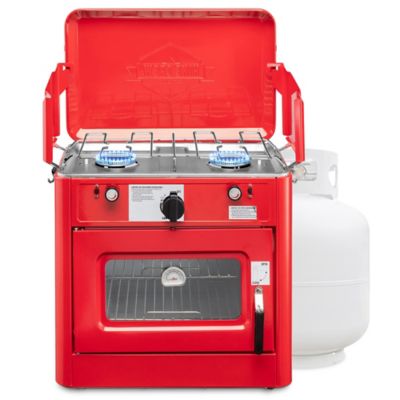
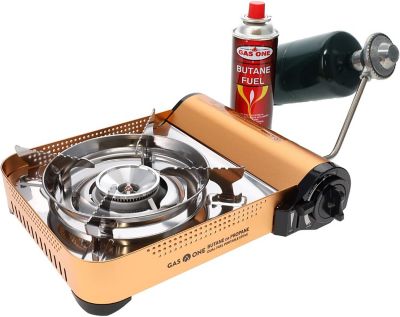
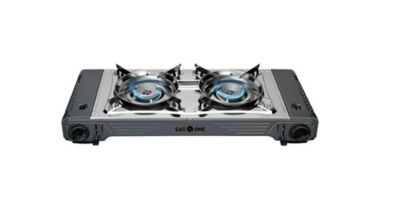
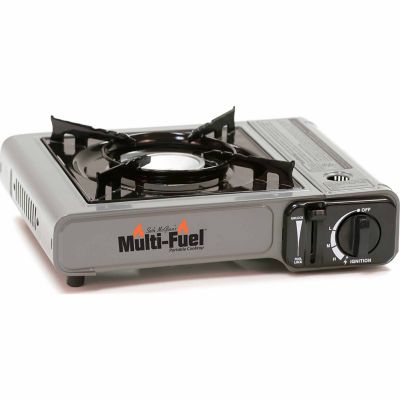
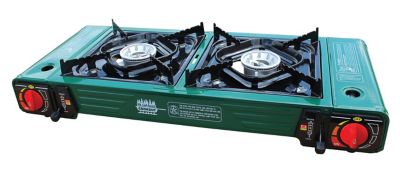
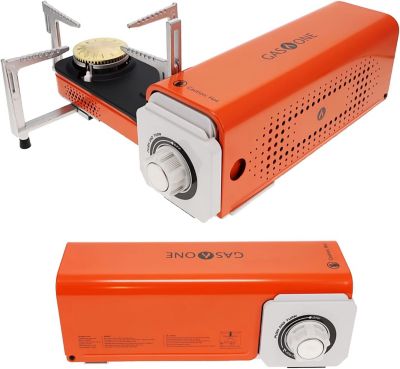
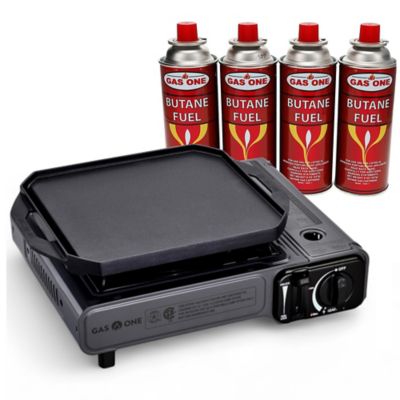
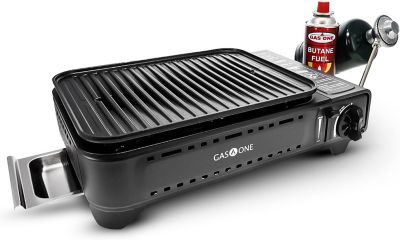
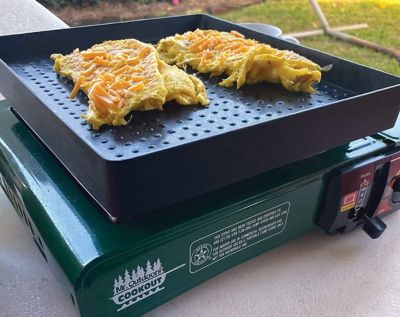
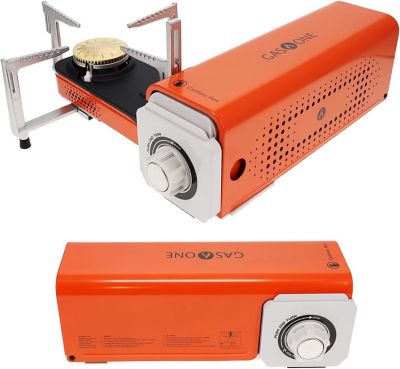
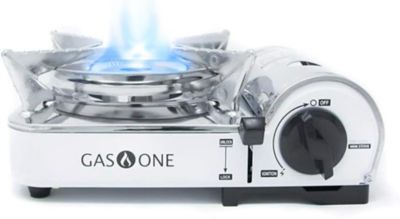
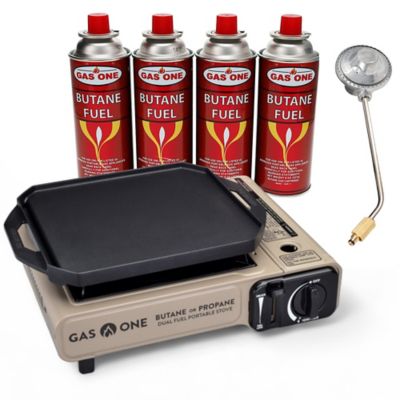
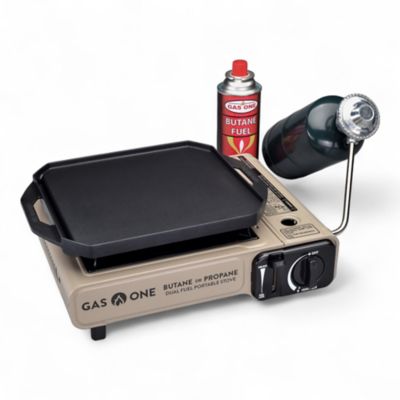
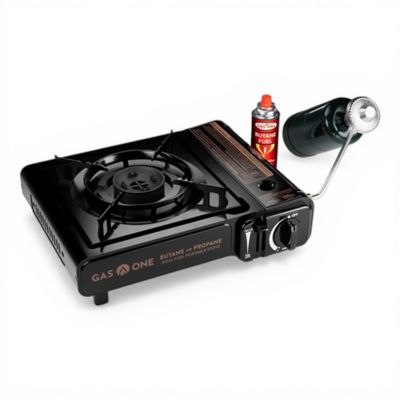
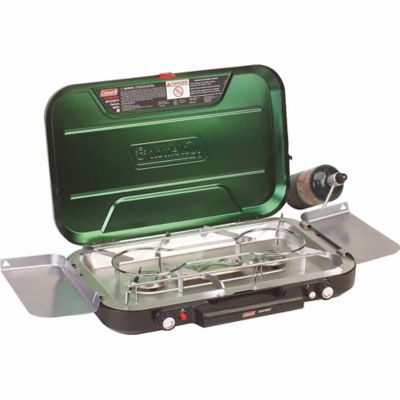
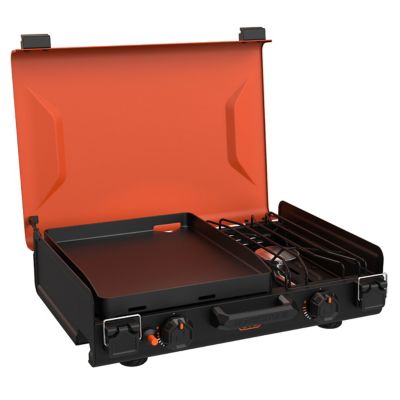
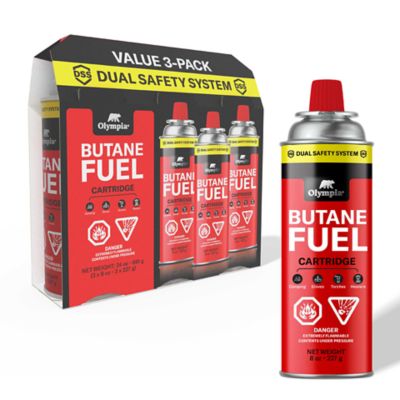
Butane cooking stoves bring a handy little burner to places where a full kitchen is out of reach. These compact, single-burner stoves are popular for camping, tailgating, fishing trips, hunting camps, outdoor gatherings, and emergency meal preparation. Set one on a sturdy, level table and you have a practical cooking surface for heating soup, boiling water, frying eggs, warming tortillas, or simmering a pot of beans. Their small size also makes them easy to carry from the truck to the campsite, and many include a hard carrying case that helps protect the stove between outings. A typical portable butane stove uses an 8.8-ounce bayonet-style fuel canister that locks into a compartment beside the burner. Depending on the stove’s heat output and the cooking conditions, one canister may provide roughly an hour to an hour and 15 minutes of cooking time on high. Lower heat settings can stretch that fuel farther, especially when you are keeping chili warm or gently simmering a skillet meal rather than bringing a large pot to a boil. For fuel storage and trip planning, browse
Butane Fuel for Camping Stoves and check the stove’s instructions to confirm the correct canister type. Butane is convenient because the canisters are generally easy to install and remove, without the hoses, regulators, or larger tanks used with some other outdoor cooking setups. That simplicity suits a weekend camper who wants a quick cup of coffee at daybreak, a family setting up lunch beside the ball field, or a homeowner who wants a backup way to prepare food during a power outage. These stoves can also make a thoughtful gift for campers, college students in approved outdoor cooking areas, tailgaters, and anyone building a practical emergency kit. A stove, fuel, a small pan, and a lighter-free ignition system make a useful package for someone who spends plenty of time away from the kitchen.
When comparing butane cooking stoves, start with the kind of cooking you expect to do and the cookware you already own. Heat output is commonly listed in BTUs, with portable models often ranging from about 5,300 to 10,000 BTUs. A higher BTU rating can bring water to a boil faster and help a stove recover heat when a cold pot is placed on the burner, while a lower-output model may still be a good fit for coffee, canned food, and light skillet cooking. Look for a flame-adjustment knob that turns smoothly and gives you a steady low setting; precise control matters when warming gravy, melting butter, or keeping supper from scorching. Check the manufacturer’s stated cookware capacity as well. Many compact stoves work best with a pot or skillet up to about 10 inches across. Oversized or unusually heavy cookware can block ventilation around the fuel compartment, make the stove unstable, or place too much weight on the supports. Automatic piezo-electric ignition is another convenient feature, since it lights the burner with the push or turn of a control rather than requiring matches. A built-in pressure sensor and cartridge ejection system can add an extra layer of protection by shutting off the fuel or releasing the canister if pressure or heat rises beyond the safe range, though no safety feature replaces careful setup and supervision. Before buying, consider the stove’s packed size, carrying case, pot supports, wind protection, and the availability of matching fuel where you travel. A wind shield can help maintain a steady flame outdoors, but it should never be used in a way that traps heat around the canister. Keep in mind that butane loses performance in very cold weather, and a standard canister may struggle during freezing conditions. For cooler-season camping, read the operating-temperature information closely and consider whether another fuel system is better suited to your plans.
Safe setup makes a portable butane stove far more dependable. Use it only in the location allowed by the manufacturer, on a firm, level, nonflammable surface with plenty of open air. Even when a stove is marketed for indoor use, ventilation is essential because burning fuel consumes oxygen and produces combustion gases. Never operate a butane stove inside a tent, vehicle, camper, shed, garage, or other enclosed space unless the instructions specifically permit that location and provide the required ventilation guidance. Keep the burner away from dry grass, paper goods, curtains, low branches, and other materials that can catch fire, and leave room around the fuel compartment for heat to escape. Inspect the canister before installing it; do not use one that is dented, rusty, leaking, or past the condition recommended by the manufacturer. Make sure the canister is seated and locked correctly, and keep faces, hands, and loose clothing away from the burner when lighting. Never leave a lit stove unattended, and let the unit cool completely before removing the canister or placing it back in its case. Store fuel in a cool, dry, well-ventilated area away from direct sunlight, sparks, flames, and heat sources, and follow local rules for transporting and disposing of empty canisters. During late-summer cookouts, fall camping trips, and chilly mornings at the farm, a butane cooking stove can deliver quick, controlled heat without taking up much room. Choosing the right size, fuel setup, cookware capacity, ignition style, and safety features helps make that small burner a reliable part of camp gear, outdoor meal supplies, or a home preparedness kit.