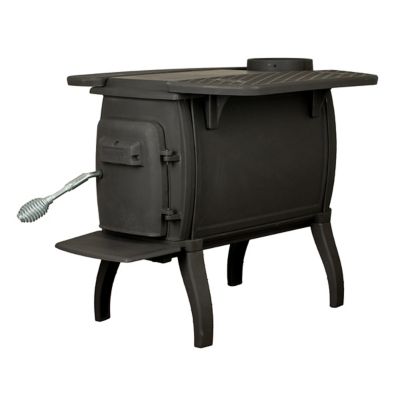
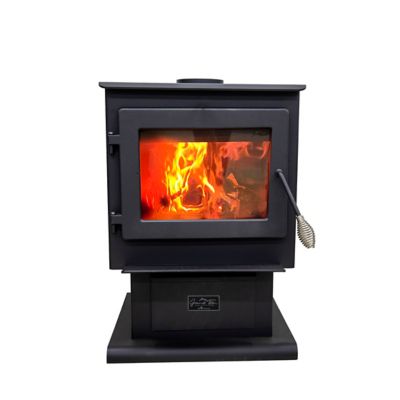
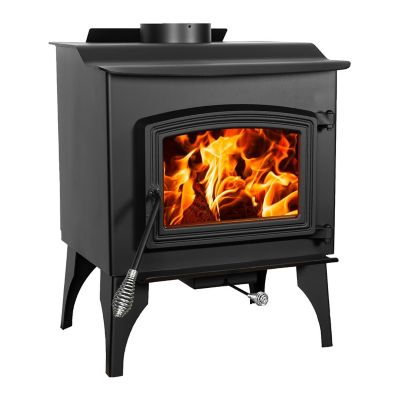
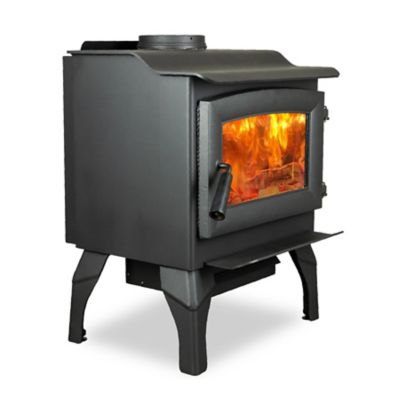
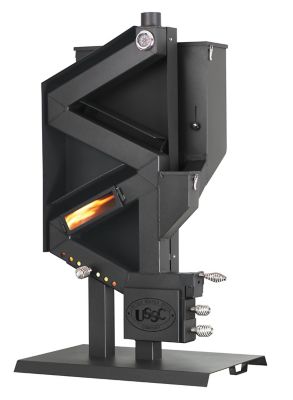
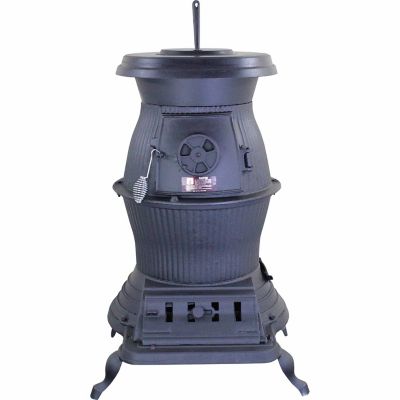
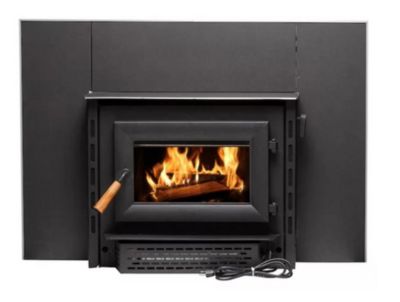
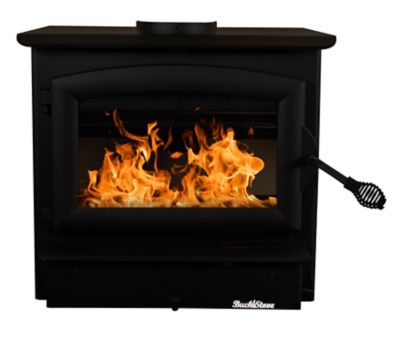
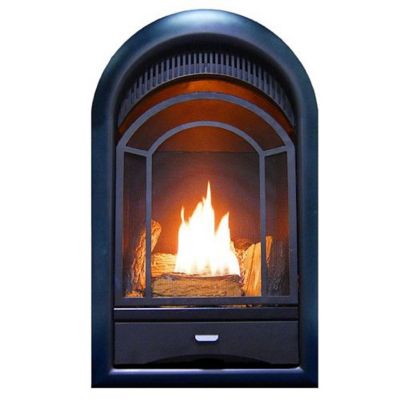
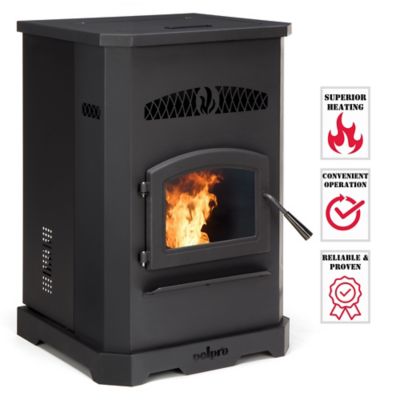
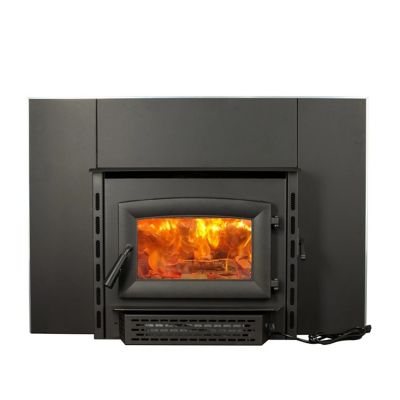
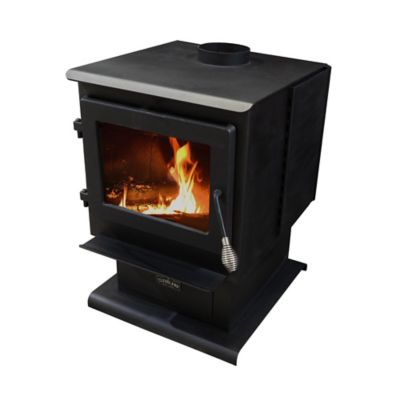
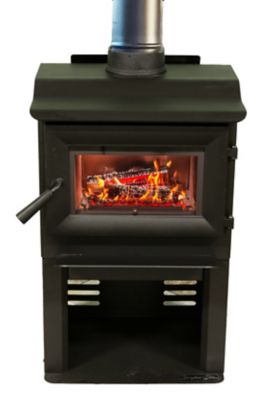
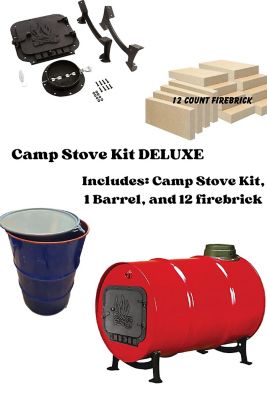
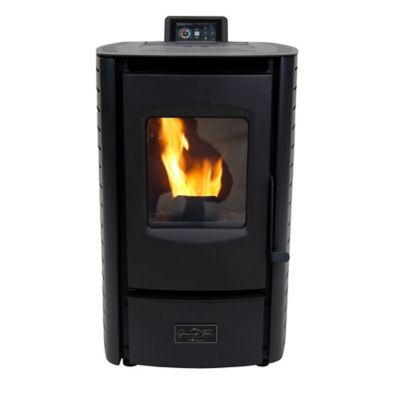
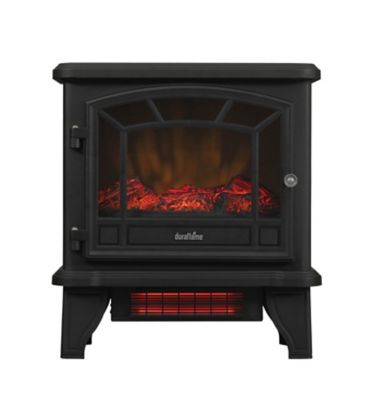
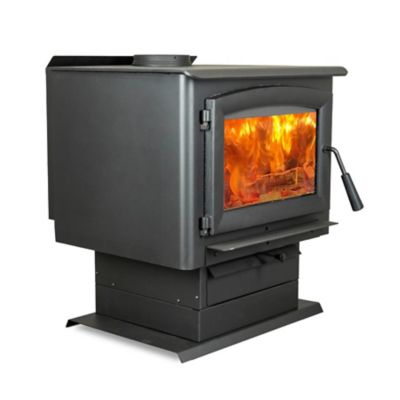
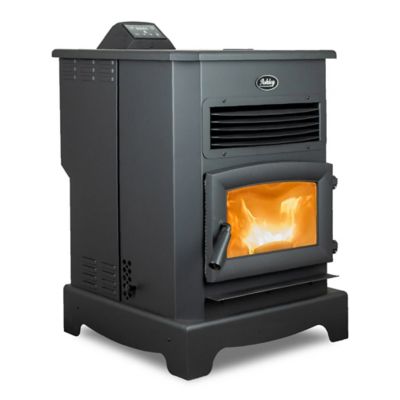
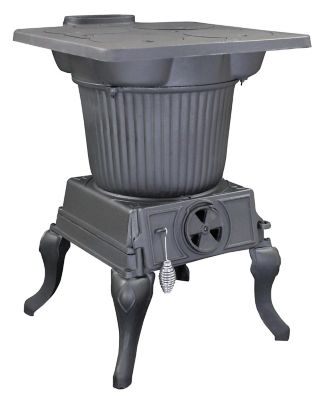
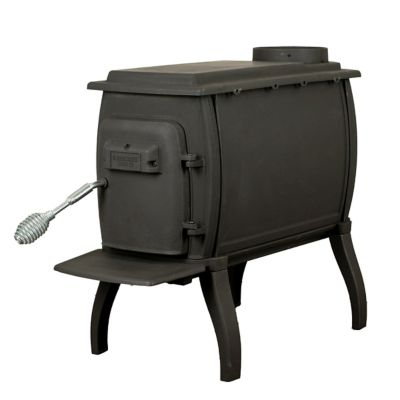
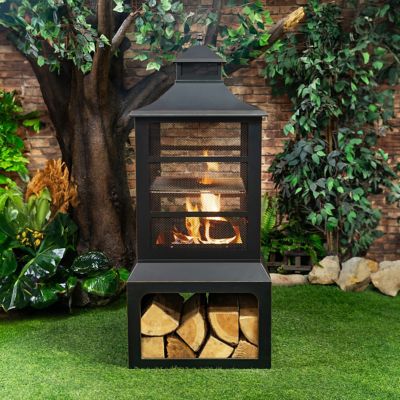
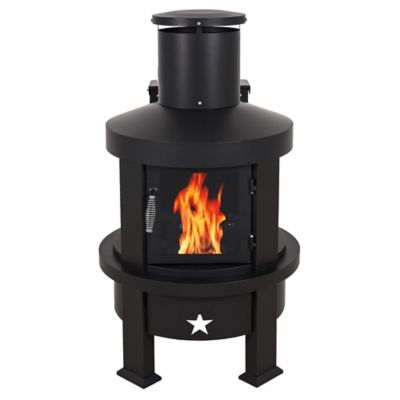
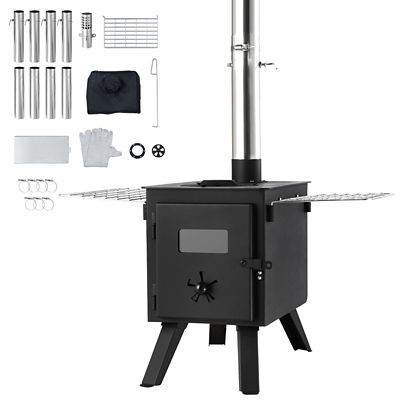
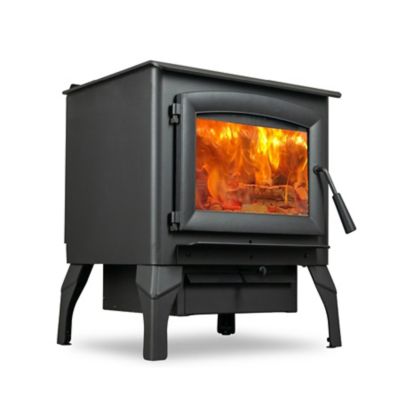
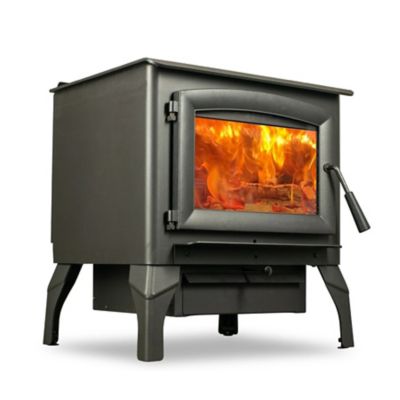
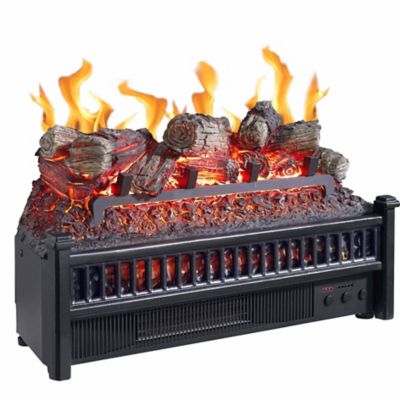
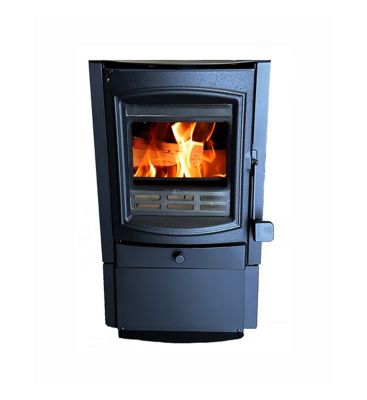
Fireplace stoves bring a steady source of warmth and the look of a hearth to living rooms, cabins and other indoor gathering spaces. During the cooler months, that warmth feels especially welcome after checking fences, hauling feed or finishing chores before dark. The category includes wood-burning, pellet, gas and electric stoves, with each fuel type bringing different installation needs and everyday routines. Wood-burning fireplace stoves offer real flames, glowing coals and the familiar crackle of split logs. They suit households prepared to keep seasoned firewood on hand, tend the fire and maintain a proper chimney system. Pellet stoves burn compressed wood pellets fed from a hopper, giving homeowners a different approach to solid-fuel heat. Many have controls that regulate fuel delivery, although their feed mechanisms and fans generally require electricity. Gas fireplace stoves run on the fuel specified for the appliance, typically natural gas or propane, and offer flame warmth without carrying logs or emptying wood ash. Their installation depends on a suitable fuel connection and the venting requirements of the particular design. Electric fireplace stoves create a flame effect with electric lighting and typically provide supplemental room heat through an electric heater. They need no combustion chimney, making them a practical fit for spaces where adding a flue is not feasible, provided the electrical connection and placement meet the appliance instructions. Some electric designs also let the flame effect operate without the heater, keeping the fireside look separate from the room temperature. For households comparing a stove-shaped heater with other hearth styles,
Indoor Fireplaces offers a related category to explore. The main distinction is how the appliance fits the room: a freestanding stove has its own body and footprint, while an insert is built for a compatible existing fireplace opening. Neither format is interchangeable without checking the installation specifications. Whether the goal is added comfort near the sofa or meaningful supplemental heat in a country home, fuel choice and installation requirements set the starting point.
The right fit for a fireplace stove involves more than finding an open corner. Room size, ceiling height, insulation, window area and the way air moves between rooms all affect how much warmth reaches the places people actually sit. A broad living area with an open doorway behaves differently from a small den at the end of a hallway, and a drafty cabin can lose heat much faster than a tightly insulated house. Heat output for combustion stoves is commonly expressed in BTUs per hour; electric heaters often list watts as well. Any stated heating-area estimate needs to be read alongside the conditions behind it, rather than treated as a promise for every floor plan. Too much output can make a small room uncomfortable, while too little can leave the far side of a larger space chilly. Physical dimensions matter just as much. The appliance footprint, door swing, hearth requirements and specified clearances all take space beyond the stove body itself. Furniture, curtains, stacked firewood and walking paths need room of their own. Wood and pellet installations require an approved venting arrangement, and an existing chimney may need inspection or changes before it can serve a new appliance. Gas venting varies by design, with local rules affecting which installations are permitted. Professional installation helps address those details along with permits and building codes. Materials also shape the stove's look and performance. Cast iron offers substantial weight and holds warmth after the fire eases, while steel construction often has simpler lines and responds more quickly as heat rises and falls. Actual performance depends on the full stove design, including its lining and heat-exchange features. Fire-viewing panels in combustion appliances are generally heat-resistant ceramic glass, not ordinary window glass. A broad viewing window puts the flames front and center, while the finish and leg or pedestal style help the stove settle into a farmhouse sitting room, a plain cabin or a more modern living space.
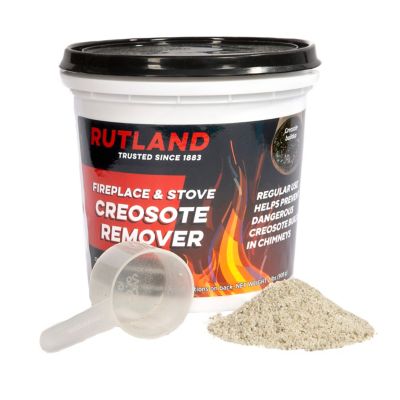
Everyday upkeep is part of choosing a fireplace stove that fits the household. A wood fire brings a hands-on rhythm: bringing in dry splits, loading the firebox and clearing ash once it is safe to do so. Seasoned, untreated firewood with a moisture content around 20 percent or less generally supports cleaner burning than damp logs; painted lumber, trash and treated wood do not belong in the firebox. Ash can hide hot embers long after a fire looks out, so a metal container with a tight-fitting lid belongs outside on a noncombustible surface, away from the house and anything that can catch fire. Chimney inspection and cleaning help manage creosote buildup, while sound door gaskets and intact firebox components help the stove operate as intended. Pellet stoves need attention to the burn pot, ash passages, hopper and venting according to their maintenance schedule. Dry pellet storage matters, too, since moisture can cause the fuel to swell and break apart. Gas appliances benefit from the inspections and service specified by their manufacturer, including attention to burners and vent passages. Electric stoves skip fuel storage and combustion ash, but still need clear air openings, routine dust removal and the specified electrical connection. Plug-in heaters should connect directly to an appropriate wall outlet rather than an extension cord or power strip. Across stove types, accessible service points and a manageable cleaning routine help keep care from becoming a chore that gets put off. Hot surfaces also deserve consideration in homes with children or pets, where an appropriate barrier can help keep curious hands and noses back without blocking required clearances. Working smoke alarms are essential, and carbon monoxide alarms are especially important wherever fuel-burning equipment operates. For families settling in after outdoor work or cabin owners taking the chill off a gathering room, the best match balances the appeal of the fire with the attention it takes to run it. A stove that suits the space, fuel supply and daily routine makes fireside comfort feel like a natural part of home.