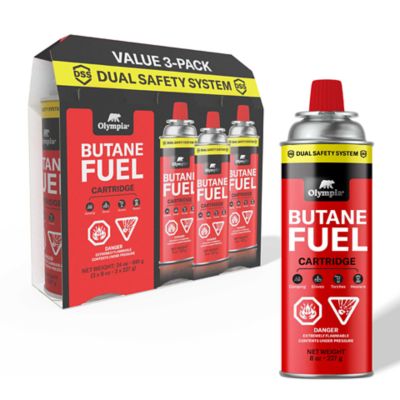
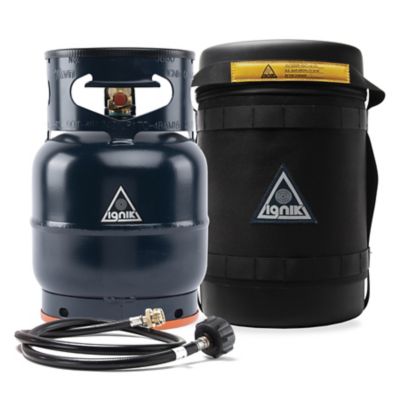
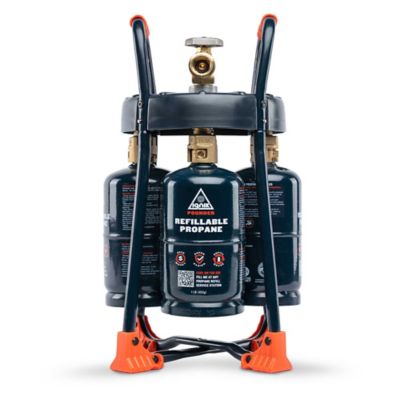
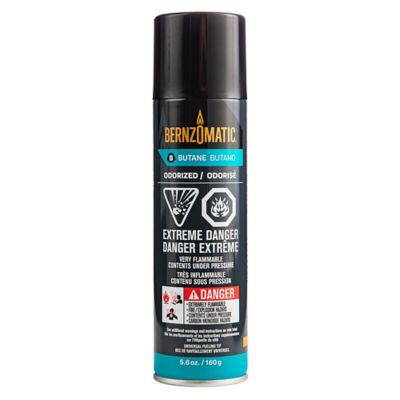
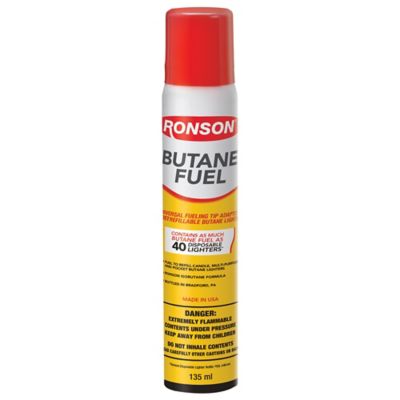
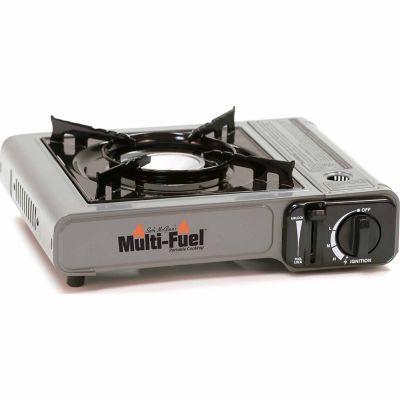
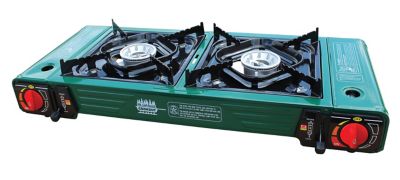
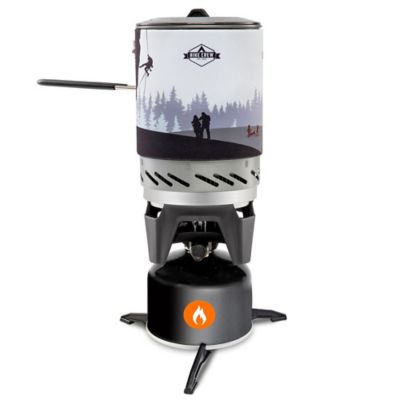
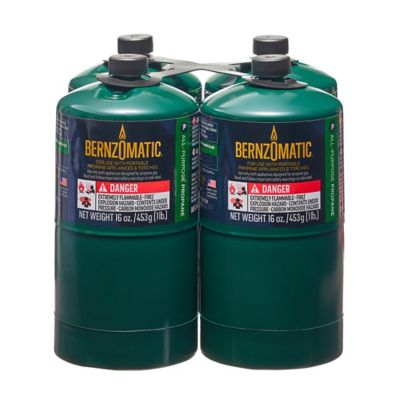
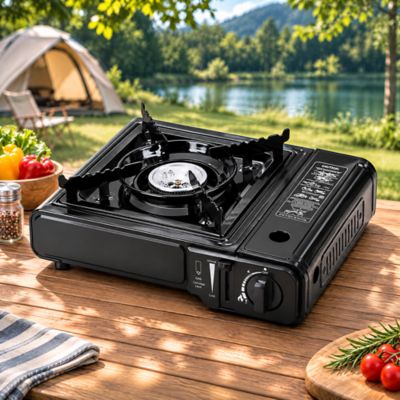
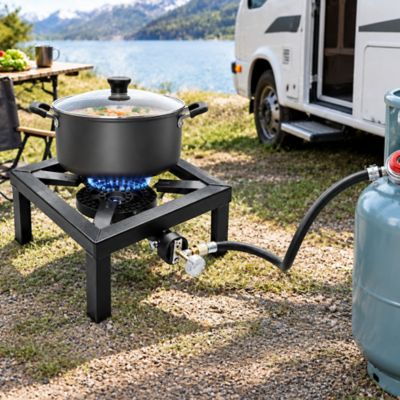
Butane fuel for camping stoves keeps outdoor cooking straightforward, whether breakfast means a skillet of eggs at a campsite or a pot of coffee near a fishing spot. The fuel sits under pressure as a liquid inside the canister and becomes a gas as it feeds the burner, giving a compatible stove an adjustable flame without pouring liquid fuel into a tank. That setup suits campers, anglers, hunters and folks who want a compact cooking arrangement for a day away from home. A common format is the straight-sided, 8-ounce (227-gram) metal canister with a nozzle-type bayonet connection. This format often fits portable single-burner tabletop stoves, but canister shape alone does not establish a match. The valve, locating notch, fuel formulation and canister dimensions all need to meet the stove manufacturer’s requirements. Some camping burners take threaded cartridges, while others call for a different connection or an approved fuel blend; those containers are not interchangeable just because they hold camping fuel. Matching fuel to
butane cooking stoves comes down to the connection and fuel specification listed in the stove manual, not simply whether a cartridge looks close enough to fit. The canister body is commonly steel, and the condition of its seams, valve and protective cap matters during packing and handling. Clear labeling makes it easier to check the net fuel weight, intended appliance type and safety information before a trip. Net weight describes the fuel inside rather than the combined weight of the fuel and its container, an important distinction when comparing capacities. For a camp cook packing a skillet, a kettle and a small supply box, the appeal is a contained fuel source that fits into a protected spot without bringing along a separate liquid-fuel bottle or a large tank.
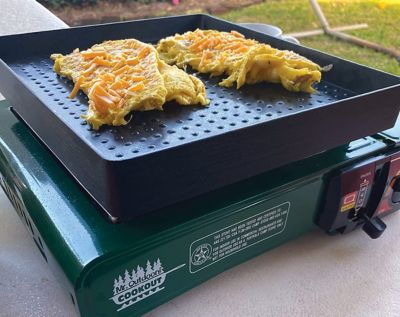
Burn time depends on both the amount of butane in the canister and how quickly the stove consumes it. An 8-ounce (227-gram) canister may provide roughly 1.25 to 2 hours of burner time in a compatible camping stove, but that range is not a guaranteed high-heat rating. A powerful burner running wide open can empty a canister sooner, while a lower flame generally stretches the fuel supply. The stove manufacturer’s stated fuel consumption offers a better planning reference than canister size alone. For example, dividing 227 grams of fuel by a consumption rate of 160 grams per hour gives about 1.4 hours of theoretical operation at that rate. Actual cooking time can differ with burner settings, operating conditions and the amount of fuel the appliance can draw from the container. A quick kettle boil places a different demand on the supply than frying breakfast for several people and then simmering a pot of beans. Counting planned meals and cooking time gives a clearer picture than counting nights away, especially when coffee, dishwater heating and a second round of supper all share the same stove. A spare compatible canister can make sense for longer outings, provided it can travel and remain stored according to its label. Cookware matters, too: a pot that stays within the stove’s size limits helps keep heat where it belongs without extending over the fuel compartment. Lids can shorten some heating tasks, while an oversized griddle can create a hazard by directing heat toward the canister. Butane also loses vapor pressure at low temperatures, which can weaken the flame even when fuel remains. That operating limit matters when choosing an approved fuel system for a trip, rather than assuming every camping canister performs the same way. Fuel choice, burner output and the meals on the menu work together to determine how much cooking a canister can support.
Care and storage are part of choosing camping stove fuel, particularly when supplies ride over a rutted access road or share a tote with cookware. A canister needs protection from dents, punctures and loose gear that could strike the valve. Keeping its protective cap in place when disconnected helps shield the connection, and retaining the label keeps handling instructions close at hand. Rust, deep dents, damaged seams or a bent valve are reasons to keep a container out of service and follow the manufacturer’s disposal guidance. A fuel odor or hissing connection calls for stopping operation, keeping ignition sources away and following the appliance’s leak procedures; an open flame is never a way to check for a leak. These pressurized containers belong away from heat, sparks, open flames and direct sunlight, within the storage limits printed on the label. An enclosed vehicle can build up heat, so it is not a place to leave fuel between trips. Most disposable butane canisters are intended for one filling and should not be refilled or modified. Disposal requirements vary by location, and a container that no longer runs a stove may still hold flammable vapor. Local household hazardous waste or recycling programs can explain which containers they accept and how they must be prepared; puncturing or burning a canister is not a substitute for approved disposal. During cooking, camping stoves belong outdoors with the ventilation and clearances their instructions require, never inside a tent, camper, garage or other enclosed space. Butane combustion can produce carbon monoxide, even when the flame looks normal. A stable, level, heat-resistant surface and clearance from dry grass, bedding and other combustible material help establish a sensible cooking spot. Screens or other barriers must not trap heat around the fuel compartment. With the right fit and proper handling, butane canisters give outdoor cooks a straightforward fuel option for everything from a short lunch stop to several meals at camp.