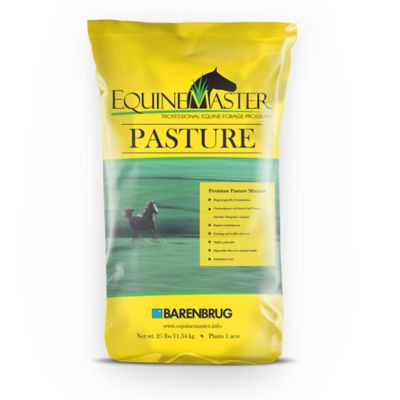
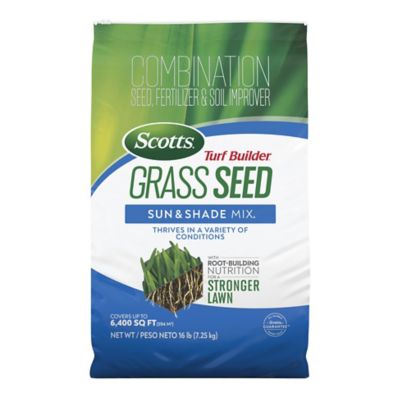
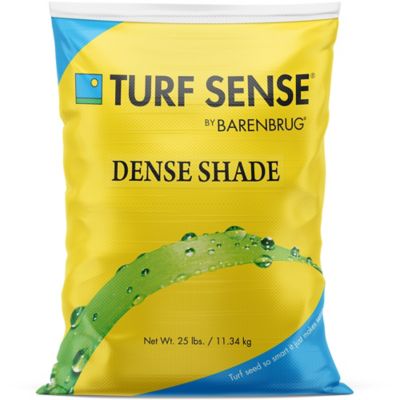
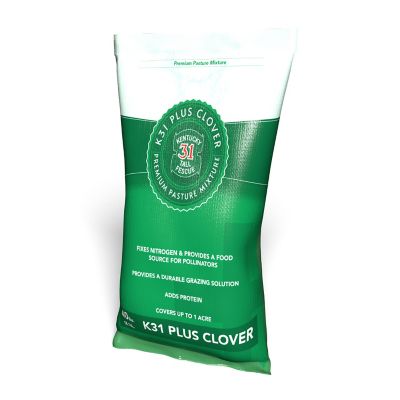
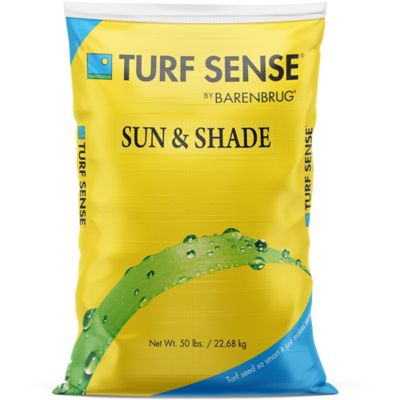
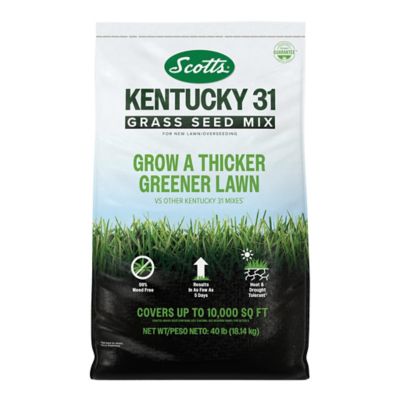
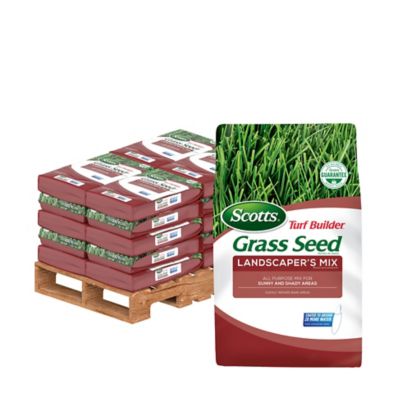
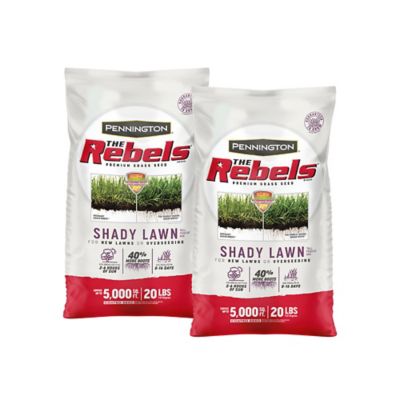
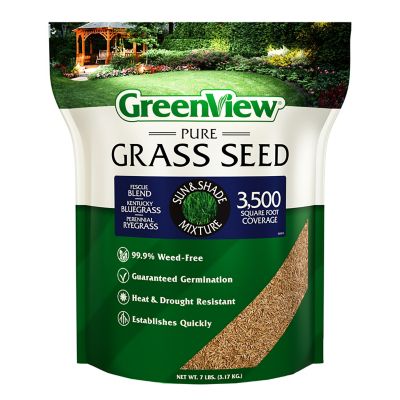
Fall grass seeds can help fill thin spots, thicken an established lawn, or start fresh around a home, shed, or driveway. For cool-season grasses, fall planting often pairs soil that still holds warmth with air temperatures that put less stress on tender growth. That combination can favor root development, provided there’s enough growing time before the ground freezes. The best fit depends on where the property sits, how much sunlight reaches the ground, and what the lawn needs to handle. Turf-type tall fescue is a common choice for lawns that need deeper roots and some tolerance for heat and foot traffic once established. Kentucky bluegrass spreads through underground stems, helping it fill small gaps over time, though it generally takes longer to sprout than perennial ryegrass. Perennial ryegrass brings quicker germination under suitable conditions and often appears in blends intended to help establish cover while slower grasses get going. Fine fescues suit some lower-input lawns and areas with partial shade, although even shade-tolerant grass needs adequate light. A blend combines varieties within one grass species, while a mixture brings together different species with complementary traits. Either can make sense for a lawn with changing conditions between the open front yard and the strip beside a tree line. Regional fit matters more than a familiar grass name: a seed suited to a northern lawn may not be the right match for a southern property dominated by warm-season turf. Fall grass seed choices also differ between permanent lawn improvement and temporary green cover. Keeping that purpose in mind helps narrow the field without expecting one bag to suit every patch of ground. For homeowners managing an acre around the house or just the worn stretch beside the porch, matching seed to the site gives the planting a better chance to become an even, well-rooted lawn.
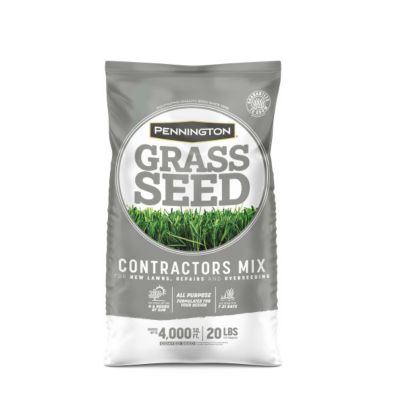
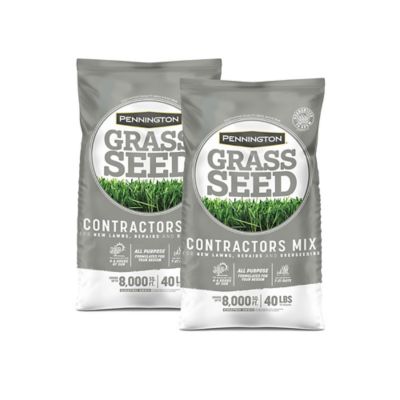
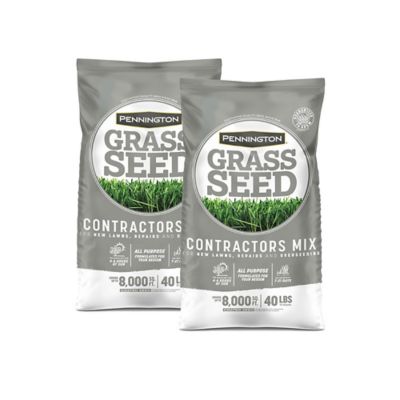
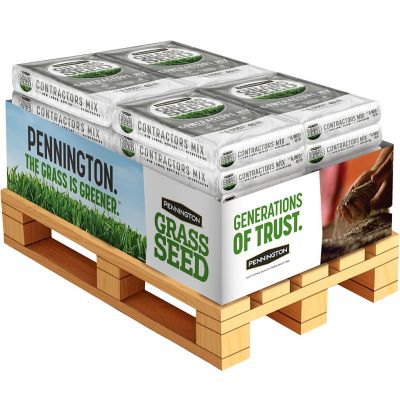
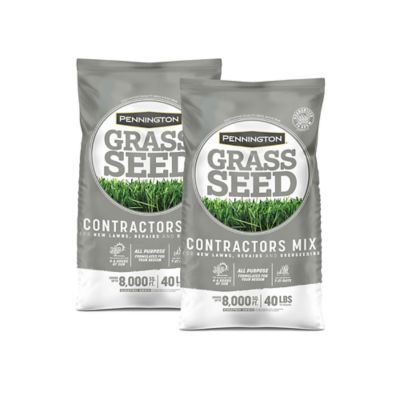
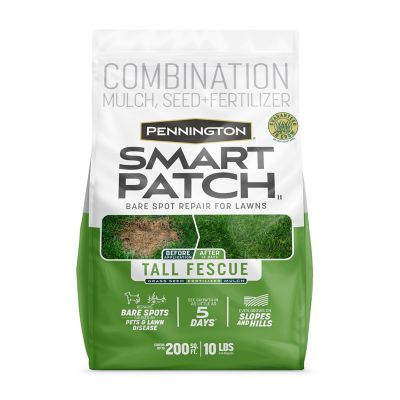
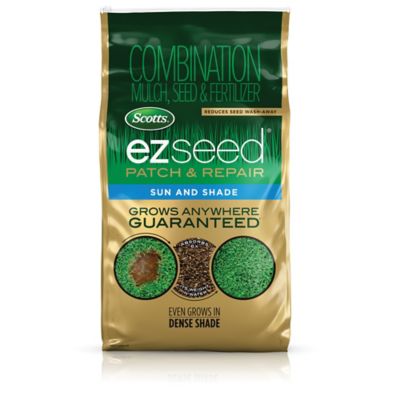
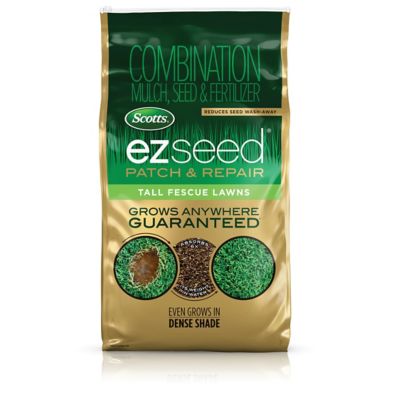
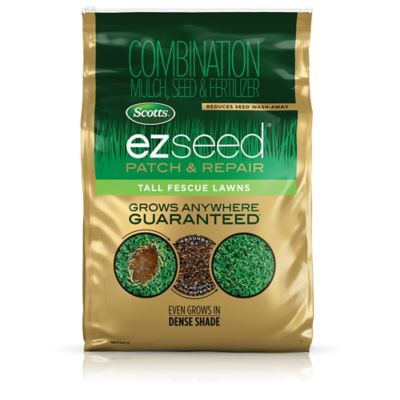
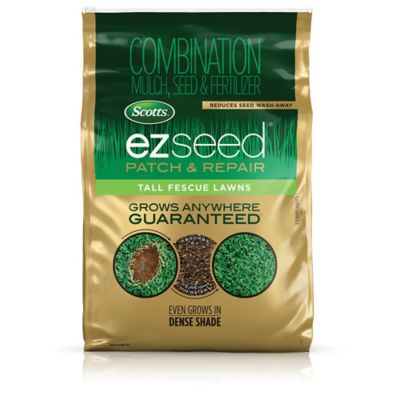
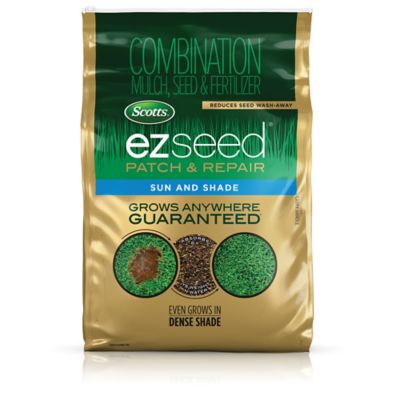
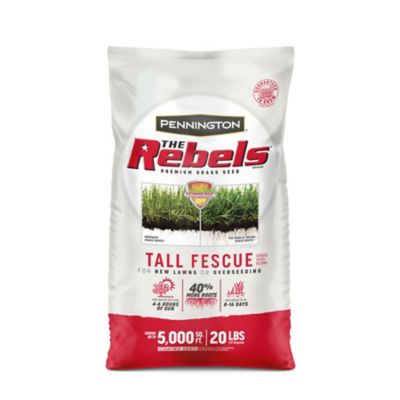
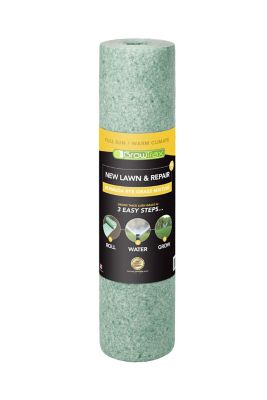
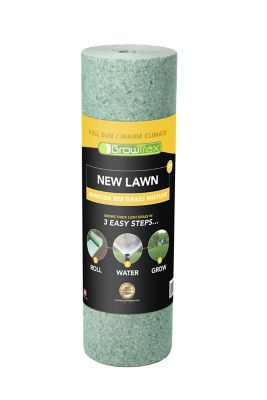
A seed bag’s label tells more than the picture on the front. Grass species and variety names, germination percentages, purity information, and the seed test date help explain what’s inside. Coverage figures deserve a close look, too, because filling out an existing lawn generally takes less seed than establishing grass on bare soil. A large yard with scattered thin areas is a different job from the same square footage of freshly graded ground. Plain seed, coated seed, and mixtures containing mulch or fertilizer can also have very different package weights for the area they cover. Coatings may support handling or moisture management, depending on their makeup, but they contribute to bag weight along with the seed. Mulch-containing mixtures can suit small repairs where keeping the seedbed moist is a challenge, while seed-only options allow more control over the other materials going onto the ground. For shoppers comparing straightforward planting options,
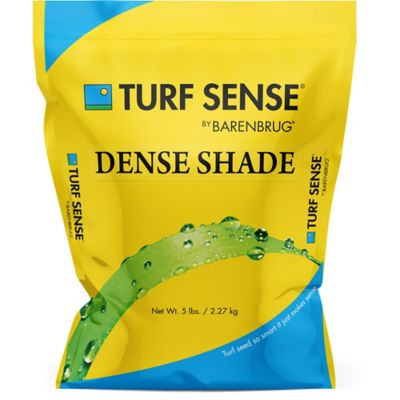
Easy To Grow Grass Seeds offers another way to explore choices for lawn projects. Beyond the package, the yard itself sets the requirements. The sunny area along a gravel drive may dry faster than the ground behind a north-facing fence, and a path between the back door and the barn needs more wear tolerance than a quiet side yard. Poor drainage, packed soil, and deep shade can keep grass thin no matter how much seed lands there. A soil test can help identify pH or nutrient concerns rather than leaving those decisions to guesswork. Seed-to-soil contact matters as well; seed caught in a thick layer of dead grass has a tougher start than seed resting against prepared soil. Where weed-control treatments have been applied, label restrictions can affect planting timing. These considerations help connect the seed choice to the actual conditions on the property, rather than treating every bare spot as the same problem.
Fall lawn projects range from repairing summer-worn patches to overseeding a broad stretch of turf that has gradually lost density. A yard with children playing catch, dogs following the same fence line, or regular trips to the woodpile benefits from grass selected for its expected workload, along with enough time for new roots to settle in before heavy traffic returns. Even a grass known for handling wear needs protection while it’s getting started. Water access is another practical consideration: a small patch near the hose is easier to keep evenly moist than a far corner beyond the garden. Germinating seed needs consistent moisture without standing water or runoff, and newly established grass needs continued care after the first green shoots appear. Mowing readiness depends on growth and rooting, not simply the number of days since planting. Fallen leaves can also smother young turf when they form a heavy mat, so open ground and newly seeded areas need attention through leaf drop. Planting windows vary by region, grass species, and local conditions; seed that sprouts too close to a hard freeze may not have enough time to establish. Dormant seeding is a separate approach in some cold climates, with seed placed when soil is too cold for germination and growth expected later under suitable conditions. It shouldn’t be confused with expecting immediate fall growth. In warmer regions, temporary ryegrass cover over dormant warm-season turf brings its own maintenance needs and can compete with the permanent grass as it resumes growth. Lawn seed also isn’t interchangeable with pasture seed, so ground intended for grazing calls for grasses and varieties selected for that purpose. Any seed left after the job benefits from a cool, dry storage spot protected from moisture and rodents, with the original label kept handy. With the intended use, local growing conditions, and ongoing care needs in view, fall grass seeds can support everything from a tidier entrance to a fuller stretch of lawn around the homestead.