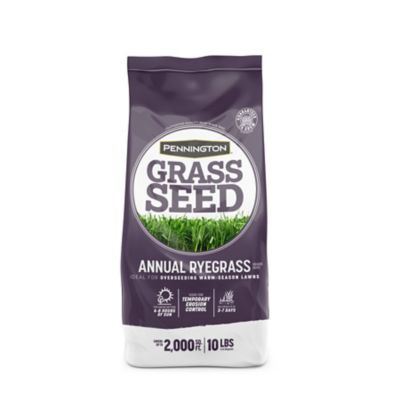
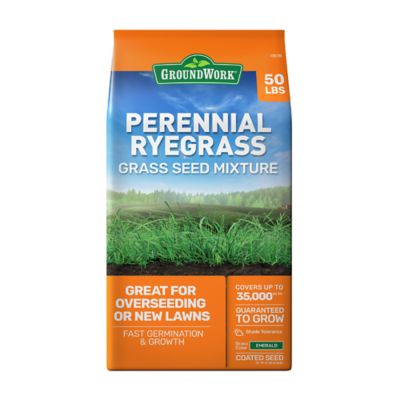
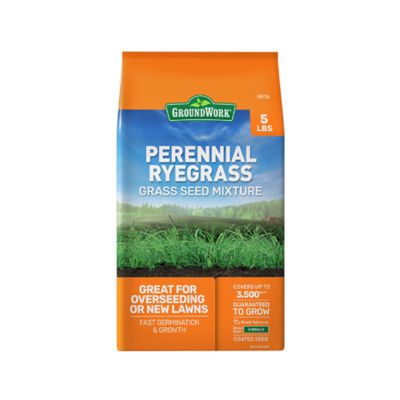
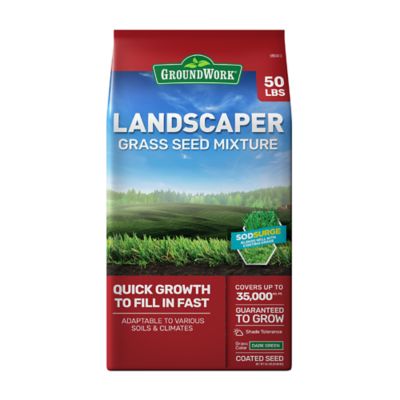
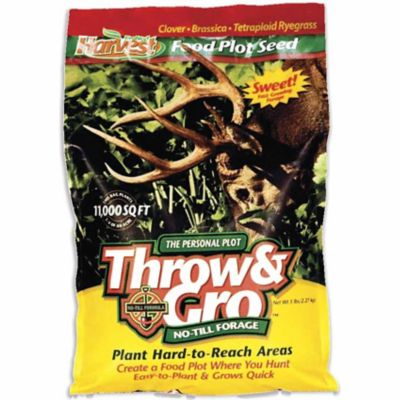
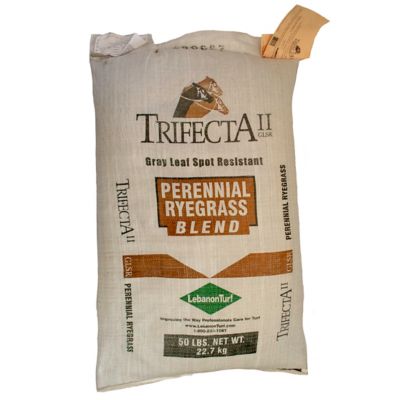
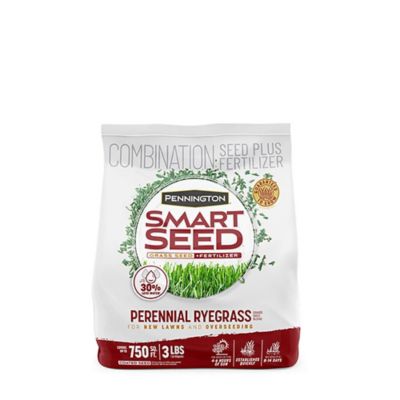
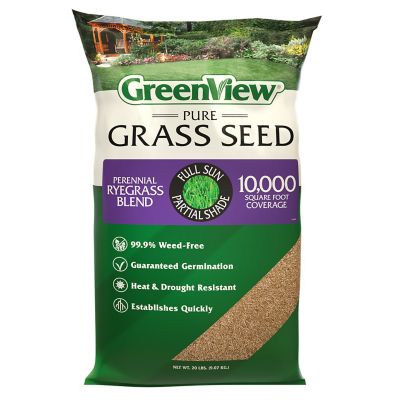
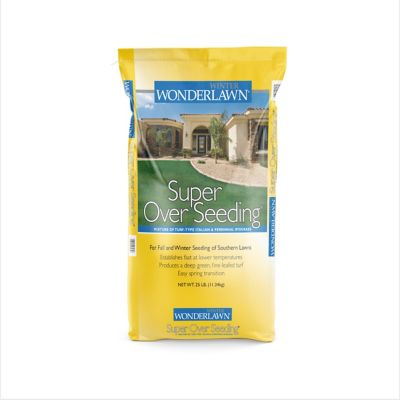
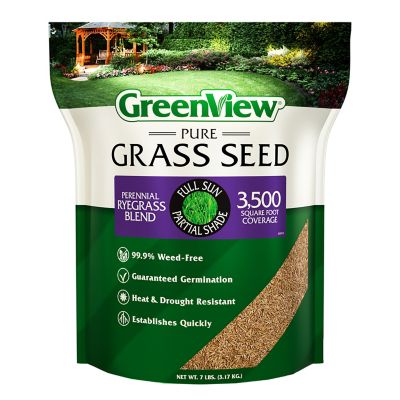
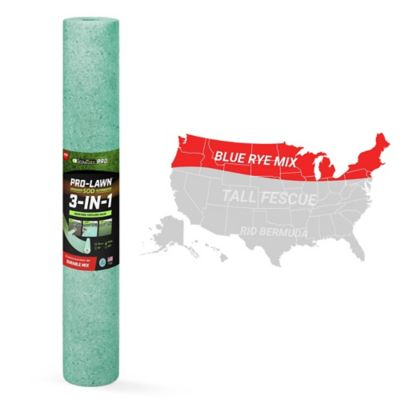
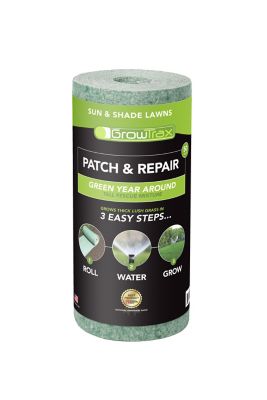
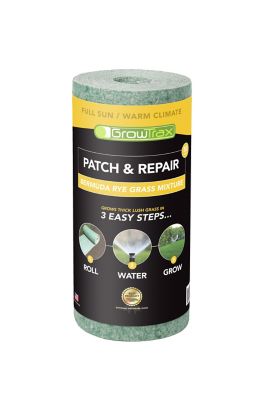
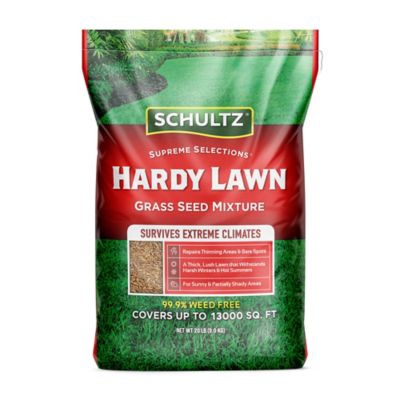
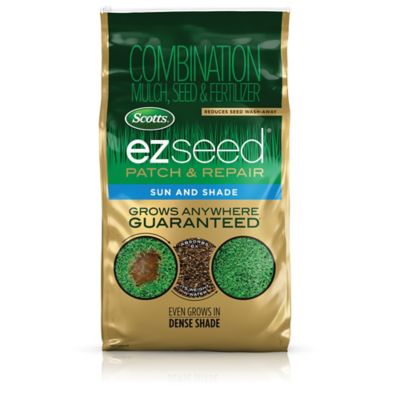
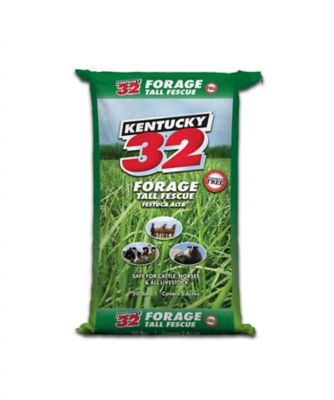
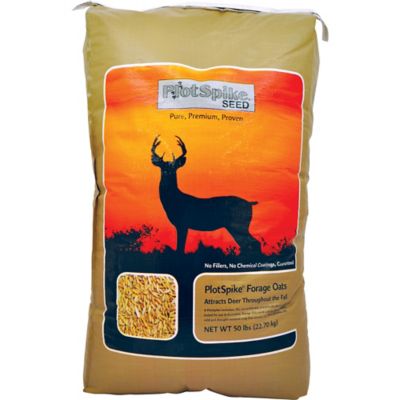
Ryegrass seeds are a practical choice for homeowners, livestock owners, property managers and anyone looking to put a quick green cover on bare ground during the cooler growing season. Ryegrass is known for fast germination, a fine-to-medium texture and good tolerance for regular foot traffic, making it useful around homes, barns, sheds, driveways and other busy areas. It can also help hold soil in place on gentle slopes, newly disturbed ground and garden edges where wind and rain might otherwise carry loose dirt away. Many people sow ryegrass in early fall while the soil still has some warmth, giving the seed a chance to sprout before colder conditions settle in. With suitable moisture, seedlings may appear in roughly three to seven days, though germination speed depends on soil temperature, seed-to-soil contact, moisture and local weather. Ryegrass generally performs best with about six to eight hours of sunlight each day, although it can handle light shade better than some other cool-season grasses. Before choosing a bag, think about how the area will be used, how much sun it receives, whether you want a temporary green cover or a lawn that can return in future seasons, and how much ground you need to seed. Measuring the space helps prevent running short or spreading too heavily, and many new lawn applications call for approximately 5 to 10 pounds of seed per 1,000 square feet. That range is a starting point rather than a substitute for the package directions, since recommended rates vary by seed type, soil condition and whether the goal is a lawn, overseeding or erosion control. For more options suited to cool-weather planting, browse
Fall Grass Seeds and compare the coverage information before making a purchase.
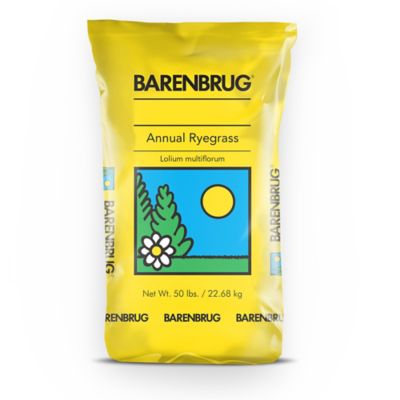
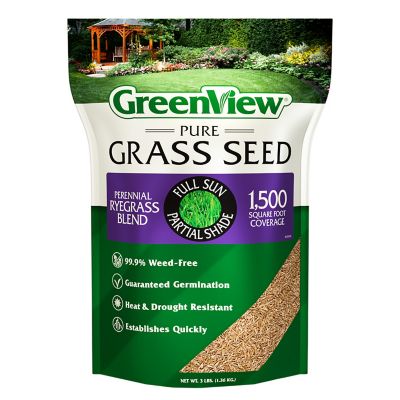
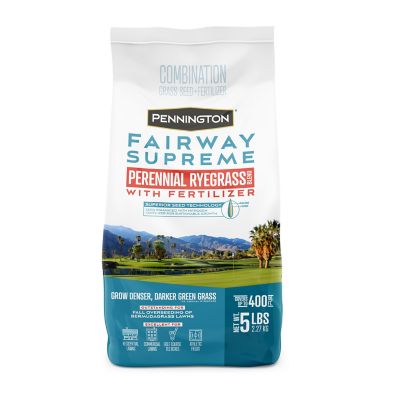
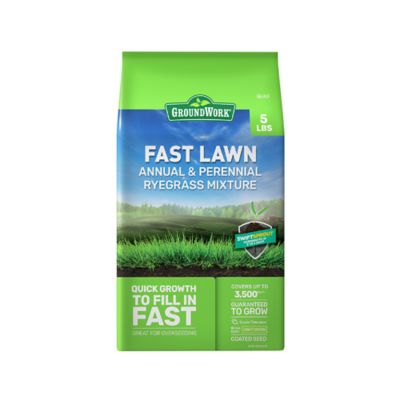
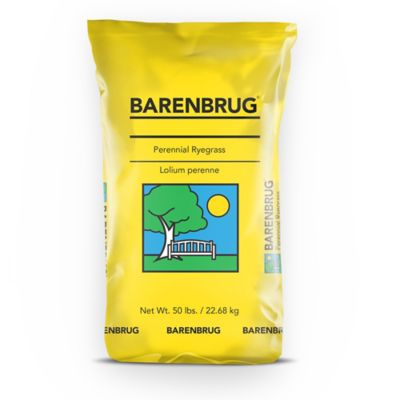
Annual ryegrass is often selected when the goal is quick, temporary coverage through fall and winter. It can fill thin spots in an existing lawn, add color to a dormant warm-season lawn or provide a short-term cover crop between other plantings. As warmer weather returns, annual ryegrass typically declines and dies back, especially when temperatures rise and competing warm-season grasses begin active growth. That seasonal habit can be helpful when a property owner wants winter protection without committing to a permanent cool-season lawn, but it also means annual seed may need to be replanted for another cool-weather season. Perennial ryegrass, by contrast, is intended to remain in place and may come back year after year in climates where summers are mild and growing conditions suit it. It forms a dense, attractive turf when established, though very hot, dry summers can be hard on perennial ryegrass. Seed blends and lawn mixes may combine ryegrass with other grass types to balance quick establishment, durability and long-term performance, so read the label closely if the planting area has a particular purpose. A small residential yard, a high-traffic path to the chicken coop and a broad pasture edge do not all need the same seed rate or grass characteristics. For larger properties, note the total square footage or acreage, then compare the stated coverage on each option. A simple sketch of the yard or a quick measurement with a tape, wheel or mapping app can make that calculation easier. If the seed is being purchased as a practical gift, it can be a thoughtful choice for a new homeowner, gardener, small-acreage landowner or someone getting a neglected yard ready for the cooler season. Pairing the seed with basic lawn or garden supplies may help the recipient put it to work, but the right choice still depends on climate, sunlight, soil and whether the recipient wants temporary color or lasting turf.
Good preparation makes a noticeable difference with ryegrass seeds. Remove sticks, stones and heavy thatch, then loosen compacted soil so the seed can settle into a shallow, receptive surface. A light raking is usually enough for an established lawn, while bare ground may need more attention to smooth uneven areas and improve contact between seed and soil. Spread the seed as evenly as possible, using a broadcast spreader for larger spaces and working in two directions at a lighter setting to reduce missed strips. Avoid burying ryegrass too deeply; a light covering of soil or a gentle pass with a rake is generally preferable to planting deep enough that emerging shoots struggle to reach daylight. Keep the surface consistently moist with short, light waterings until sprouts appear. Once the seedlings are established, watering can usually be reduced to a few deeper sessions each week, adjusted for rainfall, soil type and local restrictions. Overwatering can leave soil soggy and encourage problems, while letting new seed dry out can interrupt germination. During the cooler months, watch for foot traffic, fallen leaves and puddled areas that may smother young grass. Mow only after the new growth is tall enough to handle it, and use a sharp blade set at an appropriate height rather than cutting newly emerged seedlings too short. Soil testing can also help identify whether the planting area needs lime or fertilizer, but avoid adding amendments without knowing what the soil lacks. With sensible preparation and steady care, ryegrass can provide a quick green appearance, help protect exposed soil and make well-used ground feel more finished as the seasons change.