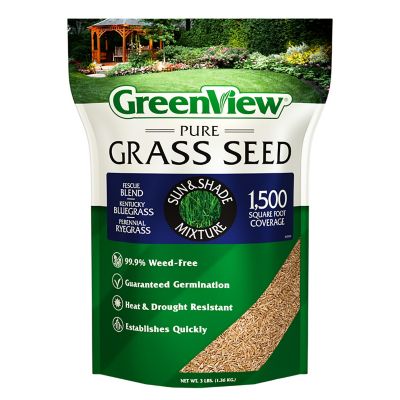
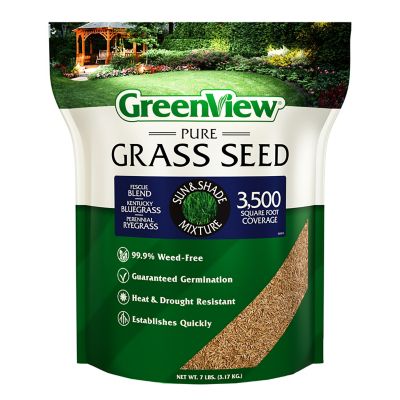
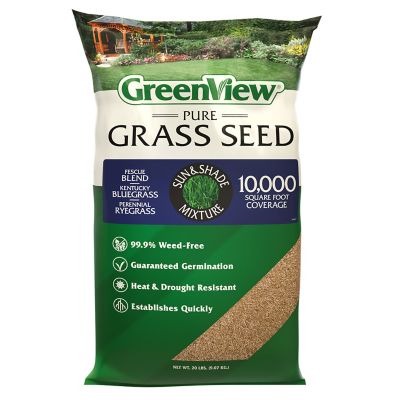
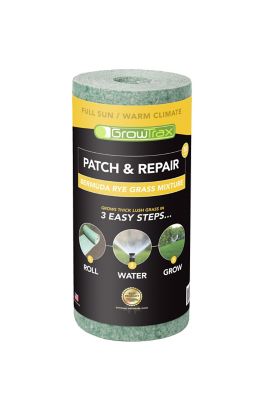
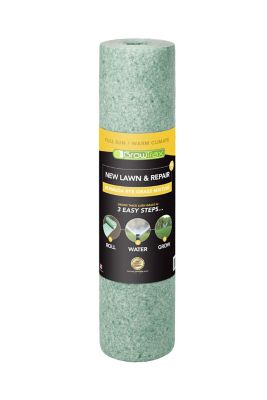
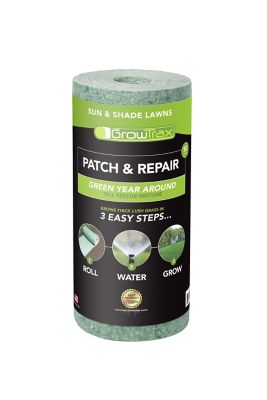
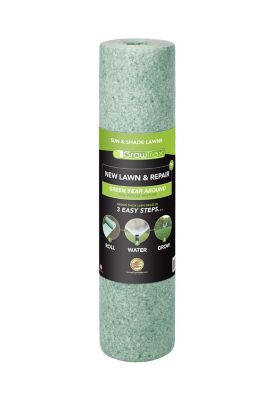
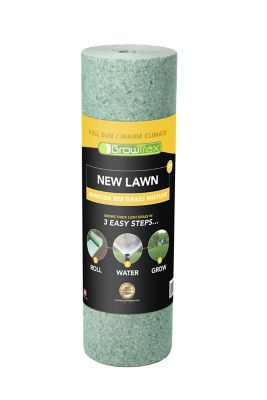
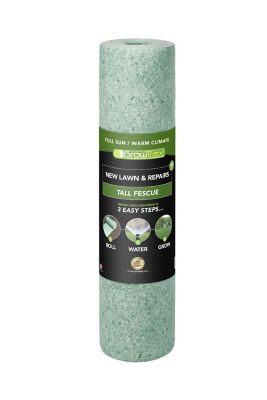
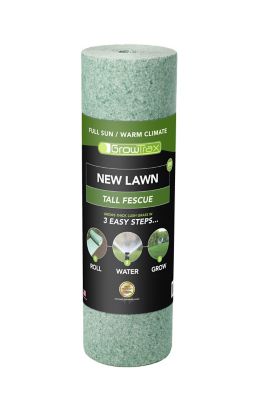
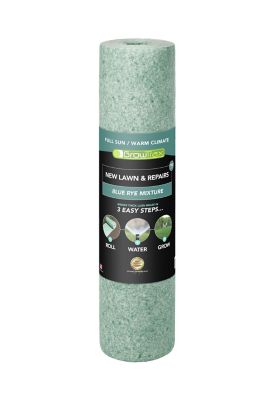
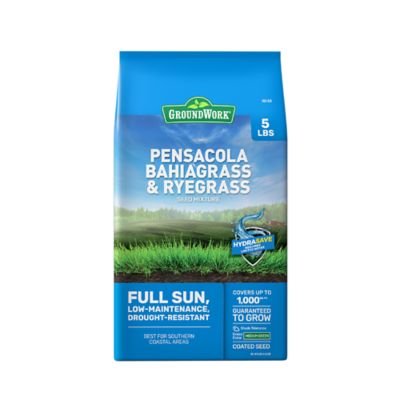
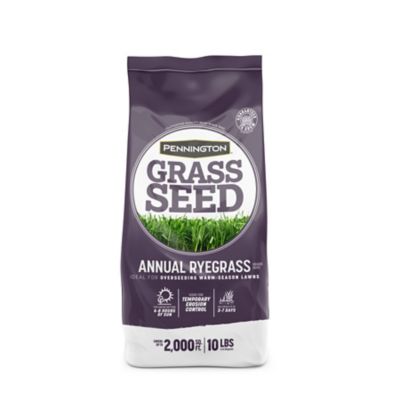
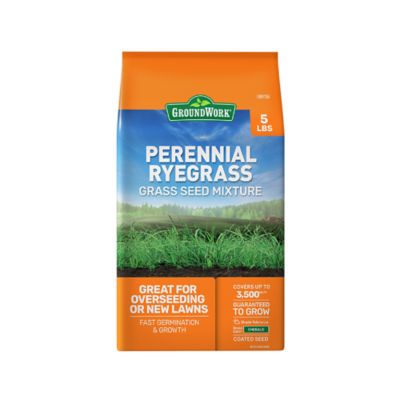
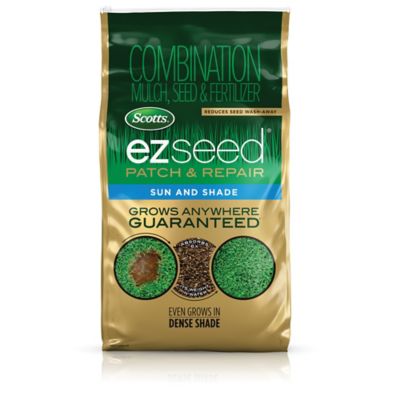
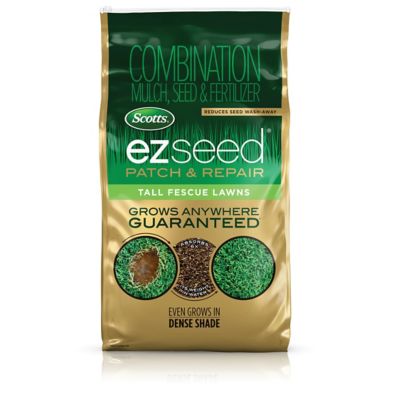
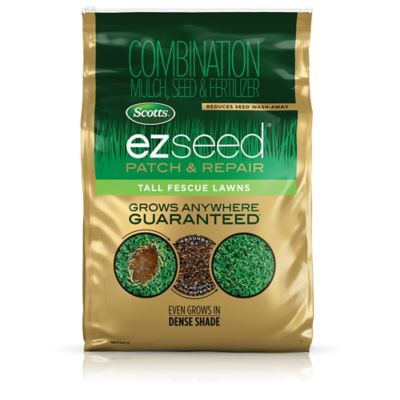
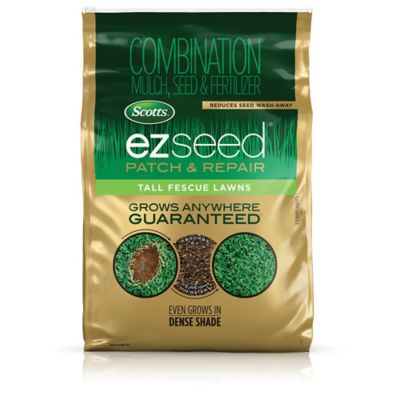
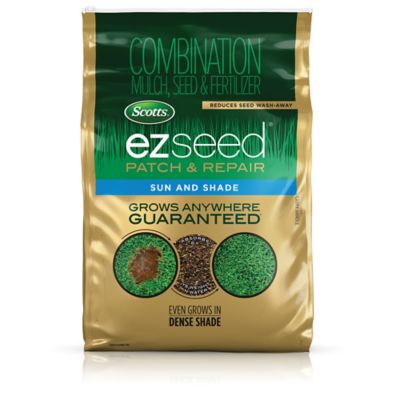
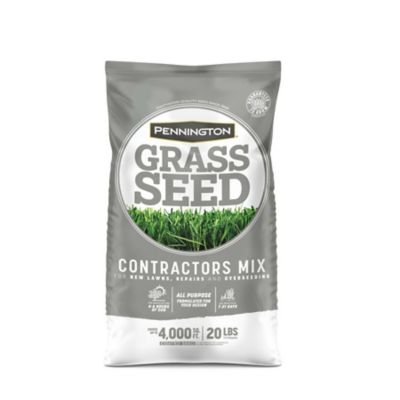
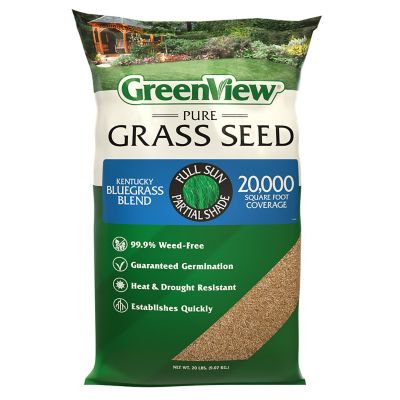
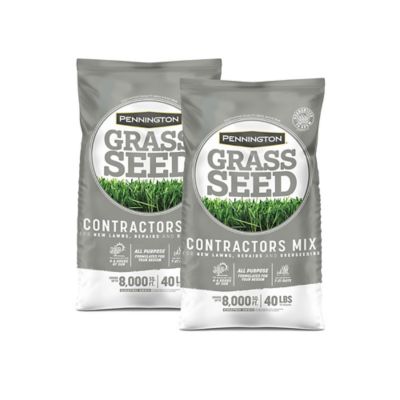
Grass seed is easier to grow when it suits the spot it’s going into and the kind of job at hand. For a few bare spots, a patch mix that combines grass seed, moisture-holding mulch and fertilizer can keep things simple. The mulch helps the soil surface hold moisture between waterings, and the fertilizer supplies nutrients for early growth. That combination makes sense for a little dirt showing by the back steps or a bare spot where the dog likes to stop. Straight grass seed gives you more say over which grasses go into the lawn and whether to add mulch or fertilizer separately. It’s often a better fit when the grass has thinned across a wide area or when the new growth needs to blend in with the rest of the yard. It helps to look at what wore out the grass in the first place. A scrape left by a dragged garden cart is a different job from the hard-packed strip where the cart rolls through the same gate every day. Seed has a better chance of taking hold if it can settle against loose soil rather than sit on top of a hard crust or a mat of dead grass. And even a mix meant for foot traffic needs time to root before boots and paws start cutting across it again. For scattered spots, a patch mix can be handy without having to measure out separate materials. For a longer stretch, such as the strip between a driveway and a fence, compare the coverage listed on the bag rather than going by weight alone. A bag of seed mixed with mulch and fertilizer includes the weight of those materials, so it won’t cover the same ground as a bag of straight seed of the same weight.
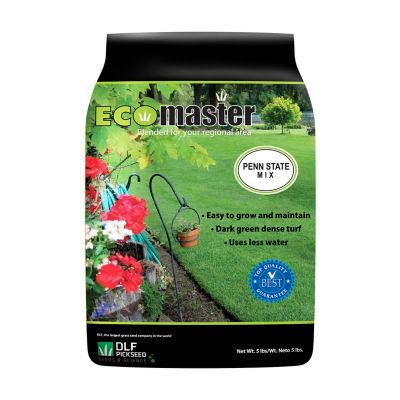
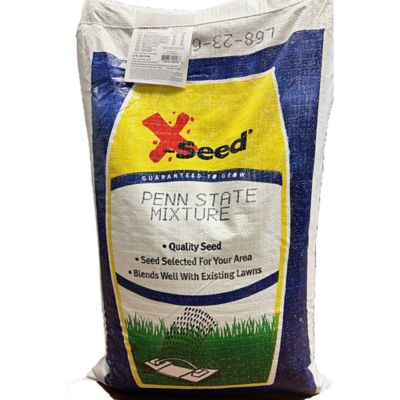
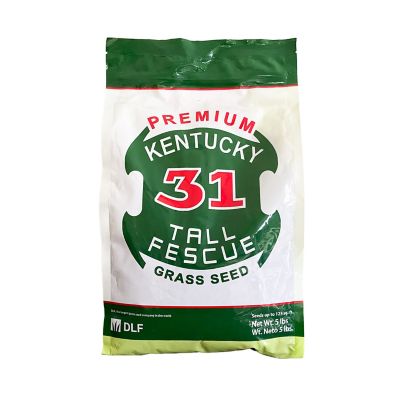
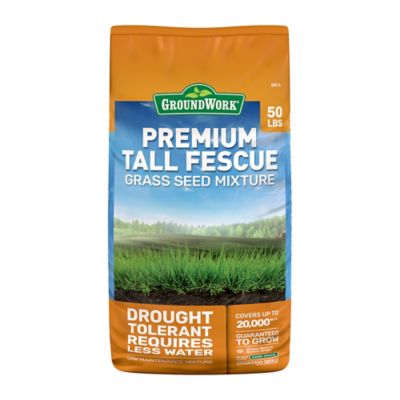
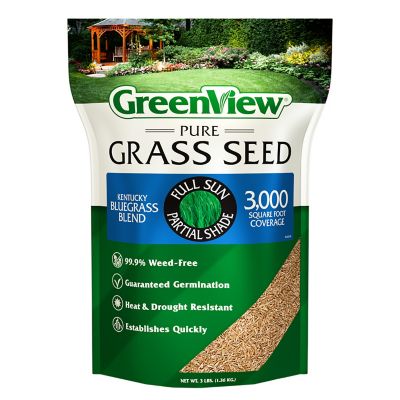
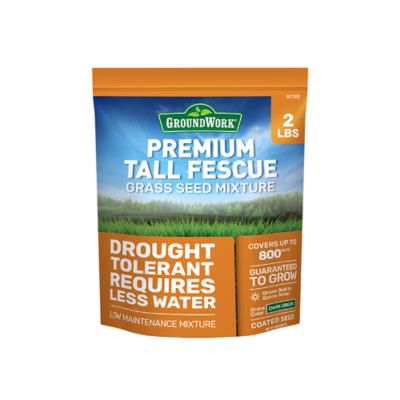
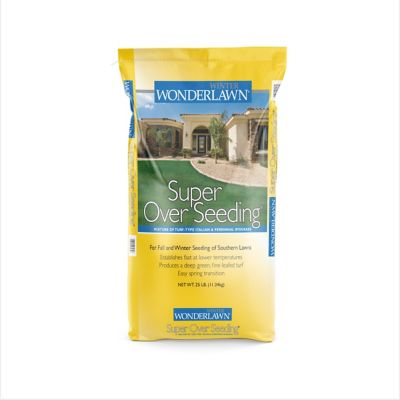
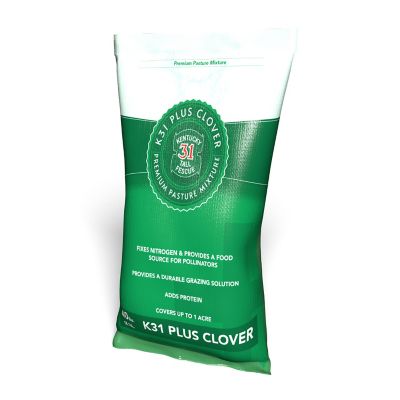
The grasses listed on the label tell you more than a broad claim about fast growth. Perennial ryegrass tends to sprout quickly, which can be helpful when you want to see green in a bare spot sooner. Fine fescues can fit lawns that get some shade, while tall fescue is often chosen for yards that see regular foot traffic. Kentucky bluegrass can take longer to come in, but once established, it can spread into small gaps. A blend combines grasses with different habits, which can make sense for a yard that’s open on one side and partly shaded on the other. It won’t make up for a spot where grass has little chance, though. Even seed sold for shade needs some light, and the ground beneath a big tree may have roots close to the surface competing for moisture. If the same spot keeps going bare under a low canopy, more seed alone may not solve it. For a repair in the middle of an established lawn, a mix close to what’s already growing can make the patch less noticeable. Blade width, color and growth habit all matter there. A coarse grass can stand out in a lawn with fine blades even after the patch fills in. In a side yard that mainly serves as a walkway to the shed, how well the grass holds up may matter more than whether every blade looks alike. The seed label is also a good place to check the grass types and their proportions, the germination percentage and any listed weed seed content. The germination figure reflects a test, not a promise that the same share will sprout in the yard. Seed-to-soil contact and steady moisture still make a difference, and the first green shoots don’t mean the grass is ready for mowing or regular traffic.
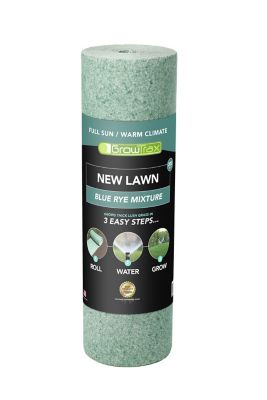
For a stretch of bare ground left after work along a fence line or a bigger area that’s never had grass,
New Lawn Seeds are worth a look. Starting from bare soil calls for more seed per square foot than overseeding, which means adding seed to grass that’s already growing. When a bag shows both coverage rates, the larger square-foot number usually applies to overseeding. That matters when a project includes both a bare strip along a new walk and a thin area farther out in the yard. The strip needs enough seed for a full stand of grass, while the thin area still has living grass between the gaps. How much ground you can comfortably water is worth considering, too. A few patches near the house are easier to keep evenly moist than a long run that reaches past the hose. Mulch in a patch mix can help hold moisture, but it doesn’t take the place of watering, and a heavy stream can move seed into little piles or wash it downhill. For coated seed, check the label for what the coating does and how much of the bag’s weight it accounts for. If the mix already contains fertilizer, that’s worth knowing before adding a separate lawn feed. Leftover seed is best kept sealed in a dry place, away from damp floors and rodents. Keeping the label with it makes it easier to match the blend if another bare spot shows up. Whether the project is a worn path from the porch to the shop or a whole yard that needs grass, the best fit comes down to what’s already growing, how much light the ground gets and how the space will be treated once the grass fills in.