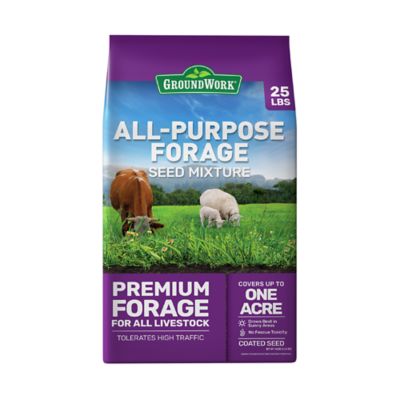
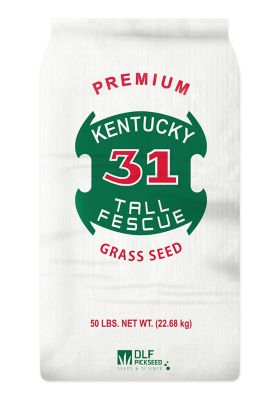
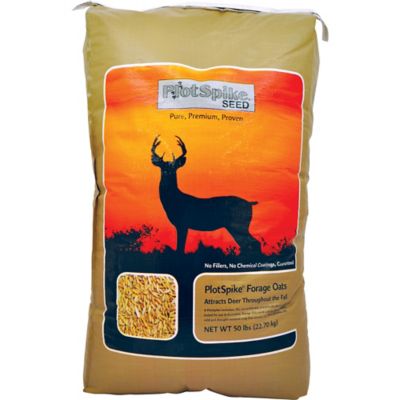
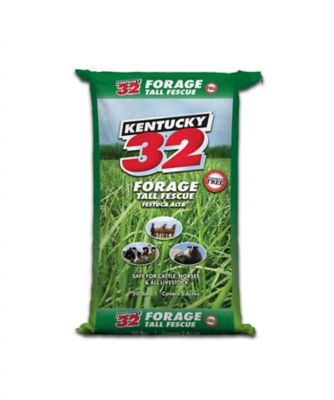
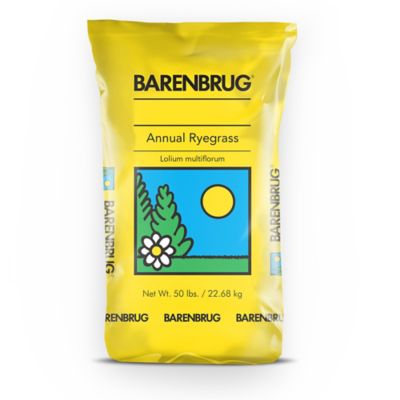
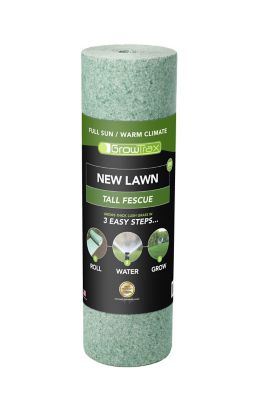
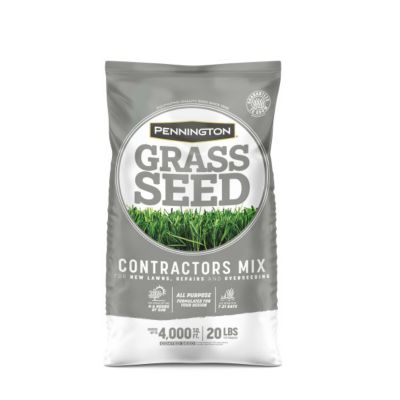
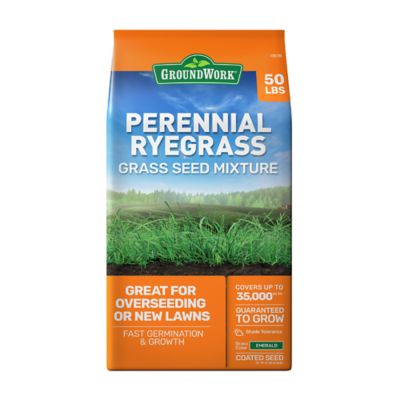
Forage grass seed helps turn open ground into useful pasture, hay ground or a dependable source of grazing for horses, cattle, sheep, goats and other livestock. The right choice starts with the conditions on your place. Look at your region, soil type, drainage, expected rainfall and whether the field can be irrigated, then match the grass to the animals that will use it. Cool-season grasses are often a practical fit for areas that need growth during cooler weather, while deep-rooted, hardy types can help handle heavy traffic, challenging winters and repeated grazing. Tall fescue is known for its durability and strong root system, orchardgrass can provide productive, palatable growth where moisture is available, and timothy is a popular choice for horse hay and mixed forage stands. If livestock will graze the field or eat hay from it, pay close attention to the variety and endophyte status, especially with tall fescue. Endophyte-free or carefully selected forage types may be preferred when animal health and performance are top priorities. Seed blends can offer broader coverage, but the grasses in the blend should have similar growth habits, soil preferences and maturity dates. Otherwise, livestock may favor one grass and leave another behind, gradually thinning the stand and making the pasture less useful over time.
Before adding a forage grass seed selection to your cart, consider how the ground will be used and how much upkeep it can receive. A field that will carry horses or cattle needs a different level of traffic tolerance than a small hay patch, temporary grazing area or newly renovated section of pasture. Check the seed tag for germination rate, purity, recommended planting window and the amount of seed needed for your acreage. Soil testing is a worthwhile step because pH and fertility have a direct effect on establishment; lime and fertilizer decisions are easier to make when they are based on an actual test rather than a guess. Good seed-to-soil contact matters, too. Prepare a reasonably firm seedbed, remove heavy thatch and avoid burying small forage seeds too deeply. Many small-seeded grasses establish best when planted at a shallow depth of one-half inch or less, with the exact setting adjusted for soil texture and the seed’s recommendations. During the warmer-to-cooler transition, moisture can be uneven, so keep newly seeded ground from drying out if irrigation is available and avoid disturbing it with livestock before roots are well established. For properties that need a seasonal planting suited to cooler growing conditions, browse
Fall Grass Seeds for additional options. A little patience during establishment can pay off later, when a thick stand protects soil, supports grazing and produces more consistent forage.
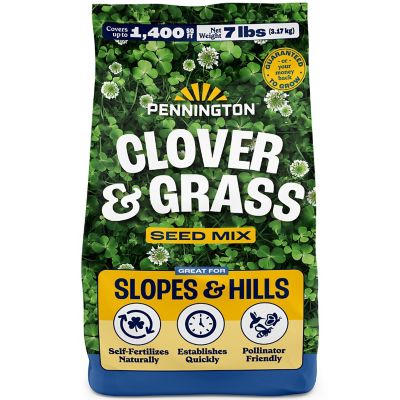
Many landowners use forage grass seed to repair thin spots, improve an older pasture, establish a hay field or create a more dependable feed source near the barn. It can also be useful for small farms, homesteads, wildlife areas and acreage owners who want to make better use of ground that has been sitting bare. Where suitable for the climate and livestock, grasses may be combined with legumes such as clover or alfalfa to increase protein and help add nitrogen to the soil, though the species should be chosen with compatible growth patterns and management needs. Keep the intended harvest in mind: hay ground may call for a productive, palatable grass that cures well, while a grazing pasture benefits from plants that tolerate repeated bites and hoof traffic. During the cooler months, established forage can help reduce mud and erosion while giving animals a cleaner, more comfortable place to feed, but no seed can replace proper rotational grazing, adequate rest periods and sensible stocking rates. Seed is generally a practical gift for a new landowner, horse owner or small-scale farmer, particularly when paired with a soil test, spreader or other pasture-care supplies. Whether you are filling in a worn lane, planning next season’s hay or building a long-term grazing stand, choosing seed by climate, livestock needs and field conditions gives the planting a better chance to settle in and serve your operation for years.