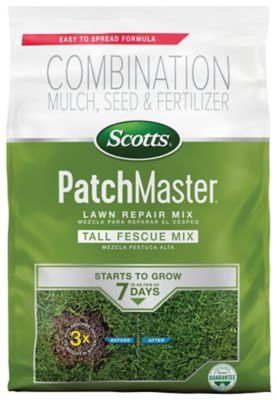
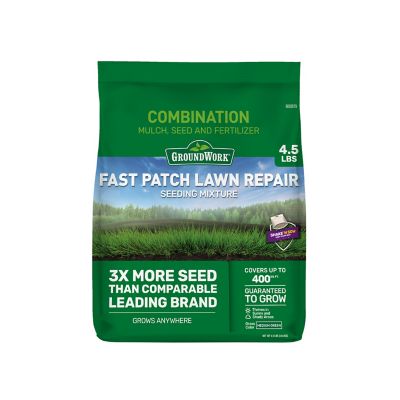
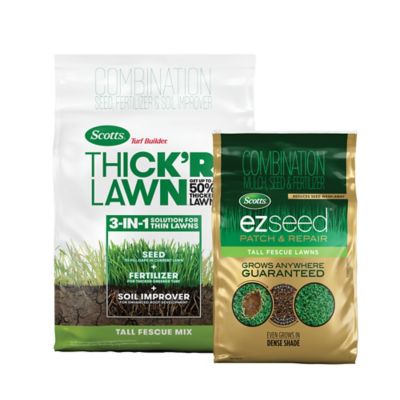
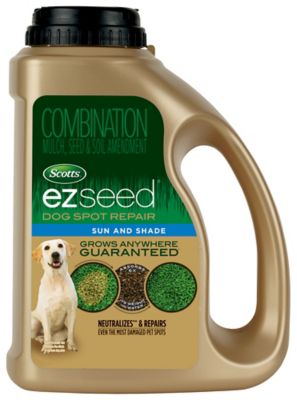
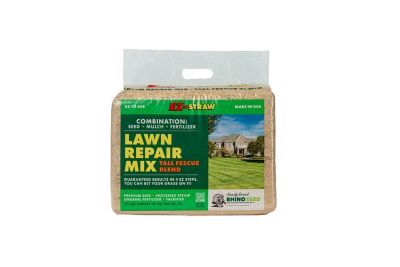
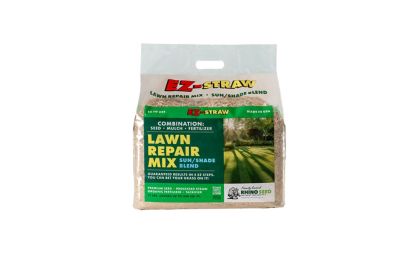
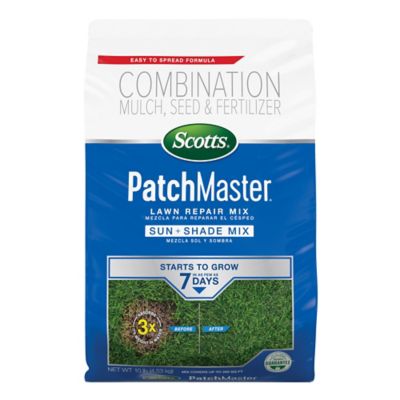
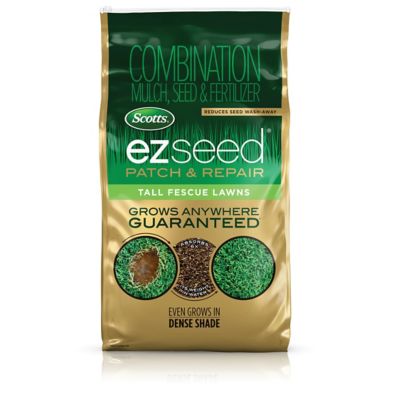
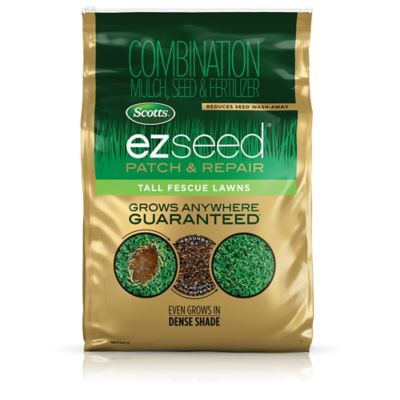
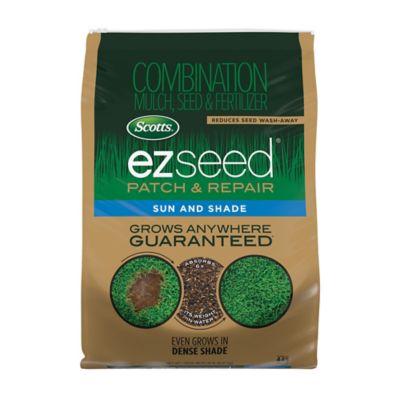
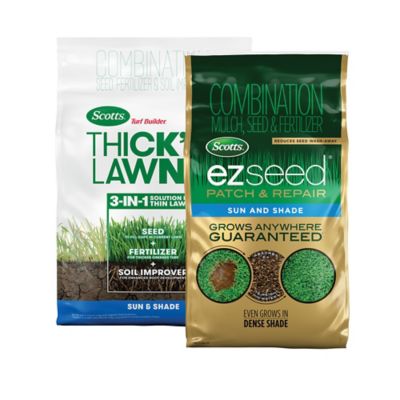
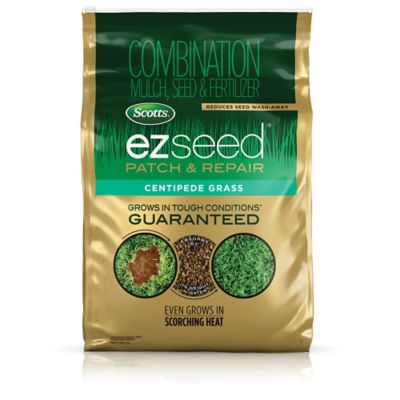
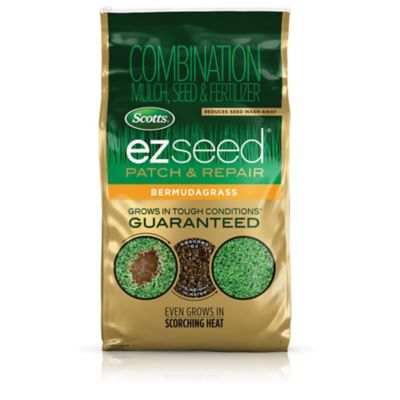
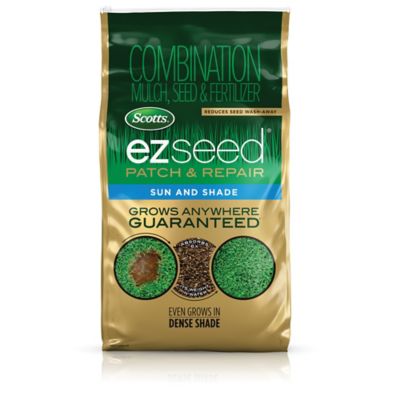
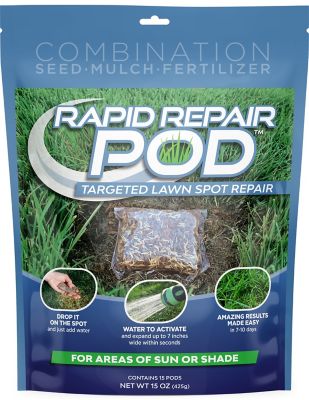
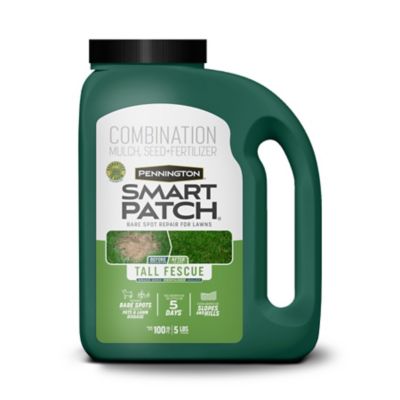
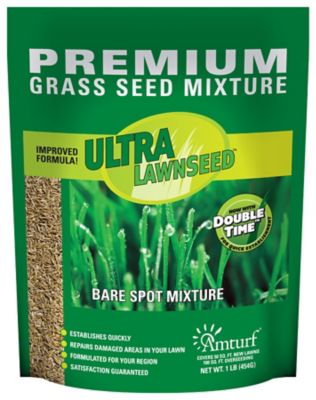
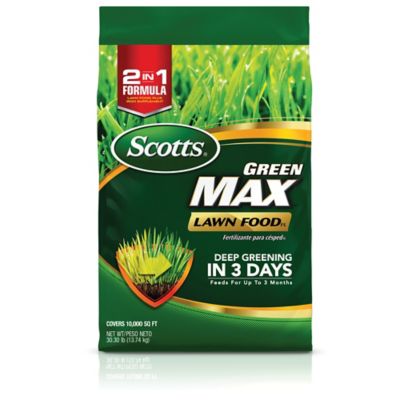
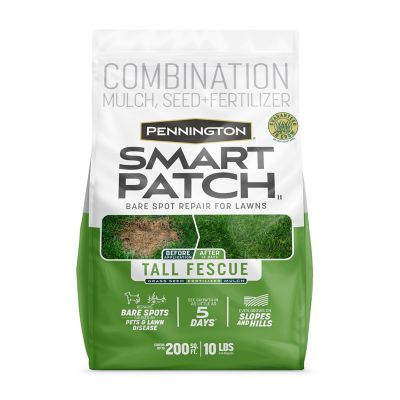
Grass repair kits bring together materials that help fill bare spots and thicken sparse patches in an established lawn. Many combine grass seed, fertilizer and a moisture-holding mulch, while others package those components separately or include a soil amendment. The seed supplies new growth, the fertilizer supports establishment according to its nutrient formula, and the mulch helps keep moisture near the seed. That combination makes these kits a practical choice for scattered trouble spots rather than a complete lawn renovation. Think of the worn strip beside a backyard gate, the thin grass around a mailbox or the patch left after moving a dog kennel. Homeowners, property caretakers and folks tending a yard around a farmhouse can match a repair mix to the size and demands of those areas. The best fit starts with the grass already growing nearby. Tall fescue, perennial ryegrass, Kentucky bluegrass and bermudagrass differ in blade texture, growth habit, mowing needs and tolerance for foot traffic. A mix suited to the surrounding turf has a better chance of blending in than seed chosen only for fast sprouting. Light exposure matters, too: a sunny stretch beside a driveway and a shaded area under trees may need different seed blends. Even a shade-tolerant mix needs enough light to grow, so deep shade can limit what a repair kit can accomplish. Pet spots, compacted pathways and thin turf along a fence also call for a little attention to the cause of the damage. Seed alone cannot solve repeated digging, standing water or a shortcut that gets walked across every day. For those spots, a repair kit works best alongside a change that gives new grass room to take hold. Matching the repair material to both the lawn and the source of wear helps keep the finished patch from standing out or wearing away again.
The materials inside grass repair kits affect how they handle and how much attention a patch needs after application. Mulch may contain processed wood fiber, paper fiber, coconut coir or other plant-based material that absorbs water and helps cover exposed soil. Some formulas include a binding agent, often called a tackifier, to help hold the mixture in place; that does not make the patch immune to runoff or disturbance. Others include coated seed or moisture indicators that make it easier to see where material has been spread or when the surface is drying. Those features vary by formula, so the package description matters more than the appearance of the mix alone. Fertilizer content varies as well. A starter fertilizer supplies nutrients for establishment, but an included fertilizer does not mean a patch needs additional feeding on top of it. Following the labeled rate helps avoid excessive application, and a soil test can shed light on nutrient or pH issues behind stubborn bare spots. Coverage deserves a close look because the weight of an all-in-one mix includes mulch and other ingredients, not just grass seed. Bare-ground repair and overseeding thin turf can have different application rates, even within the same package. Measuring the actual repair area gives a more useful comparison than judging by bag size. Seed-to-soil contact is another important consideration: loose leaves, thick dead grass and hard-packed ground can keep seed from settling where roots can develop. A repair blend is not a replacement for topsoil where a rut or hole needs filling, and piling mulch too deeply can interfere with establishment. For a small patch near a porch, a pourable mix may be easy to control by hand. Several scattered patches may call for a format that is easier to measure and carry between areas. On an incline, mulch with a binding agent can help, but the slope and any concentrated water flow still affect how well the material stays put.
Water access and everyday yard activity are worth considering before choosing a grass repair kit. Newly seeded patches generally need consistent surface moisture through germination, followed by watering suited to root development and the grass species. A moisture-holding mulch can help between waterings, but it does not eliminate the need to check the soil. A patch near a hose connection is easier to tend than one beyond the reach of the regular watering setup. Sprouting time also varies among grasses, and the first green blades do not mean the area is ready for boots, mower wheels or a game of fetch. A temporary barrier around a gate-side patch can give seedlings a chance while keeping people and pets on another route. Mowing should wait until the new grass meets the height and establishment guidance for that seed, with sharp blades and gentle turns helping limit disturbance. Product labels also explain any restrictions involving pets, children, fertilizer and treated seed; a lawn repair mix should not be assumed suitable for grazing areas or animal feed plots. Weed-control history matters because some herbicides can interfere with seed germination, while newly established grass may need time before certain lawn treatments are appropriate. Where seed is not the preferred approach,
Grass Plugs offer a different starting point: small rooted sections of turf that spread into surrounding space when matched to suitable growing conditions. Seed-based kits remain useful for filling irregular gaps and working around existing blades without replacing an entire section of lawn. After a repair, leftover material belongs in its original, tightly closed package in a dry location away from children and animals, with the label kept for application and storage directions. A thoughtful match between seed type, repair area and the care the spot can receive makes these kits a practical part of keeping a working yard looking well tended.