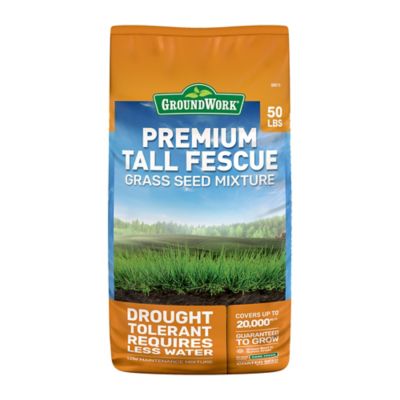
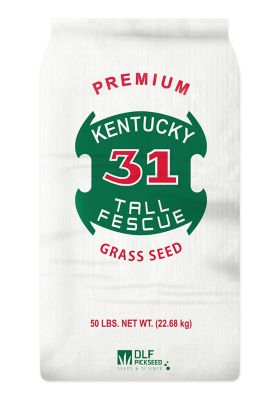
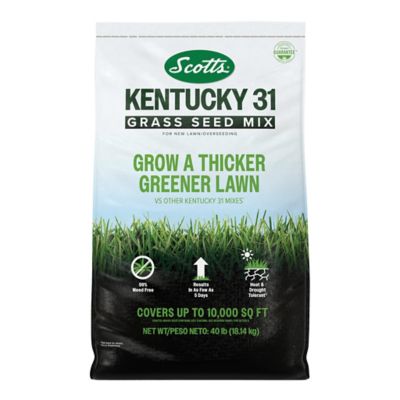
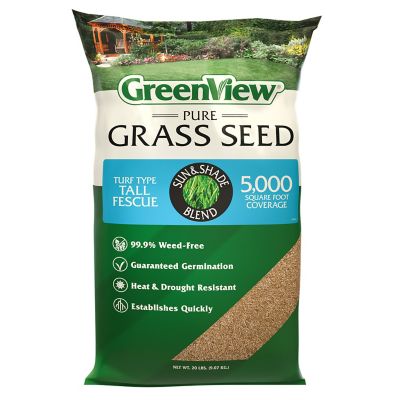
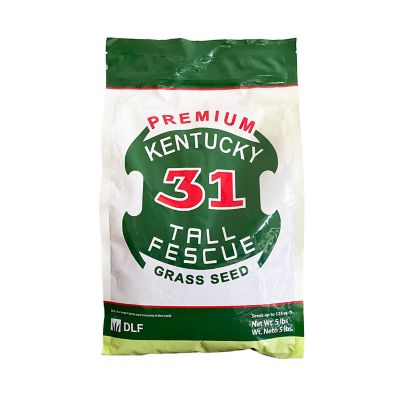
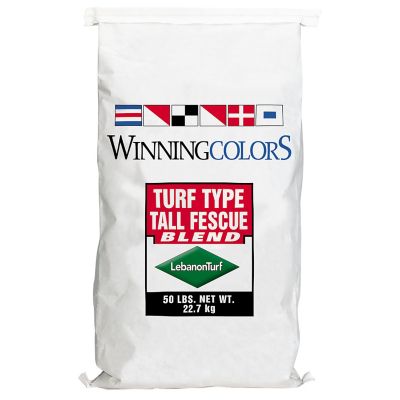
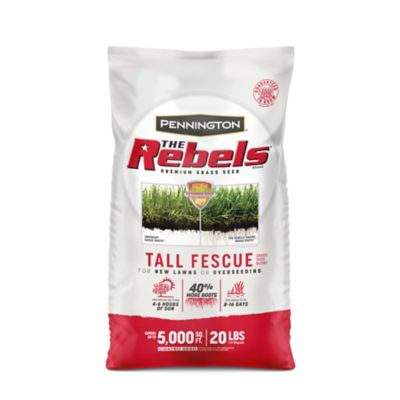
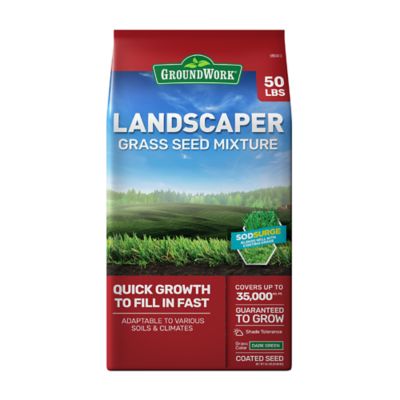
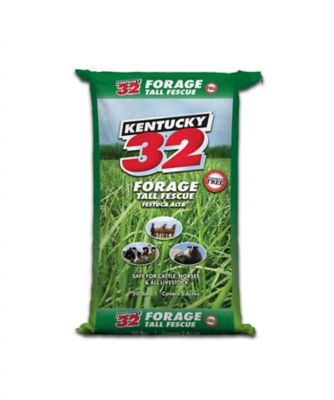
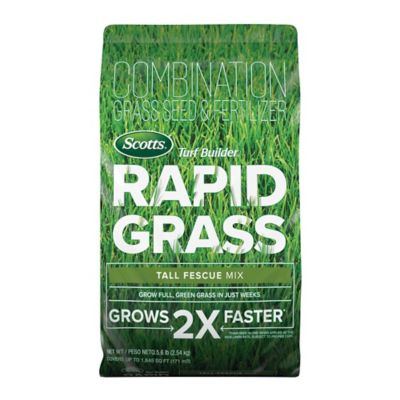
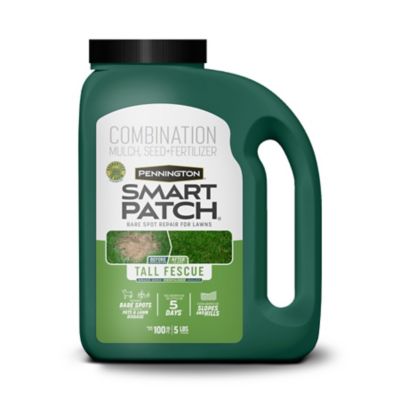
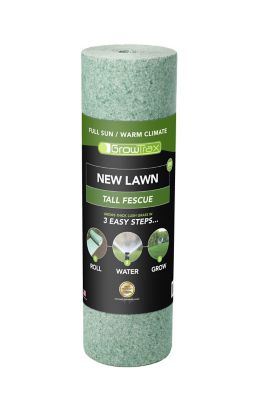
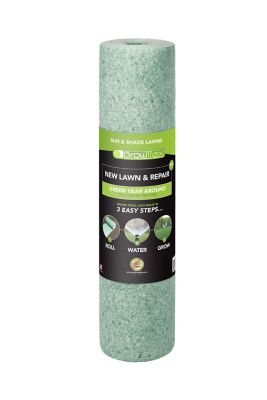
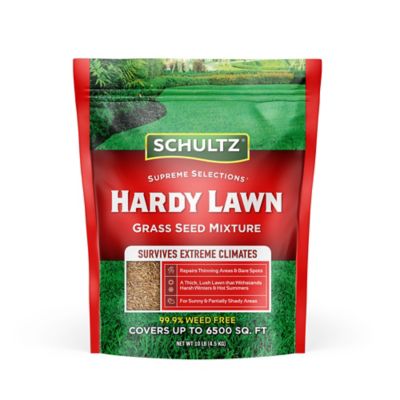
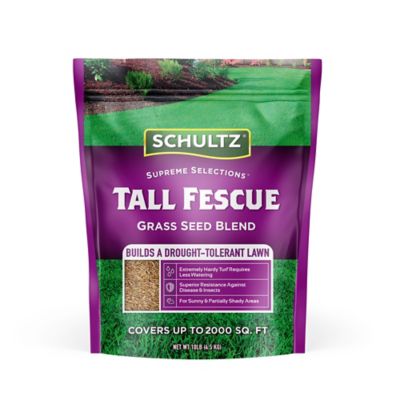
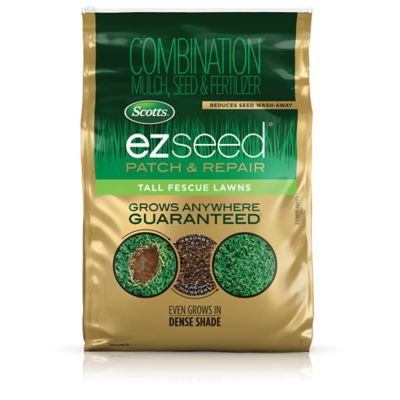
Fescue grass seeds are a dependable choice for many cool-season lawns, especially where you want a durable, green stand of grass that can handle changing weather and everyday use. Tall fescue is known for deep roots, good drought tolerance, and a coarse-to-medium blade that holds up well in yards used by kids, pets, and family gatherings. Fine fescues have narrower blades and a softer, more delicate appearance, making them useful in shaded areas or in blends designed for a refined lawn. Turf-type tall fescue varieties are often selected for their improved color, denser growth, and better lawn texture, while blends can combine the strengths of several grasses across a yard with mixed sun, shade, soil, and traffic conditions. When comparing bags of fescue seed, look beyond the picture on the front and check the seed label for the grass types included, pure seed percentage, germination rate, weed seed content, coating, and recommended coverage. A larger bag is not always the better value if it contains a lower percentage of viable seed or is not suited to the conditions where it will be planted. Consider your region, the amount of sunlight the area receives, how much foot traffic the lawn gets, and whether you are filling bare ground or thickening an established lawn. Fescue is also a practical choice for homeowners who want a lawn that does not need constant pampering. It can stay attractive through cooler weather and may recover well from ordinary wear when the soil is prepared properly and the seed is kept moist during establishment. For a different cool-season grass with its own texture and growth habits, shoppers may also want to compare
Ryegrass Seeds before choosing what fits their property.
For the best start, fescue is generally planted in early fall or spring when soil temperatures are around 55°F to 65°F. The cooler growing season gives new grass time to build roots before facing the stress of hot, dry weather, and broad fall-to-winter conditions can be especially useful for overseeding in many regions. If the ground is still warm enough for germination and the forecast allows steady moisture, seed can get established before colder conditions slow growth. Avoid scattering seed over hard, matted turf and hoping the rain will do the rest. Mow the existing lawn a little shorter than usual, rake away leaves and thatch, loosen the top layer of soil, and smooth out low spots where water may collect. Bare soil gives the seed better contact and helps roots settle in. For a new lawn, a common starting rate is about 8 pounds of seed per 1,000 square feet, while overseeding an existing lawn often takes roughly 2 to 4 pounds per 1,000 square feet. Rates vary by the seed blend and the condition of the ground, so the package directions should be treated as the final word. Spread the seed in two directions for more even coverage, then lightly rake or roll it so the seed rests against the soil without being buried deeply. Fescue seed usually needs light, frequent watering during germination. Keep the upper layer of soil consistently moist with gentle daily watering, taking care not to wash seed into piles or create muddy channels. In favorable conditions, sprouts may appear in about 7 to 14 days, though cool temperatures, compacted soil, limited sunlight, or uneven moisture can extend that window. Once the new grass reaches roughly 2 inches tall, gradually reduce watering frequency while increasing the amount of water applied at each session. That encourages roots to grow deeper instead of staying near the surface. A light first mowing can be made when the seedlings are tall enough to cut without pulling, using a sharp mower blade and removing no more than one-third of the grass height.
Fescue seed can be useful for a wide range of properties, from a small home lawn and a shady side yard to larger rural lots, cabin grounds, and areas that need a fresh stand of grass after construction or seasonal wear. It is a sensible pick for someone repairing thin patches around a driveway, refreshing a play area, or improving the look of a yard before cooler weather settles in. Homeowners in transition may appreciate a bag of quality grass seed as a practical housewarming gift, particularly when paired with basic lawn-care supplies, though the right choice depends on the recipient’s region and growing conditions. Keep unused seed sealed in a cool, dry place away from moisture, rodents, and sharp temperature swings so it remains ready for another repair job. Once the seed is down, protect the area from heavy traffic while roots are developing, and clear fallen leaves gently so young grass can continue to receive air and light. During the cooler months, growth may slow or pause, and that is normal; the important work is happening below the surface as roots establish. As weather warms, look for thin spots, bare patches, or signs of runoff and address them with light overseeding when conditions are suitable. Fescue performs best when matched to the site rather than forced into a poor fit, so pay close attention to shade, drainage, soil quality, and local growing patterns. With the right seed rate, good soil contact, steady moisture, and a little patience, a handful of seed can turn tired ground into a thicker, more useful lawn that feels good under boots, bare feet, and backyard chairs.