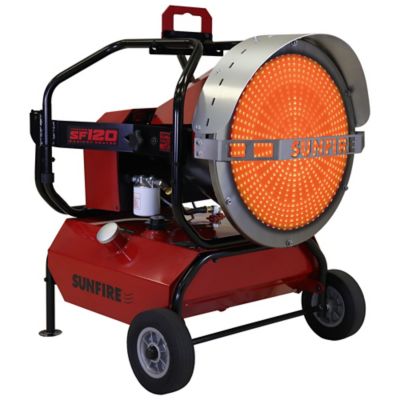
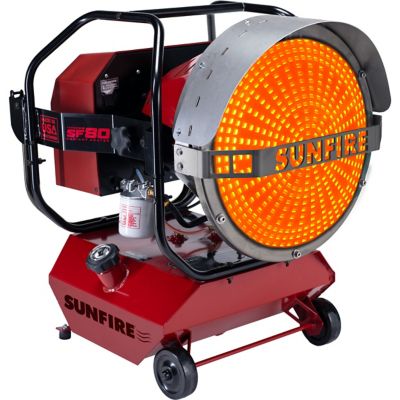
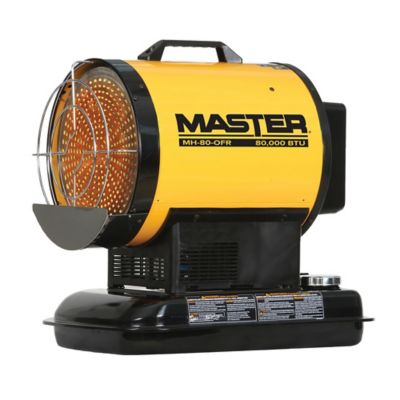
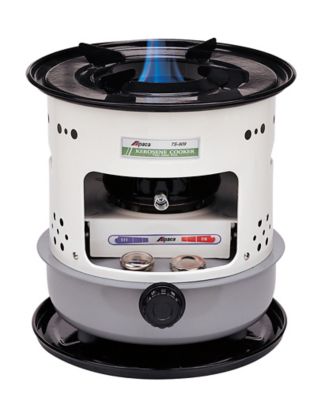
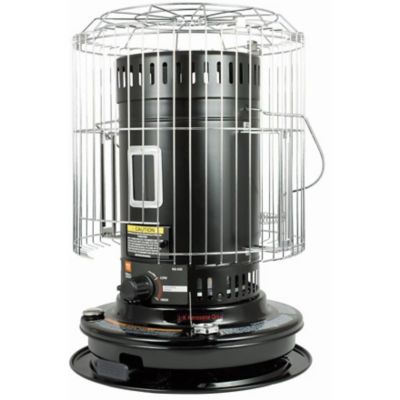
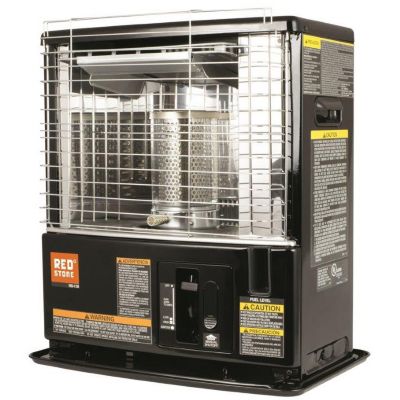
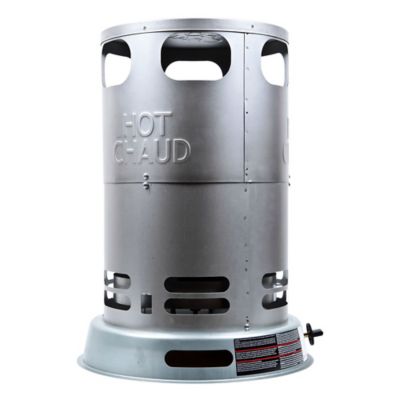
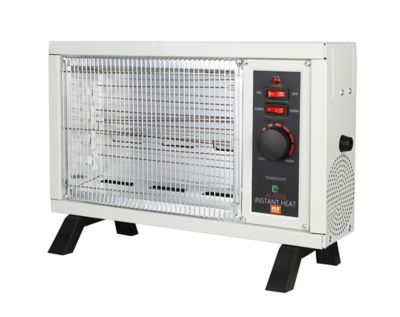
An electric kerosene heater burns kerosene to make heat. The electrical part, depending on the design, runs an igniter, a fan, a thermostat, or other controls. That distinction matters when there’s a grounded outlet by the workbench but no power where a project needs doing, or when the heater is meant to provide backup warmth during an outage. A portable wick heater may need batteries to light the wick but no wall power to keep it burning. A plug-in forced-air kerosene heater needs electricity as well as fuel because its motor and fan are part of how it operates. A radiant wick heater sends warmth toward people and surfaces in its path, much like the warmth felt on one side of a workbench when the heater is nearby. A convection-style wick heater warms the air around it, letting that air circulate without a powered fan. Either style can make more sense than a blower where fan noise would get in the way of a conversation or make it harder to hear what a piece of equipment is doing. For a spot without wall power, look for a model that specifically lists operation without an outlet, and check what powers the ignition. The fact that a heater burns kerosene doesn’t mean it will run when the power goes out. The intended location matters just as much: portable describes how a heater can be moved, not where it can be run. A heater rated for a ventilated work area doesn’t automatically belong in a living room, and any indoor operation calls for a model specifically listed for that setting and ventilation that meets its manual and local requirements.
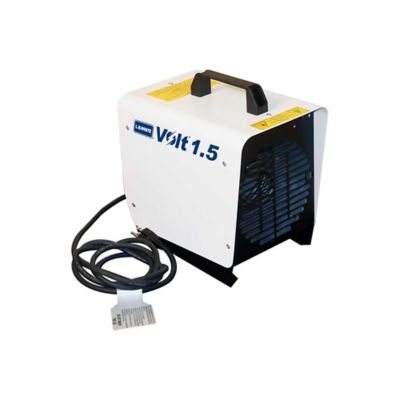
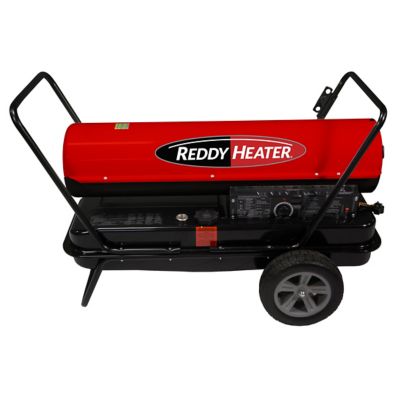
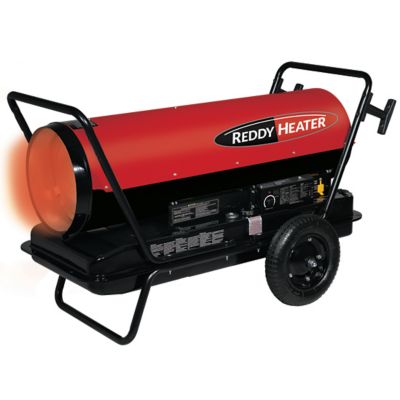
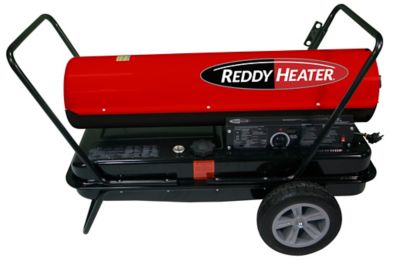
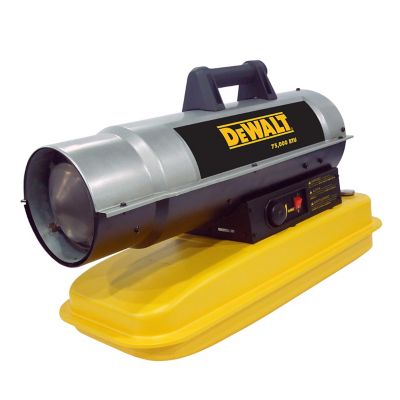
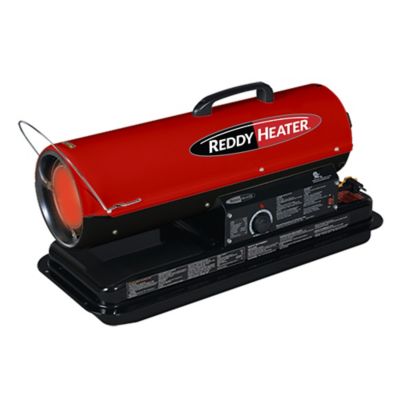
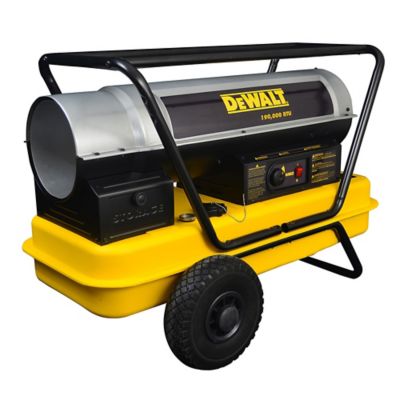
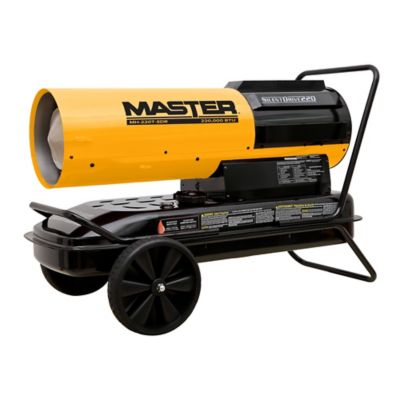
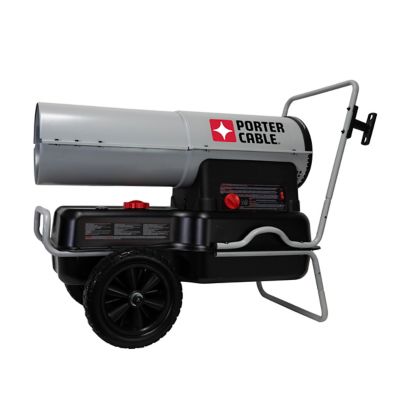
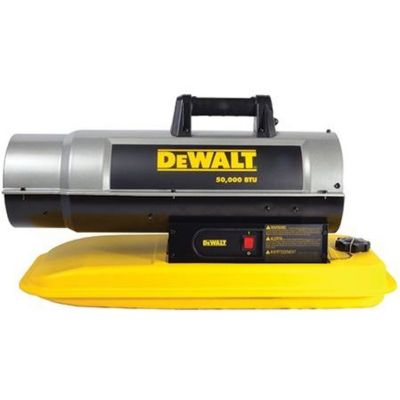
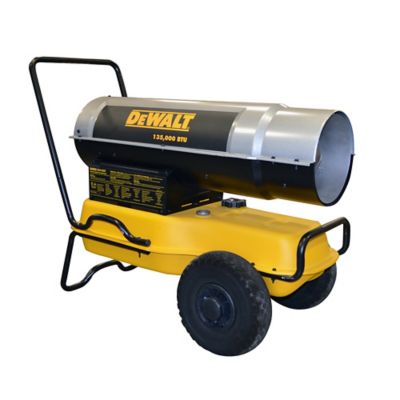
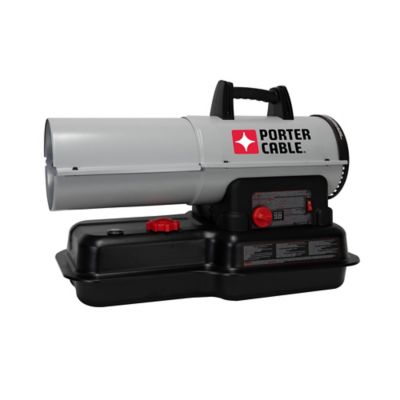
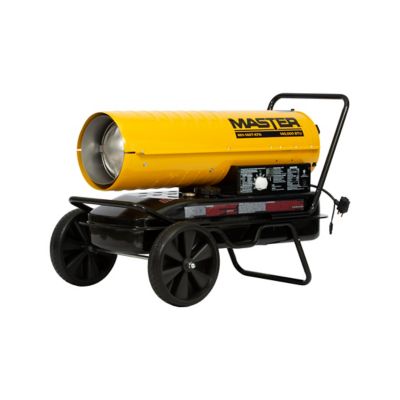
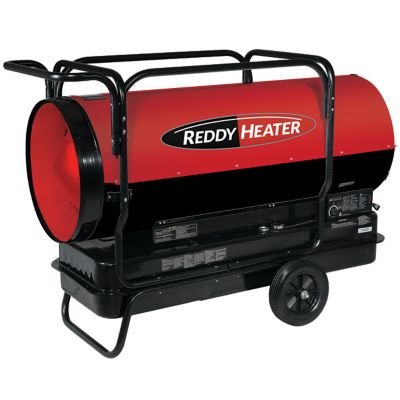
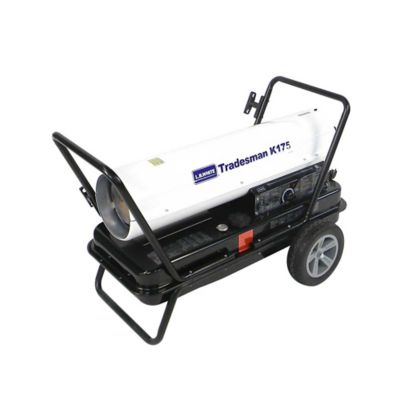
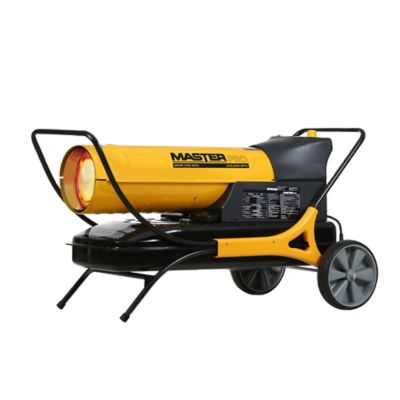
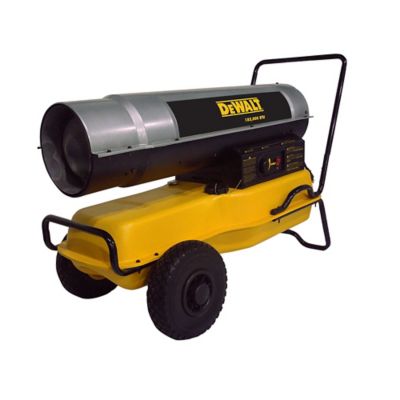
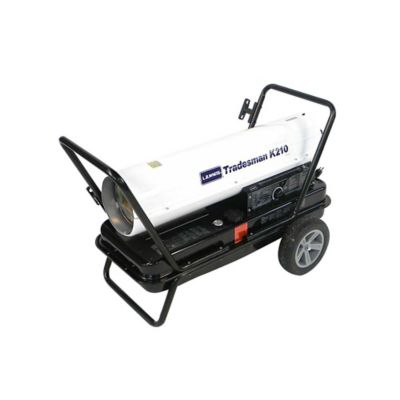
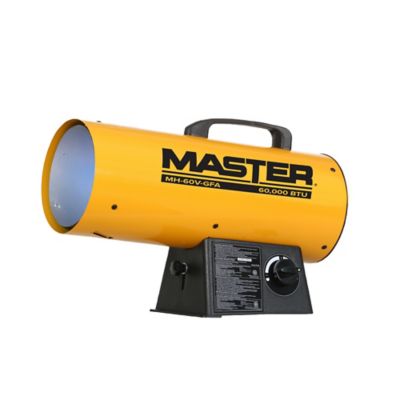
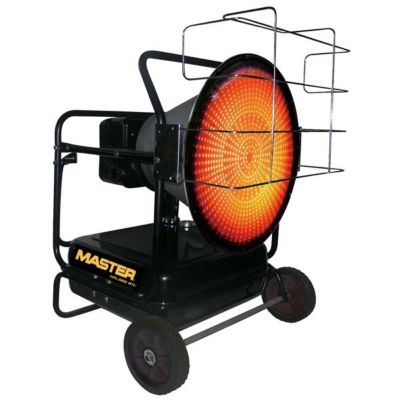
Forced Air Kerosene Heaters are a fit for approved, well-ventilated work areas where heat needs to reach farther than the space right around the heater. Often called torpedo heaters because of the shape of the housing, they draw air in and push heated air out in a directed stream. That can come in handy on a cold job site where several people are working along a row of benches rather than staying in one spot. Many plug-in models marked 115 volts are designed for a standard grounded 120-volt circuit, but the nameplate and manual give the actual power and cord requirements. Heat output is listed in BTUs per hour. Forced-air models often start around 50,000 BTUs per hour, with larger units rated at 80,000 BTUs per hour or more. The biggest number isn’t always the best fit. A tall ceiling, a drafty overhead door, and bare walls can make two work areas with the same floor space feel entirely different. Airflow direction matters too: a heater that fits neatly at the end of a bay still needs room at the intake and an unobstructed path at the outlet, along with the clearances specified for the model. For equipment that gets moved from one work area to another, a steel housing, a stable base, and a handle or wheel kit can matter as much as the output rating. Compare the footprint with the space the heater needs around it, not just the spot where its feet will sit. Tank size also affects how much the heater weighs when filled and how often it needs refueling. A built-in thermostat can be handy for a work area that doesn’t need full output all day, while a fanless design may be a better match for a smaller approved space where the warmth is needed in one place.
Fuel and upkeep are worth a look before settling on a style. Many wick heaters specify clear 1-K kerosene, while some forced-air models allow additional fuels. The fuel label and manual are the deciding word; a heater marked for kerosene alone shouldn’t be filled with diesel, and gasoline never belongs in a kerosene heater. The parts that need regular attention differ with the design. On a wick heater, the condition of the wick can affect how easily it lights and how steadily it burns. On a forced-air model, a clean air intake and any filters maintained on the schedule in the manual help keep air moving. Accessible service parts are worth considering when a heater will see regular work rather than an occasional cold morning. Before putting it away, follow the manual’s directions for tank care and fuel storage, and let the unit cool completely before cleaning or refueling it. Refuel outdoors with an approved container. Because these heaters burn fuel, their placement calls for more than finding a patch of open floor. A clear bay in a shop isn’t a suitable spot if gasoline vapors, solvents, or combustible dust may be present. An open door by itself doesn’t make an unapproved location safe, and a carbon monoxide alarm is no substitute for the required ventilation. Keep the heater on a stable, level surface with the specified clearance from walls, stored materials, and foot traffic, and never leave it running unattended or while anyone is sleeping. The best fit comes down to three things: where the heater can safely run, what power and fuel it needs, and whether the job calls for warmth close by or moving heated air across a larger work area.