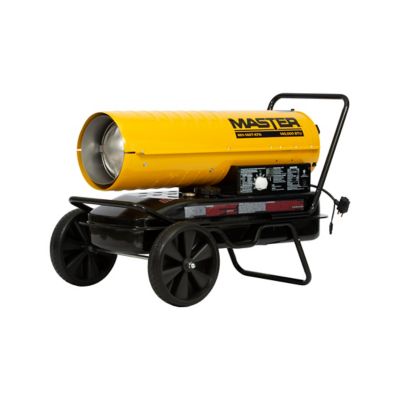
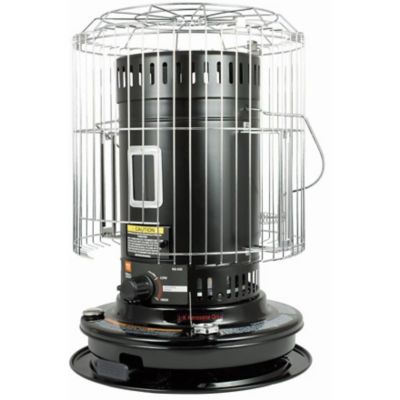
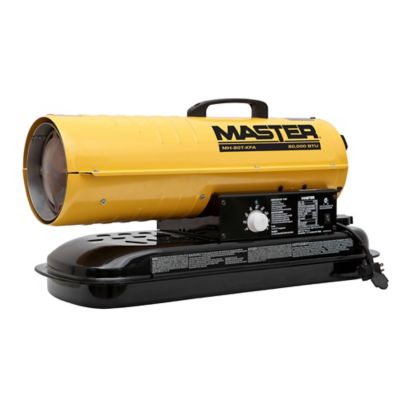
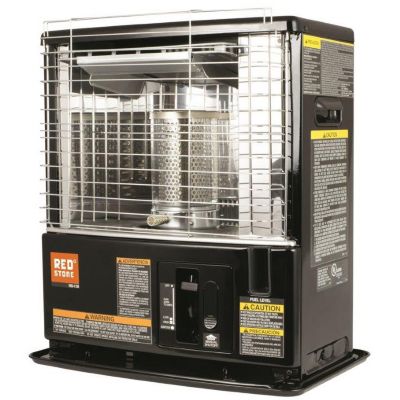
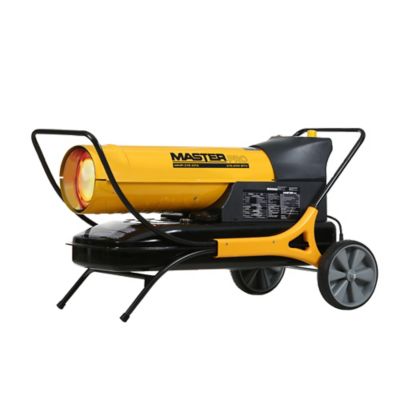
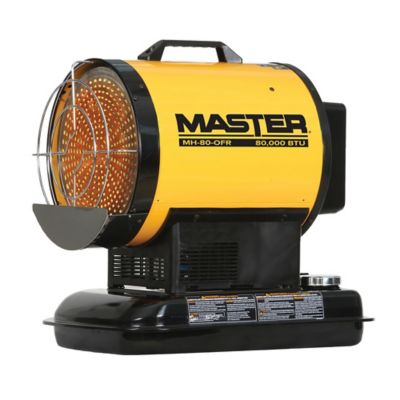
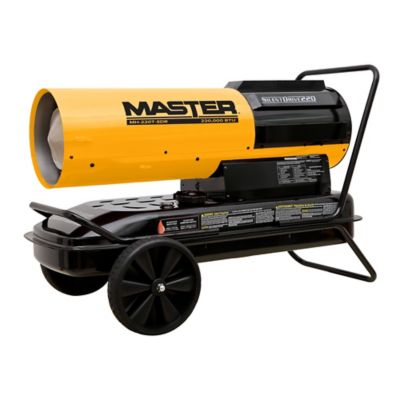
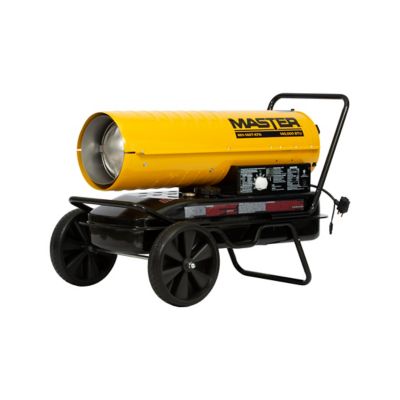
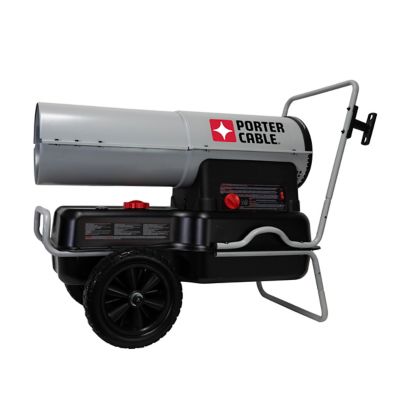
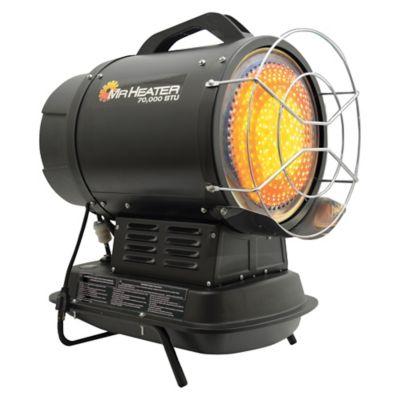
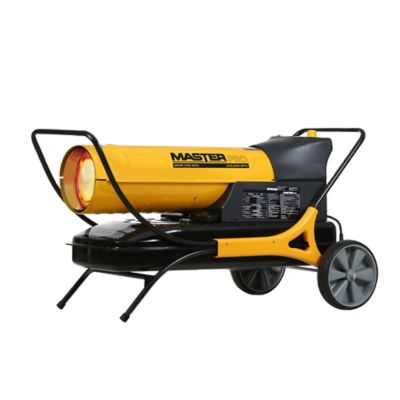
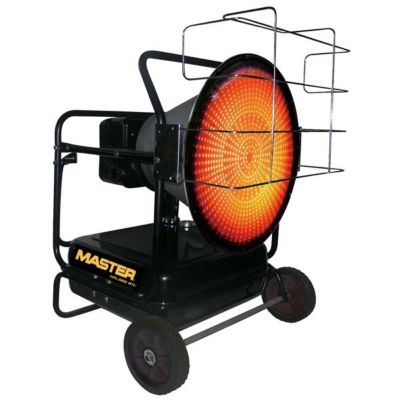
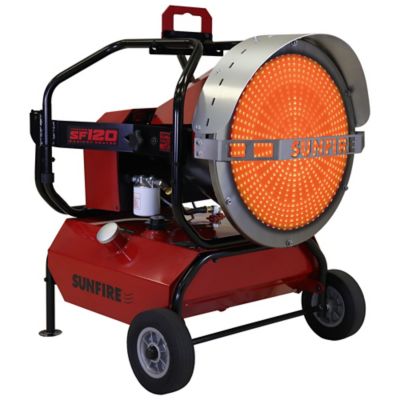
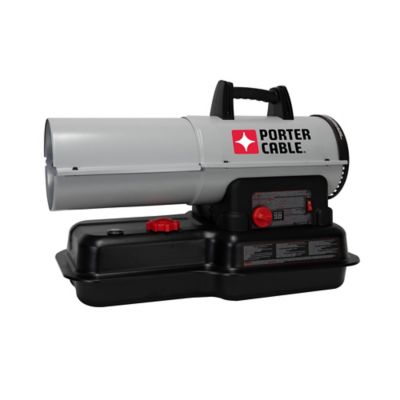
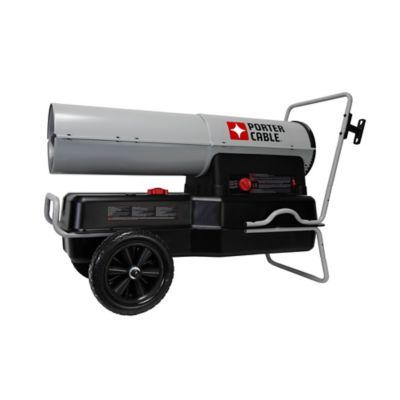
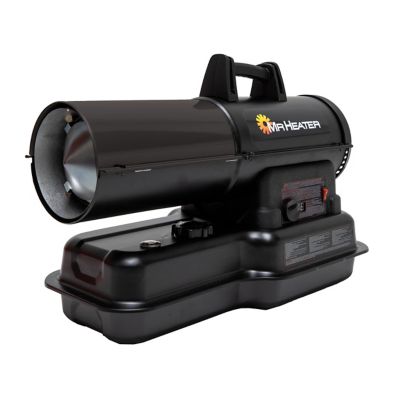
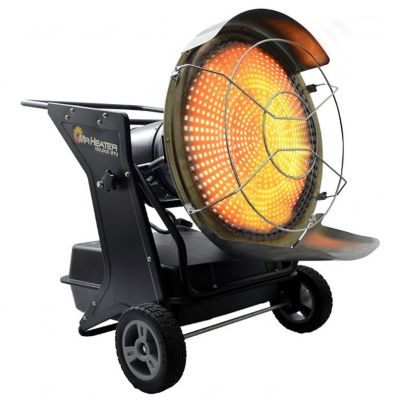
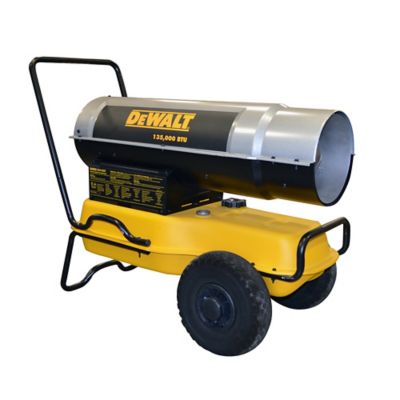
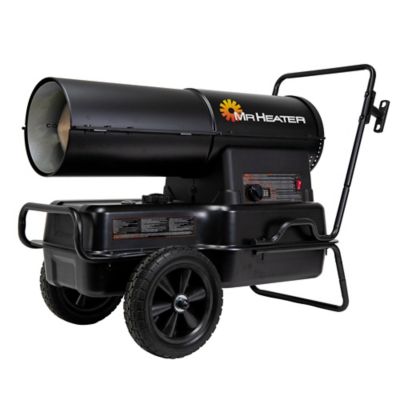
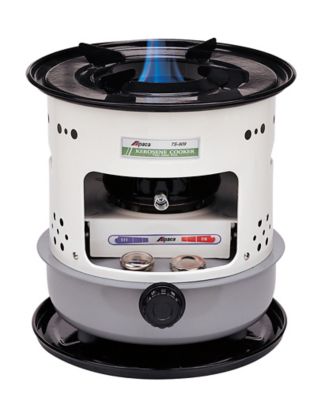
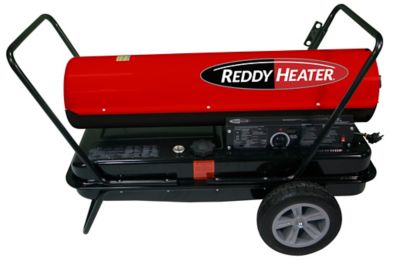
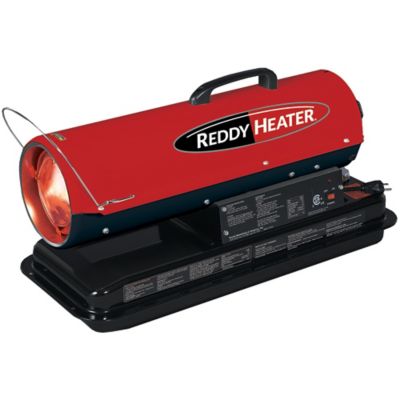
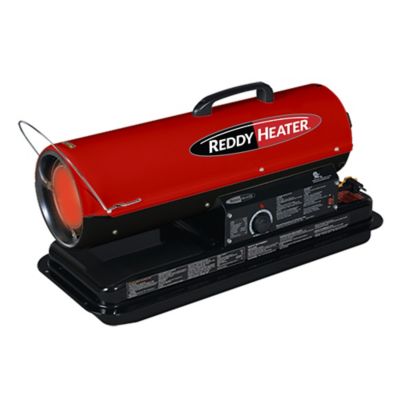
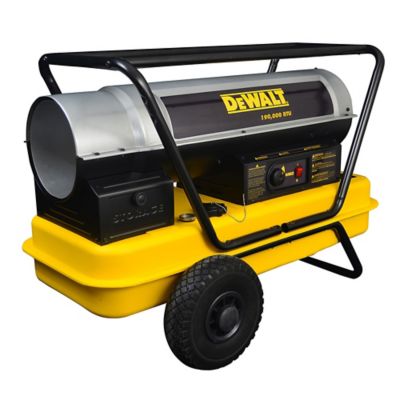
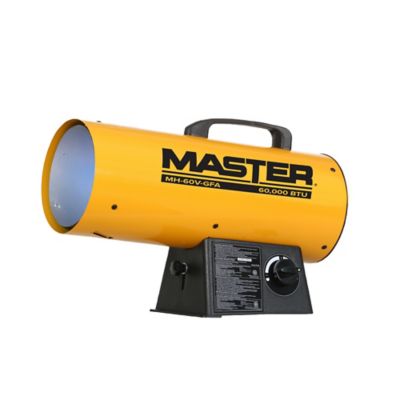
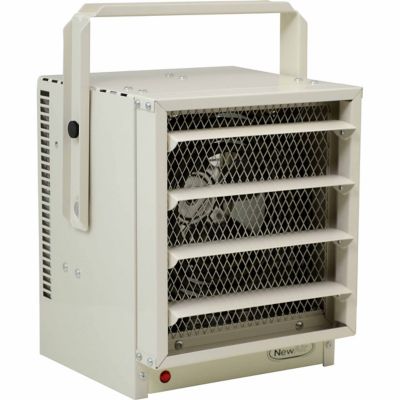
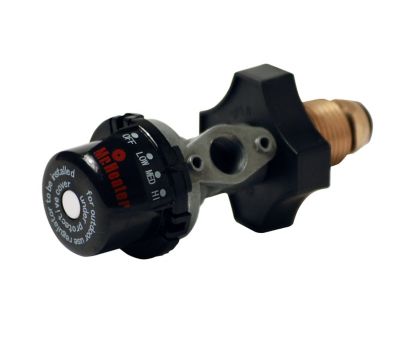
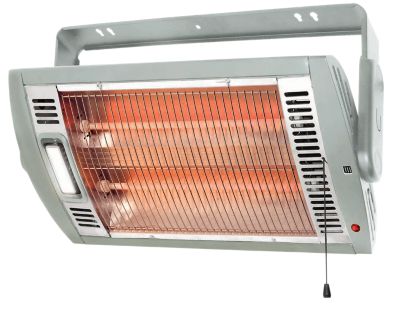
A kerosene heater burns liquid kerosene to provide supplemental warmth, with designs ranging from portable wick heaters to forced-air heaters built for larger work areas. Many portable kerosene heaters are unvented, meaning combustion gases enter the surrounding air, so proper ventilation is essential. The right fit depends on where the heater will run, how much space needs heat, and whether electrical power is available. Wick-style heaters draw fuel through a wick, producing radiant heat, convection heat, or a combination of both. Radiant designs direct more warmth toward the area in front of the heater, while convection designs circulate warmth around the unit. Forced-air kerosene heaters rely on a fan to move heated air, making them a different choice from a quiet wick heater intended for an approved indoor setting. Their application depends on the manufacturer’s location restrictions and ventilation requirements, not simply the size of the building. A work area with a tall ceiling, drafty doors, or little insulation has different heating demands than a smaller, well-insulated room. Heat output is commonly listed in British thermal units per hour, or BTU/hr, and square-footage estimates offer a starting point rather than a promise of performance in every space. Ceiling height, air leakage, outside temperature, and required ventilation all affect results. For someone handling repairs near a frequently opened shop door, the pattern of heat delivery may matter as much as the output rating. For backup household heat, approval for the intended indoor location, local restrictions, and operation during a power outage deserve close attention. Many wick heaters can operate without household electricity, although their ignition systems may require batteries. Forced-air designs generally need electrical power for the fan and controls. Those differences make kerosene heaters worth comparing by heating method and operating requirements, rather than treating every portable heater as suitable for the same job.
Fuel capacity, burn time, and day-to-day handling also shape how a kerosene heater fits into a routine. A larger tank can mean fewer refills, but it also adds weight when full. Listed run times depend on tank capacity and operating conditions, and adjustable output can affect fuel consumption where that feature is present. Carrying handles, a stable base, and an easy-to-read fuel gauge can make a difference when a heater needs to travel between approved locations. Compact upright shapes take up space differently than longer forced-air housings, especially around a crowded workbench or a narrow storage area. The heater still needs every clearance specified by its manufacturer; a small footprint does not make a tight corner a safe spot. Fuel selection is just as important as physical fit. Many wick heaters call for water-clear 1-K kerosene, while some forced-air designs permit additional fuels specifically named in their manuals. Fuel compatibility should never be assumed across heater types. Gasoline does not belong in a kerosene heater, and mixing fuels or adding unapproved substances creates serious hazards. Kerosene belongs in an approved, clearly labeled container, separate from gasoline and away from heat or ignition sources. Clean fuel and a clean container help protect the wick, fuel system, and burner from contamination that can interfere with operation. Refilling belongs outdoors, with the heater switched off and fully cooled, following the instructions for the tank and fuel system. For a shop owner planning several hours of repair work or a household preparing for a heating interruption, those practical details matter alongside heat output. A heater that matches the setting, has manageable fuel needs, and offers straightforward controls is easier to work into an established routine. Fuel storage space and access to the correct fuel also deserve consideration before choosing a heating format.
Construction and maintenance features round out the comparison. Metal housings, protective guards, secure handles, and solid support points help a kerosene heater stand up to regular handling, but dents, corrosion, loose components, or fuel leaks still call for attention before operation. A protective grille reduces direct access to hot components; it does not make the surface cool to the touch. Children, pets, bedding, clothing, curtains, paper, and other combustible materials need to stay clear of the heater. A level, noncombustible surface and the manufacturer’s specified clearances are part of a suitable setup, along with any required floor protection. Tip-over shutoffs, overheat protection, and flame-monitoring systems vary by design, so their presence and operation belong on the comparison list rather than being taken for granted. Maintenance needs vary, too. Wick heaters may need wick adjustment or replacement, while forced-air heaters may have filters, ignition components, and other service points identified in the manual. Matching replacement components to the heater’s model number matters more than matching appearance alone. Browsing
Kerosene Heater Parts can help with planning maintenance, but compatibility and installation requirements should always come from the heater’s documentation. Unusual smoke, persistent odor, soot, or an uneven flame can signal a problem that needs attention rather than continued operation. Every fuel-burning heater can produce carbon monoxide, an odorless gas, so smell is not a safety check. Working carbon monoxide alarms and smoke alarms, required ventilation, and compliance with local rules remain essential wherever the heater’s operation is permitted. An open doorway alone does not establish that ventilation is sufficient. Portable unvented kerosene heaters should not run while anyone is sleeping or when left unattended. Between uses, a cooled heater benefits from clean, dry storage and the fuel-handling steps specified by its manufacturer. With heating method, fuel requirements, construction, and upkeep considered together, kerosene heaters can serve as a practical source of supplemental warmth in settings that meet their operating requirements.