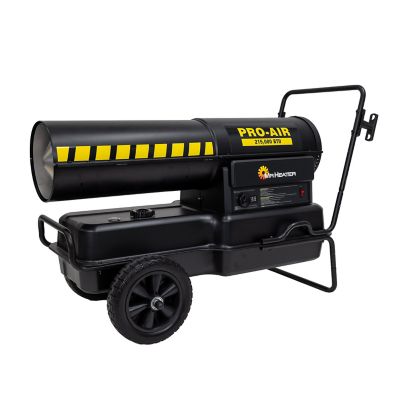
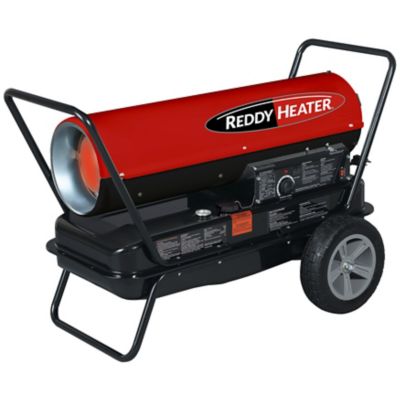
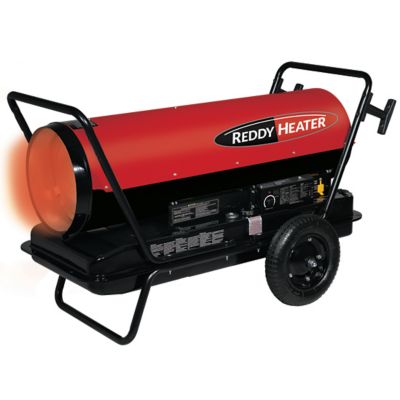
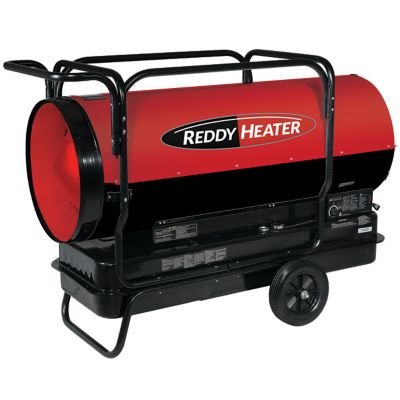
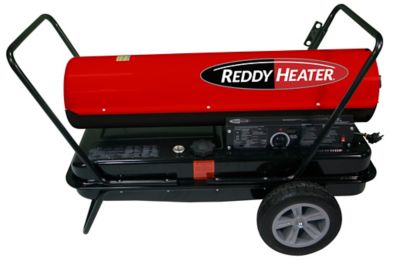
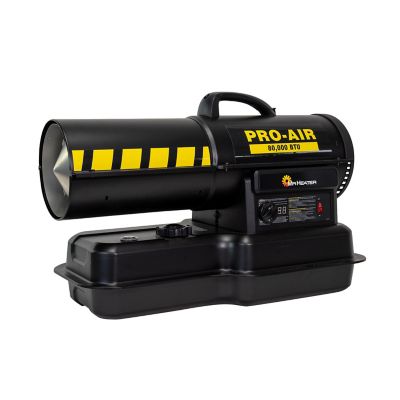
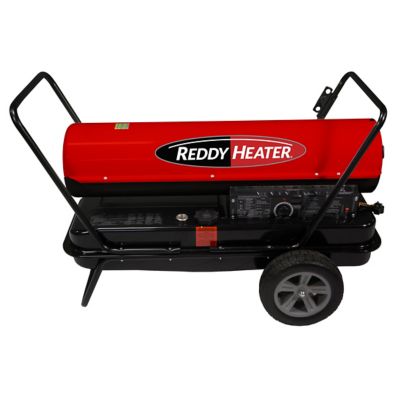
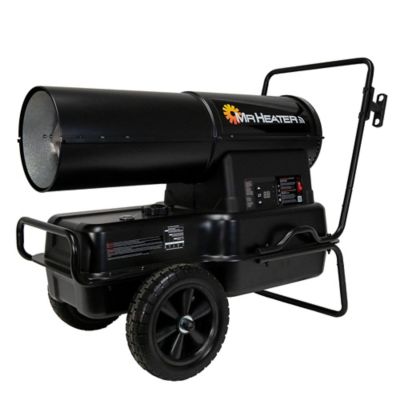
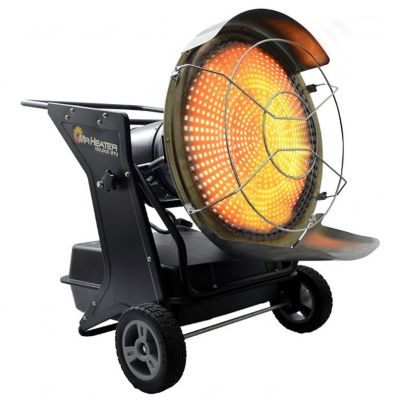
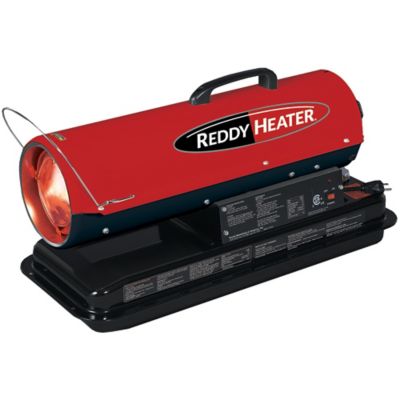
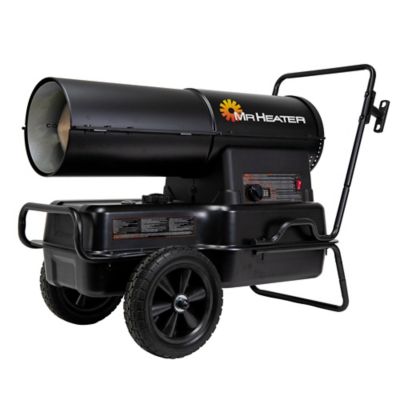
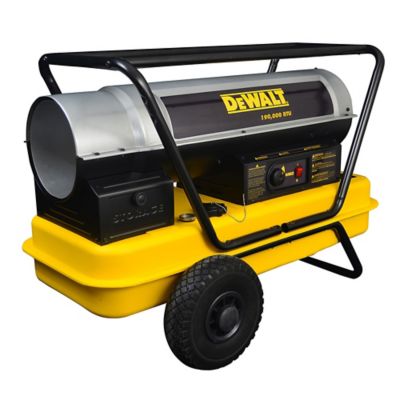
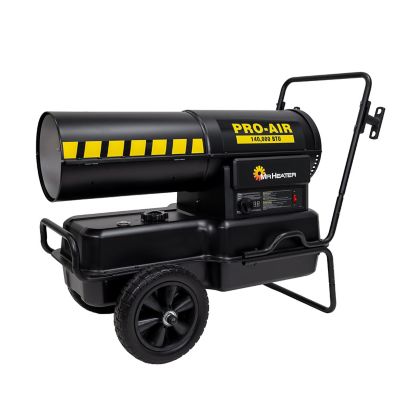
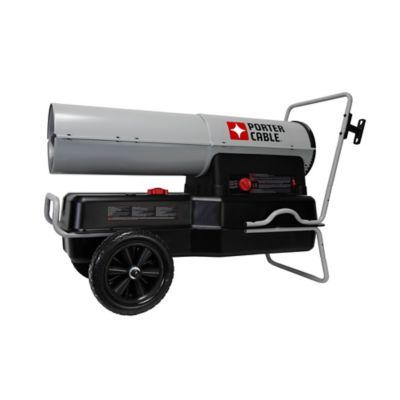
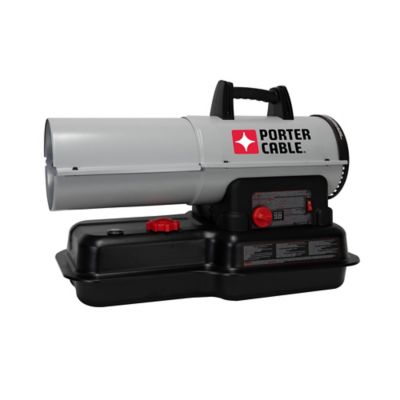
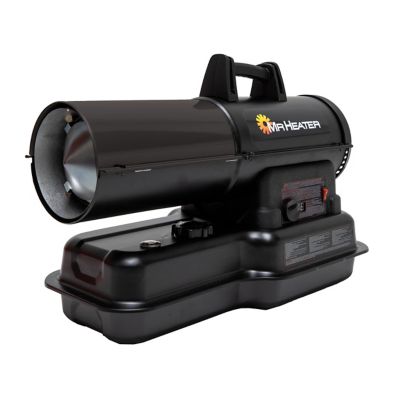
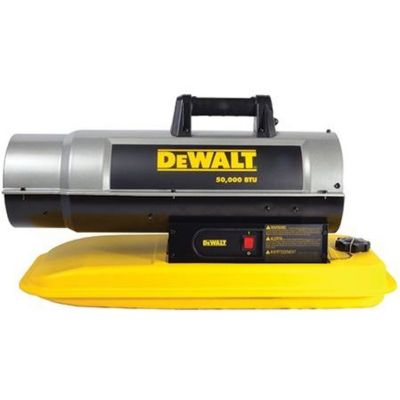
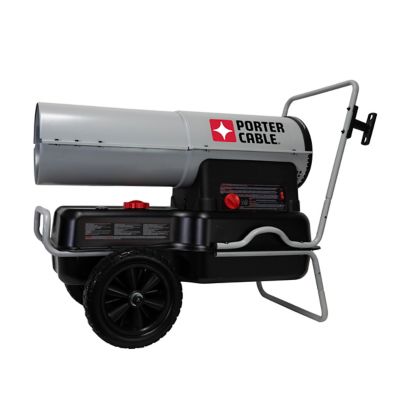
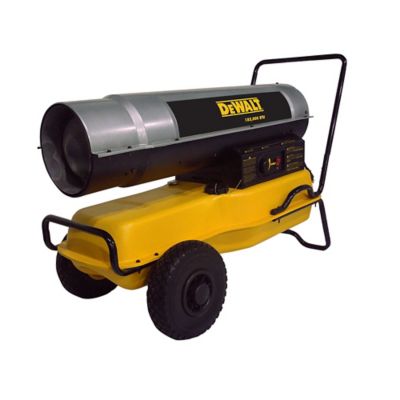
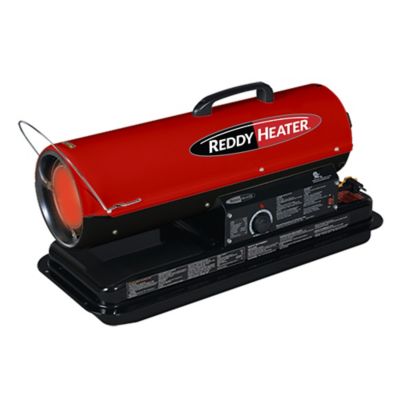
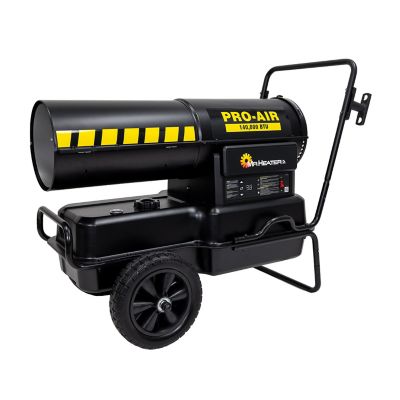
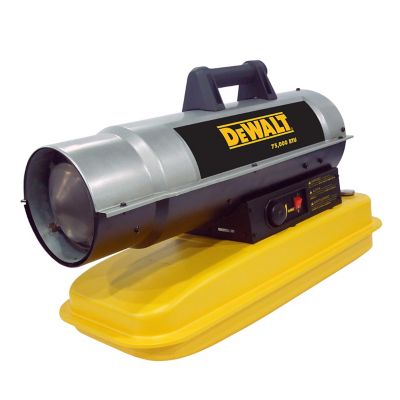
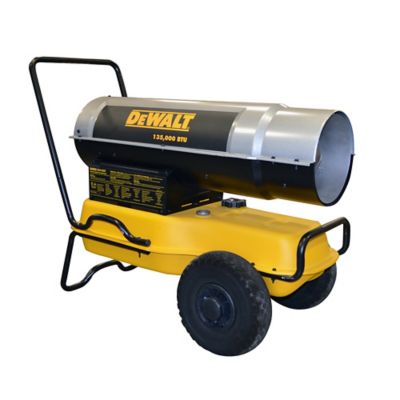
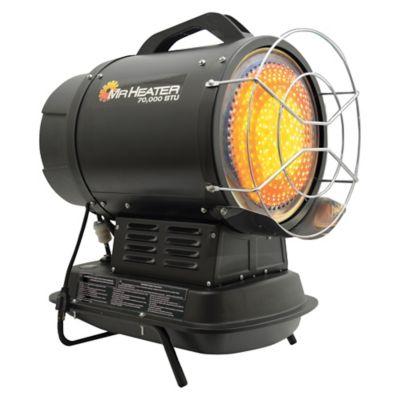
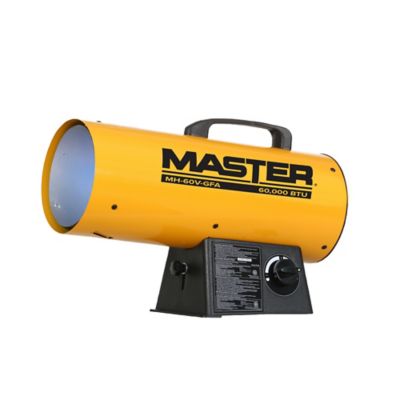
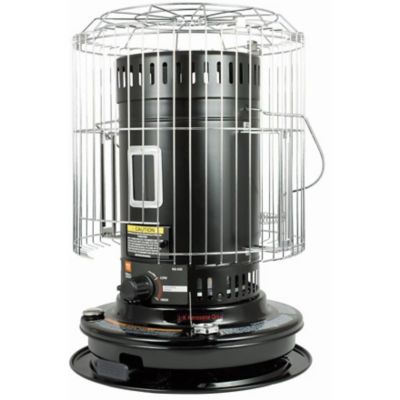
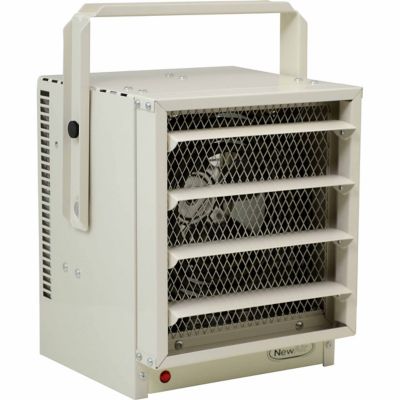
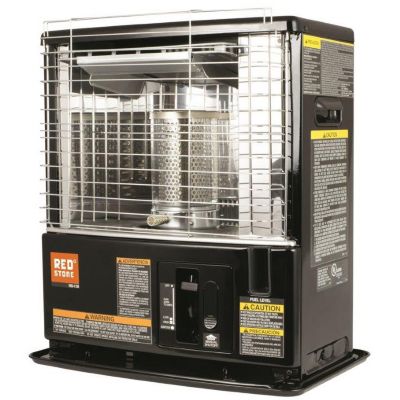
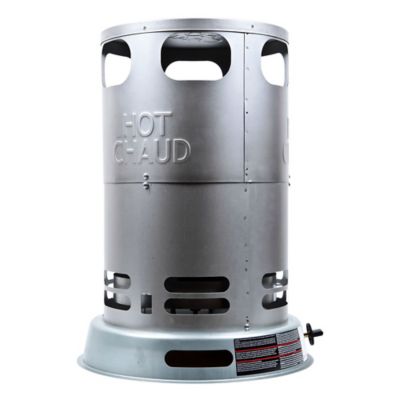
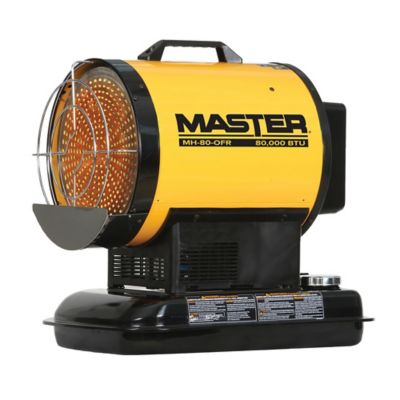
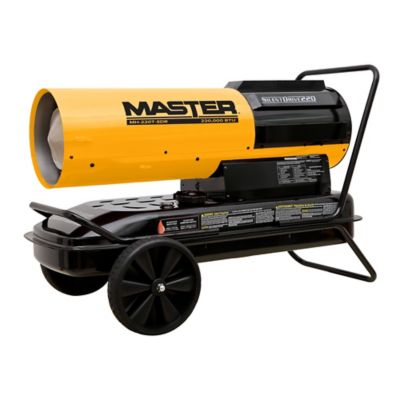
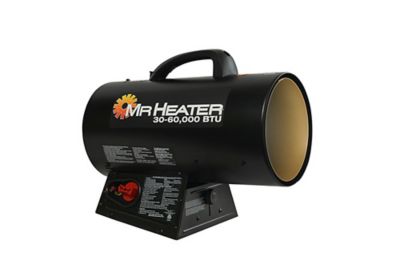
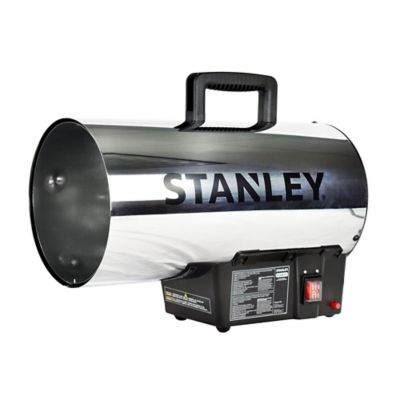
Forced air kerosene heaters are portable, fuel-burning heaters that use an electric fan to move air across a combustion chamber and push heated air into a work area. Often called torpedo heaters because of their long, cylindrical shape, they deliver concentrated heat for approved, well-ventilated spaces such as construction sites and certain workshops or garages. That combination of airflow and heating output makes them worth considering for mechanics, contractors, equipment owners, and folks working through cold conditions. A tractor repair in a suitable service bay or equipment assembly in a properly ventilated building calls for a different heating setup than a finished room in a house. Most portable torpedo-style heaters are direct-fired, meaning combustion gases and water vapor enter the same space as the heated air. They require ventilation that meets the manufacturer’s instructions and applicable codes, and they do not belong in living or sleeping areas. A large building alone does not make operation safe. Within an appropriate setting, heating output is one of the main differences between models. Output is commonly listed in British thermal units per hour, or BTU/h, while estimated coverage gives shoppers another point of comparison. Those coverage figures are estimates rather than a promise of comfort in every building. Ceiling height, insulation, outdoor temperature, air leakage, and doors opening for equipment all affect how much heat a space needs. A tall equipment bay with frequent traffic can lose heat much faster than a smaller, insulated workroom. Fan-driven heat also behaves differently from radiant heat: it moves warm air through an area rather than mainly warming people and objects in its path. When comparing
Kerosene Space Heaters, that distinction helps narrow the choice around the work being done, the building’s ventilation requirements, and whether broad air movement fits the space.
Construction and handling matter when a heater has to share floor space with tool carts, workbenches, and muddy boots. Steel housings and combustion chambers are common, while protective finishes help shield exterior surfaces from everyday wear. The overall frame, wheel arrangement, handle placement, and fuel-tank position all affect how manageable a heater feels around a jobsite. Compact designs may be easier to carry when cool and empty, while larger units often have wheels for moving across firm, level surfaces. A full fuel tank adds weight, so an empty-weight specification tells only part of the story. Overall dimensions matter, too, especially where a heater needs its required clearance from walls, lumber, cardboard, equipment, and other materials. The hot-air outlet needs an unobstructed path, and the air intake needs room to breathe. A forced air heater is not a drying rack for gloves or coats, and its housing is not a place to set tools. Controls range from straightforward switches to thermostats and digital displays, depending on the design. Thermostat control can help manage heat output or cycling, but it does not replace ventilation or supervision. Features such as flame monitoring, overheat protection, and automatic shutoff may add safeguards; the operating manual explains which protections a particular design includes and their limits. Fan noise is another practical consideration in a busy shop where workers need to hear one another. Although kerosene supplies the heat, these heaters generally need electricity for the fan and ignition system. Outlet location, the required electrical supply, and any manufacturer-approved extension cord therefore belong in the planning. Fuel capacity and stated runtime also deserve a close look. A larger tank can allow longer operation between refills, but runtime varies with firing rate and operating conditions, and it never changes the need to attend the heater.
Fuel choice and routine care have a direct effect on how a forced air kerosene heater runs. The heater’s label and manual identify acceptable fuels, and that information takes priority over assumptions based on appearance. Some designs specify kerosene, while others permit additional listed fuels; those permissions do not carry over from one heater to another. Gasoline is never an acceptable substitute. Where specified, clean 1-K kerosene helps support proper combustion, while water, dirt, or deteriorated fuel can interfere with ignition and operation. Approved, clearly marked fuel containers help prevent mix-ups around a property where several engines and machines need different fuels. Refueling belongs outdoors, with the heater shut down and fully cooled, away from sparks, flames, and other ignition sources. For ownership over the long haul, access to service information and replacement maintenance parts can matter as much as a convenient handle or large tank. Filters, air passages, ignition components, and fuel-system parts may need inspection or service at intervals set by the manufacturer. A heater that starts unevenly, produces smoke, or develops an unusual odor needs attention rather than another stretch of operation. Carbon monoxide cannot be seen or smelled, so the absence of an odor does not establish safe conditions. Appropriate carbon monoxide detection adds a warning layer but never makes up for inadequate ventilation. These heaters also need separation from gasoline vapors, paint fumes, airborne combustible dust, and other fire hazards that may be present around repair or construction work. Between jobs, storage instructions may call for draining fuel or other preparation, and a clean, dry storage spot helps protect components from moisture and dirt. The best match is a heater whose output, handling, fuel requirements, and operating restrictions fit the actual workspace—not simply the model with the largest BTU number. For a busy work area, those practical details help keep heating equipment from getting in the way of the job.