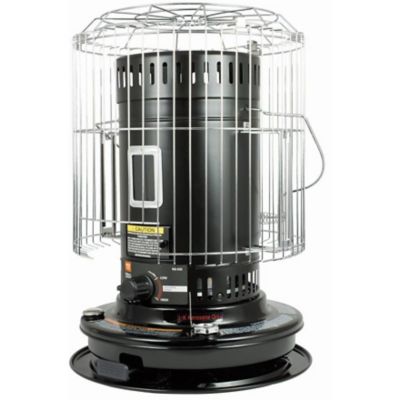
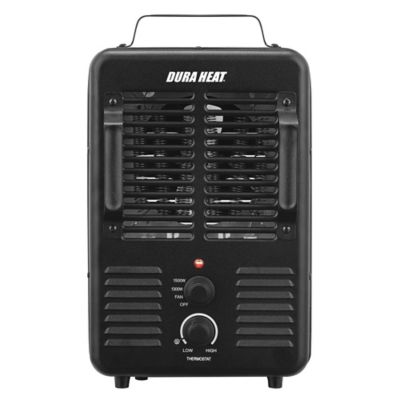
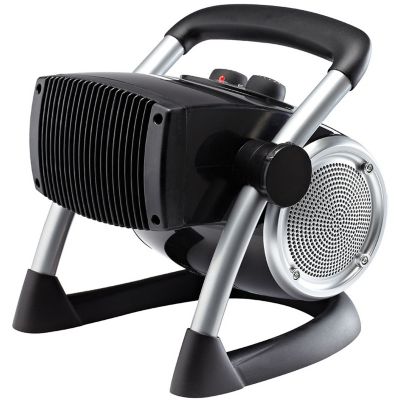
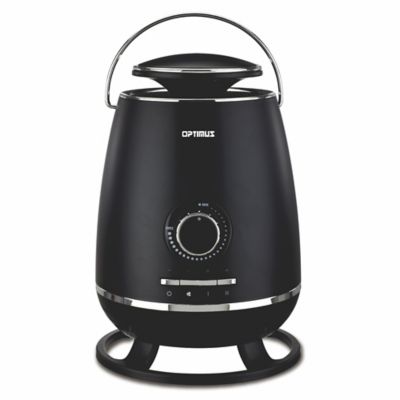
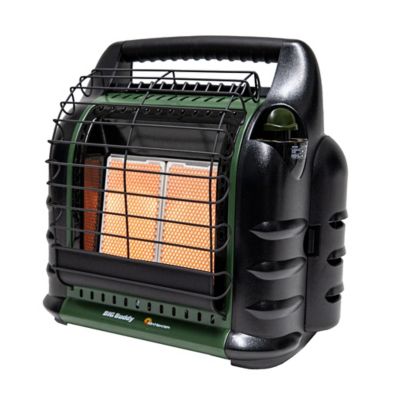
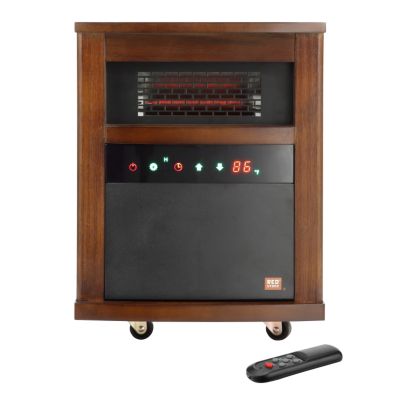
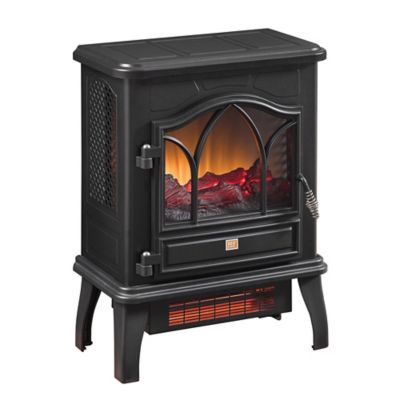
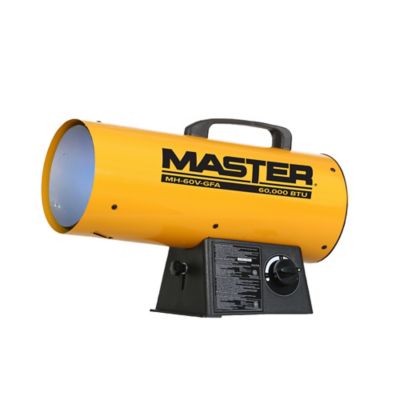
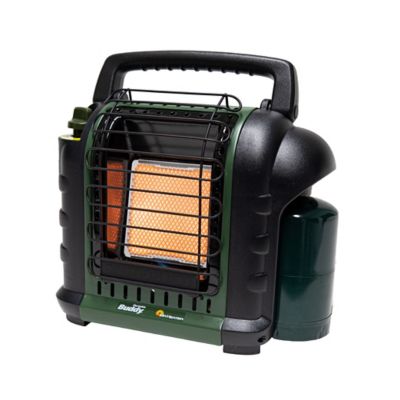
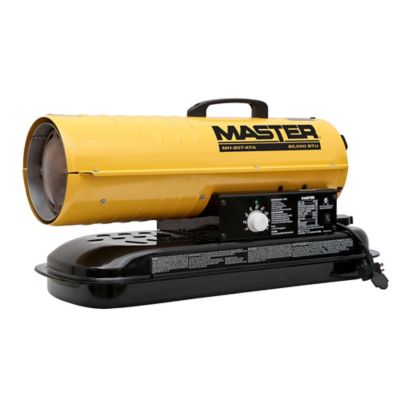
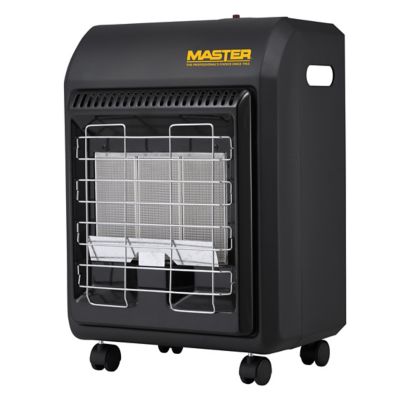
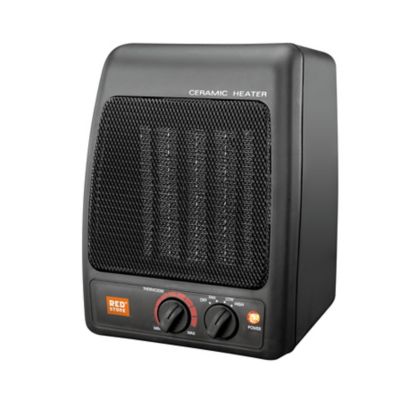
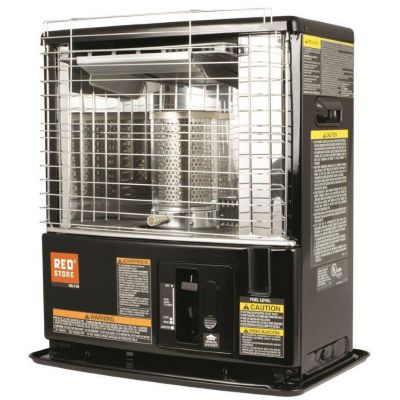
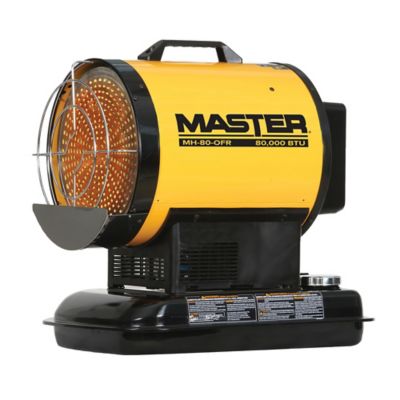
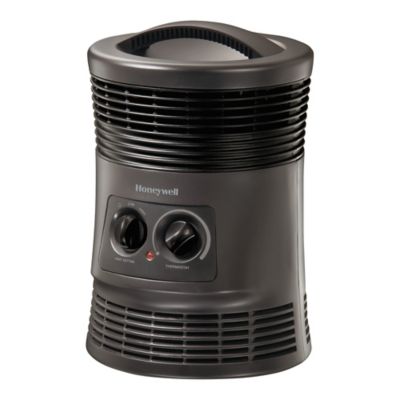
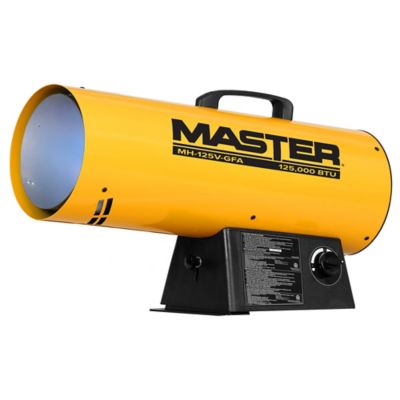
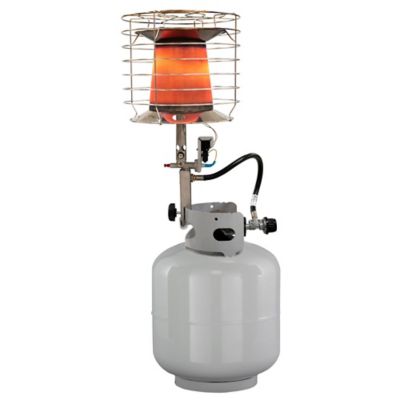
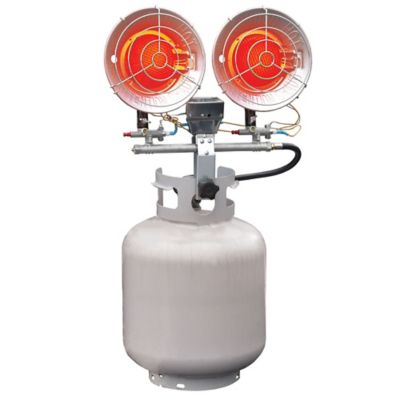
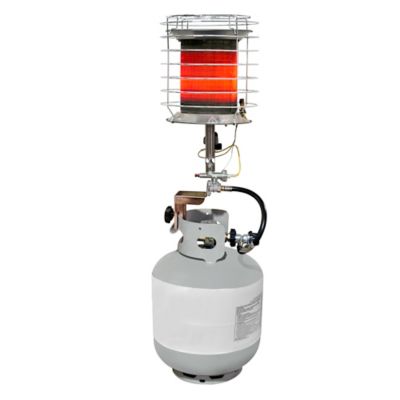
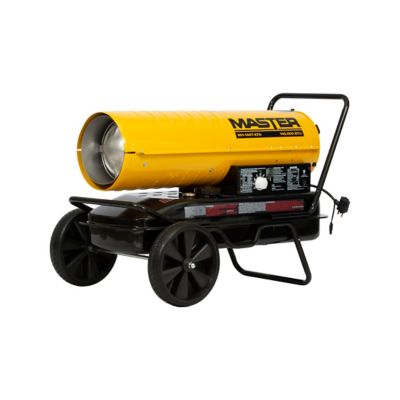
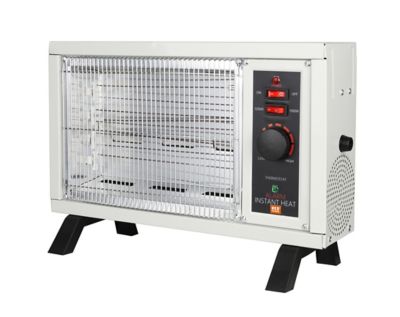
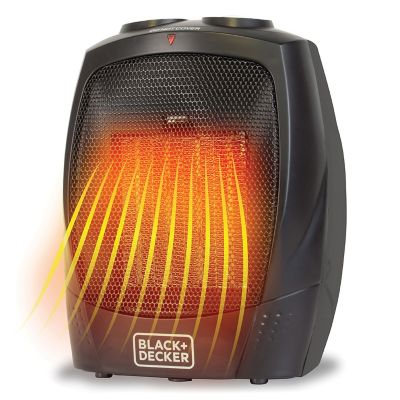
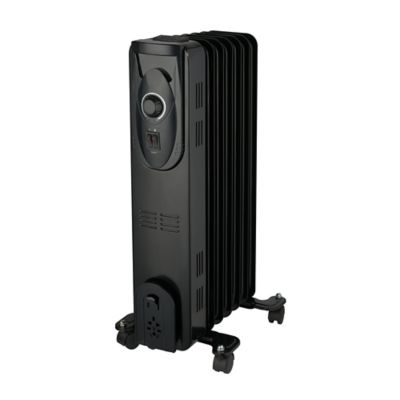
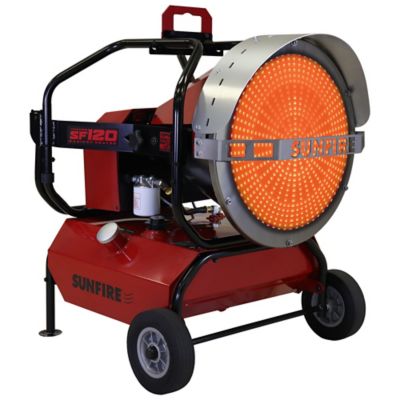
Portable oil heaters can add steady, dependable warmth to the places where your main heating system does not quite reach, from a chilly bedroom or enclosed porch to a drafty shop, barn office, hunting cabin, or garage workspace. The term generally covers two different types of heaters. Oil-filled electric radiators plug into a standard wall outlet and use electricity to warm sealed diathermic oil inside the unit. That heated oil acts as a thermal reservoir, giving off gentle radiant warmth and continuing to release heat for a while after the thermostat cycles off. Because they do not burn fuel and typically do not use an internal fan, electric oil-filled radiators run quietly, making them a good fit for sleeping areas, home offices, nurseries, and other rooms where the hum of a blower gets old. Fuel-burning heaters, often designed for kerosene or another approved heating fuel, produce more direct heat and can be useful in larger, well-ventilated garages, workshops, job sites, and other spaces suited to that type of equipment. They are not interchangeable, so check the heater’s instructions and use only the fuel specified by the manufacturer. Electric models commonly offer outputs around 1,000 to 1,500 watts, while fuel-burning units are often rated in BTUs and may provide roughly 10,000 BTUs or more. Actual heating performance depends on insulation, ceiling height, drafts, outdoor temperatures, and how much space is open to the area being heated. A small, closed room with decent insulation may warm comfortably with a lower-output unit, while an open shop with a roll-up door, concrete floor, and steady air movement needs a heater suited to a much larger space.
When choosing among portable oil heaters, start with the space and the way you plan to use it. Measure the room or work area, note whether doors and windows seal well, and look for the heater’s recommended coverage area or BTU rating rather than choosing by appearance alone. Electric oil-filled radiators are convenient where a reliable outlet is available, and caster wheels or a built-in grab handle make it easier to move the unit from the living room to a mudroom or from an office to a bedroom. A longer power cord can be handy, but never rely on an extension cord or power strip unless the manufacturer specifically allows it and the cord is rated for the heater’s load; high-wattage appliances should generally plug directly into a properly grounded wall outlet. For a garage, workshop, or outdoor work area, a fuel-burning heater may deliver the stronger heat needed to take the edge off, but ventilation, clearance, and fuel storage become especially important. Keep any heater on a level, solid, noncombustible surface with plenty of open space around it. Do not place clothing, feed bags, blankets, cardboard, sawdust, bedding, or other flammable materials on or near the heater, and keep pets, children, and livestock from brushing against hot surfaces or cords. Features such as an adjustable thermostat, multiple heat settings, a timer, an indicator light, an enclosed heating element, overheat protection, and an automatic tip-over shutoff can make day-to-day use easier and add an important layer of protection. A tip-over switch cuts power if an electric unit is knocked over, while overheat protection helps shut the heater down if internal temperatures rise beyond safe limits. These features do not replace good placement and supervision, but they are worth looking for when a heater will be used around a busy household, a tack room, or a workbench where things can get bumped.
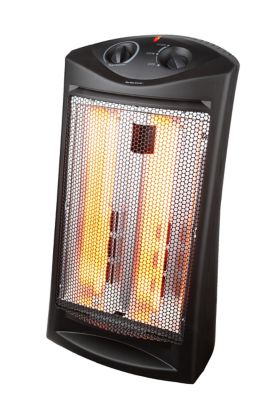
Portable oil heaters are useful for more than taking the chill out of a room. A quiet oil-filled radiator can keep a nursery, guest room, or drafty corner comfortable without the constant fan noise that makes it hard to sleep. In a farmhouse, it can warm an entryway where muddy boots and cold coats come in, or help maintain a more comfortable temperature in a home office during the cooler months. In a workshop, a properly rated fuel-burning heater can make early-morning repairs, equipment maintenance, woodworking, or hunting gear preparation easier when the building itself takes hours to warm. Some shoppers also choose these heaters as practical gifts for a new homeowner, college student, cabin owner, renter, or handy family member who spends time in a garage. Before giving one, make sure the recipient has the right kind of space, outlet, fuel, and ventilation for the heater type. Fuel-burning units should never be used in a home, tent, camper, vehicle, or other enclosed area unless the specific model is clearly approved for that setting; carbon monoxide can build up without warning. Follow the owner’s manual for ventilation, placement, startup, shutdown, cleaning, and storage, and use a working carbon monoxide detector wherever fuel-burning equipment is operated. Electric heaters also need care: inspect the cord and plug for damage, keep the unit dry, avoid running it unattended or while sleeping unless the instructions specifically permit that use, and turn it off before moving it. If a space needs a different kind of direct, targeted warmth, you can also compare
Portable Infrared Heaters. With the right output, safe clearances, and a heater matched to the space, portable warmth can make a cold concrete floor, an open-sided work area, or a drafty room feel a whole lot more comfortable as the weather shifts.