When the winter chill settles in and the wind howls across the fields, having a reliable heat source can make all the difference—especially in rural areas where power outages aren’t just a possibility, but a fact of life. Kerosene space heaters have long been a favorite in barns, workshops, garages, and even cabins off the beaten path. Folks who work outdoors or in unheated spaces know the value of a warm corner to thaw out their hands or keep the work moving. Whether you’re fixing up equipment in the shed, gathering with friends in a drafty outbuilding, or just looking for a backup when the lights flicker and the furnace goes quiet, a kerosene heater can be a real lifesaver. Many people search for a “kerosene heater near me” or “kerosene heater nearby” as soon as the first cold snap hits, wanting a solution that’s portable, powerful, and dependable. These heaters are also a thoughtful gift for anyone with a workshop, hunting cabin, or rural property—just the thing to show you care about their comfort and safety during the coldest months.
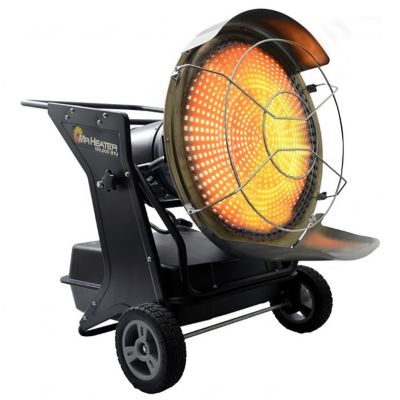
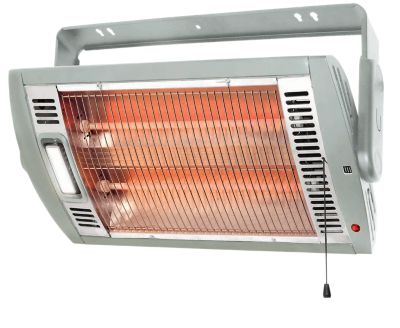
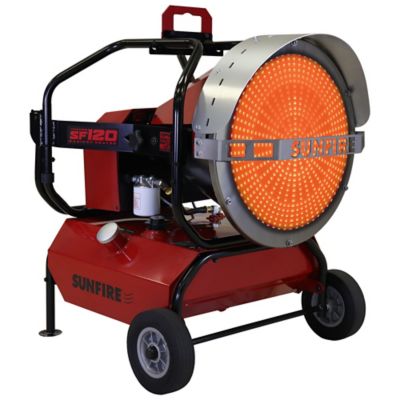
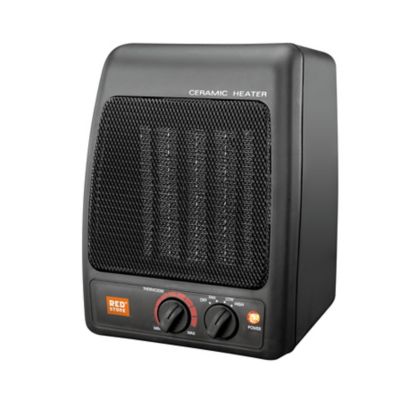
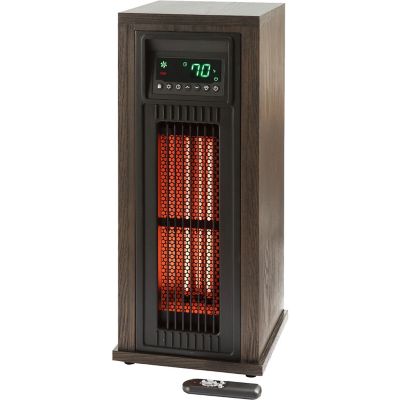
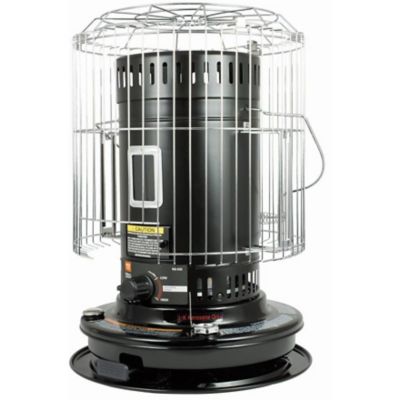
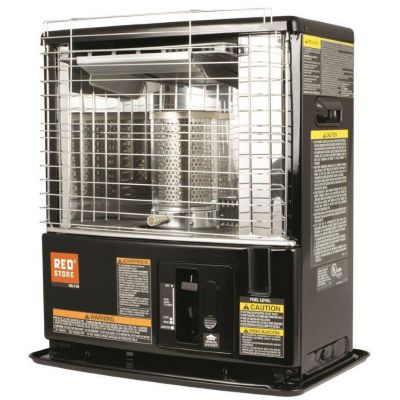
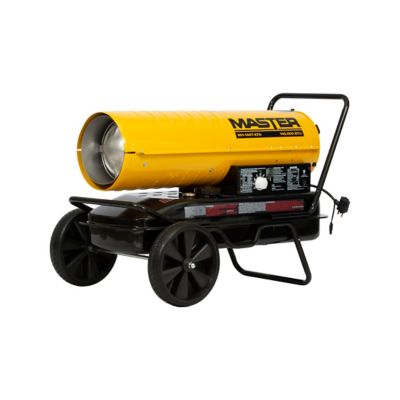
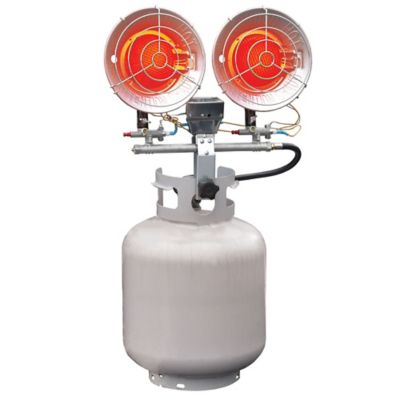
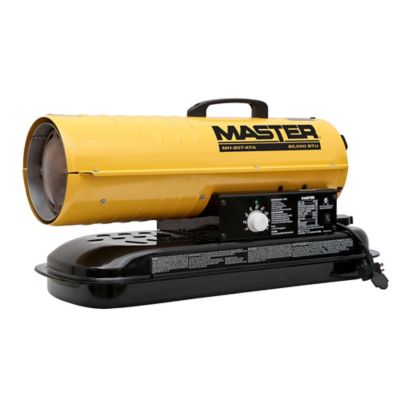
Choosing the right kerosene heater means thinking through the size of your space, the way you plan to use it, and, most importantly, safety. There are two main types: radiant heaters, which are perfect for spot heating—imagine sitting close to the heater while you tinker with tools or enjoy a cup of coffee; and convection models, which send warmth rising and circulating through a larger area, great for warming up the whole garage or a couple of rooms in a pinch. If you’re looking for real muscle to heat up a big job site or open barn, you might want to consider
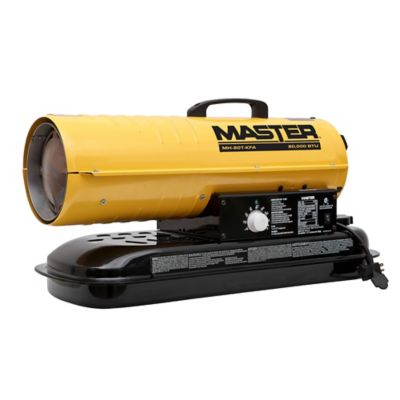
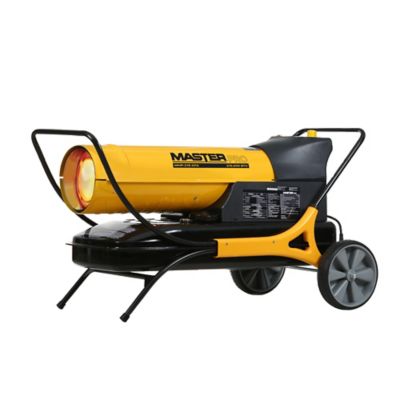
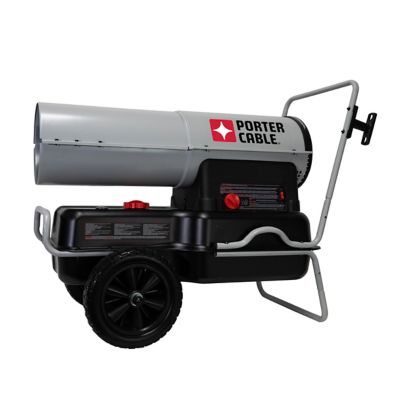
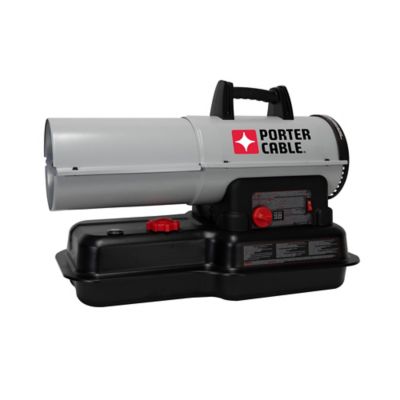
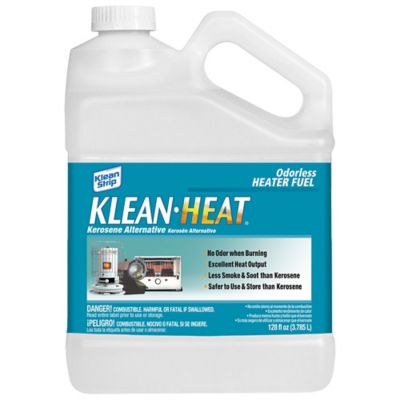
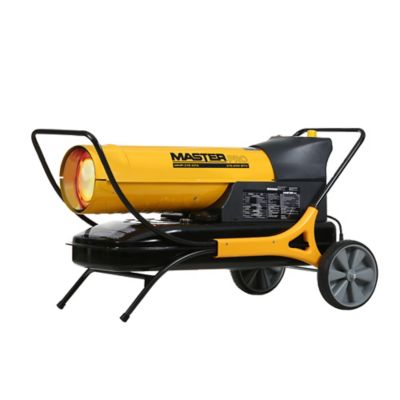
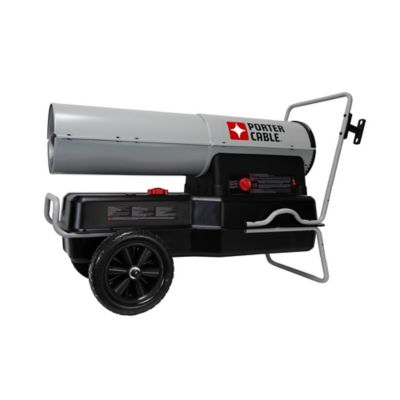
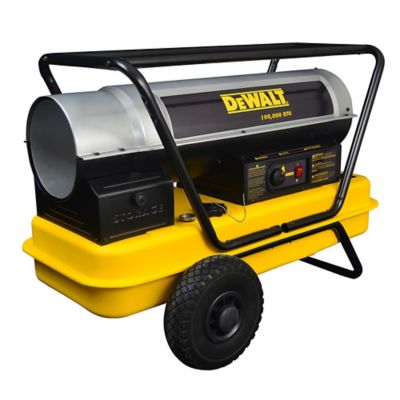
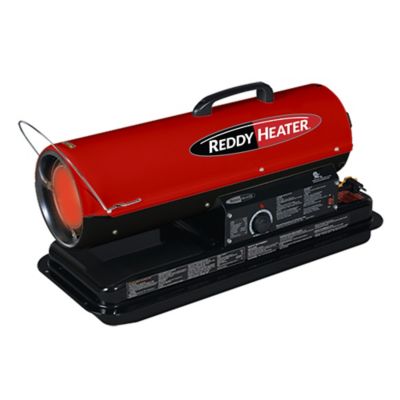
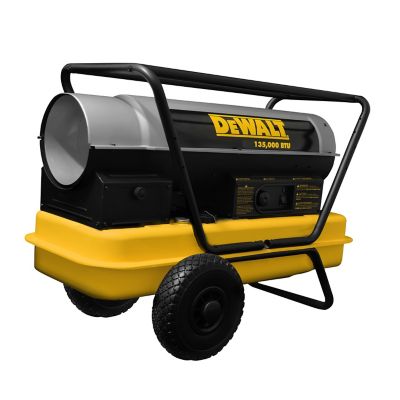
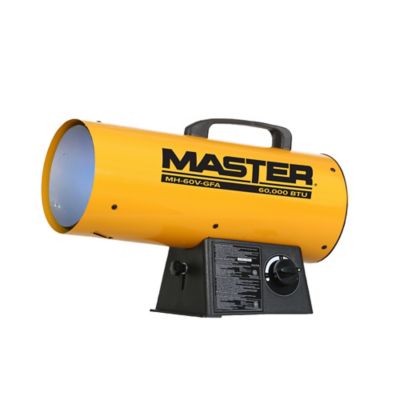
Forced Air Kerosene Heaters, which use a fan to blast hot air across wide spaces—ideal for those bigger chores. No matter the style, always go for a unit with solid safety features like automatic shutoff and a sturdy, tip-resistant base. Make sure you’re using only clean, high-quality 1-K kerosene, and remember: ventilation isn’t optional. Kerosene heaters, especially in indoor settings, need plenty of fresh air to keep dangerous gases like carbon monoxide and nitrogen dioxide at bay. Set your heater on a flat, stable surface, away from anything flammable, and never leave it running unattended. It’s the kind of common-sense care that keeps everyone safe and warm.
When you’re shopping for a kerosene heater indoor or out, consider the BTU rating—this tells you how much heat the unit puts out and what size area it can handle. Smaller heaters (around 10,000 BTU) are just right for a single room or a cozy workspace, while larger models can pump out over 200,000 BTU for heating up big sheds or open-air projects. Tractor Supply kerosene heater options are built to stand up to tough conditions, whether you’re weathering a January blizzard or just getting an early start on spring chores. Many longtime customers share stories of relying on their trusty kerosene heater during ice storms and blackouts, or using one to keep livestock water from freezing out in the barn. If you’re new to kerosene heat, don’t be shy about asking for advice in-store—folks at Tractor Supply know what it’s like to work and live in rural communities, and they’re always happy to help you find the right fit for your needs. With a little care and the right setup, a kerosene heater can keep you comfortable and productive, no matter how cold it gets outside.