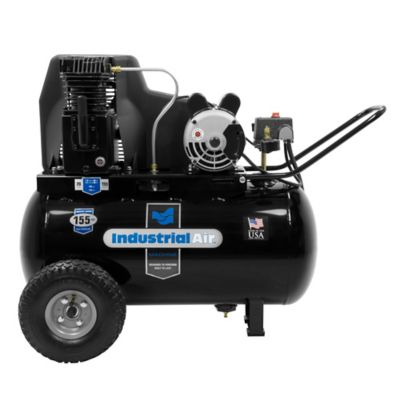
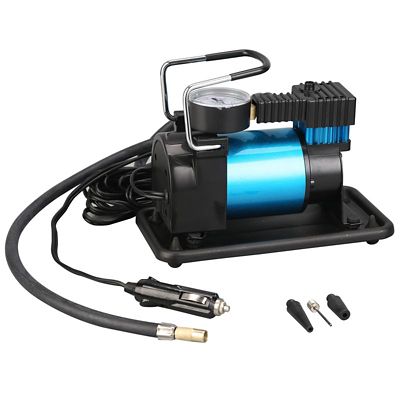
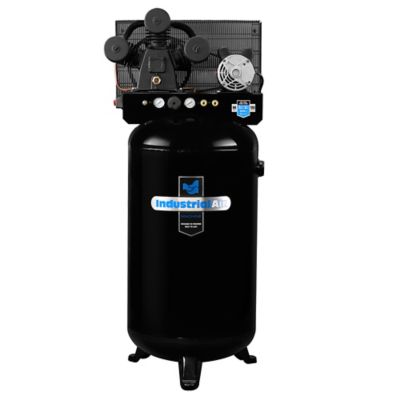
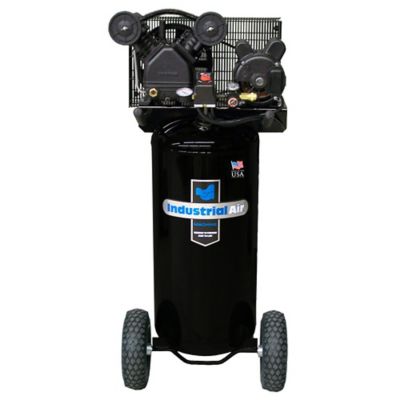
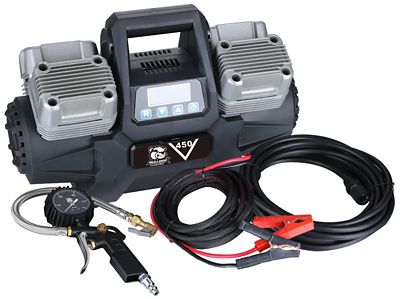
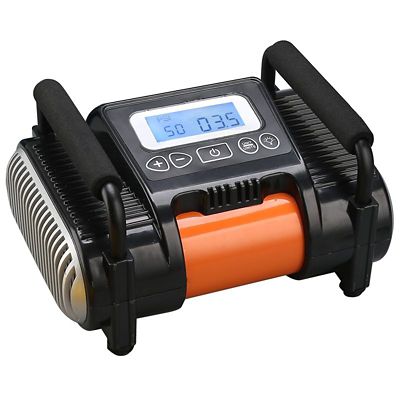
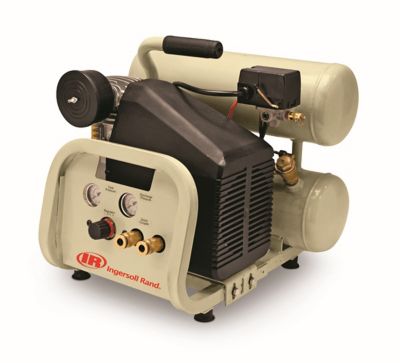
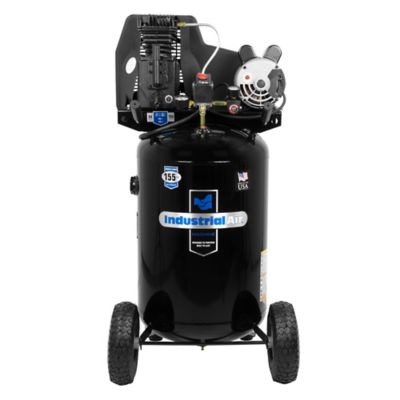
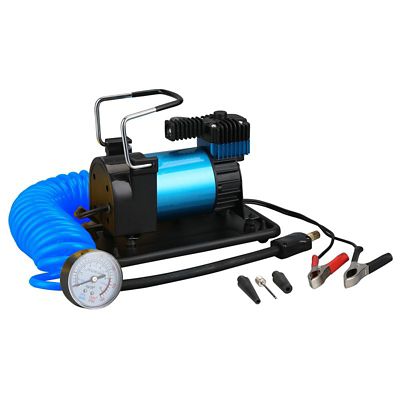
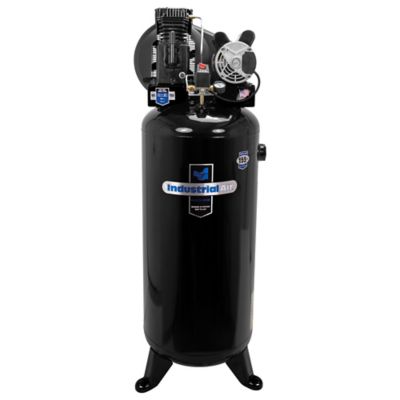
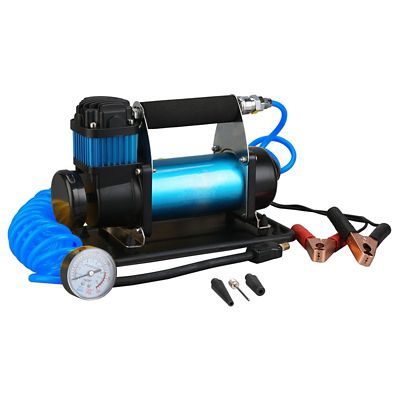
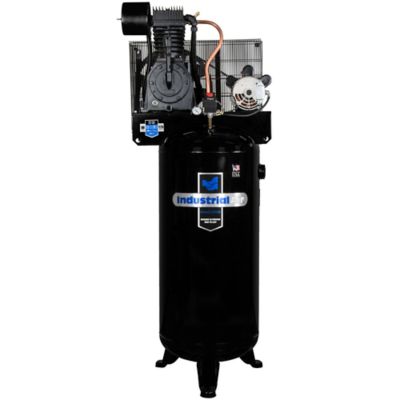
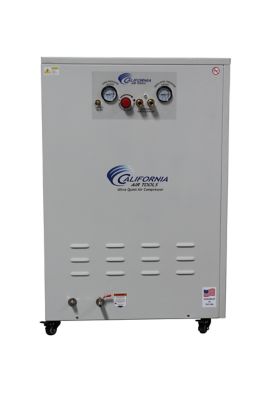
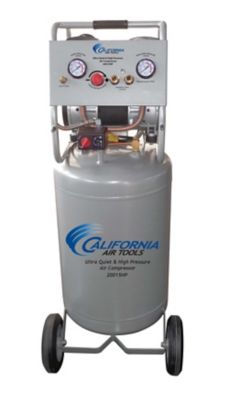
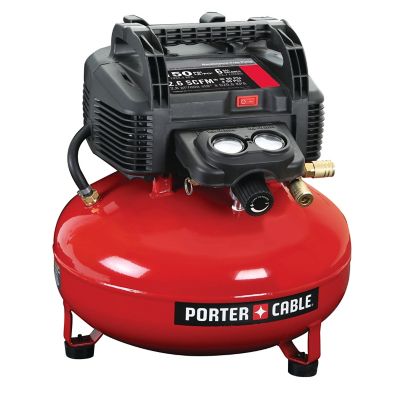
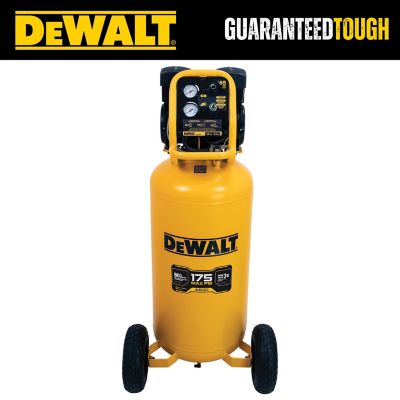
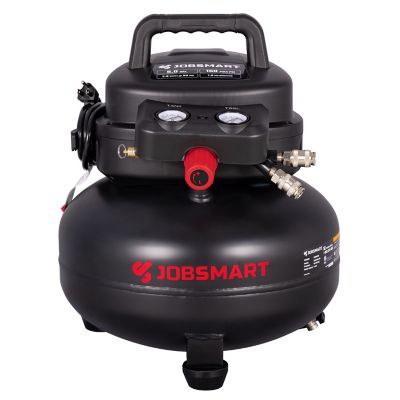
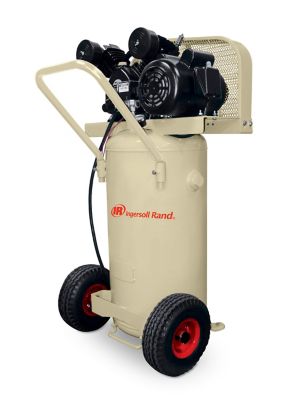
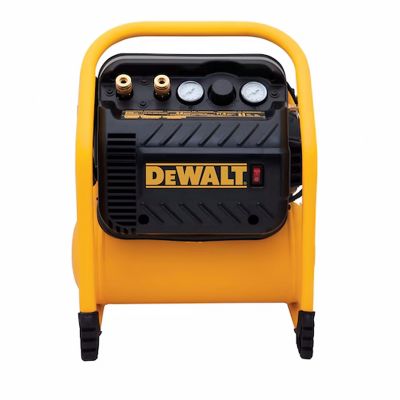
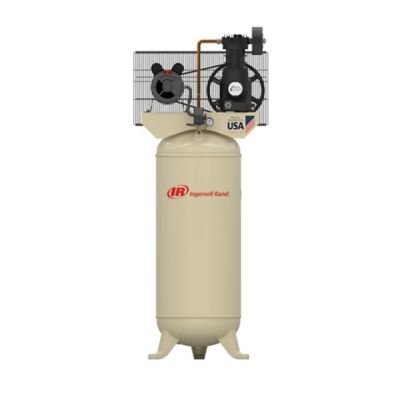
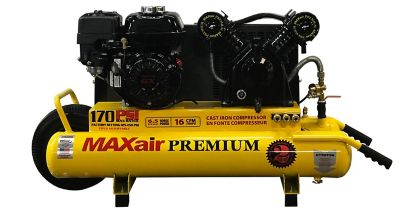
A 100 psi air compressor brings compressed air to everyday jobs around the garage, barn, driveway, and workshop, from topping off a wheelbarrow tire to running a compatible light-duty air tool. PSI stands for pounds per square inch, a measure of air pressure rather than how much air a compressor delivers. That distinction matters: a machine rated for a maximum of 100 psi does not necessarily maintain that pressure while air is flowing, and its pressure rating alone does not tell how quickly it will fill a tire. Air delivery, tank capacity, and operating limits all help determine what work it can handle. For occasional inflation, a compact compressor can be a practical companion for passenger vehicles, lawn equipment, utility carts, and bicycles, provided its working range and fittings match the job. The correct inflation pressure comes from the vehicle placard, equipment manual, or applicable tire guidance—not the compressor’s maximum rating. A pickup tire, a bicycle tire, and a small garden cart tire can have very different requirements, even when the same air source serves all three. Small inflatables need particular care because they may reach their recommended pressure quickly, while large vehicle tires can take considerably longer to fill. Clear gauges, a secure valve connection, and convenient hose reach make those routine chores less awkward, especially when a valve stem sits low against gravel or faces inward beneath a fender. Some inflation-focused designs include preset pressure controls and automatic shutoff, though those features vary by model. A separate tire gauge is still handy for checking the final reading. During the cooler months, tire pressure checks fit naturally alongside other equipment upkeep, since falling temperatures can lower pressure. For a household with several vehicles or a property with plenty of wheeled equipment, an air compressor in this pressure range can cover a useful share of routine inflation work without requiring a large shop installation.
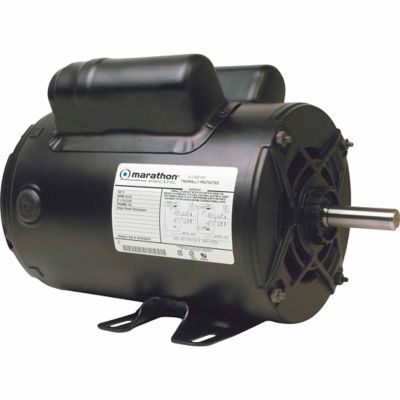
For workshop tasks, 100 psi air compressors are best considered alongside the pressure and airflow requirements of the tools they will power. Some brad nailers, finish nailers, and staplers operate within this pressure range, making a compatible compressor suitable for intermittent fastening work such as attaching trim or assembling small woodworking projects. The important match is the tool’s specified working pressure and its air consumption, commonly listed in standard cubic feet per minute, or SCFM. Compressor airflow ratings are often published at a stated pressure, such as 90 psi, so comparing figures at the same pressure gives a clearer picture than comparing maximum psi alone. A compressor with a 100 psi maximum may have limited pressure headroom for a tool that needs close to that amount, particularly as tank pressure drops before the motor restarts. Occasional fastening also makes a different demand than holding an air-tool trigger down continuously. A storage tank provides a reserve for short bursts, but a bigger tank does not increase the pump’s ongoing output. Impact wrenches, sanders, blasting equipment, and many paint sprayers often call for more sustained airflow than small compressors can supply. Tankless inflators, meanwhile, are generally intended for inflation rather than pneumatic fastening. Motor horsepower is another useful specification, but it does not replace a check of airflow, working pressure, and duty cycle. Shoppers comparing motor ratings can also explore
1 HP Air Compressors while keeping those performance figures in view. Physical construction matters just as much when the machine will travel between a shed and a workbench. Metal tanks, protected gauges, sturdy handles, and well-supported hose connections suit different handling demands, while rubber feet can help limit movement and vibration on a firm surface. Weight, footprint, and handle placement affect how comfortably a compressor carries and where it fits between jobs. A long enough air hose can leave the compressor on a level spot while the work moves around it, although excessive hose length or a narrow inside diameter can reduce pressure at the tool.
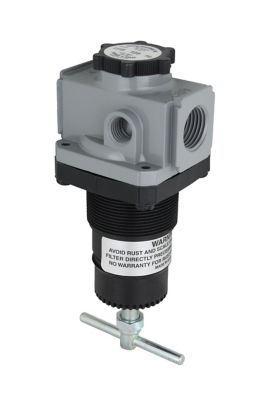
Power source and upkeep help separate a compressor that fits the routine from one that adds extra steps. A 12-volt design may suit inflation near a vehicle, but its electrical draw and connection method must match the vehicle’s outlet rating or the specified battery connection. A 120-volt compressor makes sense near a suitable household or shop outlet, while a battery-powered design can offer flexibility away from a cord when its runtime meets the task. These power sources do not promise equal output, and a small inflator should not be expected to fill a large tire as quickly as a higher-output machine. Duty cycle describes how long a compressor can run within a given period before it needs a rest; that limit becomes especially important when filling several tires back to back. Noise also deserves a place in the decision, particularly in an enclosed garage where sound carries into the house. Published sound ratings are most helpful when their test conditions are comparable. Oil-free pumps avoid routine pump-oil changes, but they still need attention to filters, cooling openings, hoses, and fittings. Oil-lubricated pumps require the oil type and maintenance schedule specified by their manufacturer. On tank-equipped compressors, moisture can collect inside as compressed air cools, making drainage according to the manual an important part of care. Keeping the unit sheltered from rain, storing hoses away from sharp edges, and inspecting connections for wear help protect the setup between jobs. Moisture control deserves extra attention for air tools and finishing tasks that require clean, dry air. The right hose couplers, tire chuck, valve adapters, and pressure regulator also matter; their connections and pressure ratings need to suit the compressor and attachment. For homeowners, small-property caretakers, woodworkers, and folks maintaining lawn equipment, these details make a difference long after the first tire fill. As a practical gift for someone setting up a garage, a compressor makes the most sense when its power source, carrying weight, and intended tasks match the recipient’s space and equipment.