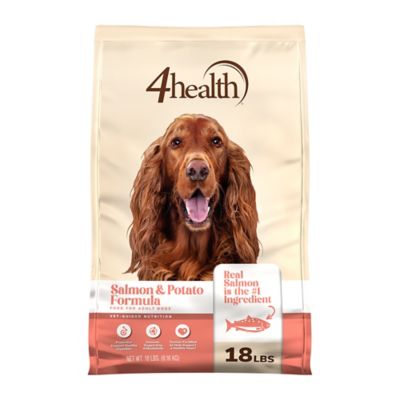
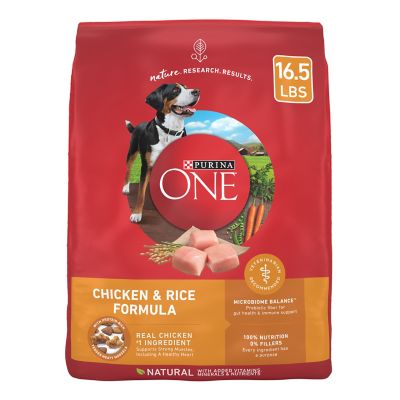
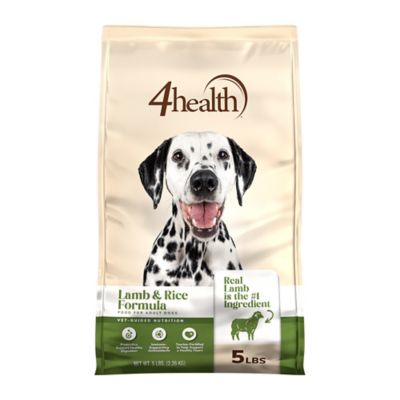
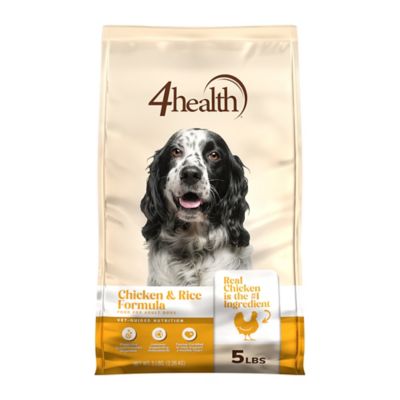
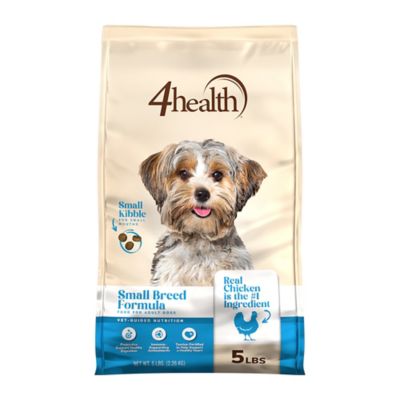
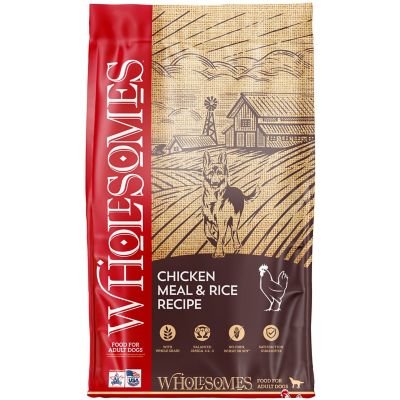
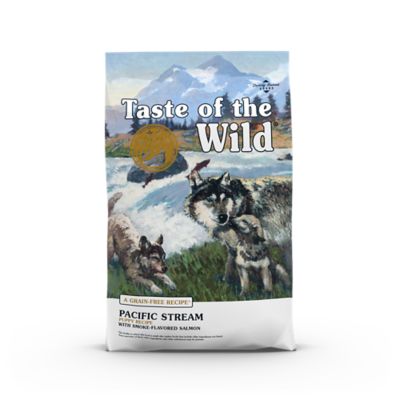
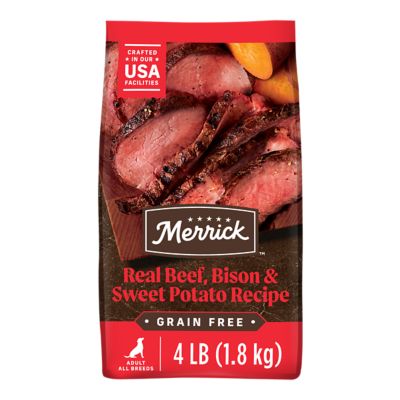
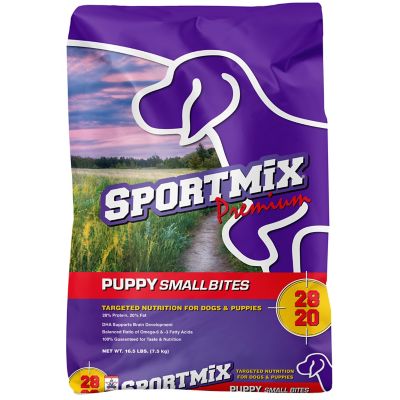
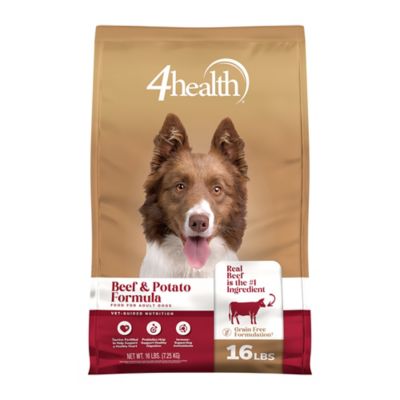
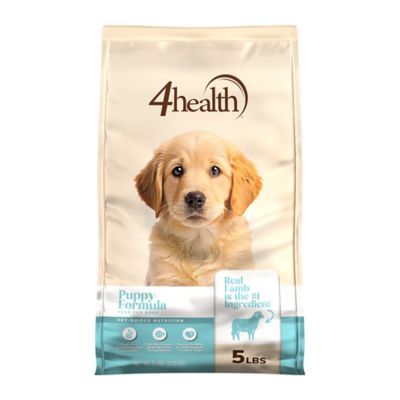
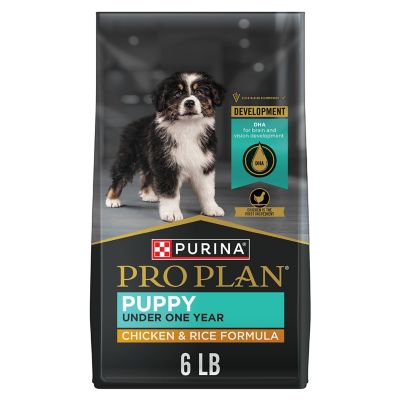
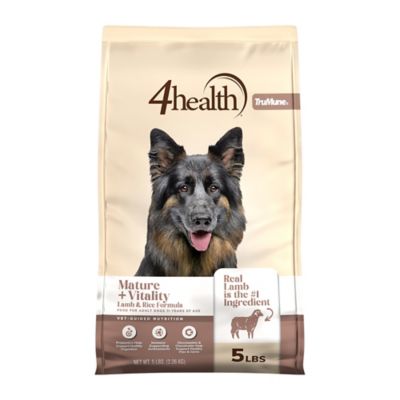
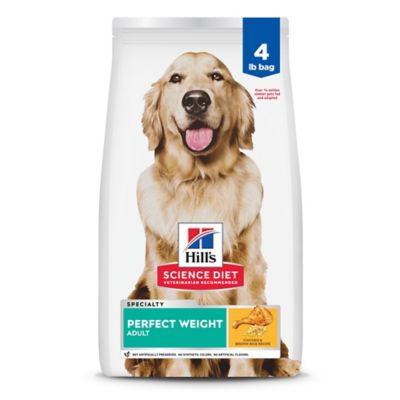
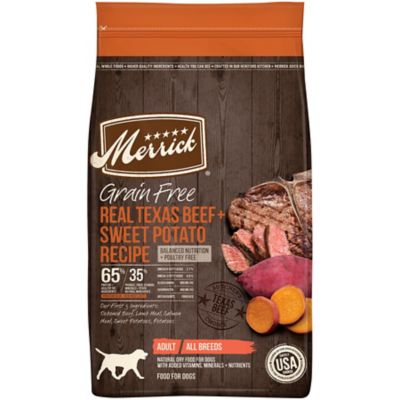
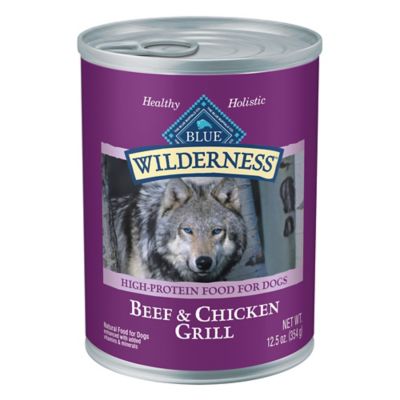
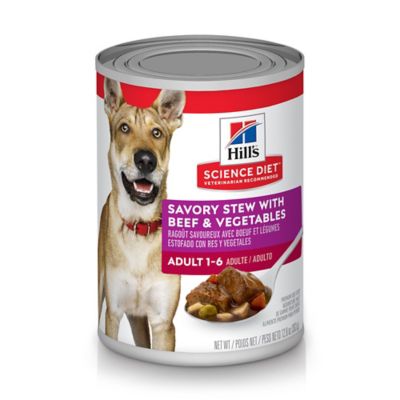
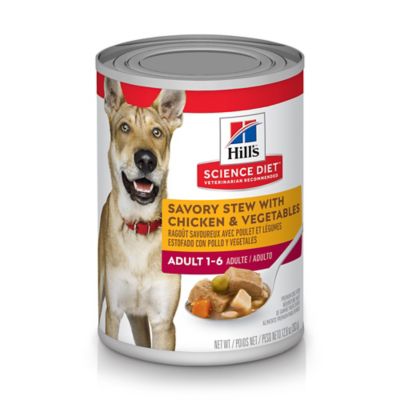
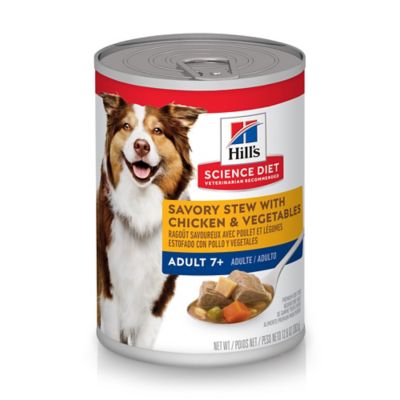
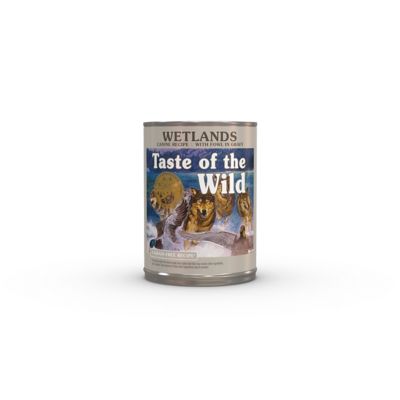
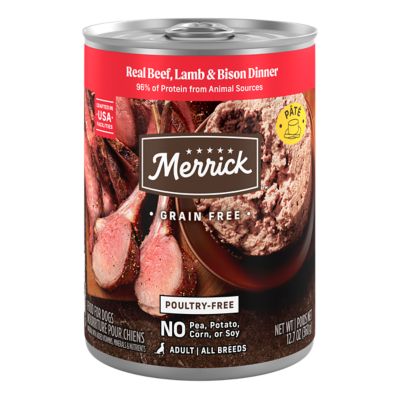
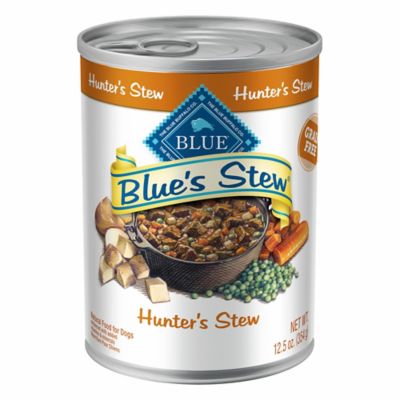
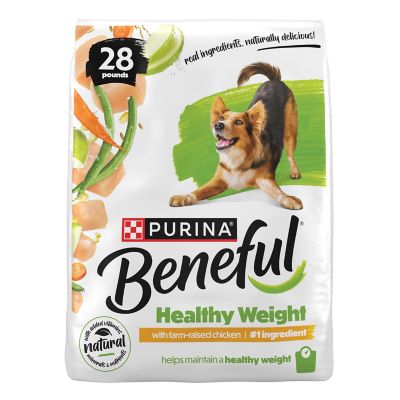
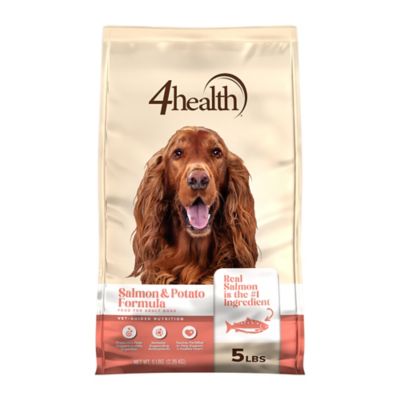
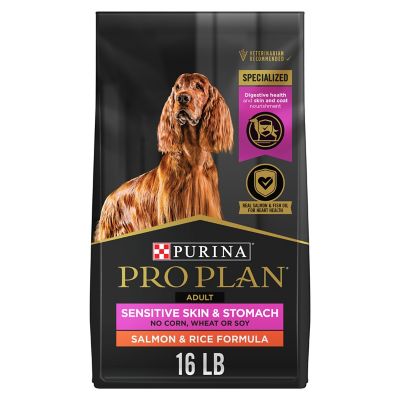
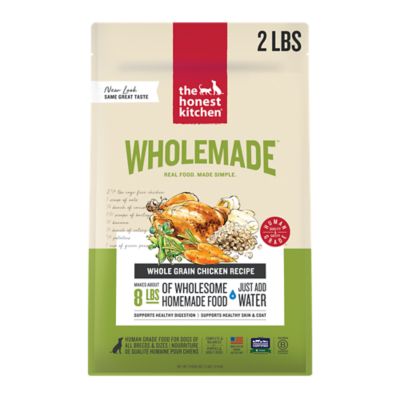
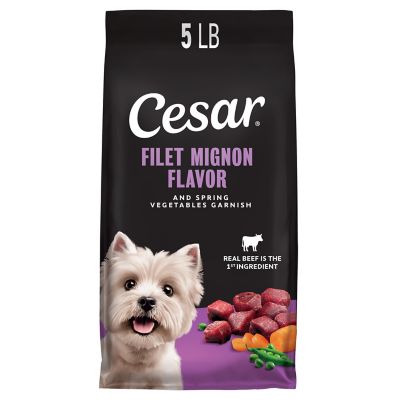
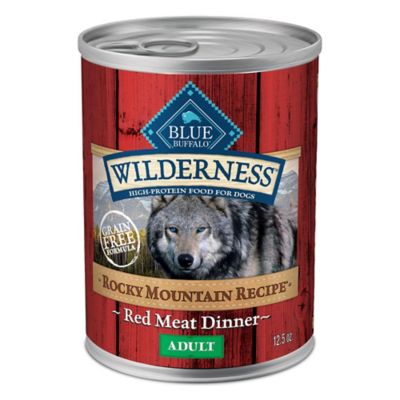
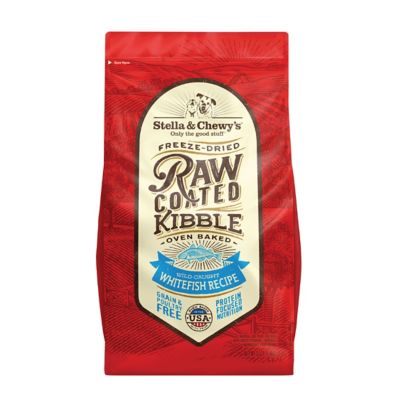
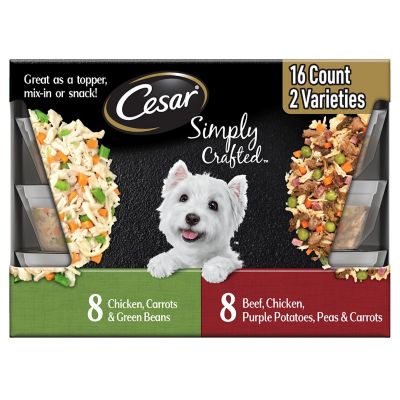
Finding affordable dog food is a practical way to care for your dog while keeping more room in the household budget for treats, flea and tick care, toys, bedding and routine veterinary visits. Whether you are feeding a lively farm dog, a house companion, a growing puppy or a senior dog who prefers a softer bite, the right everyday food should provide dependable nutrition without making mealtime complicated. Start by checking the label for a statement that the recipe is complete and balanced for your dog’s life stage. Puppies, adult dogs and senior dogs can have different nutritional needs, and food made for a particular size or activity level may be a better fit for some pets. Ingredients also deserve a close look. Many families begin with a recipe built around an animal-based protein and familiar grains or other carbohydrate sources, then compare the guaranteed analysis for protein, fat and fiber. A lower shelf price does not always mean the lowest overall cost, so compare the price per pound and the amount your dog is meant to eat each day. Larger bags often offer better value for homes with multiple dogs or a big-boned companion with a hearty appetite, while smaller bags may make more sense for a small dog, a picky eater or a household trying a new recipe for the first time. Affordable dog food can include dry kibble, canned meals, toppers and other everyday options, giving you room to match your dog’s preferences and your feeding routine. Dry food is easy to measure, store and carry to the barn, campsite or weekend visit, while wet food can add moisture and may be useful for dogs who have trouble chewing or need extra encouragement at mealtime. A simple bowl of food can also make a thoughtful, useful gift for someone welcoming home a new puppy, adopting a dog from a shelter or caring for a pet through the cooler months. For a gift, choose a versatile everyday recipe only when you know the dog’s age, size and dietary needs; otherwise, a gift card, storage container or feeding supplies may be a safer choice.
Buying in bulk can help stretch your pet-care dollars, especially when you have several dogs or a large breed that goes through food quickly. Before choosing the biggest bag, make sure your dog eats that recipe consistently and that you have a clean, dry place to keep it. Food stays fresher when it is stored in its original bag inside a sturdy, airtight container, away from heat, damp floors, direct sunlight and curious pets. Keep the lot number and expiration information handy, and wash the container between bags instead of simply topping off old food with new food. A scoop or kitchen scale can help keep portions steady, since overfilling the bowl can quietly raise food costs and contribute to unwanted weight gain. Feeding directions on the bag are a starting point, not a rule carved in stone. Dogs that spend long days running fences, working livestock or playing outdoors may need a different amount than a less active dog, while an older dog may benefit from a smaller portion as activity slows. Watch your dog’s body condition, energy, stool quality and appetite over time, and make gradual adjustments with guidance from a veterinarian. When changing foods, mix the new recipe with the old one over several days, slowly increasing the new food as your dog adjusts. A sudden switch can lead to loose stool, gas or a dog turning up its nose at the bowl. Dogs with allergies, a sensitive stomach, a history of urinary concerns or other health needs may require a special diet, and a veterinarian can help you choose an appropriate formula rather than relying on price or packaging alone. If your dog develops persistent vomiting, diarrhea, itching, weight changes or a noticeable drop in appetite, pause the food experiment and contact your veterinary clinic.
The products gathered here make it easier to compare affordable dog food choices by food type, bag size, recipe and intended life stage. For many households, the best value is a complete and balanced everyday food that your dog enjoys, digests well and can eat consistently. Look for clear feeding directions, sound packaging and a current AAFCO nutritional adequacy statement that matches your dog’s stage of life. It is also worth considering where and how meals will be served. A dry recipe may be handy for filling a puzzle feeder on a rainy afternoon, packing along for a hunting trip or keeping in a sealed bin near the mudroom, while canned food can be useful for mixing with kibble or helping an older dog settle into a comfortable meal. If you are shopping for more background before comparing options, the
Best Dog Food page offers additional information to keep in mind. During the warmer season, store opened food where humidity, insects and outdoor pests cannot reach it; as the weather cools, avoid leaving bags in an unheated, damp shed where condensation can affect freshness. Keep fresh water available alongside every meal, and wash food and water bowls regularly. From a young pup learning to sit by the back door to an old companion snoozing beside the woodstove, dogs do best with a steady routine, sensible portions and food that fits their individual needs. Affordable choices can support that routine without cutting corners on the basics, helping you keep your dog well-fed through busy workdays, muddy weekends and the everyday moments that make having a dog worthwhile.