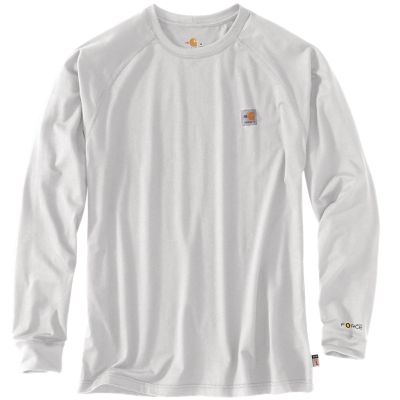
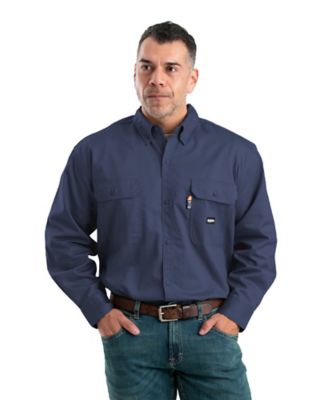
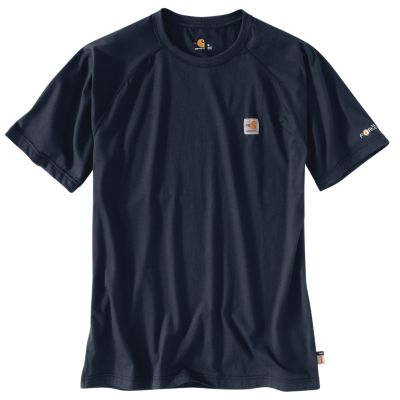
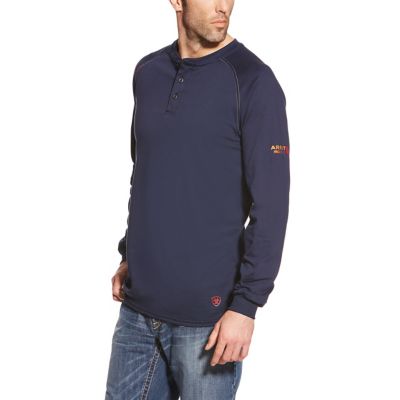
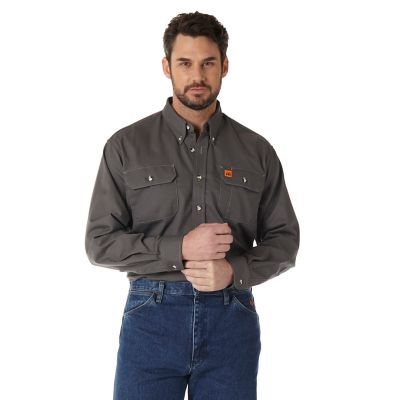
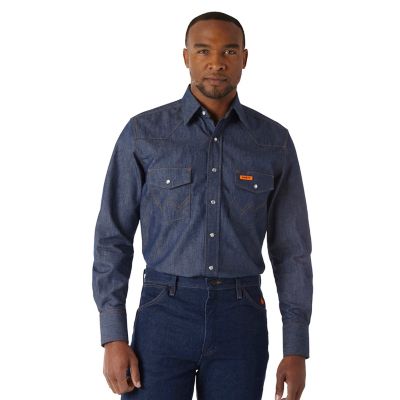
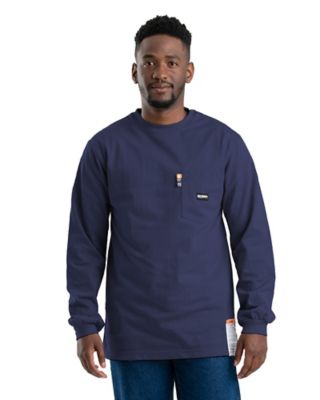
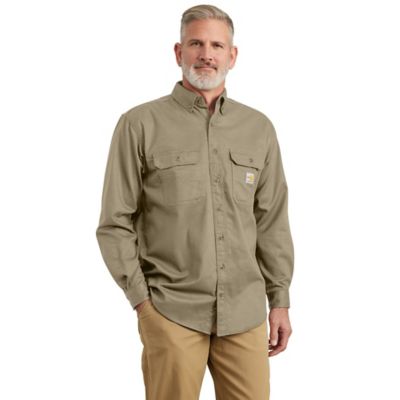
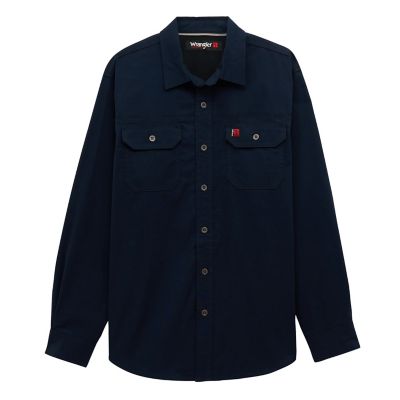
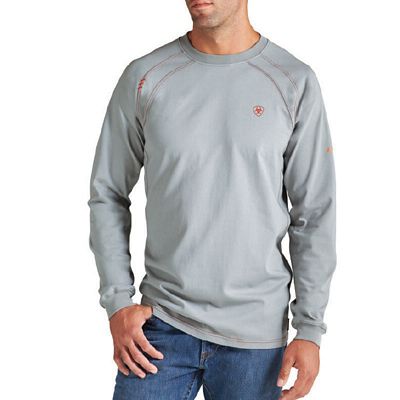
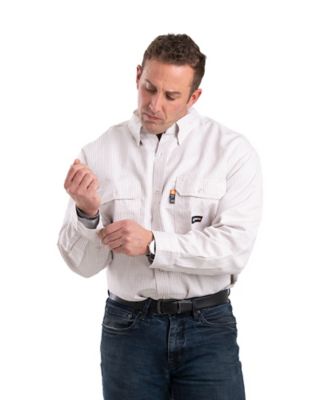
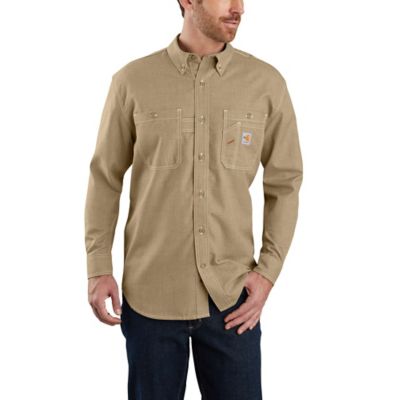
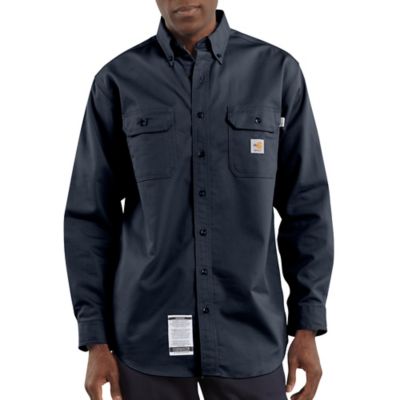
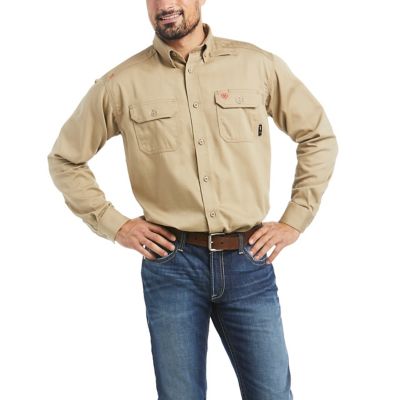
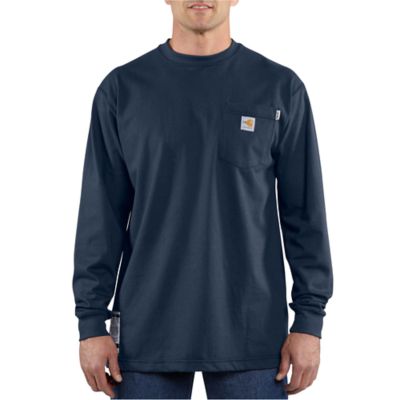
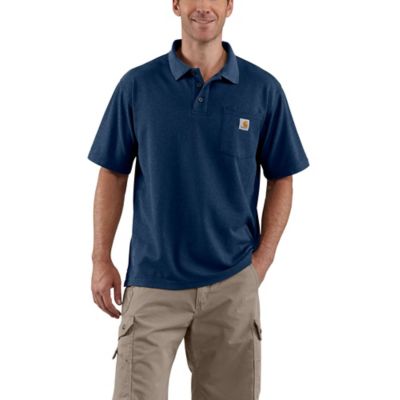
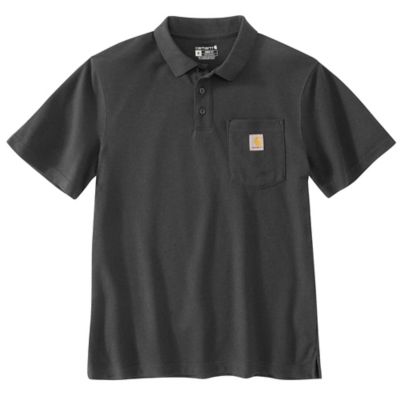
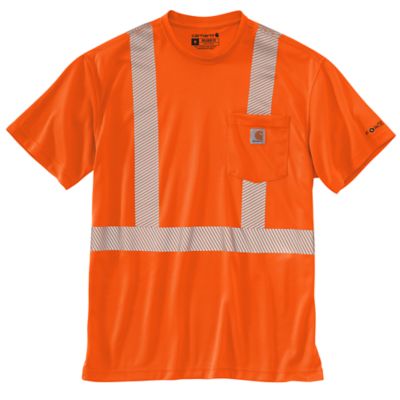
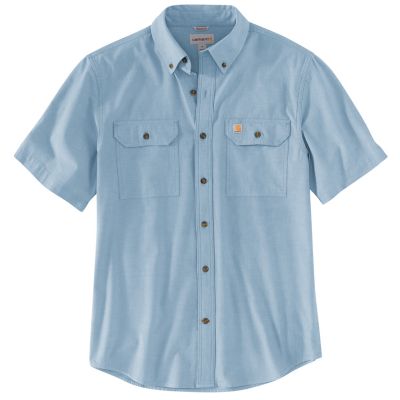
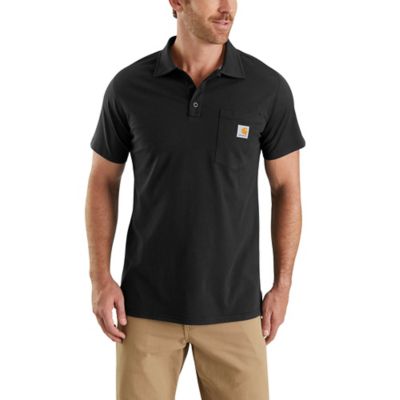
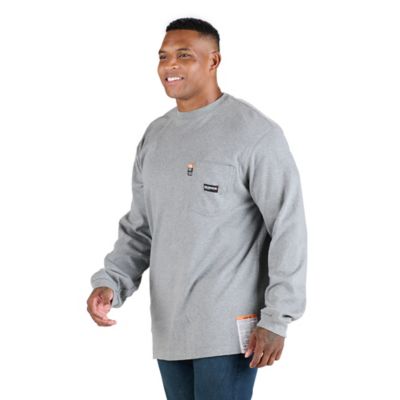
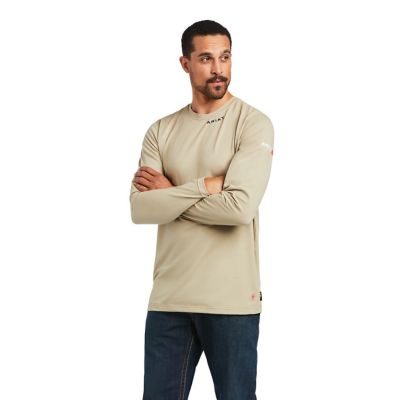
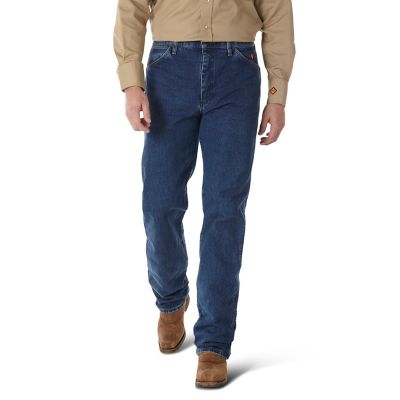
Flame resistant shirts are made for people whose work can bring them close to flash fires, electric arc flashes, or other short bursts of intense heat. They are commonly worn in electrical, utility, oil and gas, welding, refinery, manufacturing, construction, agricultural, and industrial jobs, along with other work settings where ordinary clothing may ignite or continue burning after contact with a flame. An FR shirt is designed to self-extinguish when the heat source is removed, giving the wearer valuable protection during an accident. It is not fireproof, and it cannot prevent every burn, but it can help reduce the severity of thermal injuries when used as part of a complete safety program. Electricians and lineworkers may need arc-rated shirts for energized equipment, while oilfield crews, welders, and plant workers may look for garments designed for flash-fire hazards. Always follow the requirements set by an employer, safety officer, or jobsite, since the right shirt depends on the hazards present and the rest of the protective equipment being worn. Look for clear information about the garment’s intended use, flame-resistant construction, and applicable testing or certification. NFPA 2112 is a standard commonly associated with industrial garments for protection against flash fires, while NFPA 70E addresses electrical safety in the workplace and helps guide arc-flash protection practices. Arc-rated clothing may also list an ATPV, or arc thermal performance value, which indicates the level of energy the fabric can withstand before a second-degree burn may occur. CAT, or PPE category, ratings may appear in workplace requirements as well. A shirt labeled for CAT 1 or CAT 2 use may be suitable for certain tasks, but the required rating should always be matched to the hazard assessment rather than chosen by guesswork. FR shirts come in several everyday styles, including work button-downs, henleys, and lightweight tees, so workers can choose a layer that fits the job without giving up comfort. A button-down can suit a neat uniform or a long day on the farm, while a soft tee may work well as a base layer under a jacket or coveralls. For additional coverage during cooler conditions or on jobs where the arms need protection, browse
Flame Resistant Long Sleeve Shirts.
Comfort matters when a shirt is worn through a full shift, especially outdoors where the day may start cool, warm up under the sun, and finish with a sharp evening chill. Consider fabric weight, breathability, moisture management, and sleeve length alongside the required protection. Cotton and cotton-blend fabrics often have a familiar workwear feel, while performance blends may help move sweat away from the skin during hard labor. A lighter shirt can be easier to wear during warm weather, but a heavier option may provide welcome durability and warmth during the cooler months. Check the size chart carefully and leave enough room for normal movement without choosing a loose, oversized fit that could catch on equipment. The cuffs should stay secure, the shirt should remain long enough to stay tucked when required, and closures should be easy to manage with gloved hands. Layering is another practical consideration: every layer worn in a hazardous area needs to meet the job’s safety requirements, since non-FR jackets, sweatshirts, or base layers can affect the protection of the full outfit. Avoid assuming that a regular cotton shirt offers the same protection as a garment specifically made and labeled as flame resistant. Care also plays a big part in keeping workwear dependable. Follow the garment’s washing instructions, use the recommended detergent, and avoid chlorine bleach, fabric softeners, or other products that may leave a flammable residue or affect the fabric’s performance. Grease, oil, paint, chemicals, and other combustible materials can create additional hazards, so stained or contaminated clothing should be handled according to workplace procedures. Inspect shirts regularly for thinning fabric, torn seams, damaged closures, or heavy wear around the elbows and cuffs, and replace garments that no longer fit properly or show signs of damage. FR shirts can make a thoughtful gift for a family member, friend, or new hire who spends long hours around electrical equipment, welding sparks, fuel, machinery, or outdoor work. They are especially useful for someone building a work wardrobe, starting an apprenticeship, heading to a new industrial job, or preparing for a demanding season on the ranch or jobsite. A practical gift is easier to appreciate when it fits the person’s routine, so consider whether they prefer short or long sleeves, a relaxed or traditional work cut, and a lighter or heavier fabric. Most importantly, confirm the safety rating and employer requirements before purchasing. The right flame resistant shirt should feel comfortable enough to wear all day, tough enough for real work, and clearly suited to the hazards it was made to help manage.