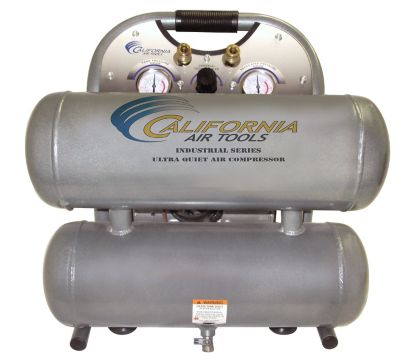
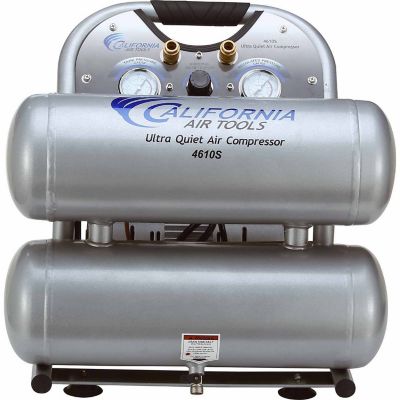
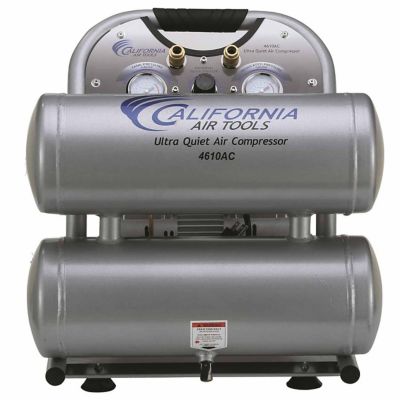
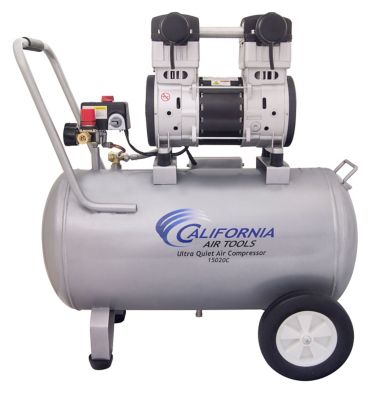
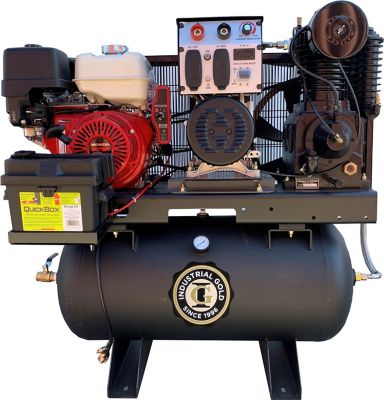
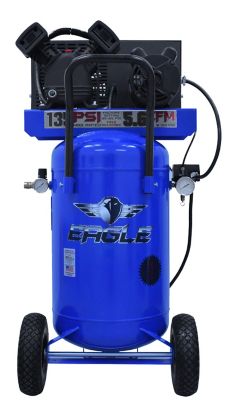
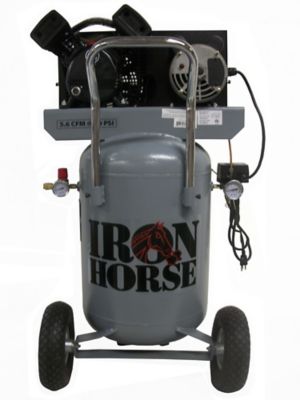
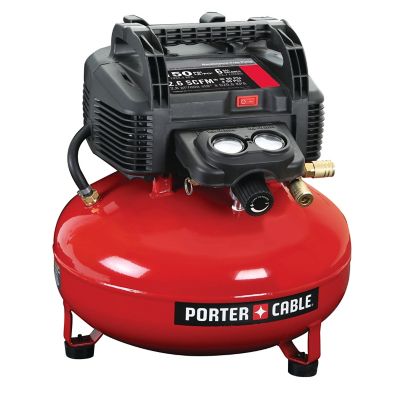
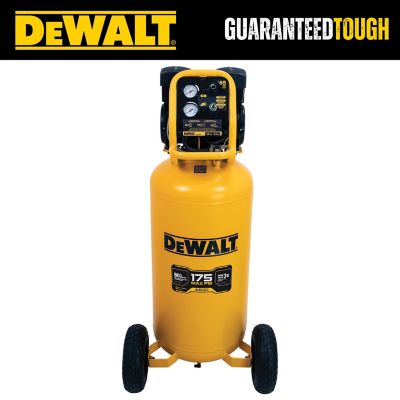
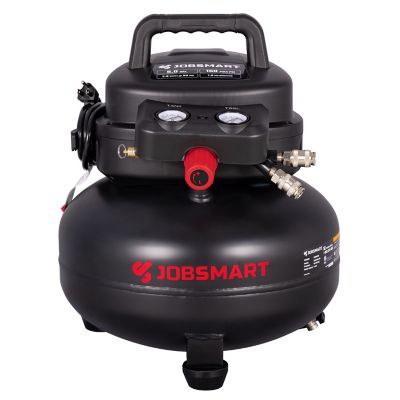
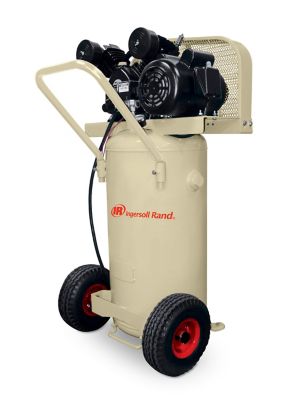
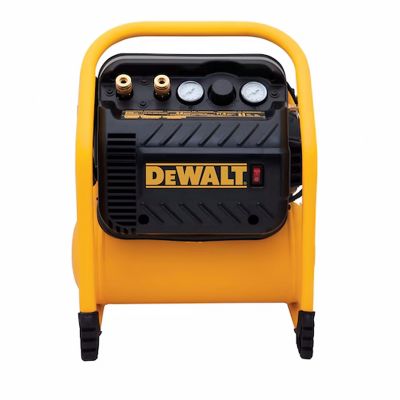
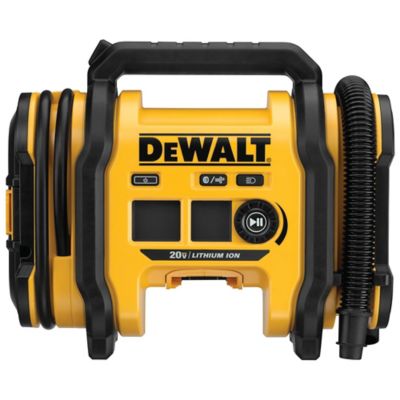
A 110V air compressor brings compressed air to the garage, workshop or farm outbuilding without necessarily requiring a higher-voltage electrical circuit. Often described as 110-volt, 115-volt or 120-volt equipment, compressors in this category generally operate on nominal 120-volt household power, but the motor’s nameplate and electrical requirements determine the right connection. A grounded outlet, sufficient circuit capacity and the manufacturer’s installation instructions matter more than whether a plug simply fits. That makes these compressors a practical fit for folks who want to inflate wheelbarrow tires, run a finish nailer or keep an air supply handy at the workbench. Their usefulness stretches from occasional home repairs to woodworking and lighter shop chores, provided the compressor’s output matches the job. A compact machine can make sense for fastening trim around a doorway, where the nailer takes short bursts of air with pauses between shots. Running a sander across a broad tabletop is a different proposition: that steady demand can outpace a small compressor even when its tank pressure looks plenty high. For that reason, tank capacity, air delivery and operating pressure tell a more useful story together than horsepower alone. Tank size, measured in gallons, describes stored air; it does not tell you how quickly the pump can replace it. Pounds per square inch, or PSI, describes pressure, while standard cubic feet per minute, or SCFM, describes airflow under stated conditions. Compare the compressor’s rated airflow at the tool’s required pressure with the tool manufacturer’s air requirements, allowing the operating margin those instructions recommend. A high maximum PSI rating does not automatically mean a compressor can keep a demanding tool running. For tire inflation, also check that the equipment can reach the tire’s specified pressure and use a suitable tire gauge rather than treating the tank gauge as a tire reading. Whether the work involves a mower tire or a brad nailer at the bench, matching air delivery to the task helps keep a straightforward chore from turning into a string of stops.
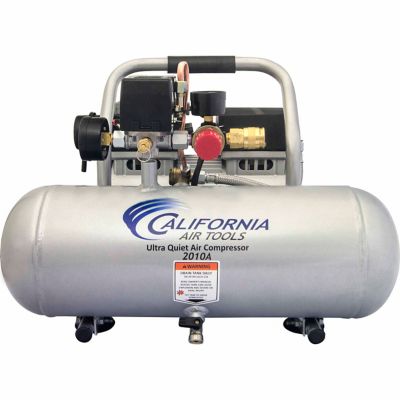
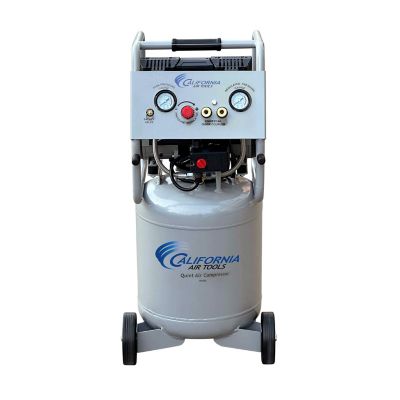
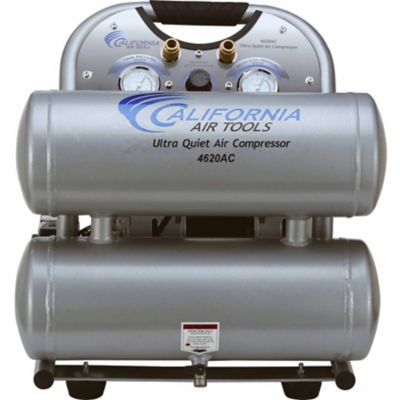
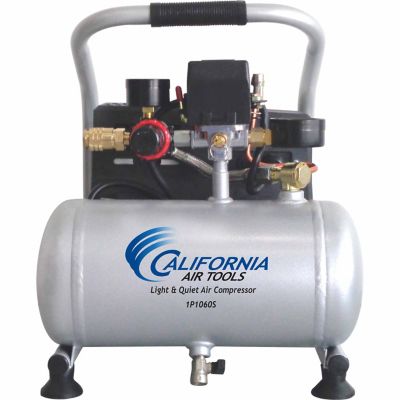
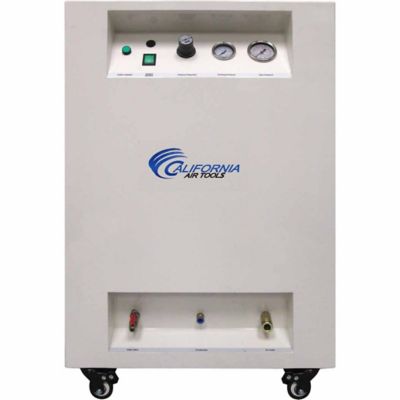
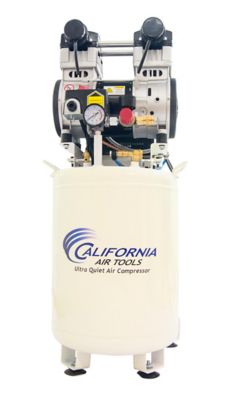
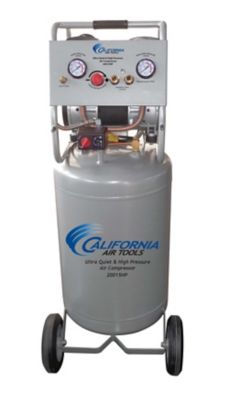
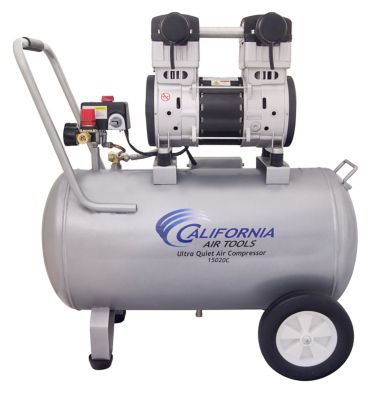
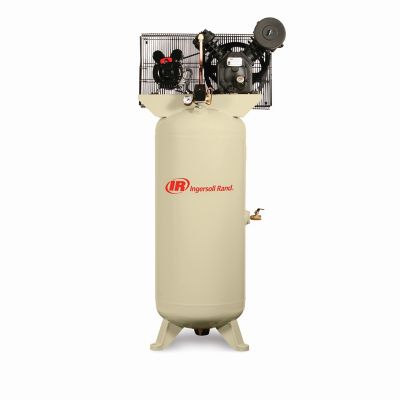
The physical layout of a 110V air compressor makes a real difference when it shares space with feed bins, tool cabinets and a parked pickup. Pancake-style tanks have a low profile and a broad footprint, while horizontal tanks stretch farther along the floor. Vertical designs can leave more floor space around the machine, though overall height and stability still deserve a look. Handles, wheels and the placement of the controls affect how easily a portable compressor moves from its storage spot to the work area. Weight matters just as much as the word portable: rolling across a smooth concrete slab is different from lifting a machine over a threshold or loading it into a truck. For a compressor that stays in one place, leave the clearance the manufacturer specifies for airflow, access to the drain and routine service. Keep it on a stable surface, and secure it as directed for transport rather than letting it shift beside other equipment. Tank and pump construction also shape everyday ownership. Steel tanks need proper moisture management to help limit internal corrosion, and pump materials, including cast-iron components on some designs, should be considered alongside the pump configuration and service requirements. Oil-free pumps simplify routine care by eliminating pump-oil checks and changes, but they still need attention to filters, fittings and tank drainage. Oil-lubricated pumps require the specified lubricant and a regular service schedule. Neither design alone tells the whole story about service life or sound level. Published decibel ratings are useful when the measurement conditions are comparable, especially in a small shop where the compressor sits near the bench. Rubber feet can help reduce vibration transfer, but they do not replace hearing protection when sound exposure calls for it. Accessible gauges, an easy-to-reach regulator and convenient hose connections can make everyday work less fussy. If two outlets are provided, remember that both share the compressor’s total air delivery; a second connection does not double its capacity.
Getting steady service from a 110V air compressor depends on the parts between the tank and the tool, along with the way the machine runs. Air hoses need pressure ratings suited to the system, compatible couplers and an inside diameter that supports the tool’s airflow requirements. An overly long or narrow hose can cause pressure loss at the working end, particularly with tools that draw air continuously. Route the hose away from sharp edges, moving machinery and walkways, and inspect it for cracking or damaged connections. Follow the compressor manufacturer’s electrical guidance, including any dedicated-circuit requirement. Where an extension cord is permitted, its length and wire size must meet those instructions; a longer air hose may be the recommended way to reach the work instead. Duty cycle deserves attention, too. It describes allowable run time over a stated period, not a promise that every compressor can pump continuously. A machine that handles a few fastening jobs comfortably may struggle to supply a grinder, spray gun or impact wrench through repeated operation. If the intended workload exceeds a suitable 120-volt machine’s airflow or duty cycle,
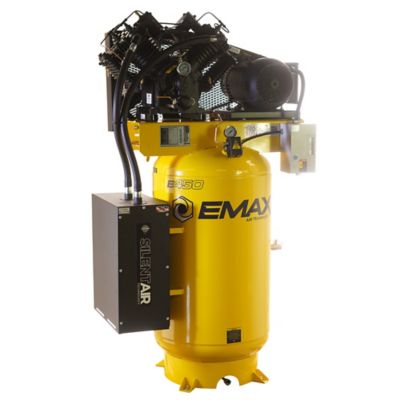
220V Air Compressors offer another category to consider, with electrical installation requirements to check before choosing. Voltage alone still does not establish performance; compare the actual output ratings. For ongoing care, drain condensation at the intervals and by the method specified in the manual, inspect the intake filter and check connections for leaks. Persistent leaks waste stored air and make the pump cycle more often. Moisture separation and filtration may also matter for air tools and finishing work, with requirements that vary by application. Follow each tool’s lubrication instructions rather than assuming every air line needs added oil. Keep guards and safety devices in place, disconnect power and release pressure as instructed before servicing, and never alter or repair a pressure tank yourself. With a sensible match between the compressor, electrical supply and tools, compressed air earns its place beside the workbench for repairs, fastening and everyday upkeep.