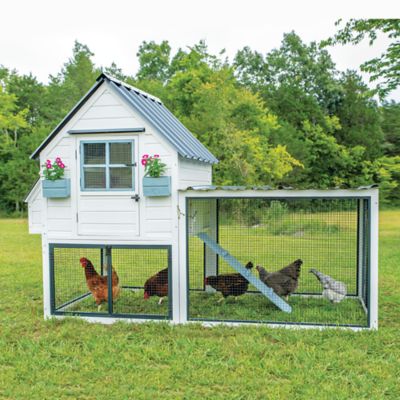
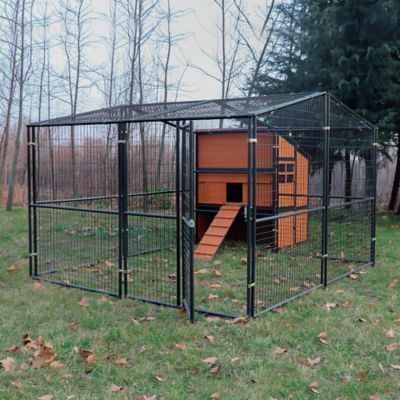
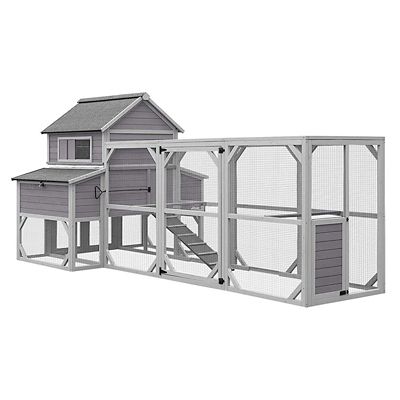
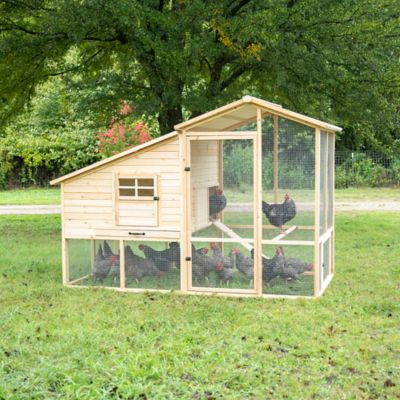
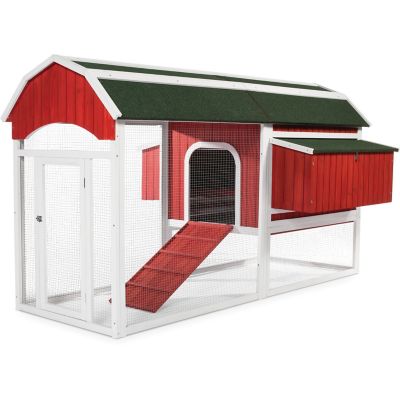
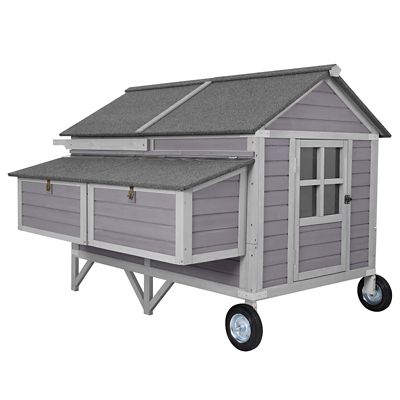
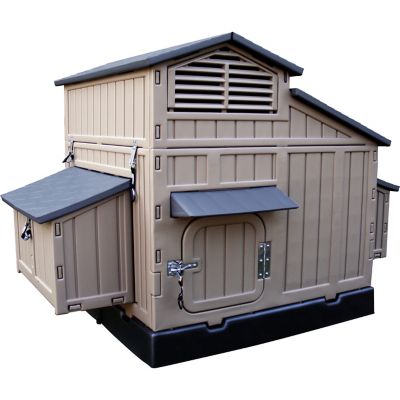
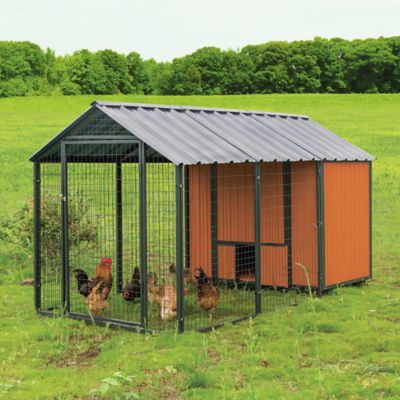
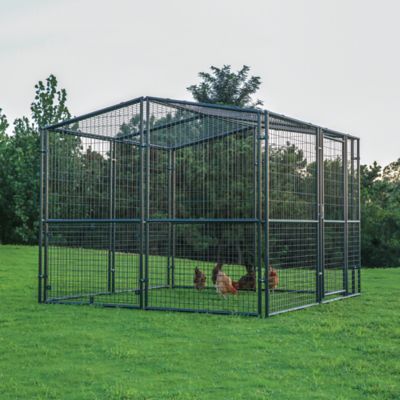
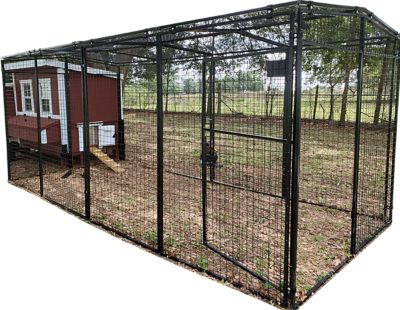
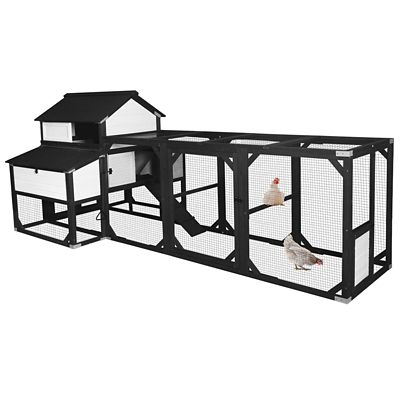
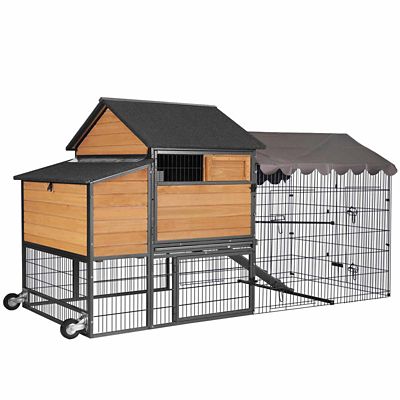
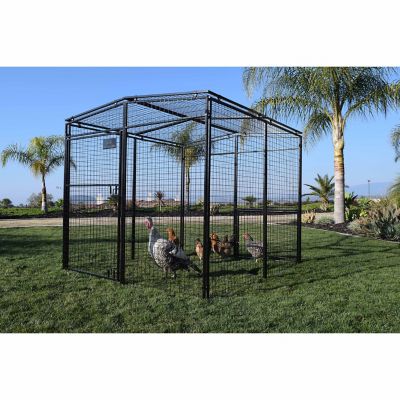
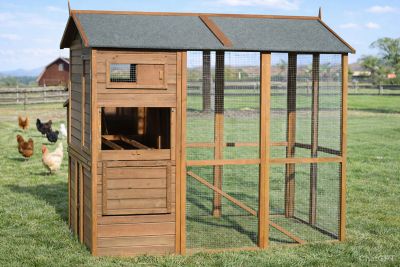
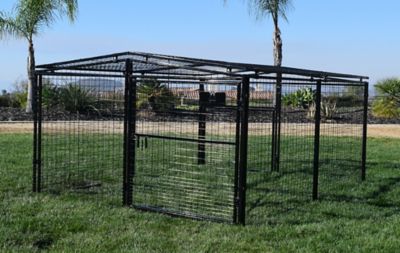
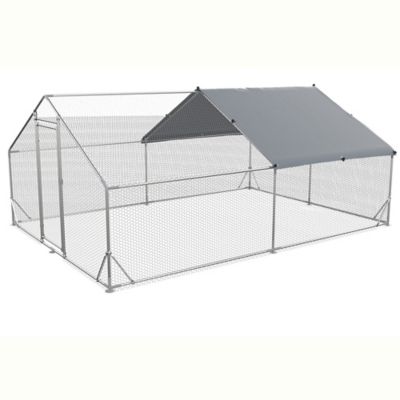
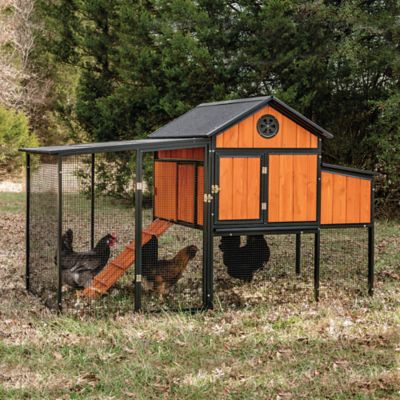
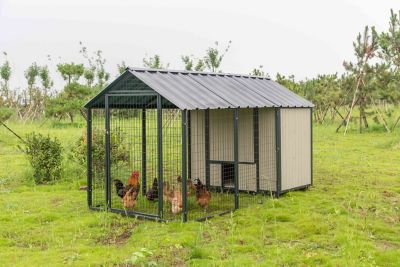
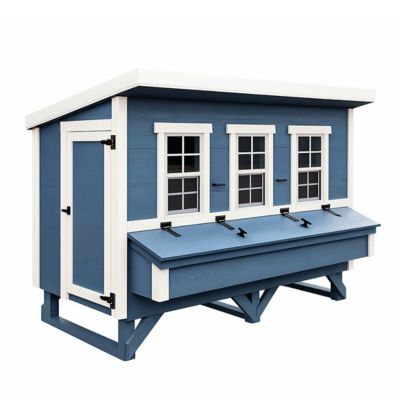
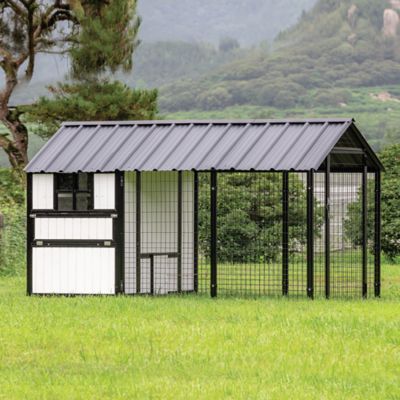
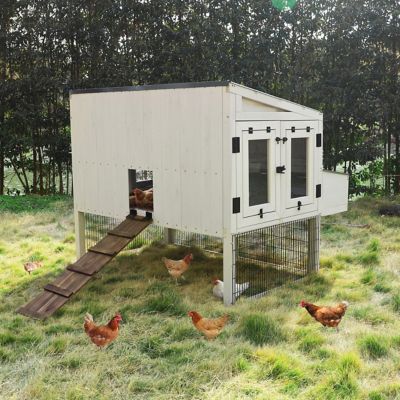
Choosing a chicken coop for 10 chickens starts with giving the flock enough room to move, rest, and settle into a steady routine. As a general rule, plan on at least 3 to 4 square feet of indoor floor space per bird, or about 30 to 40 square feet inside the coop for a flock of ten. That space should be usable floor area rather than including nesting boxes, feeders, or bulky dividers. More room is helpful in damp weather, during the cooler months, or whenever the birds spend extra time inside. A coop with an attached run gives chickens a safe place to scratch, dust-bathe, stretch their wings, and peck at the ground without wandering into the garden or across the road. If the flock will stay in a run most of the day instead of free-ranging, aim for at least 10 square feet of outdoor run space per chicken, or about 100 square feet for ten birds. A covered run can be especially useful when rain, snow, or muddy ground makes free-ranging less practical. Look for a layout with easy access to the eggs, a door large enough for comfortable cleaning, and panels or gates that make daily chores simple. A coop that looks good in the yard still needs to work well at feed time, and a few minutes saved each morning adds up over the course of a season. Placement matters, too. Set the coop on high, well-drained ground where water will not collect around the walls, and choose a location with some shade during hot weather and protection from strong prevailing winds. Good airflow is important in every season. Vents placed high along the walls allow warm, damp air to escape while helping prevent a chilly draft at roost level. During cooler weather, resist the urge to seal every opening tight; moisture buildup from droppings and chicken breath can lead to frostbite, respiratory trouble, and stale bedding. A dry, well-ventilated coop is usually more comfortable than a tightly closed one.
Interior details make a big difference for a flock of ten. Chickens naturally prefer to sleep off the ground, so provide about 8 to 10 inches of roosting space per bird, or roughly 7 to 9 feet of total roost length. If possible, use more than one roost bar so lower-ranking birds have room to move away from flock mates. Roosts should be sturdy, easy to clean, and placed higher than the nesting boxes, since chickens tend to sleep on the highest available surface. Rounded lumber with a broad, comfortable top works better than a narrow dowel, and all edges should be smooth to help prevent foot injuries. Three or four nesting boxes are generally enough for ten hens; adding too many boxes takes up floor space without guaranteeing that every hen will use a separate one. Place nesting boxes in a darker, quieter part of the coop, below the roosts, and fill them with clean nesting material that can be changed without a fuss. Feeders and waterers should be positioned where they stay dry and are less likely to be covered in bedding or droppings. Hanging or raised equipment can help reduce waste, though it should still be easy for every bird to reach. A well-designed coop for 10 chickens also needs dependable predator protection. Use sturdy latches that raccoons cannot easily manipulate, secure doors and windows at night, and consider hardware cloth rather than ordinary chicken wire on openings and run panels. Chicken wire is useful for keeping birds contained, but it is not strong enough to stop many determined predators. Burying a section of wire around the run perimeter or adding an outward apron can help discourage digging animals. Check the roof, corners, hinges, and ground-level edges regularly, since a small loose board or gap can become a nighttime problem. For shoppers comparing different sizes, a smaller flock may need less interior space and a shorter run; browse
Chicken Coops For 4 Chickens for options suited to a more compact setup.
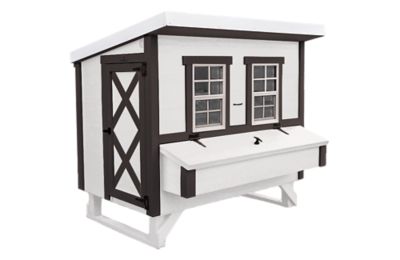
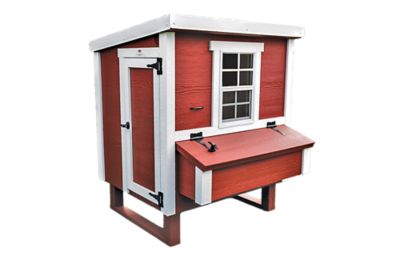
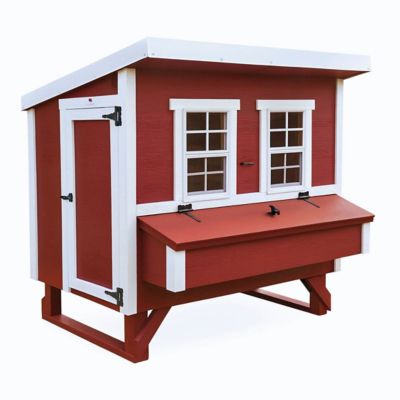
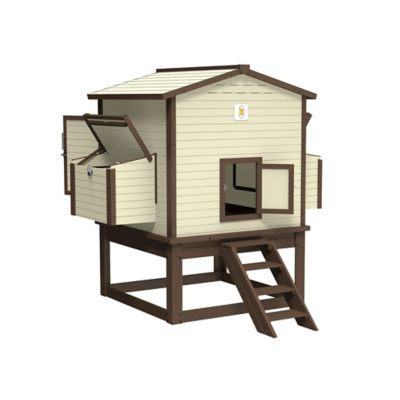
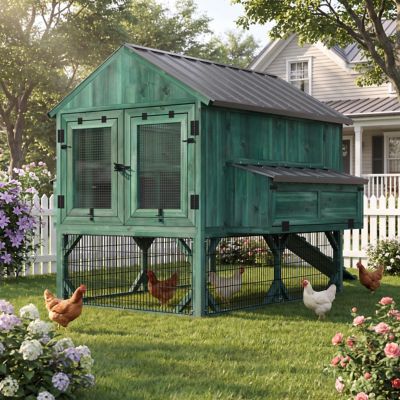
Ready-made coops can be a practical choice for new chicken keepers, busy families, hobby farmers, and anyone who wants to get a flock settled without designing a building from scratch. Prefabricated kits may include an enclosed sleeping area, nesting boxes, doors, and an attached run, while larger shed-style structures can offer more headroom, storage, and room for customization. When comparing options, pay attention to the actual usable dimensions rather than the outside footprint, and account for whether the listed capacity assumes free-ranging. Ten full-size hens need more space than ten small bantams, and a rooster may require additional room depending on the flock’s temperament. Wood can blend naturally into a backyard or farm setting and may be painted or sealed, while other materials can offer easier cleanup and resistance to rot. Whatever the construction, look for a roof that sheds water, raised or protected flooring, and surfaces that can be swept, scraped, or washed. A coop for 10 chickens can also make a thoughtful gift for someone starting a homestead, raising birds with children, keeping a small backyard flock, or adding fresh eggs to a country kitchen. It is best given alongside practical supplies such as bedding, a feeder, a waterer, or a secure run, since a good home is only one part of responsible chicken care. Before bringing birds home, make sure local rules allow backyard poultry and check any requirements for setbacks, permits, or rooster ownership. Plan a simple care routine that includes fresh water, balanced feed, clean bedding, regular egg collection, and a quick daily check for loose hardware, wet spots, or signs of predators. During the cooler months, pay close attention to ventilation, drafts, mud, and frozen water, while warmer weather calls for shade, airflow, and plenty of clean drinking water. With the right amount of floor and run space, dependable security, comfortable roosts, and easy access for chores, a chicken coop sized for 10 chickens can provide a sturdy home for a lively flock and make everyday care feel like a natural part of life around the farm.