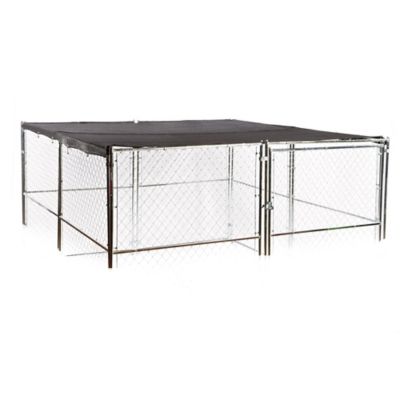
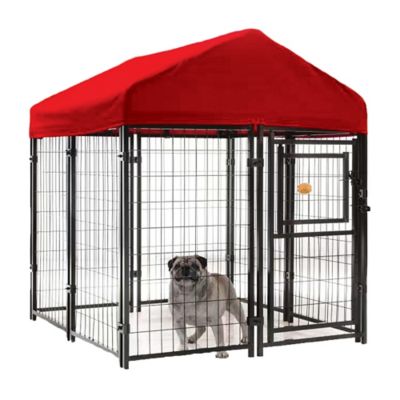
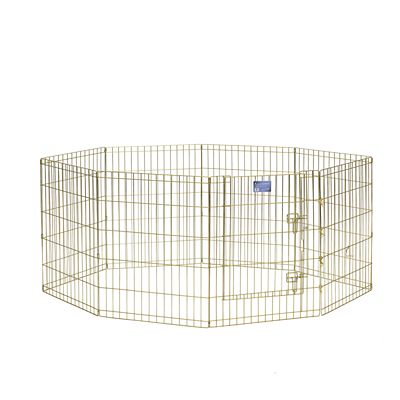
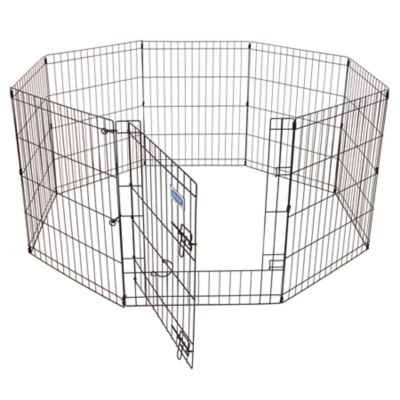
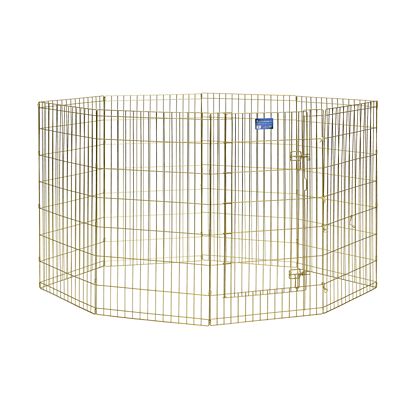
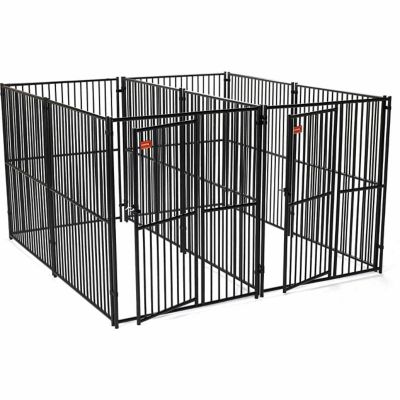
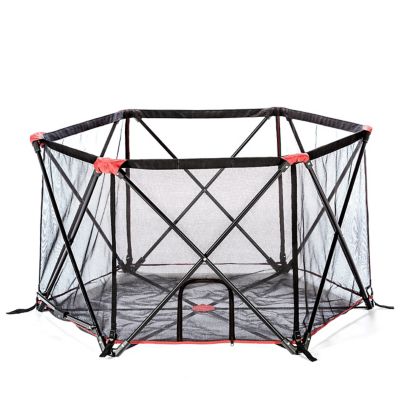
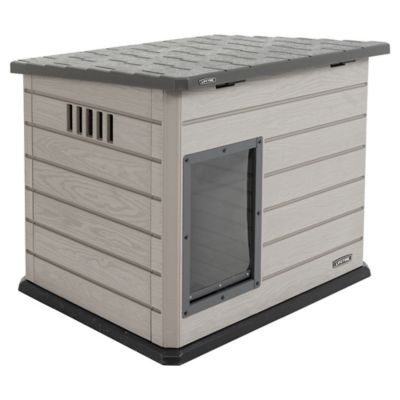
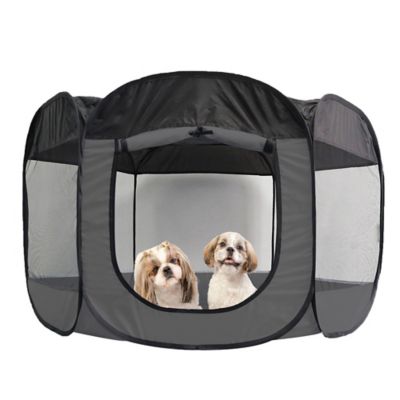
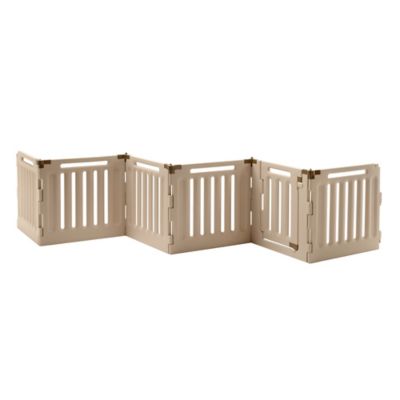
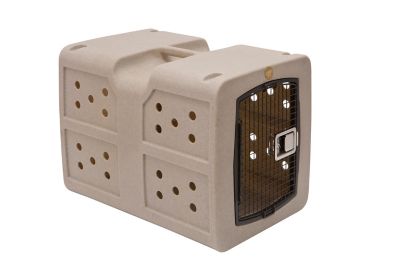
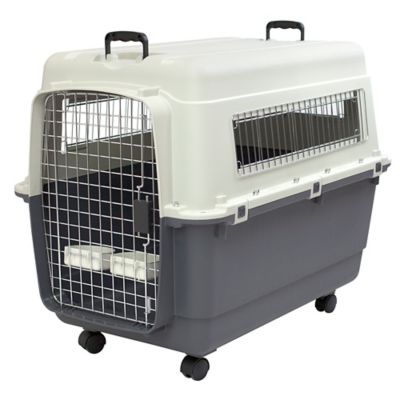
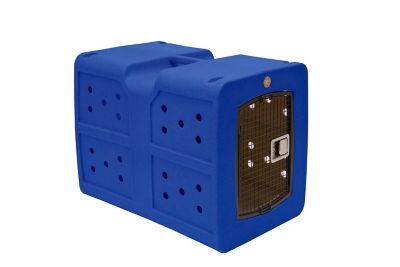
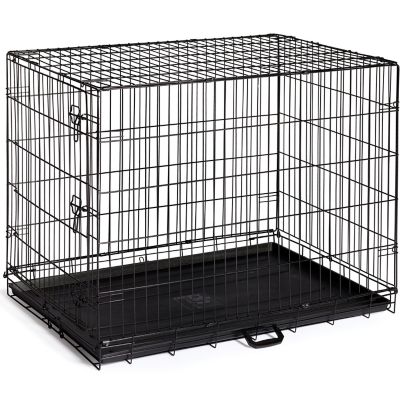
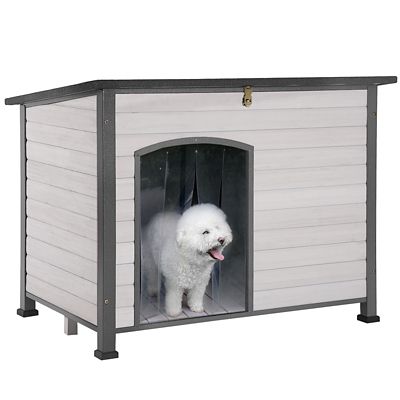
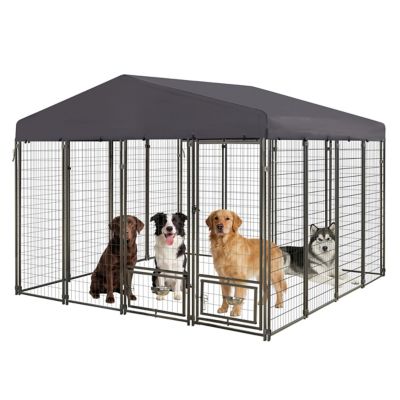
Outdoor dog pens for large dogs give bigger companions a defined place to stretch out, watch the yard and enjoy fresh air while keeping them separate from driveways, garden beds and busy work areas. For a broad-chested retriever, a tall shepherd or a long-legged hound, a good fit involves more than body weight. Shoulder height, standing reach, activity level and escape habits all affect which enclosure makes sense. A roomy footprint lets a dog turn comfortably, walk several paces and lie fully on its side without bumping into bowls or a sheltered resting spot. Space matters even more when a pen also holds a doghouse, since that shelter takes away usable floor area. Large outdoor dog pens can serve different purposes, from a supervised backyard break after a muddy walk to a designated resting area while chores get done nearby. Portable panel pens suit temporary setups and dogs that respect a boundary, while heavier framed enclosures generally make more sense for a regular spot beside the house or barn. Neither style replaces walks, playtime or time with the family. Height deserves particular attention with athletic dogs: a fence that contains a calm companion may not contain a jumper or climber of the same size. There is no single wall height that prevents every large dog from escaping, and fabric shade covers are not containment roofs. Panel openings also need to suit the individual dog so its head, paws or jaw cannot become trapped. For households with more than one dog, extra square footage is only part of the picture; compatible temperaments, separate resting space and supervision matter, too. A pen should feel like a comfortable place to settle, not a crowded holding area. Placing it within easy sight of everyday activity makes it easier to check on the dog, notice a tipped water bowl and catch digging or fence chewing before it becomes a bigger problem.
Materials and construction help determine how an outdoor dog enclosure handles a strong animal and repeated exposure to the weather. Steel frames, welded-wire panels and chain-link fencing are common choices, each with details worth comparing. Welded wire forms a grid with joined intersections, while chain link has an interwoven pattern stretched within its supporting frame. Wire thickness, opening size, frame strength and the way panels connect all contribute to the finished enclosure; a heavy-looking frame alone does not tell the whole story. Galvanized finishes and other protective coatings help resist rust, but scratches, exposed joints and standing moisture still need attention over time. Smooth edges and firmly secured connections are especially important where a dog leans, paws or noses along the fence. Gate construction matters just as much as the surrounding panels. A well-fitting gate should swing freely, close completely and latch without leaving a gap a determined dog can push through. Latches that accept a secondary securing device can add another barrier against accidental opening, provided the hardware is appropriate for the enclosure and stays beyond the dog's reach. A walk-in opening also makes daily jobs easier, whether that means carrying a full water bucket, bringing in bedding or reaching the back corner with a cleaning tool. Modular panels can offer flexibility in layout, but the assembled shape and anchoring must follow the manufacturer's directions. Grass, gravel and concrete each bring tradeoffs: grass can wear down to mud, gravel needs a paw-friendly surface, and concrete requires drainage and a comfortable resting area. Loose ground can invite digging along the perimeter, while uneven ground can leave openings beneath panels. Anchors, ground barriers and surface fasteners need to match both the enclosure and the installation site. Pen walls should not double as attachment points for a tether, and nearby equipment, stacked firewood or a doghouse should not create a step that helps a dog get over the fence.
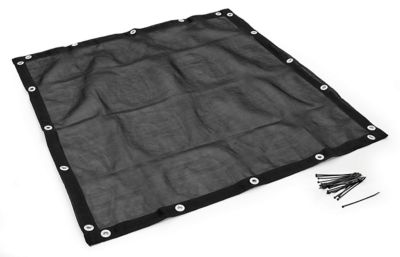
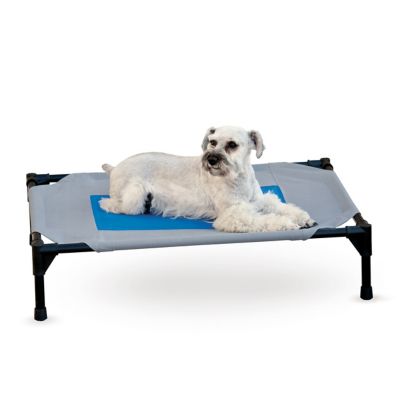
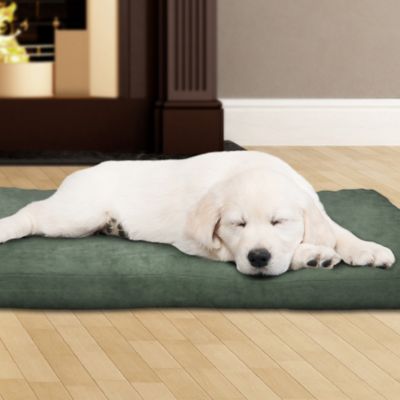
Comfort and upkeep turn a large dog pen from an empty fenced space into a practical part of the daily routine. A location with drainage, suitable shade and protection from prevailing wind is easier to manage than a low patch where puddles linger after every rain. Shade shifts throughout the day, so a spot that feels pleasant early on may be exposed later. Covers can help reduce exposure to sun or rain when their design supports that purpose, but they need the correct fasteners and enough slope to shed water. They should never be assumed to carry snow or ice unless specifically rated for those loads. During the cooler months, damp bedding and wind can chill a dog even when the air does not feel especially cold to a person doing chores. A sheltered, dry resting area helps, but outdoor pens are not substitutes for bringing dogs into appropriate shelter when temperatures or storms put them at risk. Puppies, older dogs and dogs with health concerns may need closer monitoring and shorter outdoor breaks. Fresh drinking water belongs in every setup, with regular checks for spills, dirt and freezing conditions. Keeping bowls away from the gate can help prevent a big, excited dog from knocking them over at greeting time. For a spot to lie down,
Dog Beds For Large Dogs can provide room to stretch, with bedding selected for its intended setting and kept clean and dry. Waste pickup, bowl washing and routine surface cleaning keep the space more pleasant for the dog and anyone working nearby. Cleaning products should be suitable for the materials and applied according to their labels, with the dog kept away until the area is ready for reentry. Regular checks of hinges, latches, panel connectors and ground edges help spot wear before it affects containment. After strong wind or heavy rain, checking anchors and overhead coverings is especially worthwhile. With enough room, appropriate construction and steady attention, an outdoor pen gives a large dog a comfortable place to spend supervised time close to home.