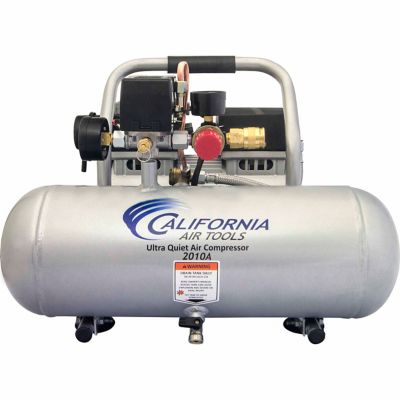
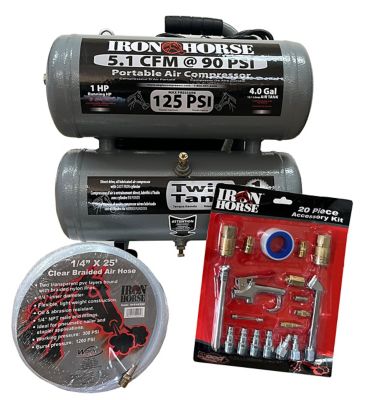
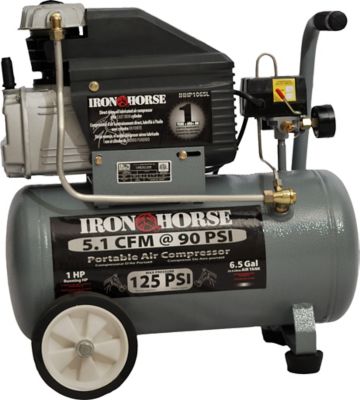
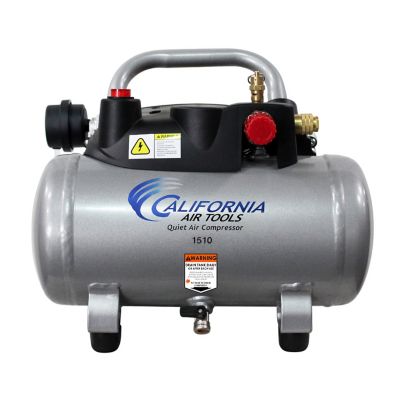
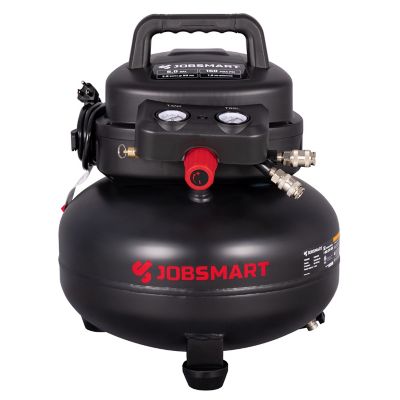
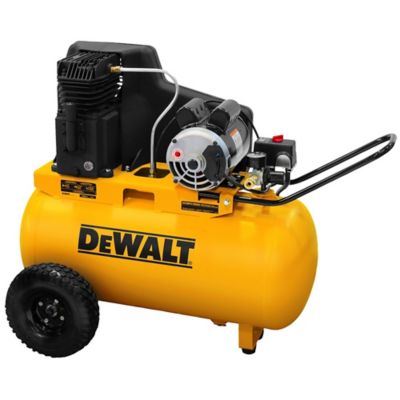
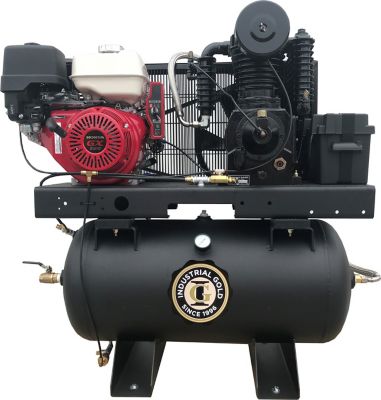
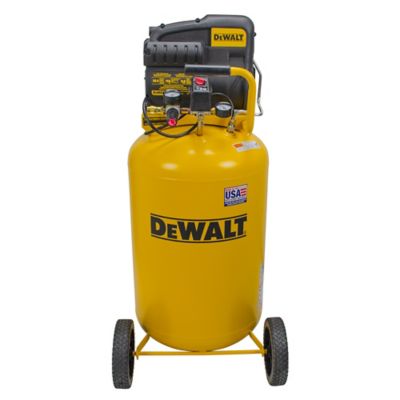
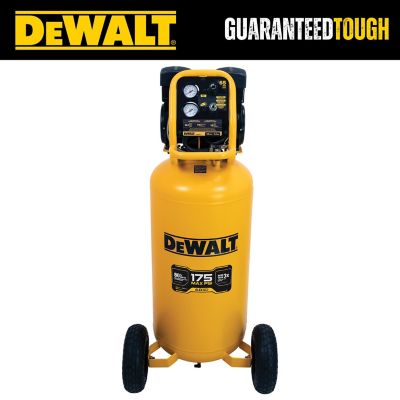
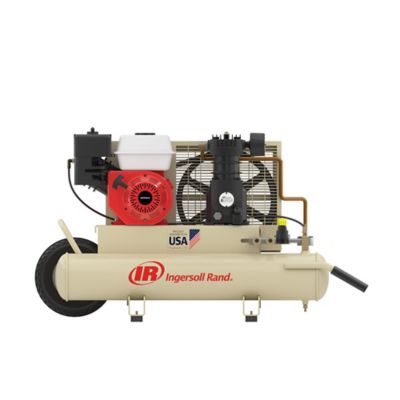
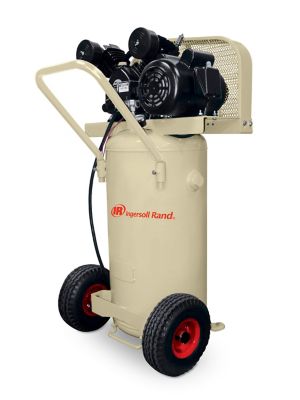
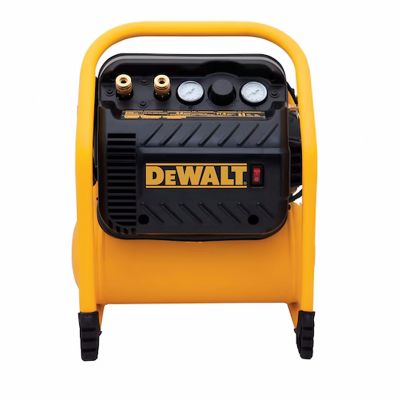
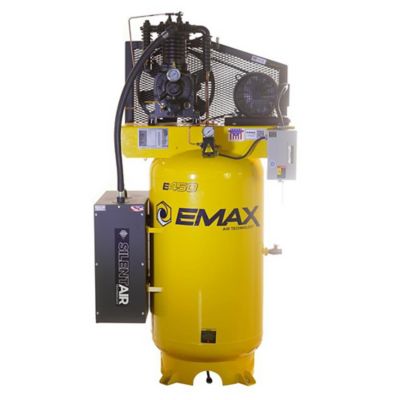
1 hp air compressors supply compressed air for light-duty jobs such as inflating tires, running compatible brad and finish nailers, and powering some small airbrush setups. Many have a compact frame that fits a home garage, farm shop or workbench without taking over the whole space. They make sense for the person fastening trim around a doorway, topping off a wheelbarrow tire or handling small repairs between bigger chores. The 1 hp rating describes motor power, though horsepower alone does not tell the whole story about what a compressor can run. Air delivery, measured in cubic feet per minute, or CFM, shows how much air the pump supplies at a stated pressure. Pounds per square inch, or PSI, describes pressure rather than airflow. Both matter when matching a compressor to an air tool. A nailer releases short bursts of air, while a grinder or sander can draw air continuously and often needs more output than a small compressor can provide. Even among light-duty tools, requirements vary, so the tool’s airflow rating at its operating pressure is a better match point than motor horsepower by itself. Tank capacity adds another piece to the picture. Stored air helps cover brief bursts of demand, but a larger tank does not increase the pump’s ongoing air delivery. It can mean more time between starts for certain tasks, along with more weight and a larger footprint. For occasional work around the house or acreage, that balance can matter more than having the biggest tank in the shed. Tire inflation also depends on the tire’s volume and required pressure; bringing a small tire up a few pounds is a different job from filling a large tractor tire. A 1 hp compressor fits best where the work comes in manageable stretches rather than demanding a steady stream of air all afternoon. Running horsepower and peak horsepower are different ratings, too, so comparisons are most helpful when the stated measurements line up.
The way a compressor is put together affects how comfortably it fits into those everyday jobs. Steel tanks are common, while aluminum pump components can help keep weight down. Protective shrouds, sturdy handles and well-placed controls help when the machine needs to move from a storage shelf to the pickup bed or across the shop floor. A handle that leaves room for a gloved hand can be a welcome detail, and a balanced frame is easier to carry past a parked mower or through a narrow doorway. Rubber feet help limit movement and vibration on a solid, level surface. Wheels can ease longer moves, though overall dimensions still matter when parking the compressor beneath a bench or beside a tool chest. Weight figures are worth reading alongside tank size, since a compact-looking machine is not always comfortable to lift. Pump design affects upkeep as well. Oil-free pumps eliminate routine pump-oil changes, but they still need the filter checks, tank draining and inspections called for in the manual. Oil-lubricated pumps require attention to oil level and the specified oil-change schedule. Neither design makes sound level a given; motor speed, pump construction and vibration control all contribute to what reaches the ear. Published sound ratings are most useful when their testing conditions are comparable. Power requirements deserve the same attention as size and pump style. Many compact electric compressors connect to household electrical service, and
120V Air Compressors provide a related category for shoppers matching equipment to a 120-volt outlet. Voltage alone does not confirm that a circuit is suitable, since starting demand, amperage and other equipment on the circuit also matter. The owner’s manual sets the requirements for the electrical connection and any extension cord. Having enough correctly sized air hose to reach the job can keep the compressor near its power source, although long or narrow hoses can reduce pressure at the tool.
Around a working shop, the small details often decide whether an air setup feels handy or gets left in the corner. An easy-to-read tank gauge shows stored pressure, while an outlet gauge and regulator help match delivery pressure to the attached tool. Accessible drain valves make routine tank care less awkward, especially when the compressor sits low to the floor. Hose fittings need matching connection profiles as well as suitable pressure ratings; a fitting that threads into place is not necessarily compatible with the rest of the setup. Hose length, inside diameter and flexibility influence reach and airflow, whether the job is fastening cabinet trim or reaching a trailer tire beside the barn. For airbrushing and other finish work, moisture control matters because compressed air can carry water into the line. A suitable filter or moisture separator helps address that concern, while certain air tools also call for lubrication according to their own instructions. Those requirements are separate from whether the compressor pump itself takes oil. Keeping the intake clear, checking hoses for cuts and inspecting connections for leaks all support steady operation without wasting stored air. Condensation left inside a steel tank can contribute to internal rust, so draining it according to the manual belongs in the regular care routine rather than waiting until performance changes. Storage in a clean, dry spot also helps protect controls and fittings from dirt and corrosion. The compressor’s duty cycle sets limits on how long the pump can operate within a specified period, and allowing the required rest time matters during repeated inflation or fastening jobs. Eye protection, appropriate hearing protection and attention to tool pressure limits remain part of the work, even on a quick repair. Compressed air should never be directed at skin or clothing. For homeowners, woodworkers and folks keeping small equipment in shape, a well-matched 1 hp air compressor brings useful air power to everyday chores without the space demands of a larger shop system. The right fit comes from the tasks, connections and upkeep that suit the workspace, not horsepower alone.