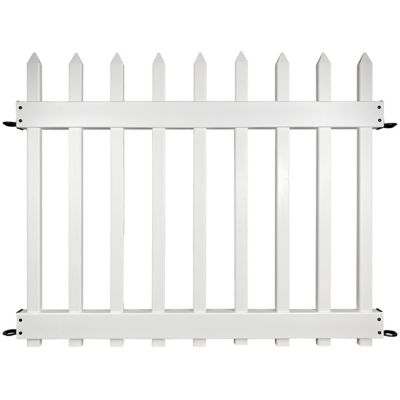
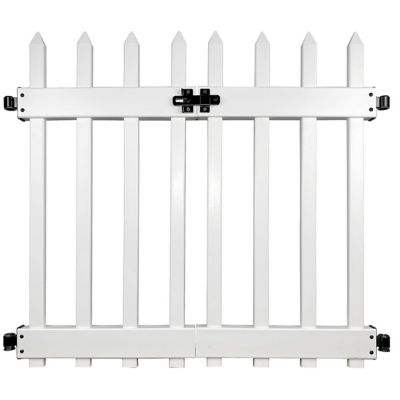
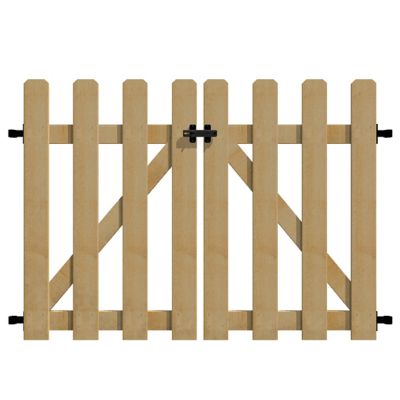
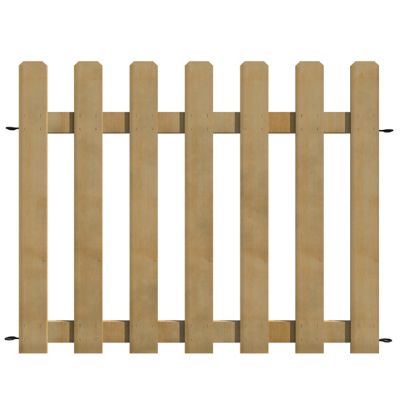
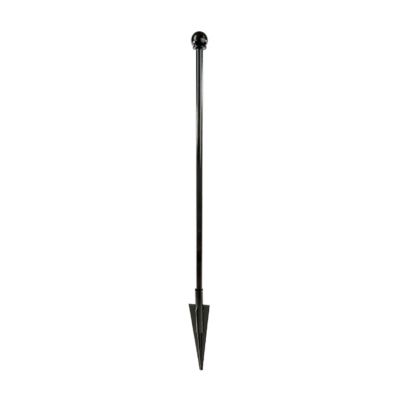
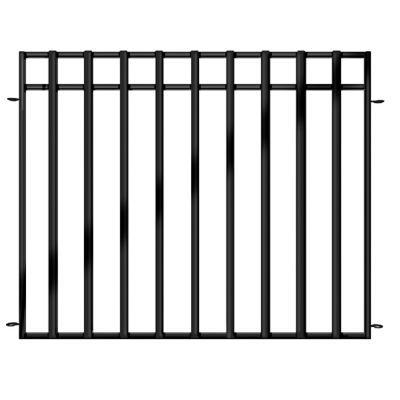
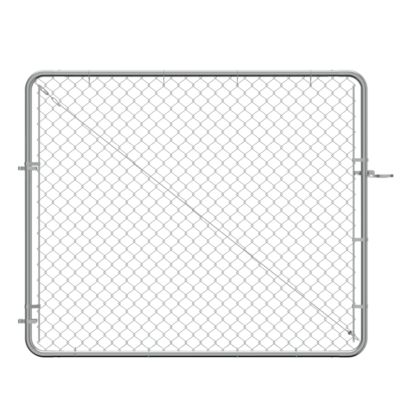
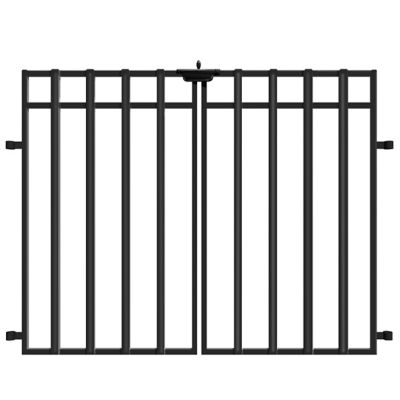
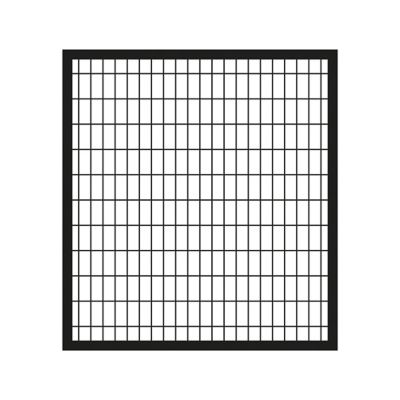
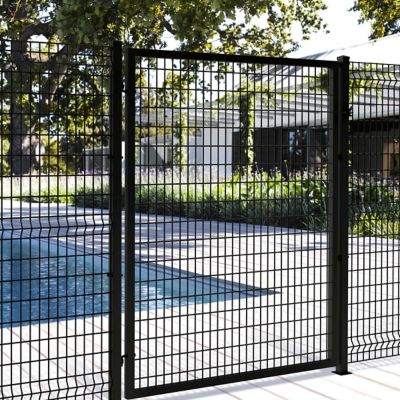
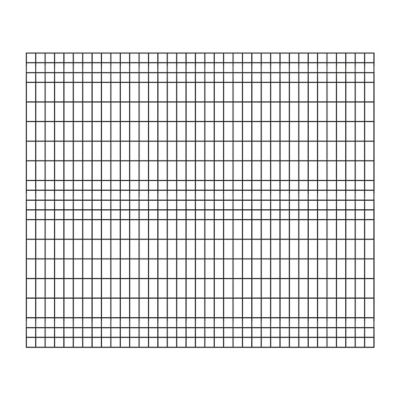
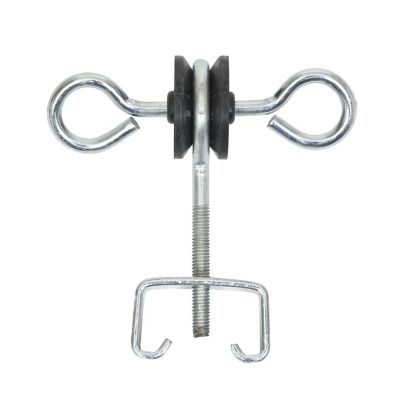
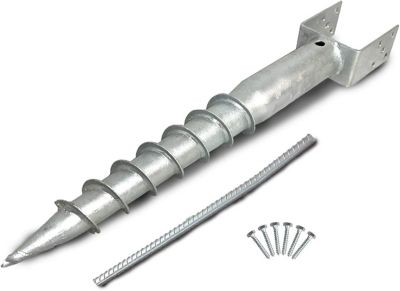
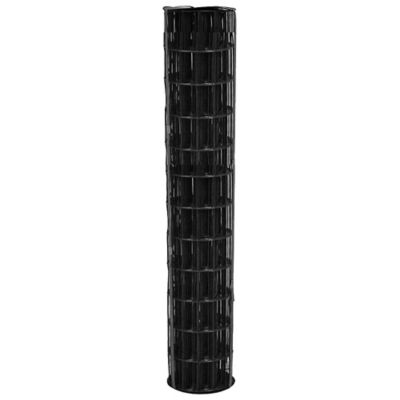
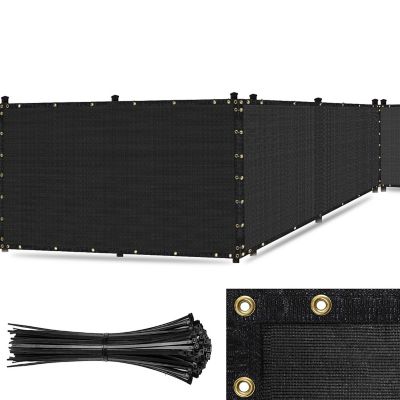
No-dig fencing creates a boundary with stakes, ground spikes or driven anchors instead of the excavated post holes and concrete footings common to many traditional fences. Depending on the design, fence panels connect directly to those supports, or fence posts fit over anchors driven into the ground. That setup can mean less soil excavation around a lawn, garden or walkway, and systems that do not require concrete have no concrete curing time to work around. The term covers several kinds of fencing, though, from low garden borders to larger panel-and-post systems, so the support design matters just as much as the look. A short fence around a flower bed serves a different purpose from a gated enclosure beside the house. For homeowners, gardeners and folks managing a small acreage, no-dig fence panels can help define planting areas, separate a sitting space from the rest of the yard or mark a path without building a full perimeter fence. Materials vary by system. Steel panels and stakes bring a firm framework, while aluminum can offer a lighter option with natural resistance to rust. Galvanized finishes and powder coatings help protect steel surfaces, although scratches and worn spots still deserve attention. Some no-dig systems pair driven anchors with vinyl, composite or wood panels; each has its own requirements for support, cleaning and upkeep. Open metal panels preserve sightlines across the yard, while closer-spaced or solid panels provide more separation where the system is designed for that purpose. Simple straight rails, curved tops and picket-style panels can suit everything from a tidy front walk to a vegetable patch behind the barn. Panel height, spacing and ground clearance determine how much of a boundary the fence actually provides. A low border may discourage foot traffic through a planting bed, but it is not the same thing as a containment fence. The best fit starts with the job the fence needs to do, rather than appearance alone.
Ground conditions have a big say in how well no-dig fencing fits a property. Driven stakes and anchors need soil that allows them to reach the manufacturer’s specified depth and hold firmly. Rocks, thick roots, buried rubble or shallow bedrock can interfere with placement, while loose soil or recently filled ground may not provide the support a particular system needs. No-dig does not mean no ground disturbance, and it does not remove the need to locate underground utilities before driving anything into the earth. Contacting 811 before ground penetration, confirming property boundaries and checking local fence requirements are important considerations even for a modest yard project. A straight stretch along a garden bed is usually easier to match with standard panels than a boundary with several corners, changes in elevation or narrow spaces beside a building. Panel width and connector design affect how neatly a fence follows that layout. Some systems allow angles or stepped sections, while others need a fairly level run and fixed connections. On uneven ground, space beneath a panel can grow larger than expected, which matters when the fence is meant to limit animal access. Gate openings deserve their own room in the plan. A gate wide enough for a wheelbarrow, mower or feed cart makes everyday chores easier, and its swing should clear nearby paths and planting beds. Gates also put different loads on posts than stationary panels, so matching gate supports and hardware are part of a sound setup. Fence panels, stakes, posts, connectors and gates are not necessarily interchangeable between systems, even when they look similar. Manufacturer specifications help establish compatible parts, permitted fence heights, anchor depth and intended applications. Taller panels, especially solid ones, need a support system designed for their size and load. Installation effort varies with the fence length, soil and hardware; a small border and a long gated enclosure should not be expected to take the same amount of work. These details separate a fence that simply looks right from one that fits the space and handles the task.
For pet areas and garden protection, the most important details are often the ones near ground level. Small openings can help limit access by some animals, but effectiveness depends on the animal’s size, behavior and ability to climb, jump or dig. A rabbit can pass through gaps that look narrow from the porch, and a determined dog may push against a light panel or work beneath it. No-dig fencing should only serve as a pet enclosure when the manufacturer identifies that purpose and the height, spacing, anchoring and gate closure suit the pet. A low garden fence is not a substitute for livestock fencing, a predator-resistant poultry enclosure or a code-compliant pool barrier. For pasture boundaries, paddocks and working animal enclosures,
Fencing for Farms offers broader context beyond a garden or backyard border. Around the house, secure latches, smooth exposed edges and properly seated connectors matter anywhere people or animals regularly pass. Care is generally straightforward, but the materials determine what attention is needed. Metal fences benefit from checks for loose fasteners, bent stakes, damaged coatings and rust, particularly where panels meet their supports or touch the ground. Vinyl and composite surfaces can often be cleaned with mild soap and water, following the manufacturer’s care directions; abrasive cleaners may damage the finish. Wood components need inspection for splitting, loose hardware and deterioration at connection points, along with any finish care specified for the material. Keeping vines and piled soil from crowding connections makes those areas easier to inspect. Gate alignment and anchor movement are worth checking whenever a latch becomes harder to close or a panel starts leaning. Some modular fences can be taken apart and repositioned when a garden layout changes, provided their anchors and connections are designed for that and remain in sound condition. With the right materials, compatible supports and a clear purpose, no-dig fencing can give a yard an orderly boundary while keeping access practical for the everyday work around home.