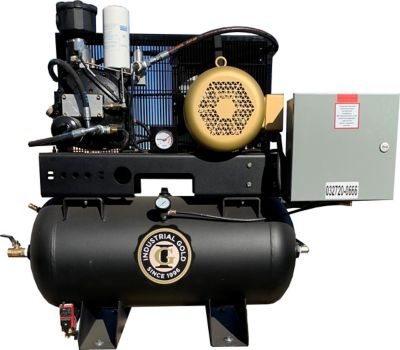
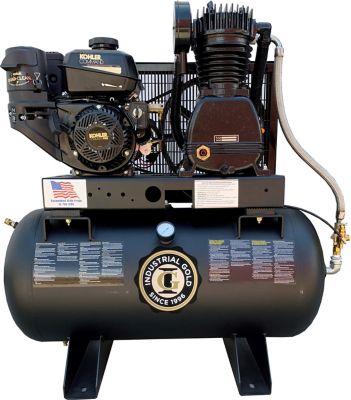
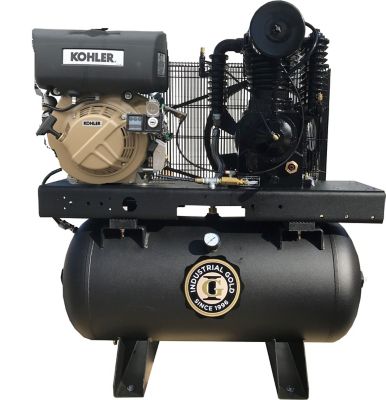
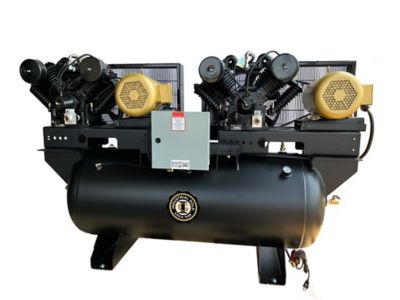
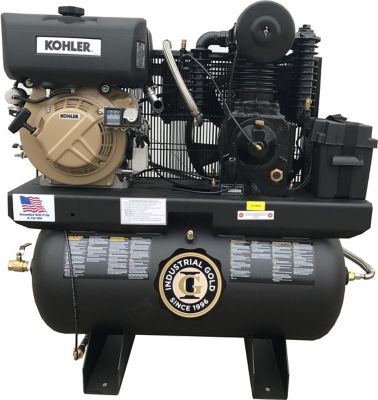
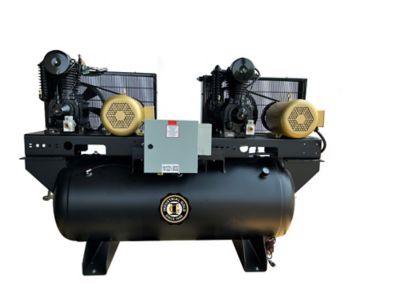
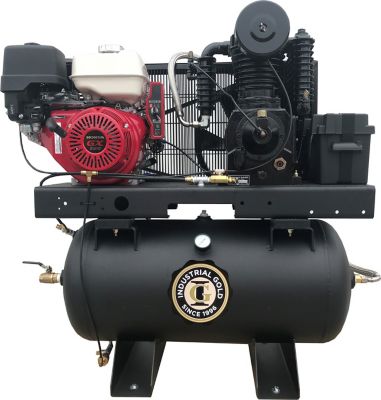
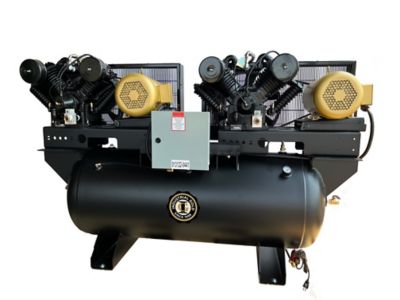
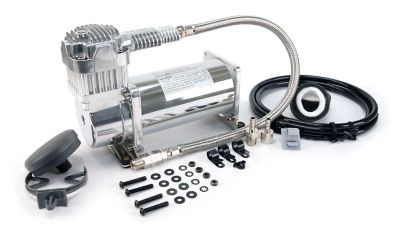
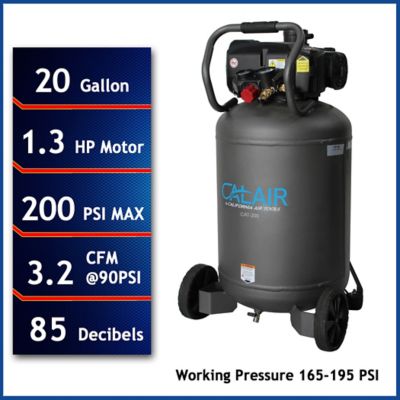
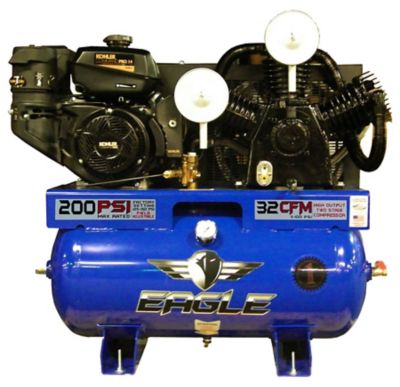
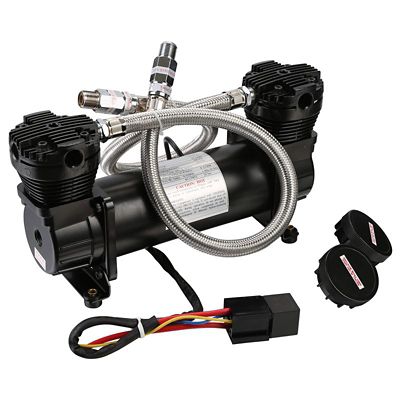
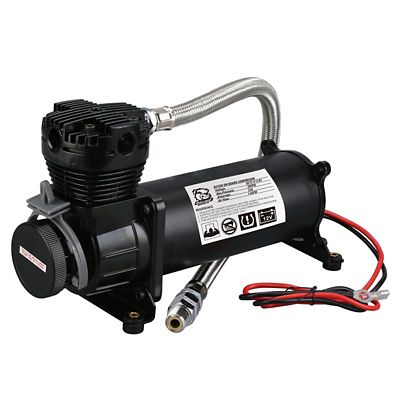
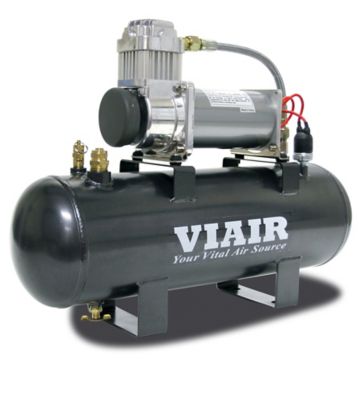
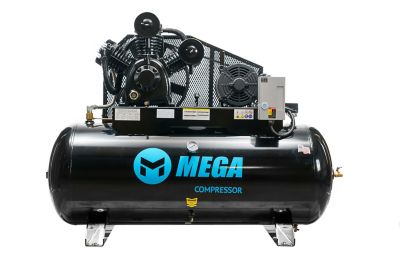
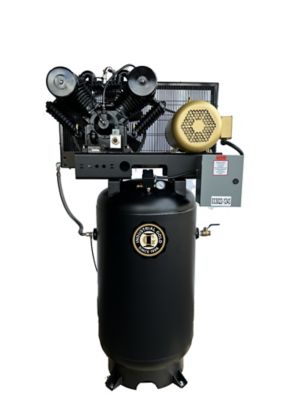
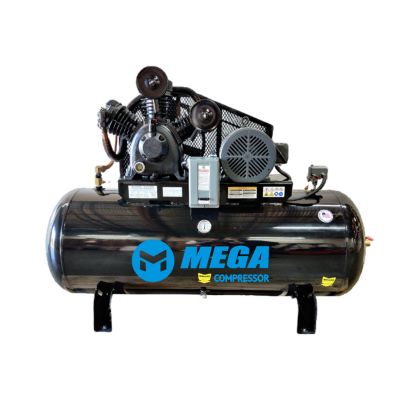
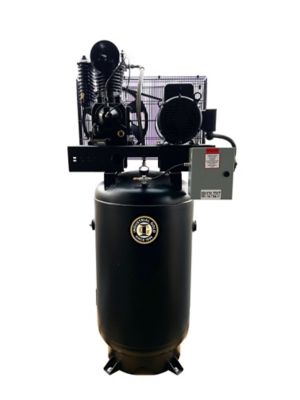
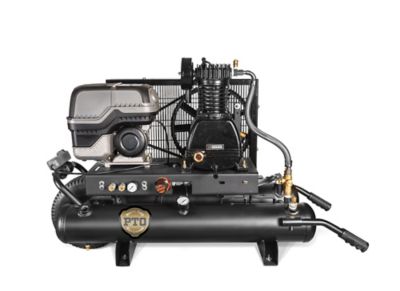
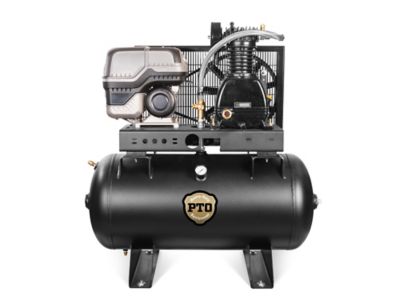
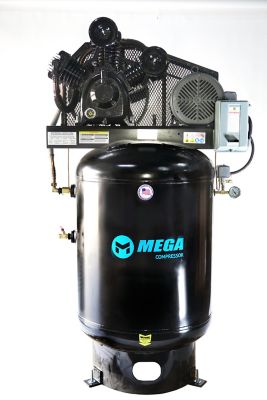
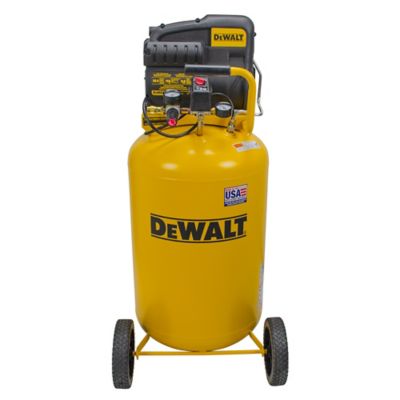
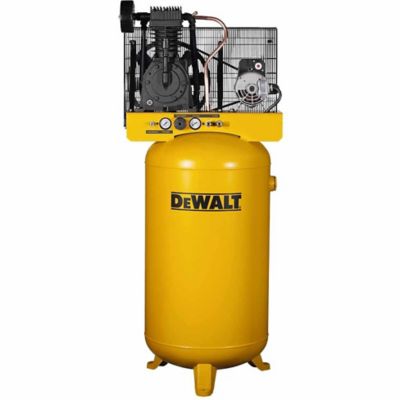
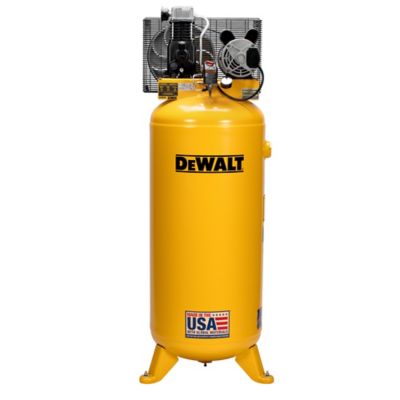
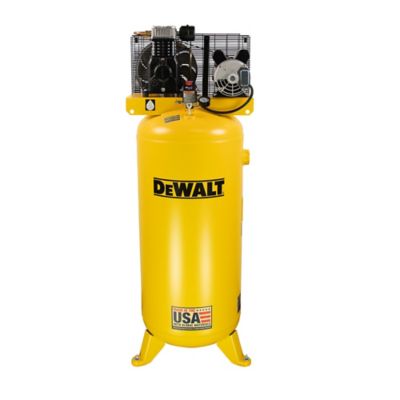
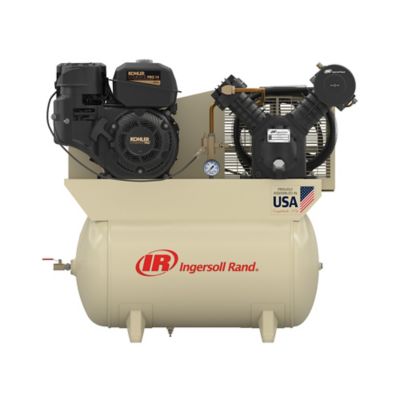
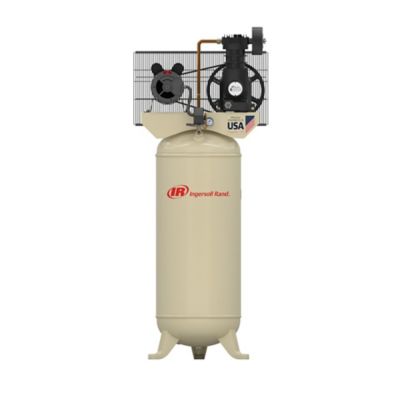
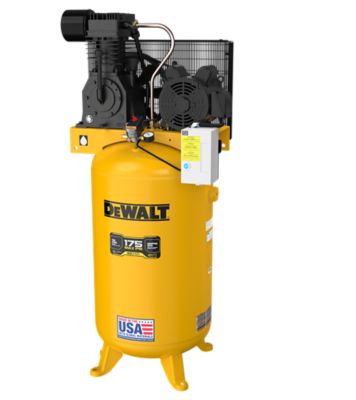
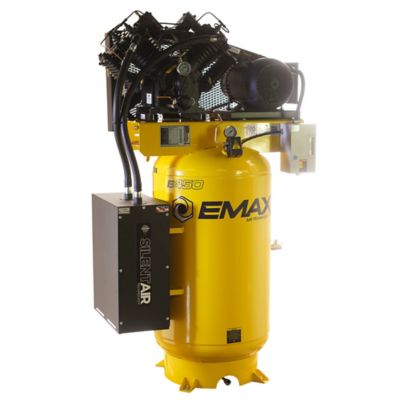
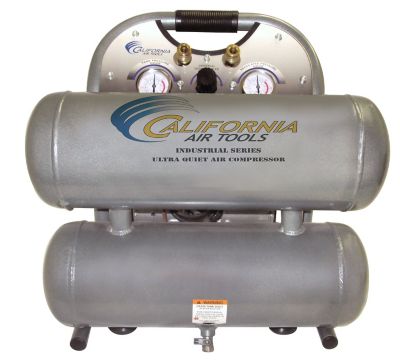
200 psi air compressors have a maximum pressure rating of 200 pounds per square inch. In tank-equipped designs, that higher pressure allows more air to be stored in a given tank volume than a lower-pressure design, which can extend tool runtime when air is delivered at the same regulated pressure. That makes this category worth considering for garage projects, farm equipment maintenance, woodworking, and other jobs that call for compressed air. The important distinction is that tank pressure and working pressure are not the same thing. A compressor may store air at up to 200 psi while supplying a pneumatic tool at a much lower setting through a regulator. The extra pressure serves as stored capacity, not a reason to turn a tool past its rated limit. For someone moving between a nailer at the workbench and an impact wrench beside a utility trailer, that reserve can help cover short bursts of air demand. Still, pressure alone does not tell the whole story. Airflow, usually listed in cubic feet per minute or standard cubic feet per minute at a stated pressure, determines how well the compressor can keep up with a tool. Those airflow ratings are most useful when compared at the same test pressure and under the same rating standard. An impact wrench that runs for a few seconds puts a different demand on the system than a grinder or sander running steadily across a broad surface. Paint spraying can also require sustained airflow, along with suitable moisture and oil control. A larger tank can support brief demand above the pump’s output, but it cannot make up indefinitely for insufficient airflow. Matching the compressor’s delivery rating and permitted duty cycle to the job helps keep work moving without expecting a high maximum-pressure number to do the work of a larger pump.
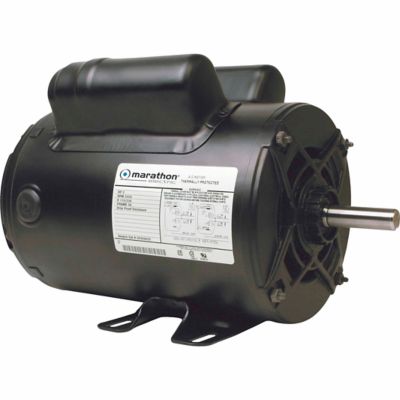
The right fit also depends on where the compressor will sit and how far it needs to travel. A stationary setup makes sense for a dedicated shop with room around the tank for inspection, drainage, and service. A wheeled design can be more practical when the work moves from a tractor bay to a bench, although tank weight, handle position, wheel size, and the route between work areas all affect how manageable it feels. Upright tanks generally take up less floor space, while horizontal layouts may fit better beneath shelving or in other low-clearance spaces when the manufacturer permits that placement. Enough clearance for airflow and access matters more than squeezing a machine into the last open corner. Steel tank construction, protective frames, accessible controls, and guarded moving parts are useful details to consider for a working shop. Power requirements deserve just as much attention as physical size. Voltage, circuit capacity, plug configuration, and motor-starting requirements need to match the intended electrical setup; a familiar-looking outlet is not enough to establish compatibility. Motor size offers another point of comparison with
2 HP Air Compressors, though horsepower alone does not establish air delivery, maximum pressure, or suitability for a particular tool. The hose and fittings also influence performance at the far end of the line. Long runs, narrow hoses, restrictive couplers, and leaks can leave a tool short of air even when the tank gauge looks healthy. For a barn shop with a hose running past several workstations, considering the whole air path helps explain more than the compressor specifications alone. A clearly marked regulator, readable gauges, and easy-to-reach connections make everyday adjustments less of a chore, especially when several tasks share the same compressor.
Long service life comes from matching construction and maintenance needs to the way the compressor will work. Oil-lubricated pumps require the lubricant checks and service intervals specified by the manufacturer, while oil-free pump designs eliminate that particular maintenance task without eliminating routine care. Both still need attention to intake filters, fasteners, electrical connections, and any other inspection points listed in the manual. Compressing air creates moisture that can collect inside a receiver tank, making the drain arrangement an important everyday detail rather than an afterthought. An accessible drain helps support the manufacturer’s drainage schedule, which is especially helpful when the compressor sits close to the floor or behind other equipment. Moisture management farther down the line matters, too: finish work and certain pneumatic tools may call for filters, separators, or dryers suited to the task. Some tools require lubrication, while paint applications need protection from oil contamination, so the air treatment should match what is connected. A worn hose, leaking coupling, or loose fitting can waste stored air and cause more frequent cycling. Replacing damaged components with parts rated for the system helps keep the setup ready for regular work. Every hose, fitting, and accessory must suit the pressure it may encounter, and a regulator does not make an underrated component safe upstream of that regulator. Safety valves and pressure controls should remain intact and operate as specified, and a damaged or corroded receiver tank calls for qualified evaluation rather than a patch in the shop. For tire inflation, the tire and equipment manufacturer’s specified inflation pressure remains the limit; a 200 psi compressor rating is not a tire-pressure recommendation. With the right airflow, tank capacity, power connection, and upkeep, a 200 psi air compressor can support the steady mix of fastening, inflation, and equipment work that fills a busy garage or farm shop.