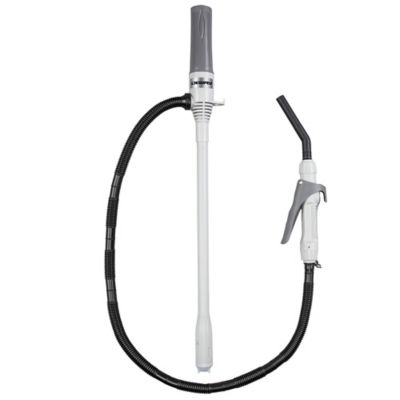
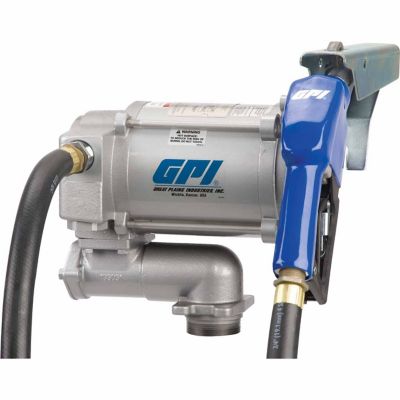
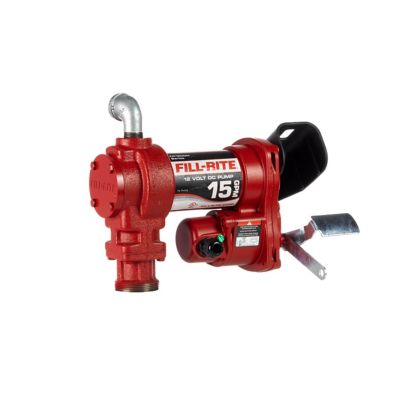
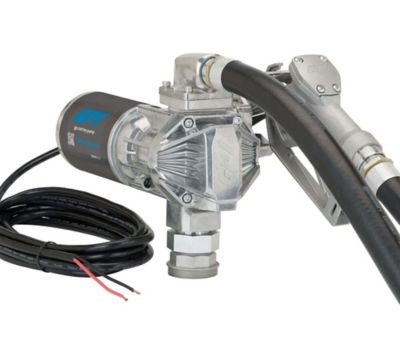
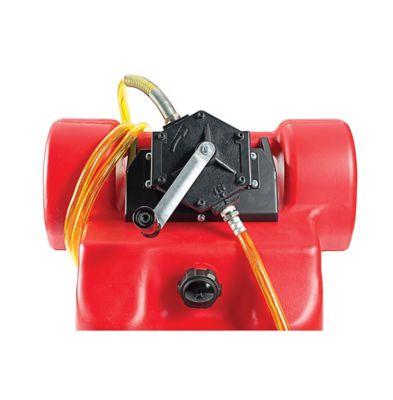
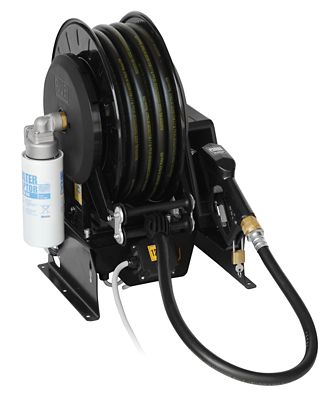
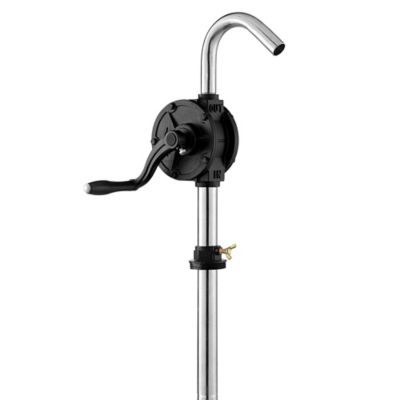
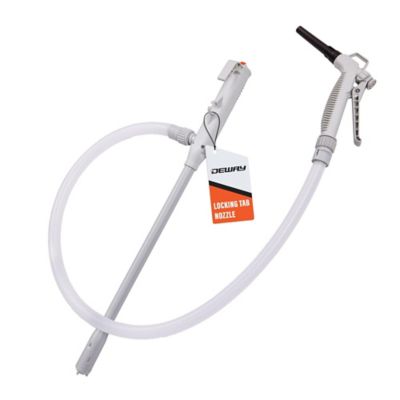
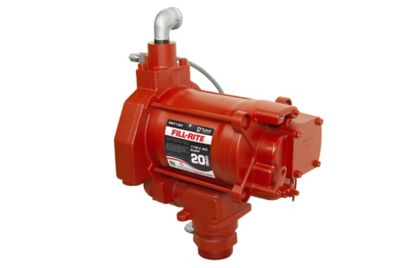
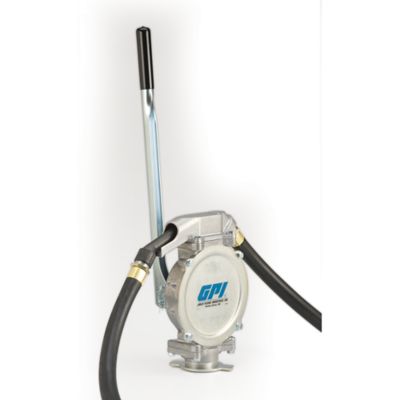
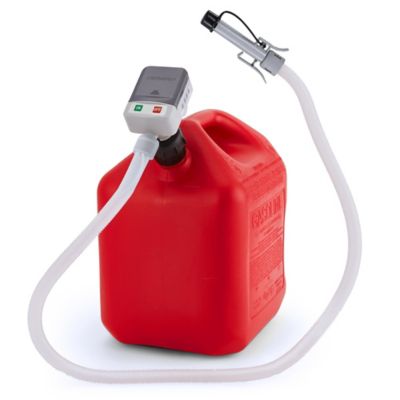
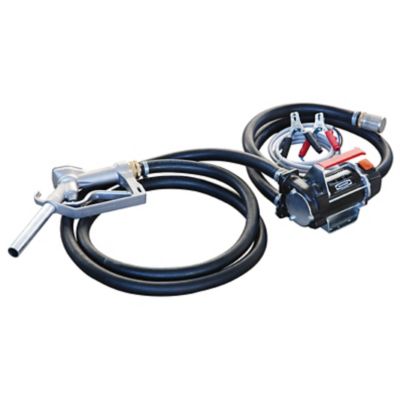
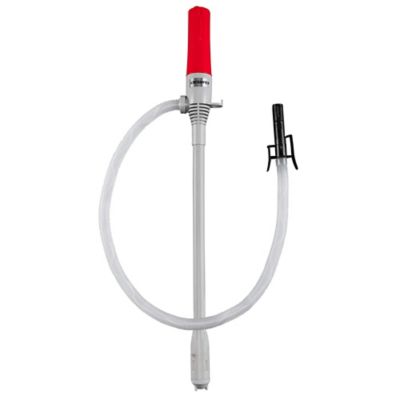
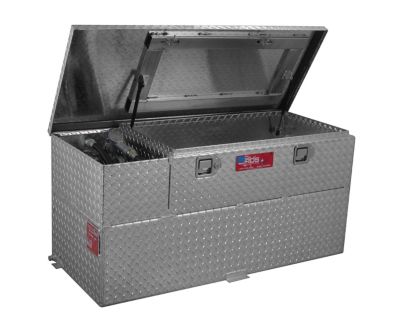
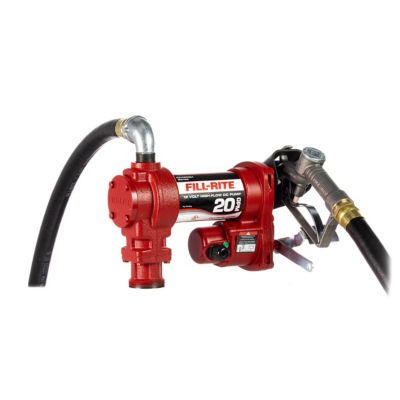
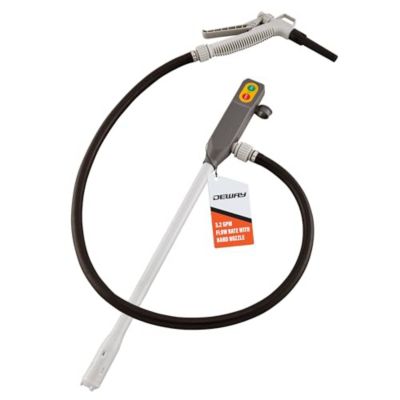
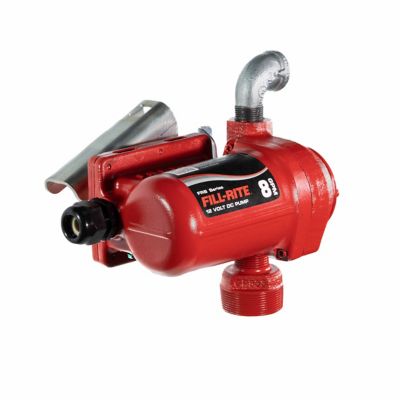
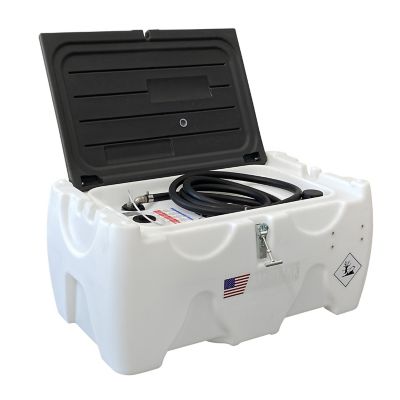
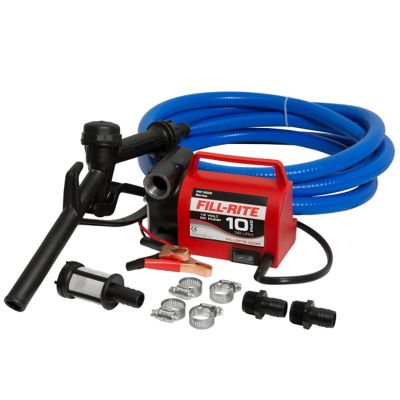
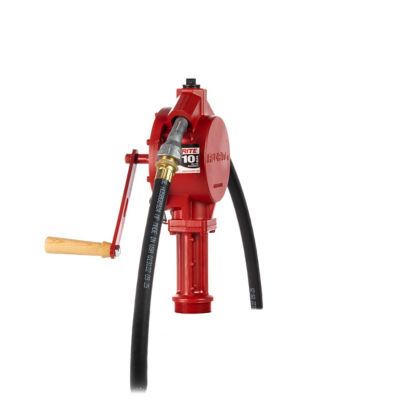
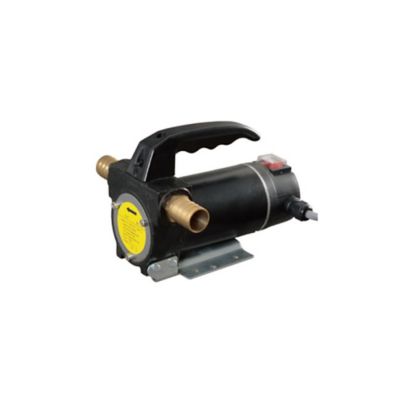
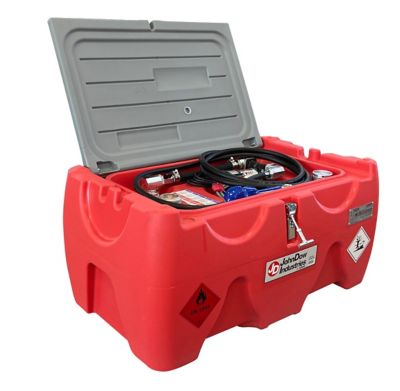
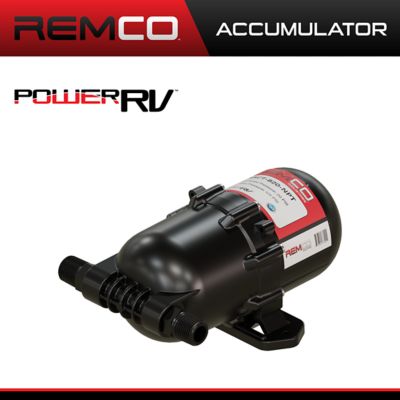
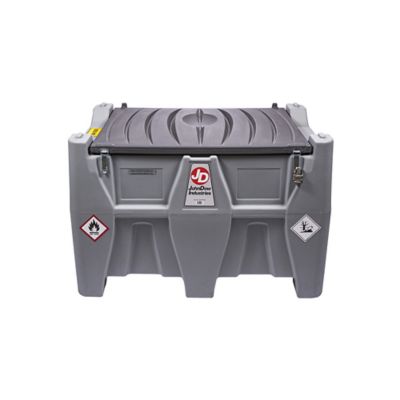
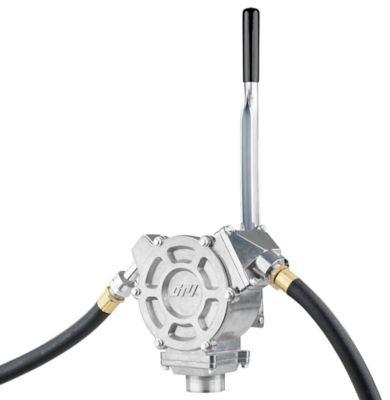
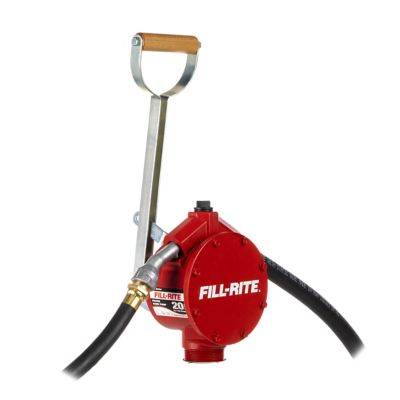
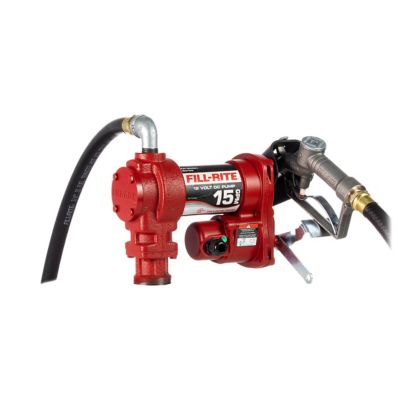
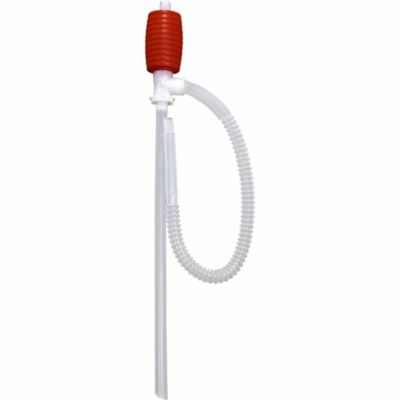
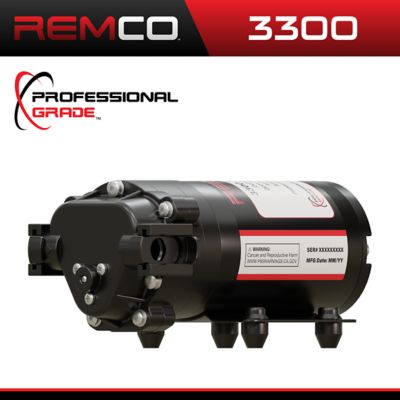
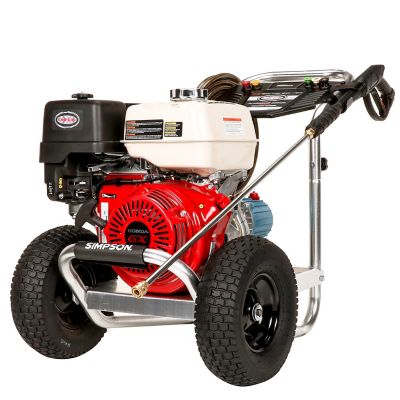
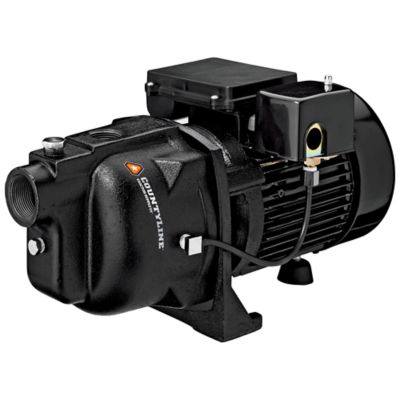
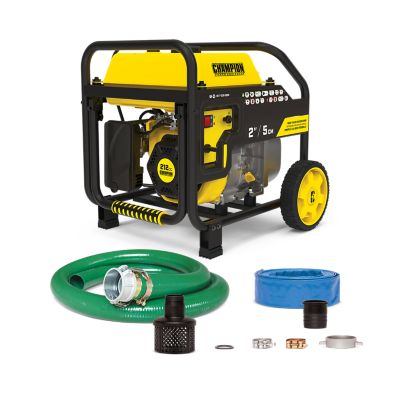
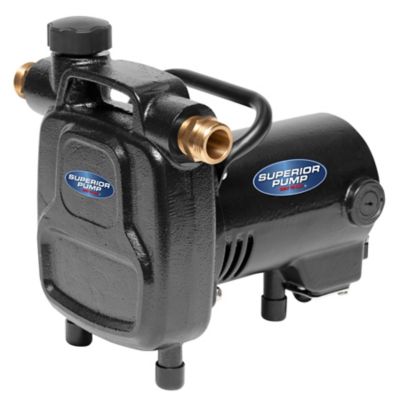
Tank pumps help move water, fuel, and other liquids where gravity alone cannot do the job. On a farm, acreage, workshop, or rural property, the right pump can turn a slow, awkward chore into a routine part of the day. These pumps may draw water from a storage tank, cistern, rain barrel, pond, or well and send it to a fixture, trough, irrigation line, or garden bed. Other tank pumps are built to transfer diesel or kerosene from a drum or mobile tank into tractors, generators, trucks, and other equipment. Compact submersible utility pumps can help empty standing water from a low spot, stock tank, basement, crawl space, or flooded work area, while smaller circulation pumps keep aquarium and marine tank water moving. The best choice depends on the liquid being moved, the size and location of the tank, and how the pump will be used. A pump for clean water is not automatically suitable for fuel, chemicals, dirty water, or water containing grit. Check the pump’s intended application, compatible materials, power source, and operating instructions before putting it to work. For household systems, a water storage or cistern pump can supply fixtures and irrigation lines, while a well pump paired with a pressure tank helps maintain steady water pressure at sinks, showers, washing machines, and outdoor spigots. In a barn or equipment shed, a fuel transfer pump can make refueling more manageable, especially when a full container needs to be moved without lifting or pouring. Around the home, a utility pump can be useful when heavy rain leaves water where it does not belong. A dependable pump is the kind of equipment many folks only think about after a problem starts, but having the right one ready in the shed can save a long walk with buckets and a muddy trip through the yard.
Flow rate is one of the first details to compare when shopping for tank pumps. Water flow is commonly listed in gallons per minute, or GPM, while smaller circulation pumps may use gallons per hour, or GPH. A higher flow rate can help fill troughs, move water for irrigation, or transfer fuel more quickly, but the highest number is not always the best fit. A small garden system, aquarium, or rain barrel may need a gentle, steady flow, while a whole-house water system or large equipment tank may require more capacity. Pressure and head lift matter just as much. Head lift describes how high a pump can raise liquid, and the pump may also need to push that liquid across a long run of hose or pipe, around bends, or through filters and fittings. A pump that performs well at ground level may lose flow when asked to lift water to an elevated tank or send it uphill to a distant garden. Look for performance information at the working height and distance you expect, rather than relying only on the maximum flow number. It also helps to decide whether a submersible or external design suits the setup. A submersible pump sits inside the tank or collection area and can run quietly under the liquid, making it useful for drainage, cisterns, ponds, and other applications where space is tight. An external pump stays outside the tank, which can make inspection, seasonal maintenance, and repairs easier. Before choosing, measure hose or pipe connections, check the inlet and outlet size, and make sure the tank opening is large enough for installation. Consider whether the pump needs a 12-volt connection, a standard 115-volt outlet, a battery, or another power source. Portable 12-volt transfer pumps can be convenient around equipment and remote areas, while corded models may be better suited to a permanent setup near a reliable outlet. If the pump will be used outdoors, look for weather-appropriate construction and protect electrical connections from rain, splash, mud, and standing water.
Tank pumps are useful for property owners, livestock keepers, gardeners, mechanics, well users, aquarium hobbyists, and anyone managing water or fuel away from a municipal supply. A small farm pond may feed an irrigation line during dry stretches, a rain barrel may supply flower beds and young trees, and a stock tank pump can help keep water moving where animals drink. During the warmer part of the year, pumps can support watering chores and equipment upkeep; as cooler weather arrives, they can help with drainage, winterizing, and moving stored liquids before hard freezes. Keep suction lines free of kinks, use the right hose for the liquid, and place the pump on a stable surface when an external design is used. Screens or strainers can help keep leaves, sand, and debris from reaching the pump, though they need regular cleaning so restricted flow does not strain the motor. Never run a pump dry unless it is specifically designed for dry operation, and follow priming instructions for models that require liquid in the housing before startup. Fuel transfer calls for extra care: use equipment rated for the fuel, avoid smoking and open flames, ground components when required, and inspect hoses and connections for leaks. Water pumps also deserve routine attention. Clear buildup, check seals, listen for unusual rattling or grinding, and drain or store portable equipment according to the manufacturer’s directions when freezing weather is expected. For waste and bathroom drainage needs, shoppers may also find
Toilet Pumps helpful when a bathroom fixture sits below the main drain line or requires a dedicated pumping solution. With the right flow rate, pressure rating, lift capacity, connection size, and power source, a tank pump can fit neatly into everyday chores and provide dependable service from the first watering run to the last cleanup of the season.