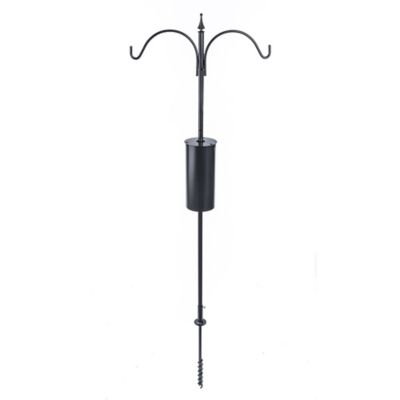
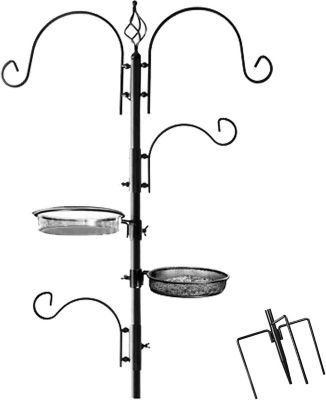
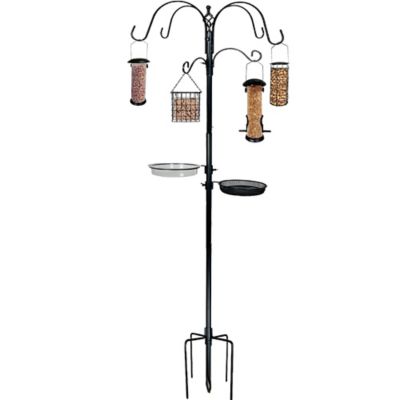
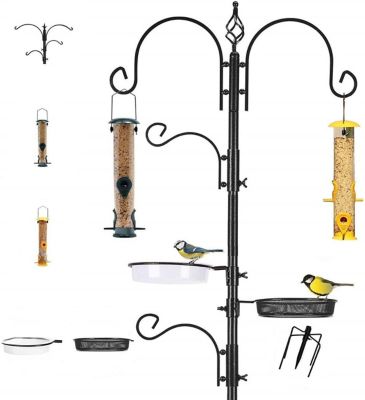
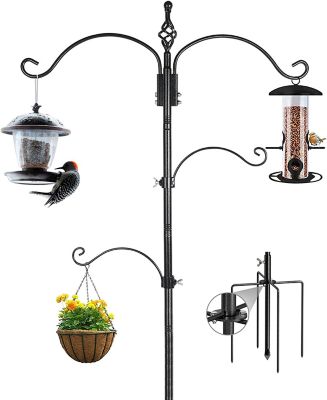
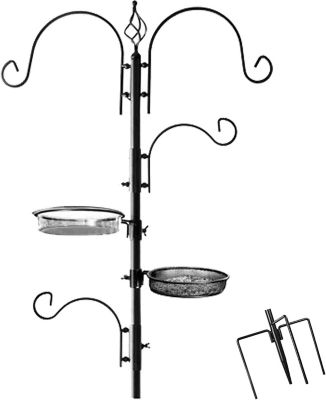
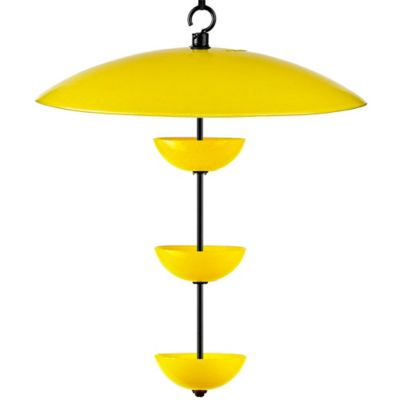
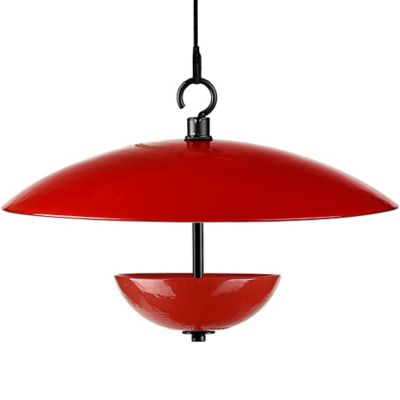
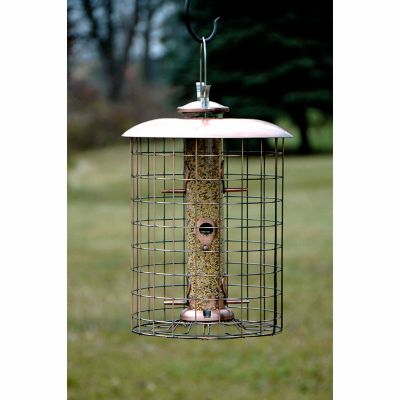
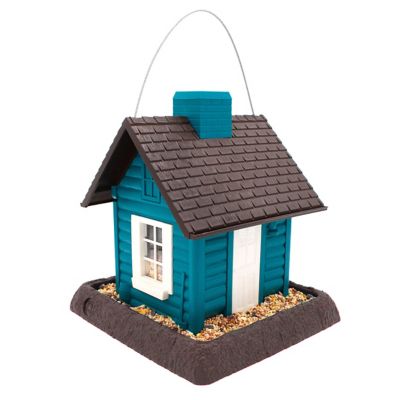
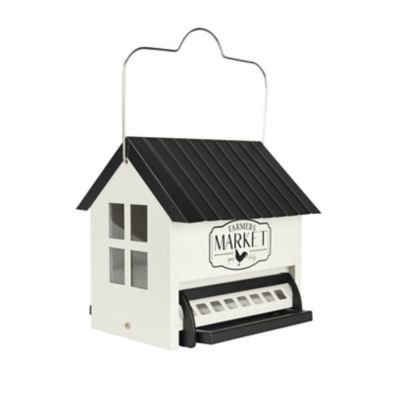
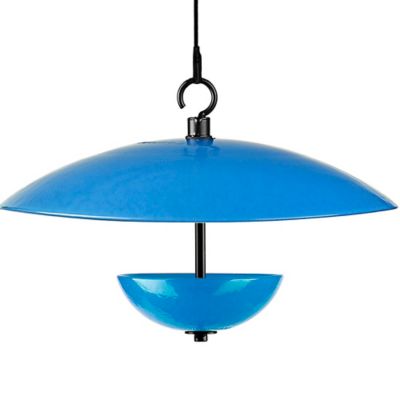
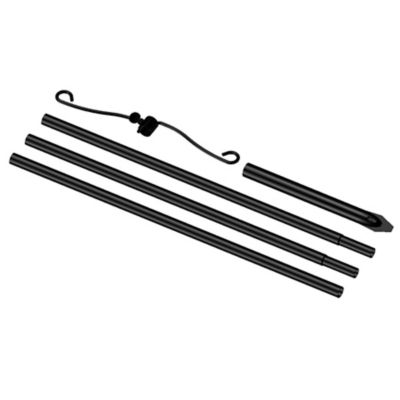
Squirrel proof bird feeder poles give backyard bird watchers a practical way to keep seed available for songbirds while making it harder for squirrels and other climbing animals to reach the feeder. A typical setup combines a tall metal pole with one or more hanging hooks, a seed tray, or a place for several feeders, along with a broad baffle that interrupts an animal’s climb. Smooth poles make it difficult for squirrels to grip the shaft, while torpedo- or stovepipe-style baffles create a wide barrier that blocks access from below. Some baffles are fixed in place, while others slide along the pole or move when an animal tries to climb around them. When shopping, look at the full station rather than only the pole itself. Check the overall height, the number and placement of hooks, the size of the baffle, the style of the ground anchor, and the amount of feeder weight the station is built to support. Adjustable poles can help you set feeding ports at a comfortable height for filling and cleaning, while multi-hook stations let you offer sunflower seed, millet, suet, or other bird food in separate feeders. A single-pole setup may suit a small yard or a first bird-feeding station, while a wider station can work well for families who enjoy watching several kinds of birds gather through the cooler months. For more feeding station options, browse
Pole Mounted Bird Feeders.
Placement matters just as much as the baffle design. Set the pole in open ground at least 8 to 10 feet from trees, fences, sheds, decks, railings, roofs, or other raised surfaces that could give a squirrel a launching point. Squirrels are quick, strong jumpers, and a station that works well in the middle of an open lawn may be easy to defeat when it sits beside a low branch or porch roof. Keep the bottom of the baffle roughly 4.5 to 5 feet above the ground when the station is installed, and follow the instructions that come with the pole for anchoring it securely. Press-in prongs can suit firm soil, while a heavier base may be a better fit for loose ground, windy locations, or a station carrying several feeders. Before filling the feeders, check that the pole stands straight, the hooks are seated, and the baffle can move or remain in place as designed. Avoid applying grease, oil, or other slippery substances to the shaft. These materials can transfer to feathers, affect a bird’s ability to fly, and create a mess around the feeding area. Instead, rely on proper spacing, a smooth pole, and a correctly positioned baffle. Keep seed from piling up beneath the station, since spilled food can attract squirrels, raccoons, rodents, and other wildlife. A catch tray can help limit waste, but it still needs regular emptying. Clean feeders and trays from time to time, especially after wet weather, and inspect the pole for loose fittings, bent hooks, or shifting anchors as the ground changes with cooler temperatures.
These stations can be a thoughtful gift for a bird lover, a homeowner settling into a new place, or a family looking for a simple way to bring more outdoor activity close to the window. Children often enjoy helping fill feeders and keeping a tally of cardinals, chickadees, finches, jays, and woodpeckers that visit, while older bird watchers may appreciate a station that makes feeding easier to reach and maintain. A squirrel-resistant pole can also help stretch a supply of bird food by keeping more of it available for birds instead of letting persistent climbers empty a feeder in an afternoon. When selecting one as a gift, consider the recipient’s yard layout, the kind of soil where the pole will stand, and whether they already have feeders or need a complete station with hooks and a baffle. For a home with limited lawn space, pay close attention to the recommended clearance from structures and branches. For a broad rural yard, a taller station with multiple feeding points may create a lively gathering place that can be seen from a kitchen table, mudroom, or porch. During early fall and the cooler months that follow, birds may visit more often as natural food sources shift, making a well-placed feeder an inviting stop in the yard. Keep the area tidy, refill feeders before they sit empty for long stretches, and check the setup after strong wind, rain, or frost. With thoughtful placement and regular care, squirrel proof bird feeder poles can make backyard bird feeding easier to manage while giving people a close-up view of the movement, color, and familiar calls that make outdoor spaces feel alive.