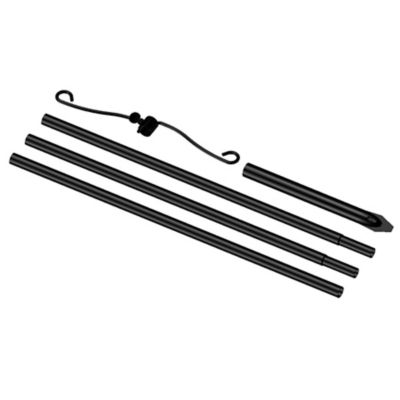
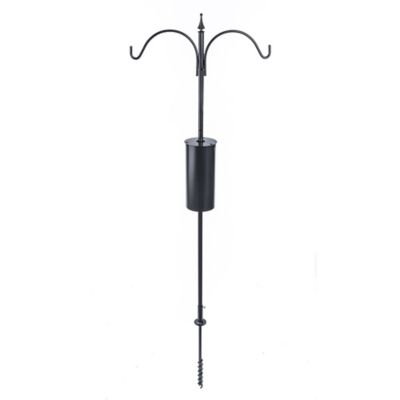
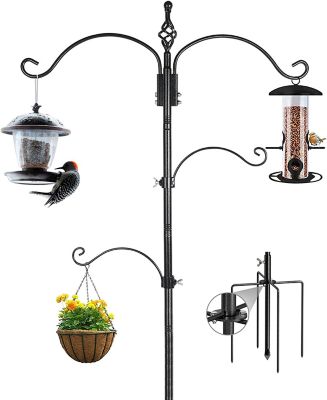
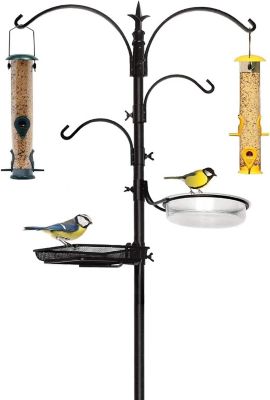
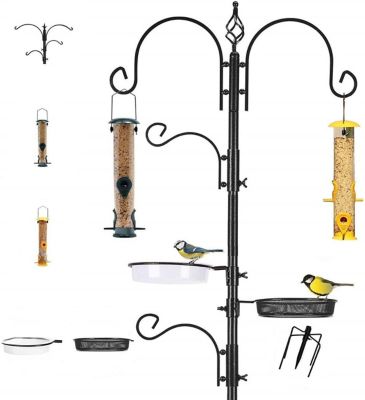
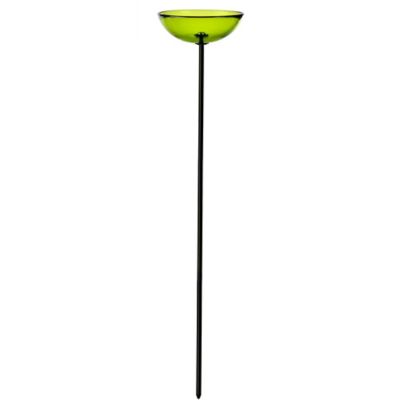
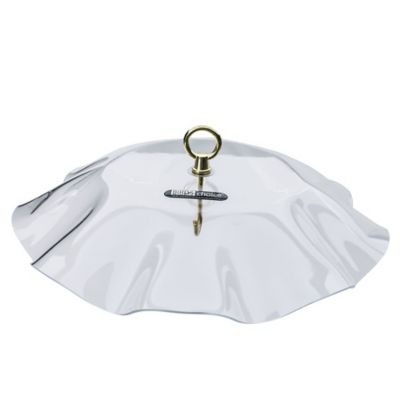
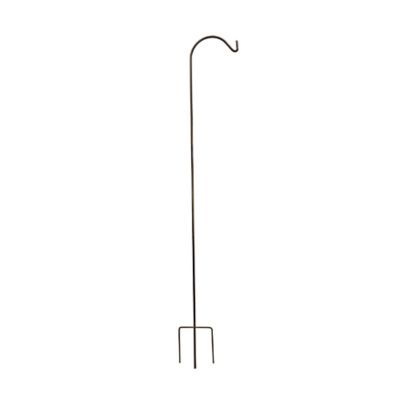
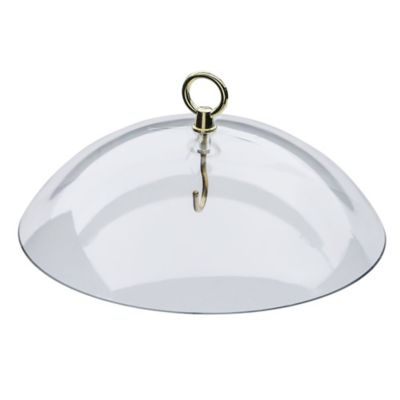
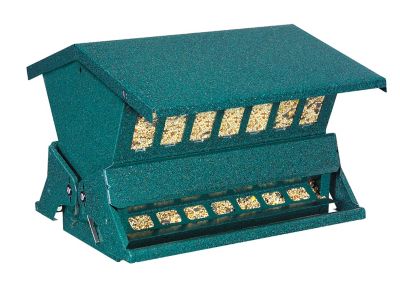
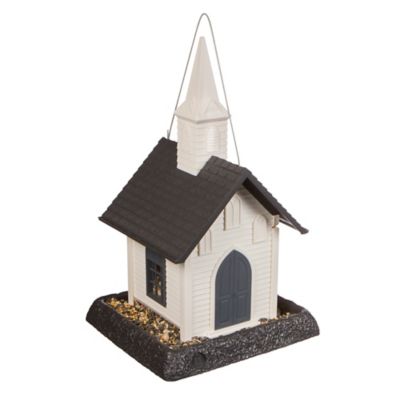
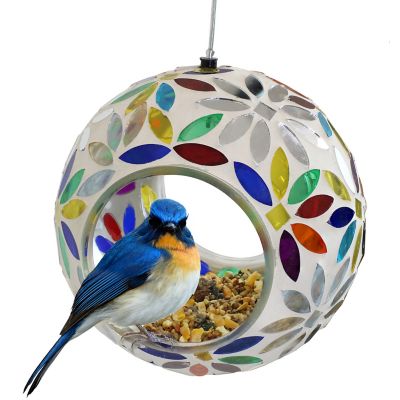
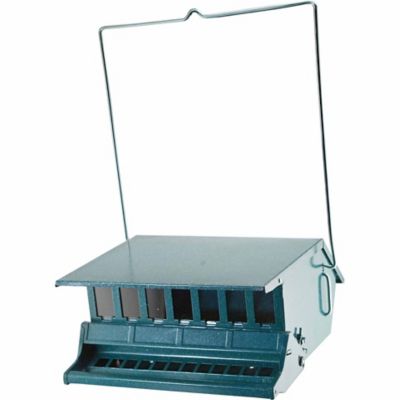
Bird feeder poles make it easy to set up a dependable feeding spot in a yard, garden, pasture edge or small backyard habitat. They give you a place to hang seed feeders, suet cages, hummingbird feeders and other bird-feeding accessories without attaching anything to a tree or building. A well-placed pole can bring a lively mix of cardinals, chickadees, finches, nuthatches, sparrows and other familiar songbirds close to a window or favorite sitting spot. During the cooler months, when natural food sources may be harder for birds to find, a stocked feeder can become a regular stop along their daily route. Bird feeder poles also help keep feeders at a more consistent height, making it easier to refill them, check for wear and clean away old seed. For a simple setup, a single shepherd's hook may be all that is needed. Multi-hook feeding stations offer room for more than one feeder, which can help separate different types of feed and give birds more space. One hook might hold sunflower seed for larger songbirds, another can support a tube feeder for smaller birds, and a lower spot can be used for suet or a water accessory. A pole with adjustable sections or multiple hanging points gives you more flexibility as your bird-feeding setup grows.
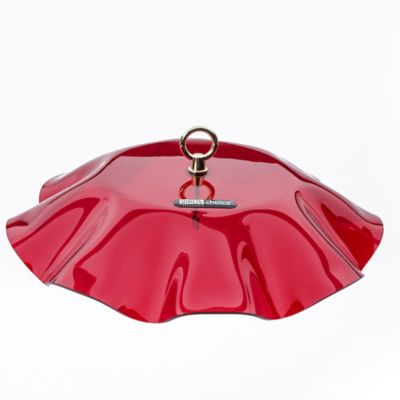
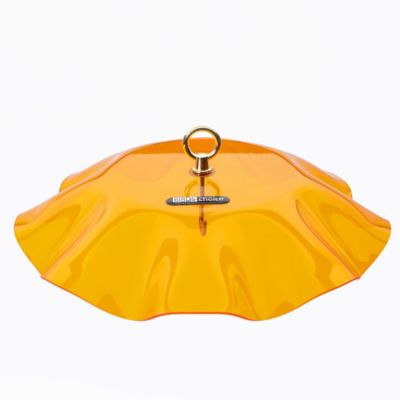
Stability is one of the most important details to consider when choosing a bird feeder pole. A tall, lightly supported pole may sway in strong wind or become loose when the ground is soft, especially if it is carrying a full feeder. Look for construction that suits your soil and the weight you plan to hang. Poles with multiple ground spikes, a broad base or a twist-in ground socket can provide a steadier foundation than a narrow single stake. Firm installation matters in sandy soil, loose garden beds and areas where pets or children may brush against the pole. Metal poles, including steel and aluminum styles, are popular because they are durable, easy to wipe clean and able to stand up to outdoor use. A wood pole can blend naturally into a landscaped setting, though it may need more attention to protect it from moisture and weathering. Height is another practical consideration. For many common backyard birds, a feeder positioned about 5 to 6 feet above the ground offers a comfortable feeding height and a good view from indoors. Some people prefer a taller setup to help keep feeders away from curious pets, while hummingbird feeders are often placed roughly 3 to 6 feet high. If you hope to attract larger birds such as woodpeckers, a feeder mounted higher, around 6 to 10 feet, may fit their feeding habits. Keep the pole far enough from fences, sheds, tree trunks and low branches that squirrels cannot use them as a launching point. A baffle fitted above or below the feeder can make it harder for squirrels and raccoons to climb the pole, helping reserve the seed for birds and reducing the need to refill as often.
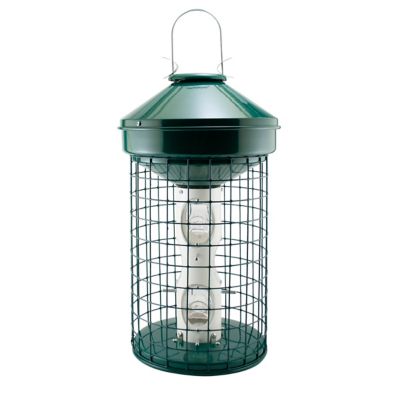
Bird feeder poles can suit first-time bird watchers, experienced backyard wildlife enthusiasts, gardeners and anyone who enjoys a little more activity around the house. They also make a thoughtful gift for a neighbor with a sunny yard, a parent who likes watching birds from the kitchen window or a friend settling into a new home. A pole system can be especially handy for someone who does not have mature trees in the yard or who rents a home and cannot install hardware on exterior walls. Before choosing, consider the available space, the view from nearby windows, the type and number of feeders to be hung and how easy the location will be to reach for filling and cleaning. A spot with open visibility gives birds a chance to watch for predators, while nearby shrubs or evergreen cover can offer a quick retreat when hawks or other threats pass through. Avoid placing feeders directly beside dense brush where cats may hide, and leave enough clearance for birds to approach from several directions. If you enjoy offering different foods, a larger station with several hooks can make it easier to create separate feeding areas. For a more protected feeding setup, pairing a pole with a
Bird Feeder Cage can help provide added shelter for smaller birds and limit access for larger visitors. Regular upkeep goes a long way: empty damp or spoiled seed, wash feeders as needed, clear fallen hulls from the ground and check that the pole remains straight and secure. With the right placement and a sturdy base, bird feeder poles can turn an ordinary patch of lawn into a welcoming stop for feathered visitors through changing weather and seasons.