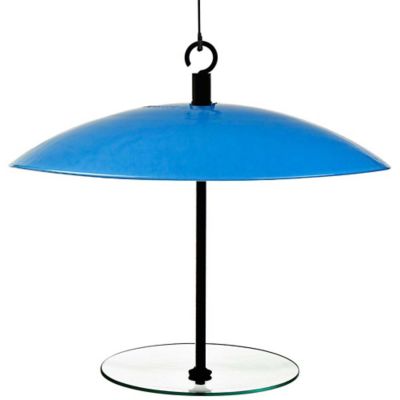
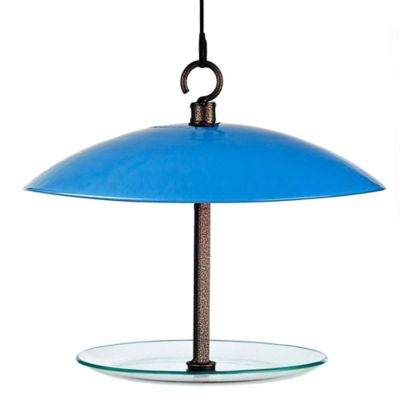
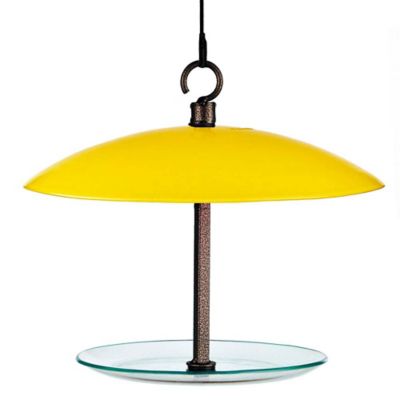
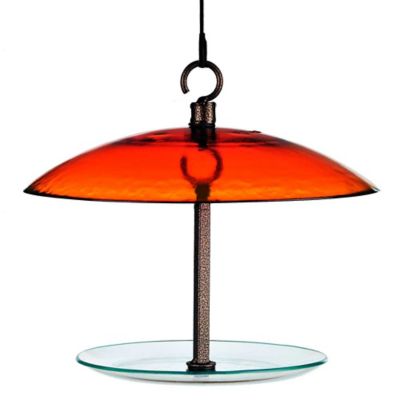
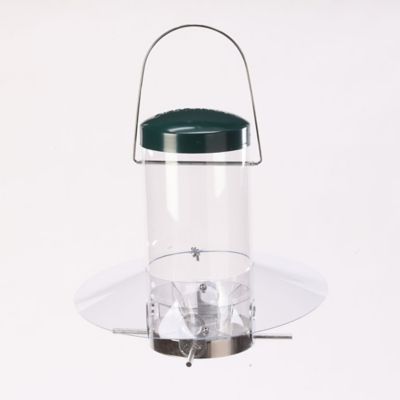
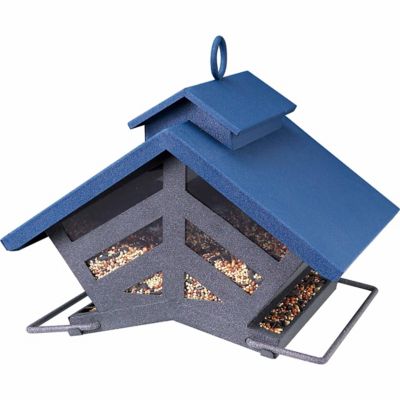
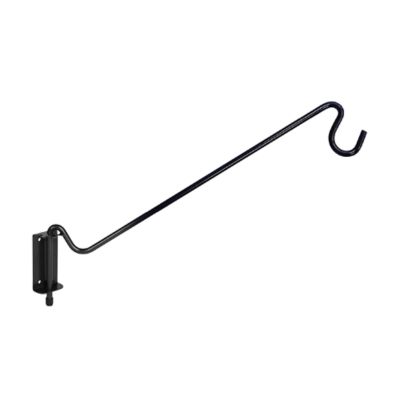
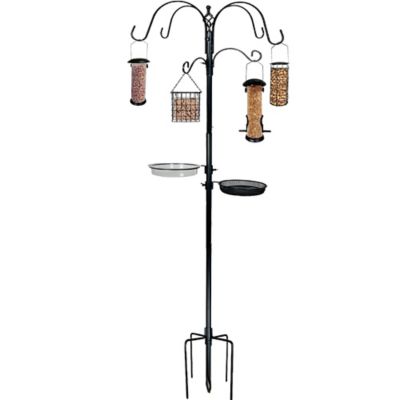
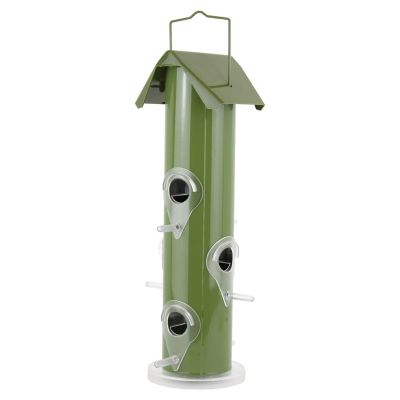
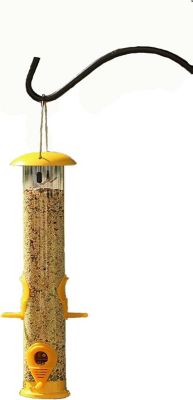
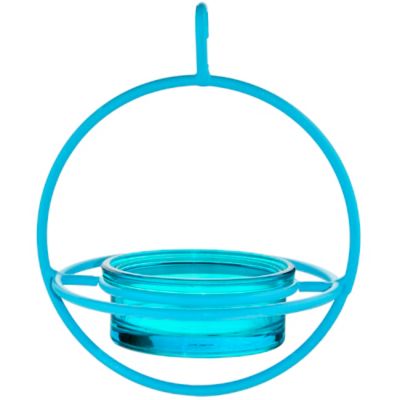
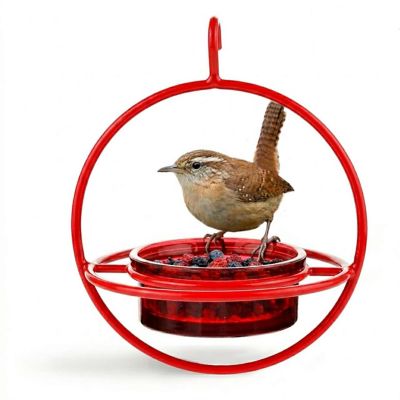
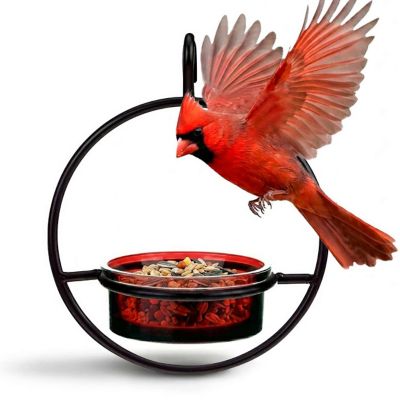
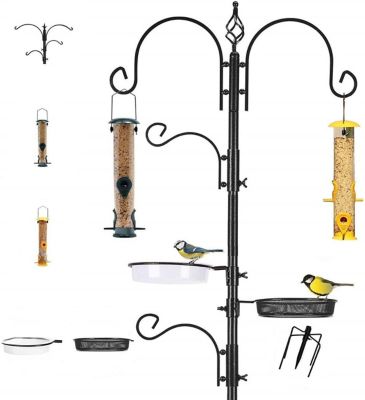
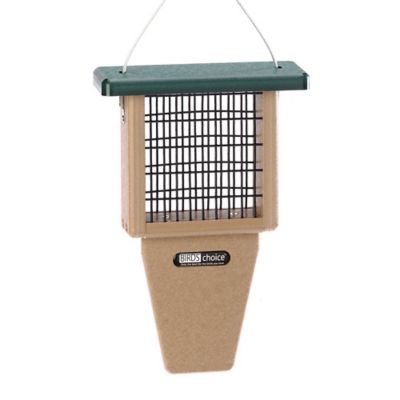
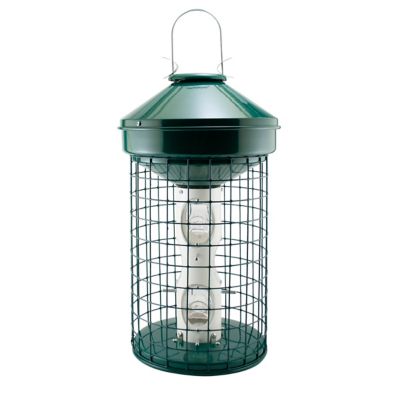
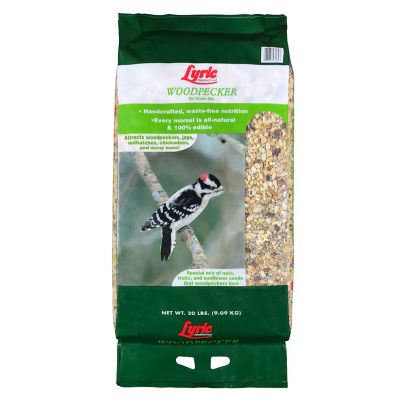
Cylinder bird feeders offer a tidy, easygoing way to keep wild birds coming back to your yard. Instead of filling a tray with loose seed, these feeders hold a solid, compacted seed cylinder or suet-style block on a center rod, pin or sturdy support. Birds can feed from every side, either perching on a base ring or gripping the cylinder itself, and the compact shape helps slow down feeding and reduce the scattering that often happens with traditional feeders. That can mean less seed spread across the ground, fewer damp clumps under the feeder and a cleaner spot beneath your hanging station. Cylinder feeders are especially useful near a porch, garden, driveway or other place where you want to enjoy the birds without constantly sweeping up hulls and spilled seed. They also fit nicely in smaller yards, since many models hang from a shepherd’s hook, tree limb or existing feeder pole. As the weather warms and birds stay active, a cylinder feeder can bring steady movement to the yard; during the cooler months, it gives visiting birds an easy place to find concentrated nourishment when natural food is harder to come by. For a broader look at styles and features, visit
Best Bird Feeder.
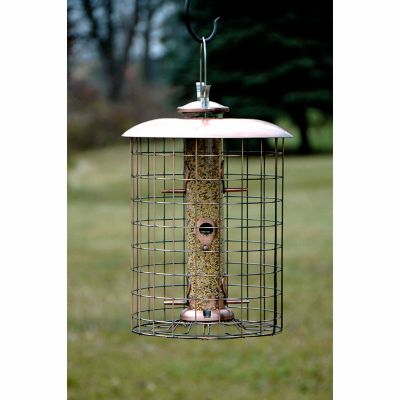
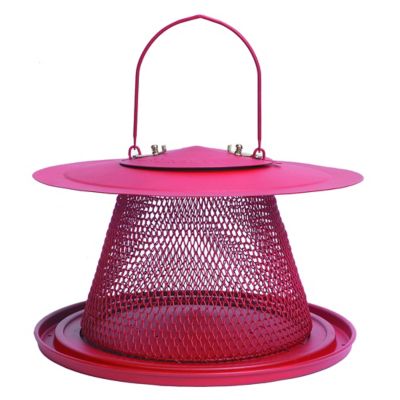
When choosing a cylinder bird feeder, start with the way you plan to use it and the birds you hope to see. A simple wire cage is lightweight, straightforward and easy to load: slide the opening in the seed cylinder over the center rod, secure the feeder, and it is ready to hang. This open design gives birds plenty of room to cling and feed, making it a natural fit for chickadees, titmice, nuthatches, woodpeckers, finches and wrens. A covered style with a roof can be a better choice for an exposed area, since the cover helps shield the seed from rain and may keep the feeding surface more comfortable during wet or windy weather. Some covered feeders also include a bottom tray to catch crumbs and small pieces, which is handy when the feeder hangs over a patio or walkway. Look for durable, weather-resistant construction, dependable hanging hardware and smooth edges that will not snag feathers or hands during handling. A wide perch or base ring gives larger birds a steady landing place, while a more open cage lets clinging birds show off their natural feeding habits. It is also worth checking the cylinder size and center opening before buying replacement food, because seed blocks are not all made to the same dimensions. Placement matters, too. Hang the feeder where it can be seen from a kitchen window or porch, but keep it close enough to shrubs or small trees that birds have a quick escape route. Leave some open space around it so cats and other predators cannot hide directly beneath the feeder, and choose a spot that is easy to reach when it is time to add a fresh cylinder or brush away crumbs.
A cylinder bird feeder makes a thoughtful gift for a new homeowner, a grandparent who enjoys watching backyard wildlife, a gardener, or anyone who likes a little outdoor activity close to home. It is a simple gift with a daily payoff: the flash of a goldfinch in the morning, a downy woodpecker working its way around the block, or a pair of chickadees taking turns before darting back to the brush. Children can enjoy learning to recognize different birds, while experienced bird-watchers may use several feeders with different cylinders to provide a mix of seeds and attract a wider range of visitors. Choose seed based on the birds common in your area and keep the feeder reasonably clean by removing wet, spoiled or heavily soiled food. A quick inspection of the rod, cage, roof and hanging point helps keep the setup secure through changing weather. If squirrels are common around your property, a strong hanger and a location away from launching branches may help discourage easy access, while a feeder with a protective cage or guarded design can offer another layer of control. Keep in mind that no feeder will attract every bird, and results can change with nearby trees, available natural food and local wildlife patterns. With a fresh cylinder, a stable hanging spot and a little patience, this feeder style can turn an ordinary corner of the yard into a lively place for birds throughout the season.