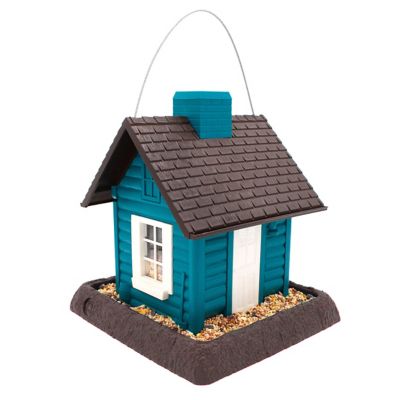
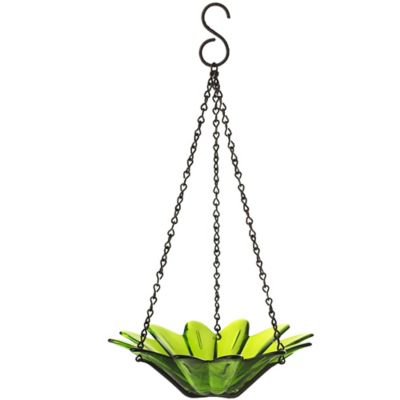
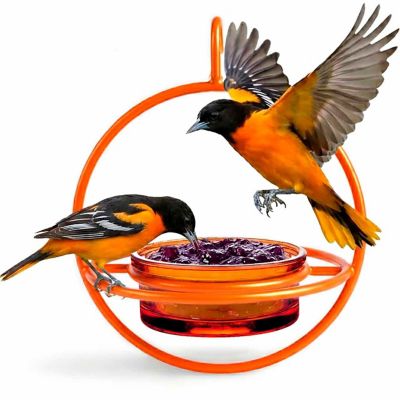
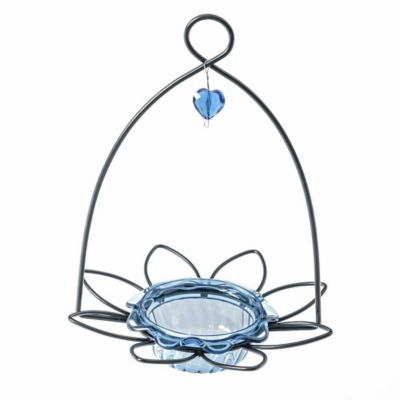
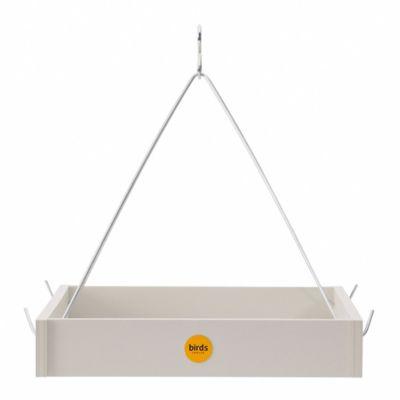
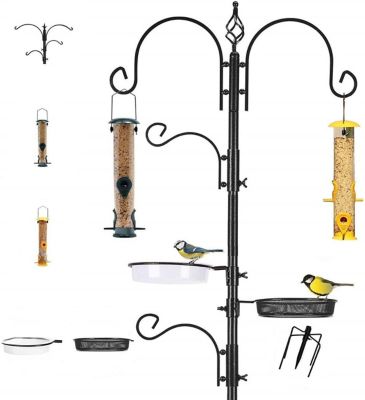
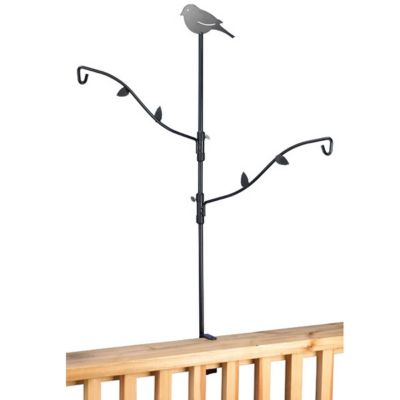
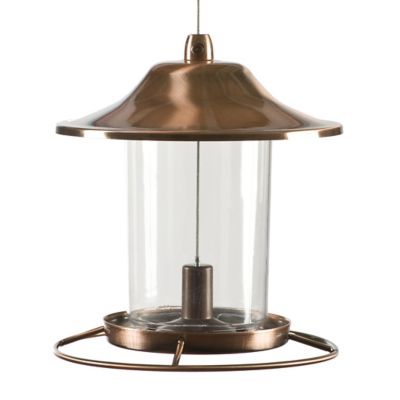
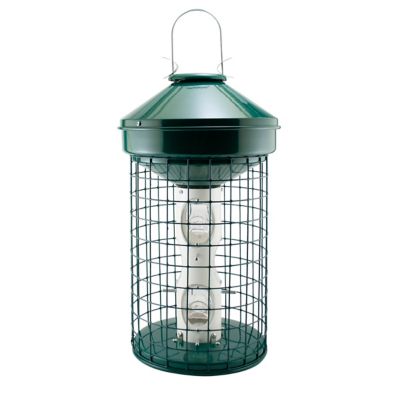
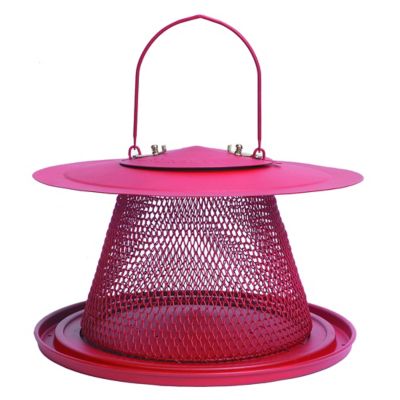
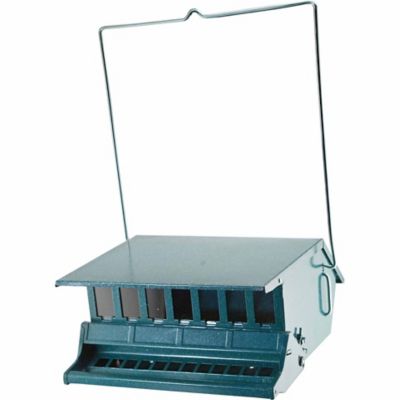
Cottage bird feeders bring a little storybook charm to a porch, garden, deck or backyard while giving songbirds a dependable place to find food. With their peaked roofs, house-shaped silhouettes and welcoming details, these feeders fit naturally among flower beds, raised garden boxes, fence lines and other outdoor spaces where a plain feeder might feel out of place. They can be a practical choice for anyone who enjoys watching birds, from a longtime backyard birder to a family looking for an easy way to bring more wildlife close to the kitchen window. They also make thoughtful gifts for new homeowners, grandparents, gardeners, teachers or children who enjoy spotting cardinals, chickadees, finches and other feathered visitors. A cottage-style feeder can be especially appealing when you want a bird-feeding station to look like part of the landscape rather than a piece of equipment. Some designs are made for hanging from a shepherd’s hook, tree limb or porch bracket, while others can be placed on a post, fence or deck rail. Before choosing one, take a look at the space where it will go and consider how much room birds have to approach, perch and fly away. A spot with a clear view is helpful for enjoying the activity, but nearby shrubs or evergreen branches give smaller birds a quick place to duck into when they feel threatened. Keep the feeder far enough from dense brush to discourage ambushes by cats, and place it where spilled seed will not create a problem around walkways, patios or livestock areas. A sunny or partly shaded location can work well, though some protection from driving rain helps keep seed fresher and the feeder more comfortable to maintain.
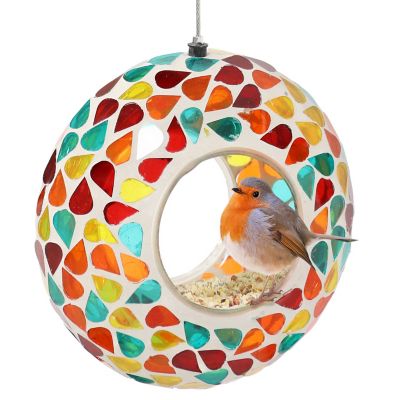
The best cottage bird feeder for your yard depends on the birds you hope to see, the type of seed you plan to offer and how often you want to refill it. Hopper-style cottage feeders generally hold a larger supply of mixed seed or sunflower seed, often in the range of several pounds, making them handy for busy yards or households that would rather refill every few days than every morning. Smaller decorative feeders may hold less food and work nicely as a secondary feeding spot, especially near a window or in a compact garden. Sunflower seed is a dependable all-around option for many backyard birds, while millet and mixed seed can appeal to finches, sparrows, juncos and other ground-feeding visitors. If you want to limit the mess beneath the feeder, look for a design with a tray that catches loose hulls and dropped seed, then choose a seed blend suited to the birds in your area. A removable tray, lift-off roof or accessible hopper makes a real difference when it is time to empty old food, scrub away residue and add a fresh supply. Smooth plastic, sealed wood, metal and glass surfaces are typically easier to wipe down than deeply textured decorative details. Cottage feeders made with glass or ceramic can add color and visual interest, but they may hold a smaller amount of food and need careful handling during setup and cleaning. Hanging cables should be sturdy and sized for the feeder’s weight when filled, while post-mounted models need a stable, level support that will not wobble when larger birds land. Check that the roof extends over the seed opening to help shed rain, and make sure drainage holes are present so moisture does not collect inside the hopper. During the warmer part of the season, seed can spoil more quickly in heat and humidity, so placing the feeder in a shaded location and offering only as much food as birds can eat in a few days is a smart habit. As cooler weather settles in, the same feeder becomes a welcome stop for birds building energy and moving through the landscape, but regular cleaning remains important in every season.
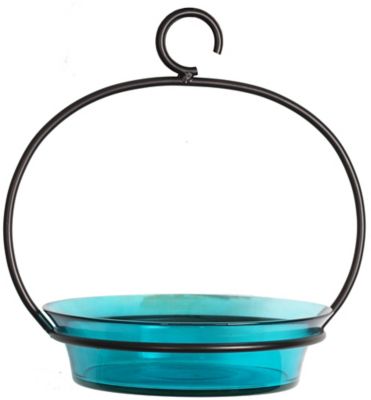
Caring for a cottage bird feeder is simple when it becomes part of the normal yard routine. Empty wet, clumped or moldy seed right away, brush out the hopper and tray, and wash the feeder with warm soapy water before rinsing it well and allowing it to dry completely. A routine cleaning every couple of weeks is a useful starting point, with more frequent attention when the feeder is busy, damp or exposed to heavy rain. Move the feeder occasionally if seed shells are building up beneath it, since a clean feeding area helps reduce the spread of illness among birds. Keep an eye on the roof, hanging hardware, seams and mounting points, particularly after strong wind or storms. Refill the feeder with fresh food rather than topping off old seed, and store unopened seed in a dry, tightly closed container that keeps out moisture and pests. A cottage feeder can be paired with a shallow birdbath, native shrubs or berry-producing plants to make the yard more inviting, though water and food should be kept clean and positioned where birds have a clear line of sight. Watching a feeder become part of the daily rhythm is one of its best rewards: a flash of red at breakfast, a small flock gathering after a passing shower, or the soft bustle of birds settling in as evening comes on. For more ways to support backyard birds and round out your outdoor setup, browse
Garden Bird Feeders. Whether you are choosing a cottage bird feeder for your own garden or giving one to someone who enjoys time outdoors, focus on a sturdy design, an easy-to-clean layout, a suitable capacity and a safe location. Those practical details help turn a charming garden accent into a reliable feeding station that can be enjoyed through changing weather and seasons.