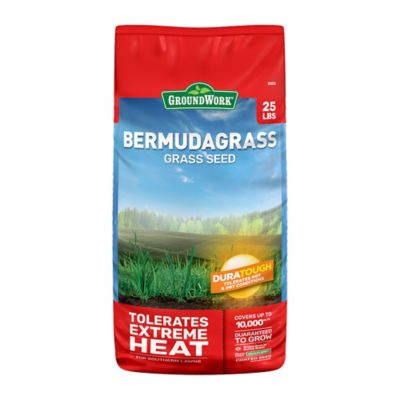
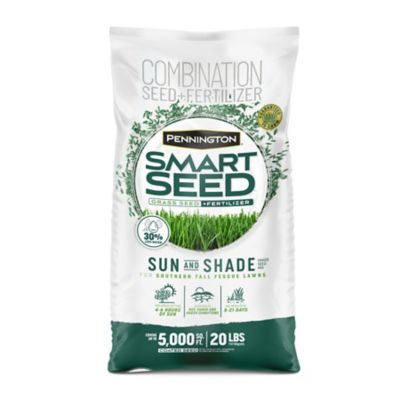
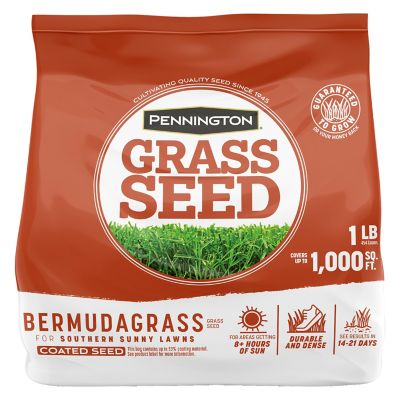
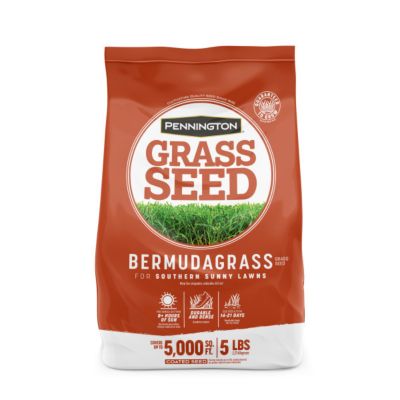
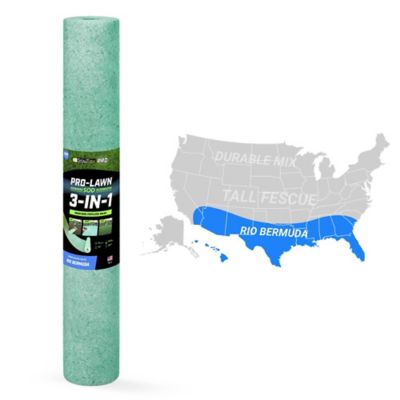
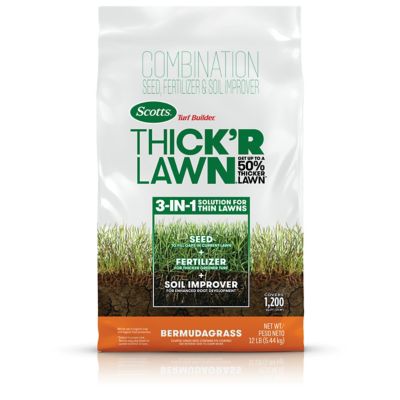
Southern grass seeds commonly include bermudagrass, bahiagrass, centipedegrass and seeded zoysiagrass, along with turf-type tall fescue for suitable transition-zone lawns. The best fit depends on more than a Southern address: sunlight, soil drainage, foot traffic and the amount of upkeep a property needs all matter. A sunny front yard beside a gravel drive has different demands than a shaded backyard beneath mature trees. Bermudagrass grows vigorously in full sun and spreads through runners, making it a practical choice for active lawns where children play or folks regularly walk between the house and workshop. That spreading habit also means keeping an eye on lawn edges near flower beds and garden rows. Bahiagrass suits many sandy, well-drained sites and lower-input landscapes, though its more open growth and prominent seedheads give it a different look from a closely maintained lawn. Centipedegrass fits some acidic Southern soils and generally calls for less fertilizer than bermudagrass, but it handles heavy traffic poorly. Seeded zoysiagrass can develop a dense lawn once established, although establishment takes patience and its sunlight needs vary by variety. Tall fescue offers another option in parts of the upper South and transition zone, particularly where some shade makes sun-loving grasses a tougher fit. For properties where that grass type makes sense,
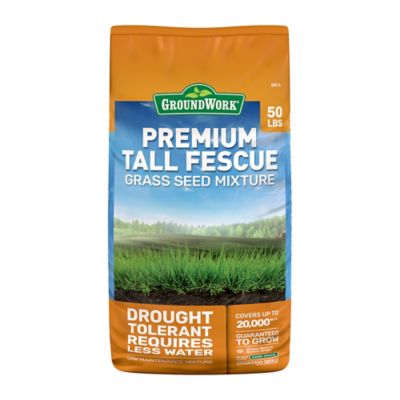
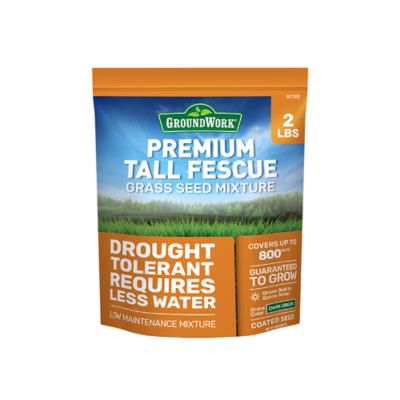
Fescue Grass Seeds offer a closer look at that category. Tall fescue generally stays green longer in cool conditions than warm-season grasses, but extended heat and drought can increase its watering needs. No grass seed solves deep shade, standing water or constant traffic on its own. The right match starts with realistic expectations for the ground itself. A broad, sunny lawn, a lightly shaded side yard and a sandy stretch near the mailbox may call for different seed choices, even on the same property. Grass texture matters, too: some homeowners favor a finer lawn around a porch, while others prefer a more open, utility-minded stand across a larger homesite.
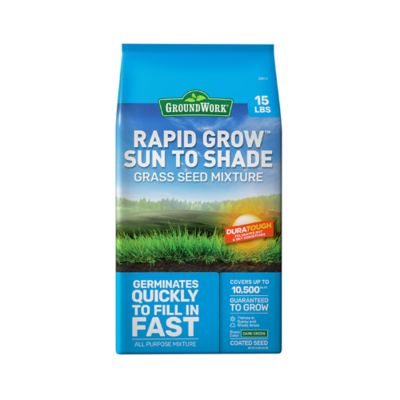
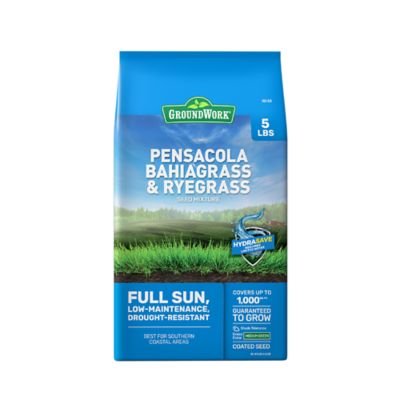
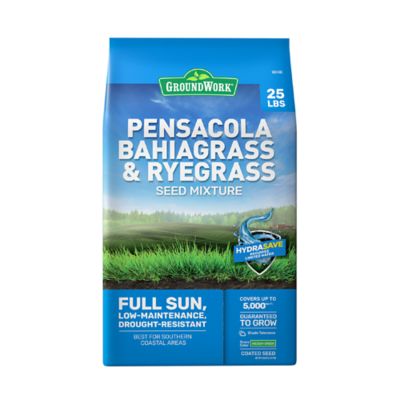
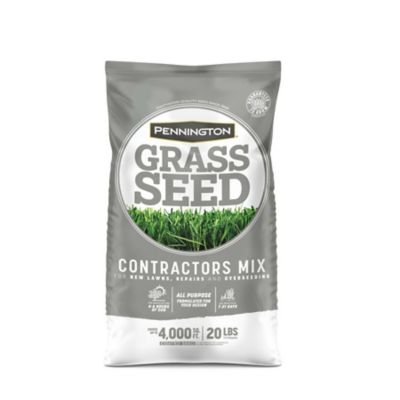
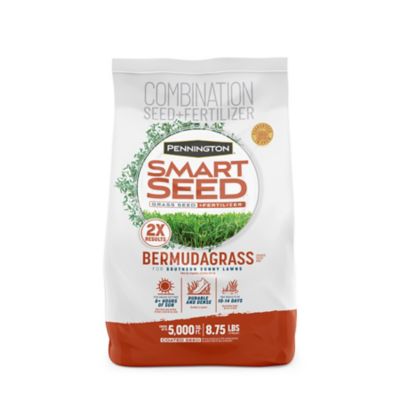
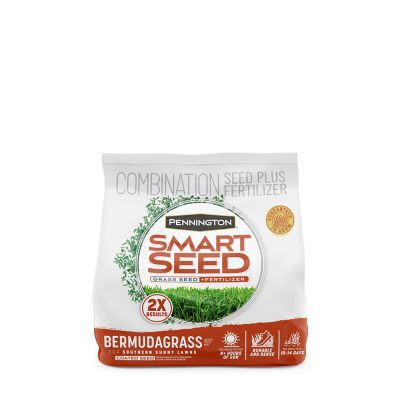
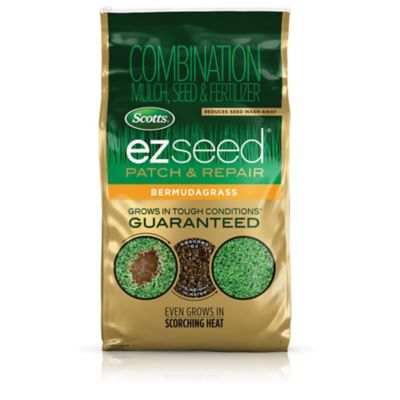
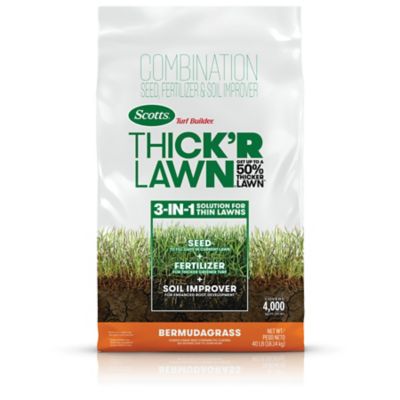
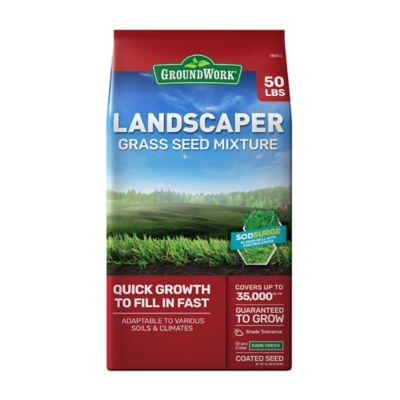
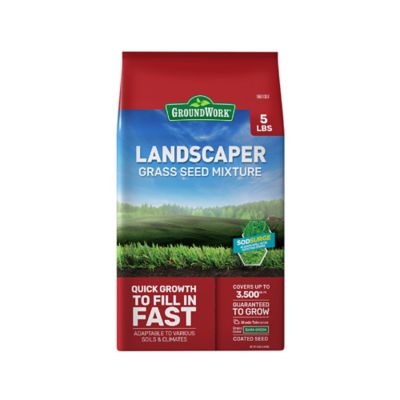
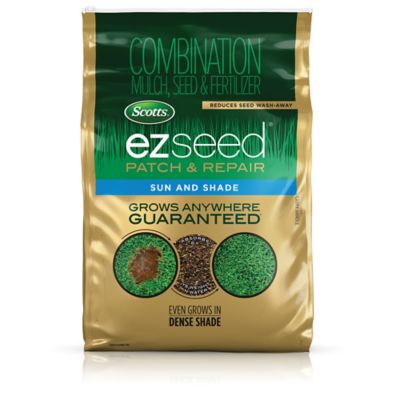
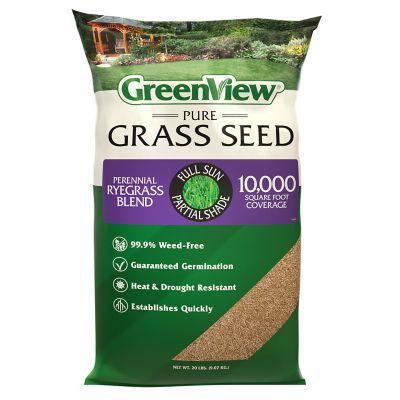
Seed composition helps explain what a bag of Southern lawn seed is meant to do. A single-species selection focuses on one grass type, while a blend contains multiple varieties of the same species and a mixture contains more than one species. Those distinctions matter when comparing growth habits, appearance and maintenance needs. A mixture is not automatically a better match for every yard; its components still need to suit the location and the intended lawn. The seed analysis label identifies the grasses inside and lists information such as germination percentage, weed seed and inert matter. Some seed comes with a coating, fertilizer or other establishment materials, so total package weight does not always represent the weight of grass seed alone. Coverage also depends on the application: starting a lawn on bare ground generally calls for a different seeding rate than filling out an existing stand. Comparing labeled coverage for the same purpose gives a clearer picture than comparing bag weights alone. Seed treatments may support establishment, but they do not replace good contact with the soil or the moisture seedlings need. Soil conditions remain a big part of the picture, especially around new construction, worn gates and places where equipment has packed the ground hard. A soil test can show whether the pH and nutrient levels suit the selected grass, rather than leaving lime and fertilizer decisions to guesswork. Sandy ground drains quickly, while compacted clay can shed water or hold it near the surface. Neither condition means a lawn is out of reach, but each affects seed selection and site preparation. Beneath a big oak, competition from roots can matter just as much as shade. Along a driveway, runoff may move loose seed before it takes hold. These everyday details help distinguish seed suited to a particular patch of ground from seed chosen only for the name on the bag.
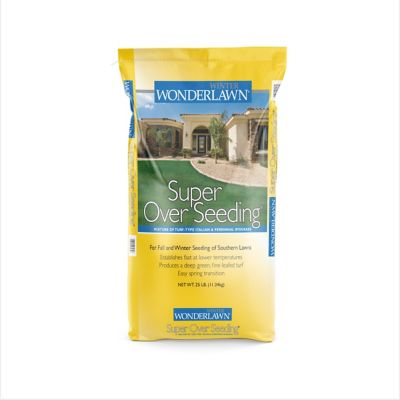
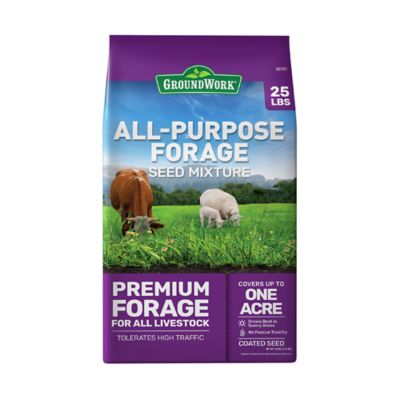
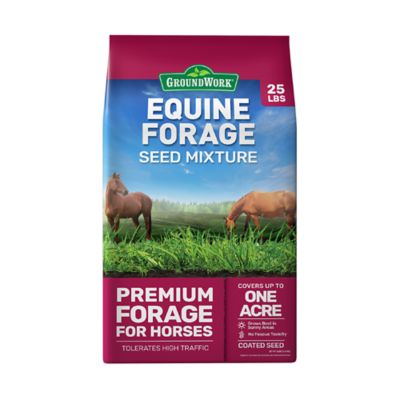
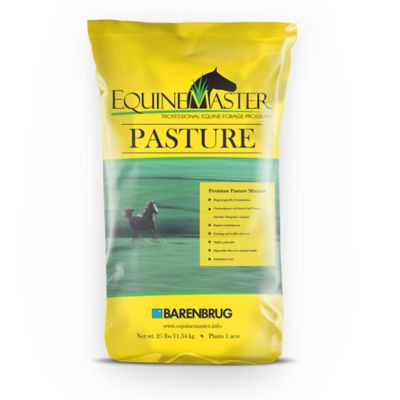
The intended use of the lawn should carry through to its care. A yard that hosts backyard ball games needs a grass with different wear and recovery traits than a quiet strip along a fence. Bermudagrass can fill small worn areas through its spreading growth when conditions support active growth, while tall fescue typically needs additional seed to fill bare spots because most varieties grow in bunches. Existing turf also matters when patching: a different grass can leave noticeable changes in color, blade width and growth rate across the lawn. Southern grass seeds intended for new lawns, repairs or overseeding need to fit that larger picture, not just cover the bare spot for a little while. Warm-season grasses generally establish best with sufficiently warm soil and enough growing time ahead, while tall fescue establishment usually fits milder conditions. Temporary ryegrass overseeding serves a different purpose from planting a permanent lawn and can complicate the return of warm-season turf if the grasses compete. Once seed sprouts, steady moisture near the surface supports young roots; an established lawn usually benefits from watering that reaches farther into the root zone rather than frequent light sprinkling. Mowing height varies by species, so a low-cut bermudagrass lawn and a taller fescue lawn should not receive the same treatment. Keeping pets, boots and mower tires off tender seedlings also helps protect the work already put into a patch. Weed-control labels deserve attention around seeding because some treatments can prevent grass seed from establishing. For acreage owners, lawn seed and pasture seed are separate choices: a turf planting should not be assumed suitable for grazing livestock. Across front yards, side yards and open homesites, the goal is grass that suits the land and the way people live on it. Matching the seed to those everyday demands supports a more even lawn without signing up for more mowing, feeding or watering than the household wants to take on.