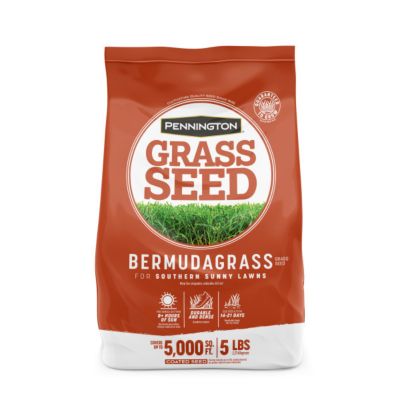
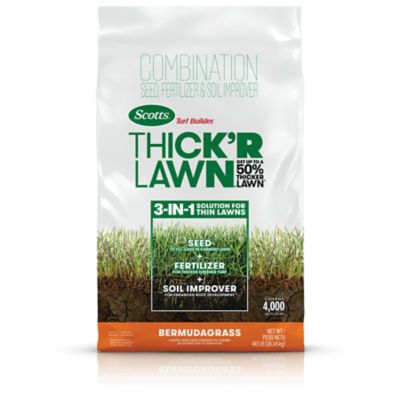
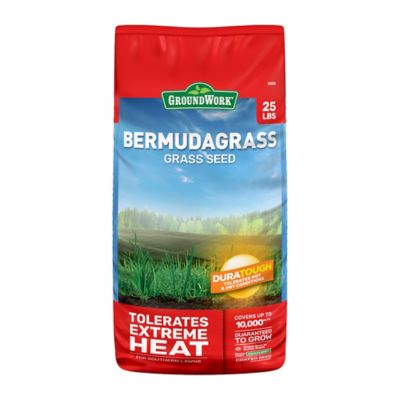
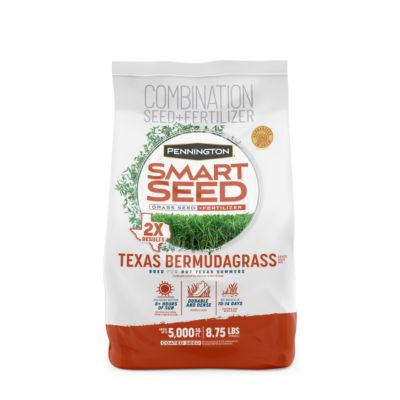
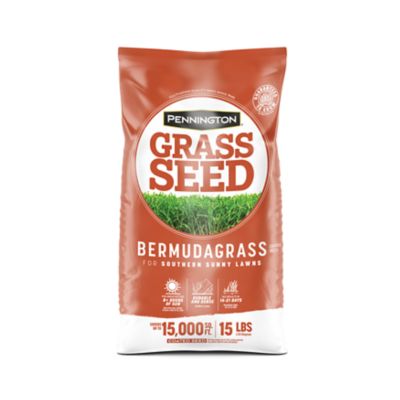
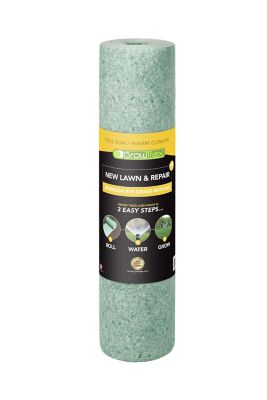
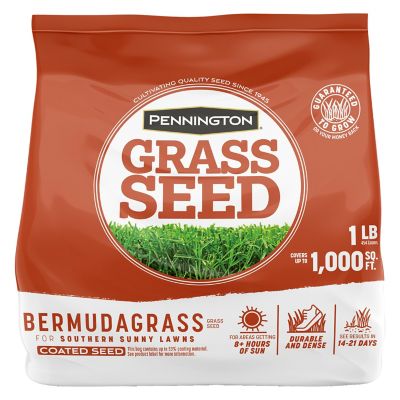
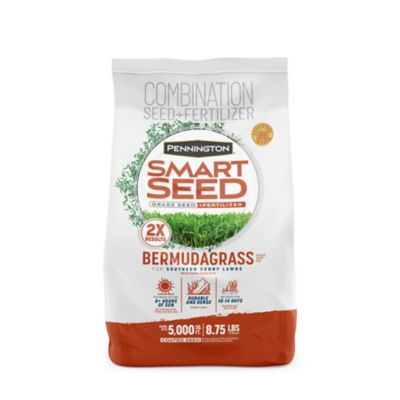
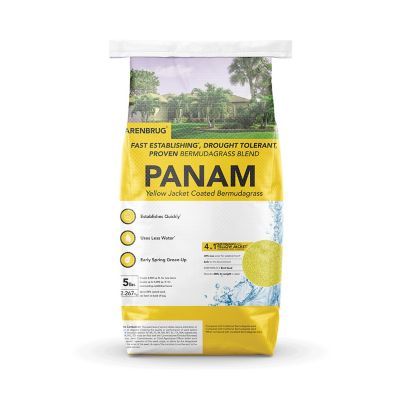
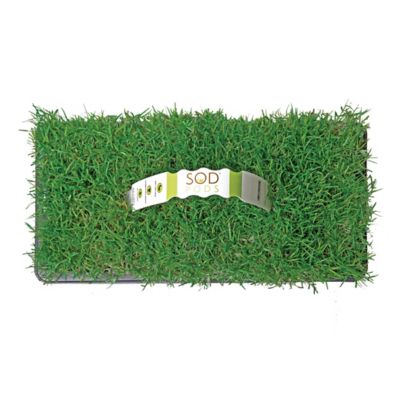
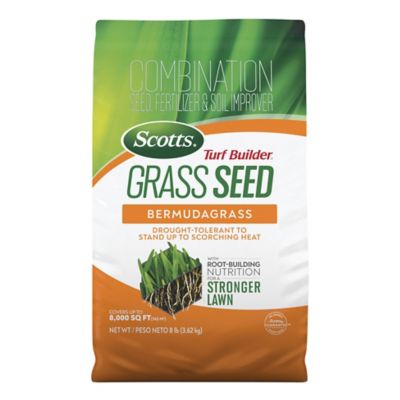
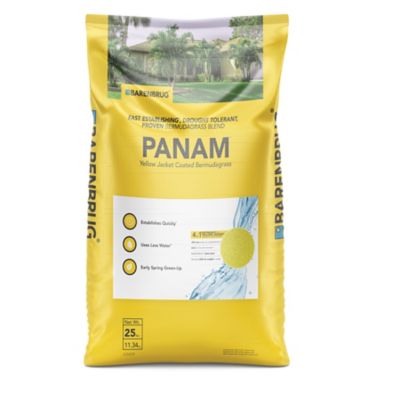
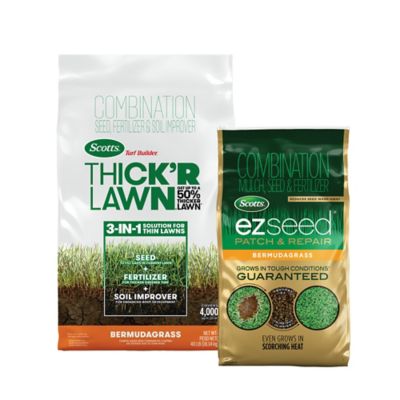
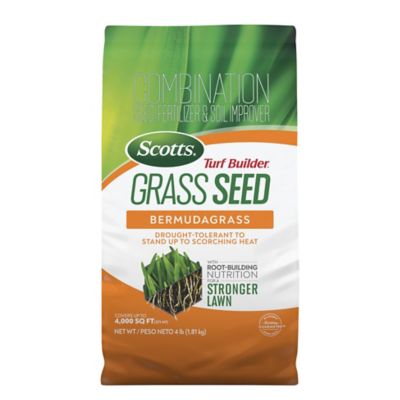
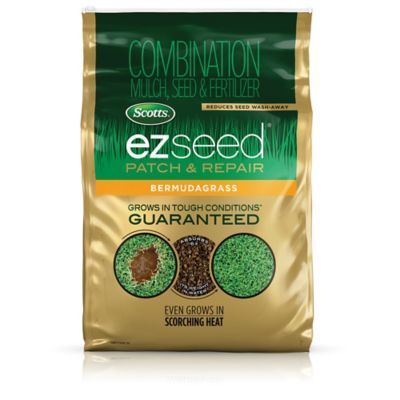
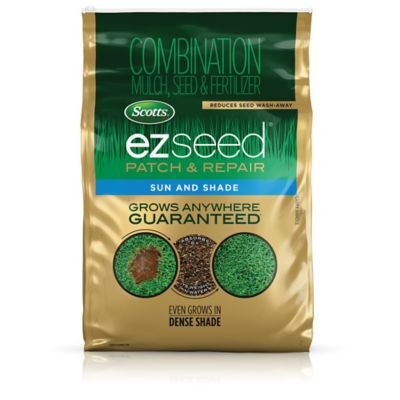
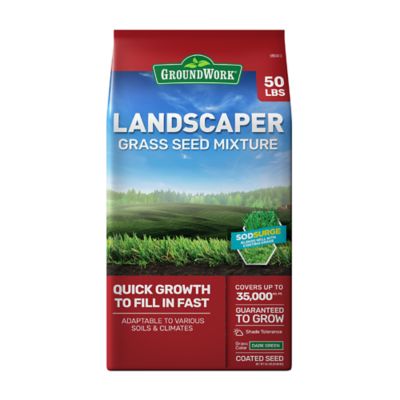
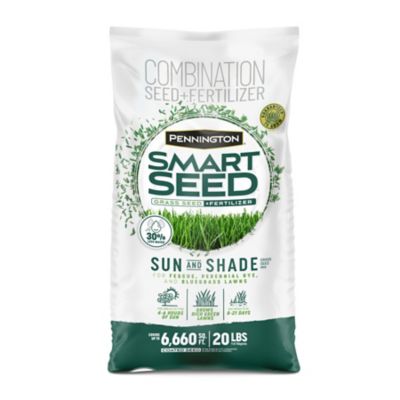
Bermudagrass seeds are a go-to choice for folks looking to grow a tough, good-looking lawn or pasture that can stand up to sun, heat, and heavy foot traffic. Whether you’re tackling a bare patch in your backyard, starting fresh on a new homestead, or looking to give your livestock a hearty grazing pasture, bermudagrass is known for its resilience and quick-spreading habit. These seeds are a favorite for homeowners, ranchers, and anyone who wants a low-maintenance, warm-season grass that thrives as the days get longer and the weather heats up. Bermudagrass is especially popular across the South, where its ability to handle drought and bounce back from heavy use makes it a reliable option. It’s also a thoughtful gift for someone moving into a new place or setting up their first farm—nothing says “welcome home” like the promise of a lush, green yard or productive pasture.
When shopping for bermudagrass seeds, you’ll notice there are a couple of different types to choose from, each with its own strengths. Common bermudagrass is a tried-and-true classic, known for being budget-friendly and easy to establish. It’s a solid pick for larger spaces, erosion control, or anywhere you need a hardy, dependable grass. For those who want a finer look—maybe you’re after that golf course feel in your front yard—improved turf-type bermudagrass offers a denser, greener, and softer lawn, perfect for barefoot kids or backyard gatherings. You’ll also see seeds labeled as hulled or unhulled. Hulled seeds have their protective coating removed, which helps them sprout fast when the soil is warm, making them ideal for planting as the weather warms up. Unhulled seeds still have their shell, so they’re better suited for overseeding or getting a jump on things before the chill leaves the air. No matter which type you go with, bermudagrass needs warmth and steady moisture to get started, but once it’s up, it’s tough as nails and doesn’t ask for much. If you’re looking to compare bermudagrass with other warm-season options or want to see what else thrives in your region, take a look at our selection of
Southern Grass Seeds for more choices that suit life below the Mason-Dixon.
Planting bermudagrass seeds is a straightforward project that pays off for years. Folks with pets, kids, or livestock appreciate how well it stands up to running, playing, and grazing, while those with big open spaces value its ability to fill in quickly and crowd out weeds. It’s also a smart pick for folks dealing with patches of bare ground or slopes that tend to erode, since bermudagrass roots knit the soil together tight. Whether you’re sowing by hand on a small patch or using a spreader for acreage, the key is giving those seeds a good start with warm soil and regular watering. As the seasons shift from the heat of summer into the cooler months, bermudagrass will slow down, but its deep roots and sturdy blades mean it’ll be ready to green up again when the warmth returns. For anyone who wants a lawn or pasture that’s as tough and hardworking as they are, bermudagrass seeds are a time-tested choice that fit right in with rural life.