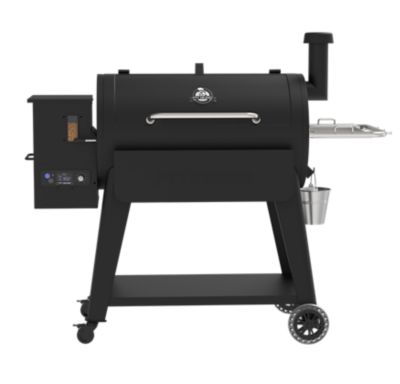
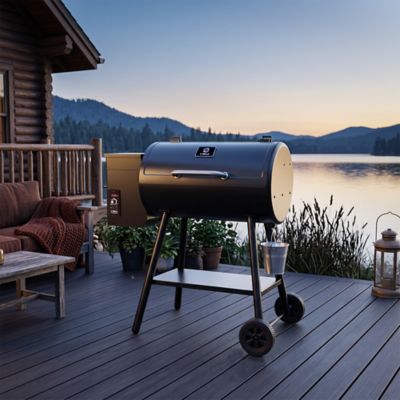
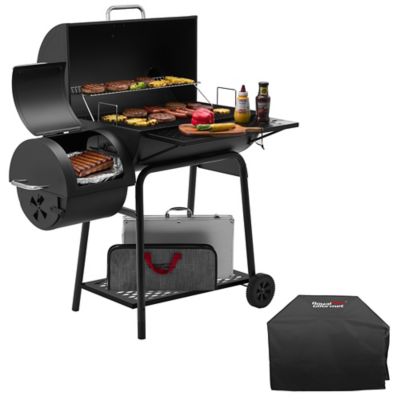
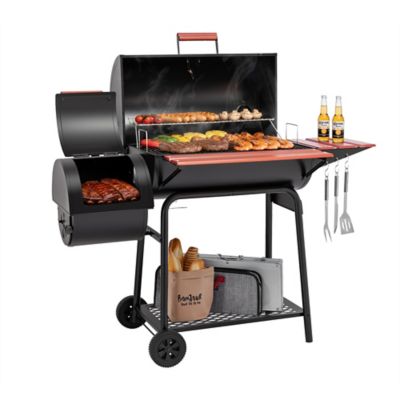
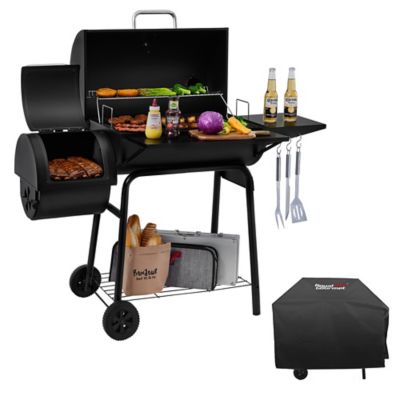
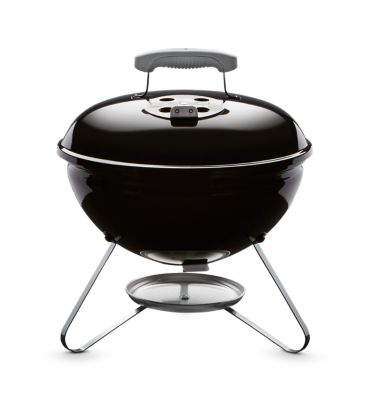
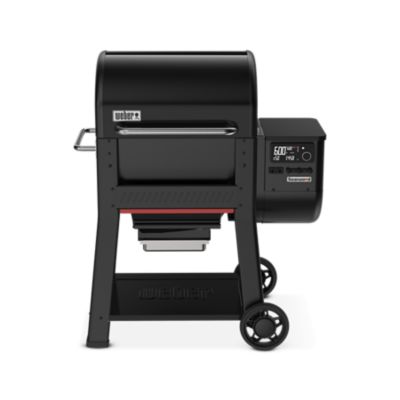
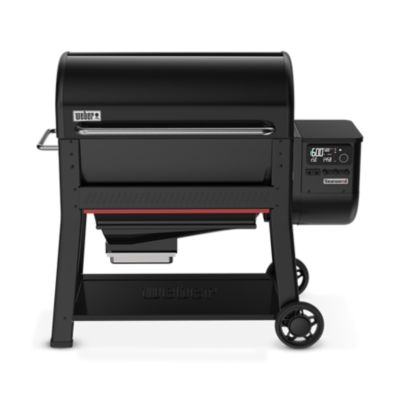
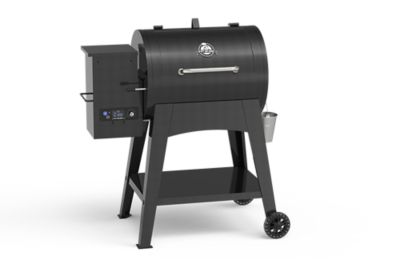
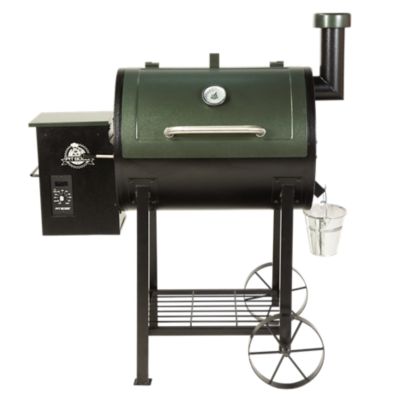
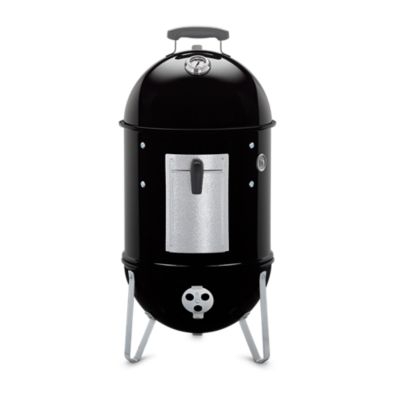
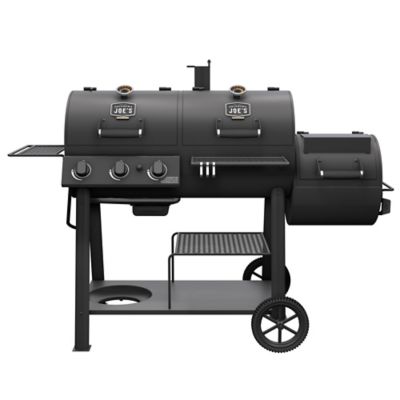
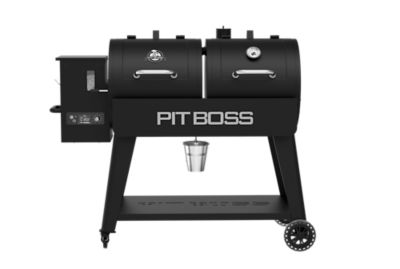
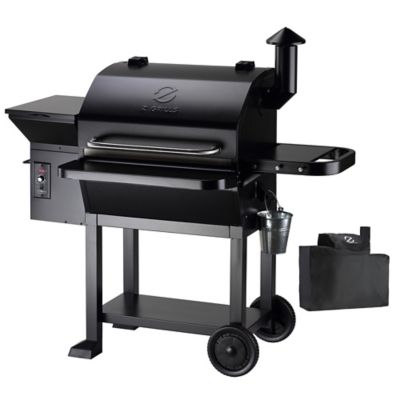
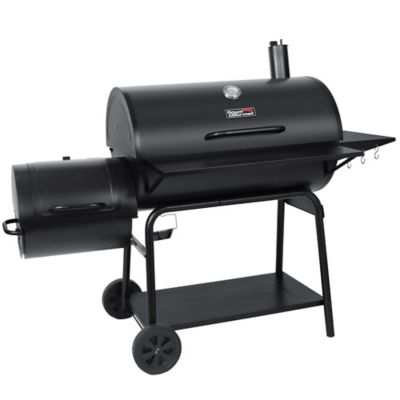
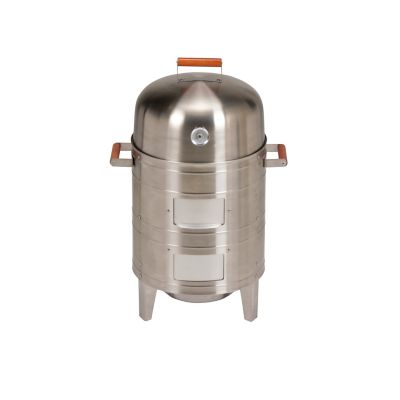
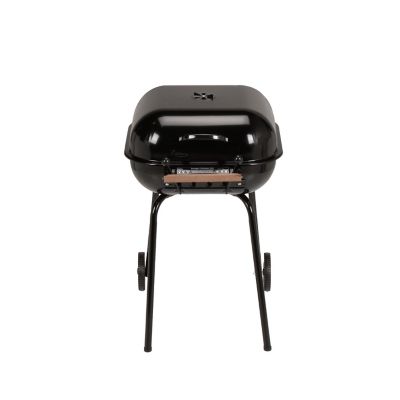
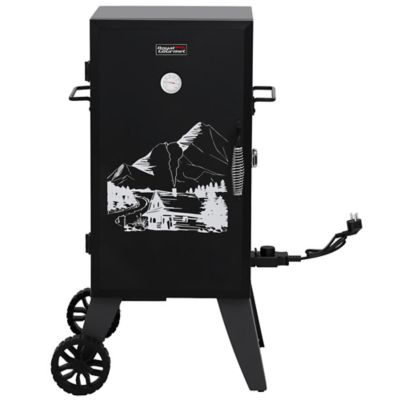
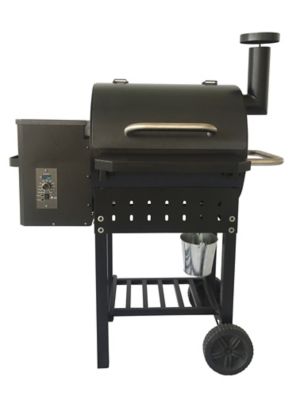
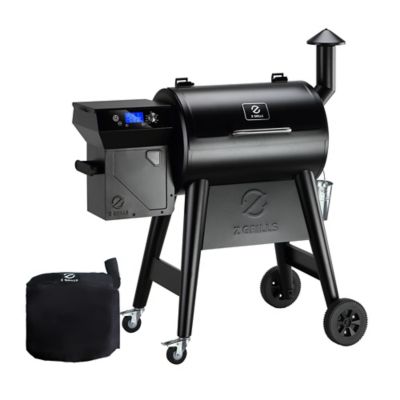
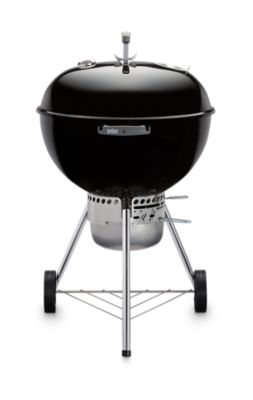
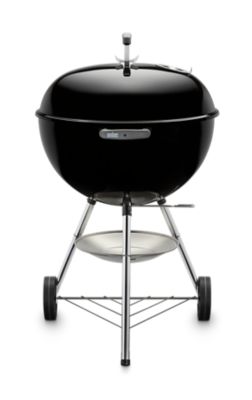
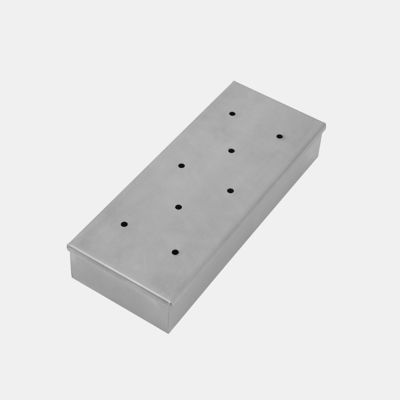
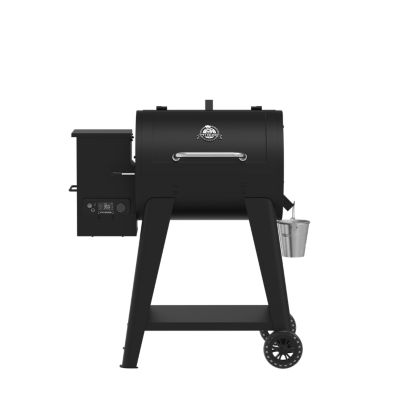
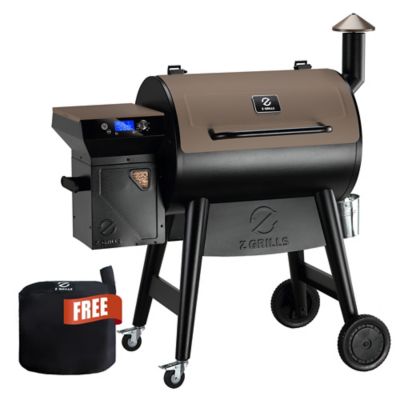
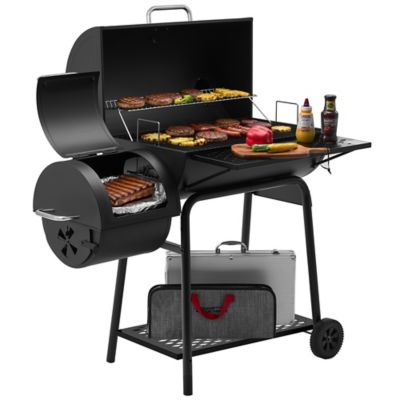
Smoker grills bring slow-cooked barbecue to the backyard, with room for everything from a rack of ribs for supper to a pork shoulder that feeds a full picnic table. A smoker grill cooks food with indirect heat and smoke, while a grill-smoker combo also supports direct grilling or higher-heat cooking when its design allows. That distinction matters if burgers and steaks are on the menu alongside brisket: not every smoker has an exposed-flame cooking area or a searing setting. The main styles include offset smokers, pellet grills, charcoal cookers, ceramic kamados and vertical smokers, each with a different approach to fire management and cooking space. Offset smokers have a separate firebox beside the cooking chamber, letting heat and smoke travel across the food before exiting through a chimney. They suit cooks who enjoy tending a fire, adjusting airflow and settling in for a long cook. Pellet grills feed hardwood cooking pellets from a hopper into a burn pot, with powered controls that help maintain the selected cooking temperature. Their appeal is steady heat with fewer manual fuel adjustments, though they still need supervision, electricity and routine cleaning. Charcoal smokers offer hands-on control through fuel placement and adjustable vents, while gravity-fed charcoal designs move fuel down from a hopper; some include powered fans and controls. Thick ceramic kamado cookers hold heat well and can handle smoking or direct grilling with the right cooking setup. Vertical smokers stack racks above the heat source, making good use of a smaller footprint, while drum smokers often keep the layout simple with racks or hanging space over a charcoal fire. Gas and electric smokers offer other ways to maintain cooking heat, typically adding smoke through wood chips or chunks as specified by the manufacturer. For households comparing slow-smoking equipment with a broader range of outdoor cooking setups,
Patio Grills offer another place to explore cookers suited to everyday meals and backyard gatherings.
The right fit depends as much on the food and the space around the cooker as it does on the fuel. Total cooking area tells only part of the story: a wide main grate may fit a whole brisket more comfortably than several narrow racks with the same combined square inches. Vertical rack spacing matters for tall cuts, upright poultry and deep pans, while removable racks can make room for larger meals. A family cooking chicken thighs and a pan of beans has different needs than someone preparing several pork shoulders for a reunion. Separate cooking zones, accessible fuel doors and room for a drip pan can make those larger cooks easier to manage. Side shelves give trays and utensils a landing spot, and a lower shelf can keep suitable supplies within reach without crowding the cooking area. The overall footprint should account for an open lid, an offset firebox, projecting handles and the clearances listed in the owner's manual, not just the width of the cart. Wheels help when moving a cooled cooker across a firm, level surface, while locking casters or stable legs help keep it in place during cooking. Materials also shape how a smoker grill feels and performs over time. Heavier steel can help moderate heat swings, though construction, airflow and lid fit matter too. Ceramic bodies retain heat well but add weight and need careful handling when moved. Stainless steel components resist corrosion, but they still benefit from cleaning and proper care. Porcelain-coated grates provide a smooth cooking surface, while cast iron holds heat well and may need seasoning when left uncoated. Hinges, handles, grate supports and firebox access deserve attention because they are parts a cook handles repeatedly. A snug lid and well-fitted doors help keep airflow manageable without blocking the cooker's intended ventilation. For a housewarming, wedding or retirement gift, a smoker grill makes the most sense when it matches the recipient's outdoor space, preferred fuel and interest in tending a cook from start to finish.
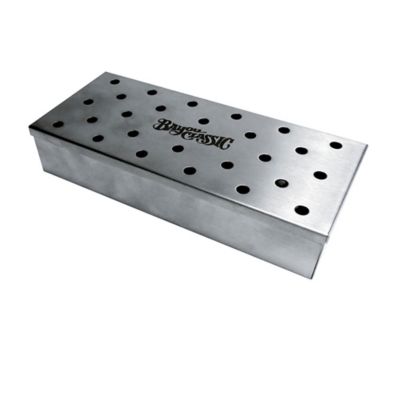
Everyday ease comes down to the details that matter once the lid closes and supper is hours away. A clear temperature display, easy-to-reach vents and accessible ash collection can take some fuss out of a long smoking session. Built-in lid thermometers show conditions near their mounting point, which may differ from the heat at grate level; a separate cooking-chamber probe can give a better picture of the conditions beside the food. A food thermometer serves a different purpose, checking internal temperature rather than chamber heat. Connected controls and probe ports can help a cook keep track of progress, but they do not replace checking the fire, fuel supply and safe operation. Wood choice adds another layer of flavor: hickory has a stronger smoke character, oak works well with many meats, and fruitwoods such as apple or cherry tend to give a milder profile. Cooking pellets, chunks and chips are not interchangeable in every cooker, so the fuel system determines which form belongs inside. Untreated wood intended for cooking is the proper choice, rather than painted lumber or building scraps. Smoker grills also earn their space beyond big cuts of meat, with indirect cooking suited to chicken, vegetables and pans of beans when the cooker supports the needed heat range. Cooking time varies with the cut, its size and the cooker, making a thermometer more useful than the clock alone for judging safe doneness. Cleanup features matter just as much after the meal. Removable ash pans, reachable grease channels and grates that lift out make regular care less of a chore. Once the cooker has cooled completely, clearing ash and grease helps limit corrosion, blocked airflow and grease-fire hazards. Coated surfaces need cleaning tools that will not chip or scratch their finish, and pellet hoppers need the storage care specified by the manufacturer. Outdoor smoker grills belong outside, away from enclosed spaces and combustible materials, with the required clearance overhead and on every side. With a sensible fit and regular upkeep, a smoker grill can become a familiar part of feeding family and friends, whether the meal is a single rack of ribs or enough pulled pork for a full table.