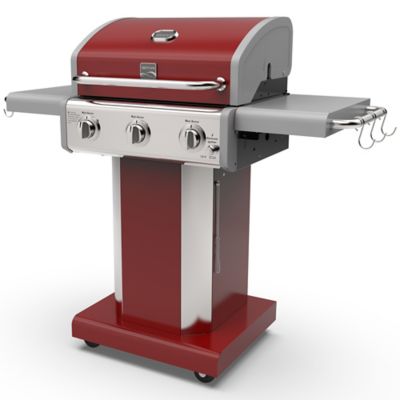
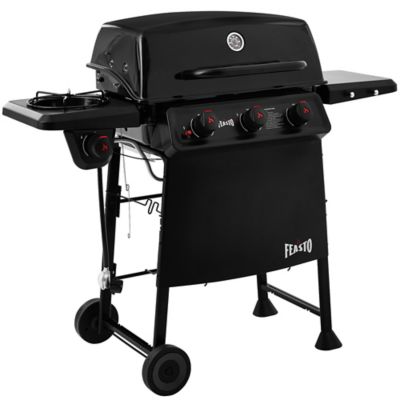
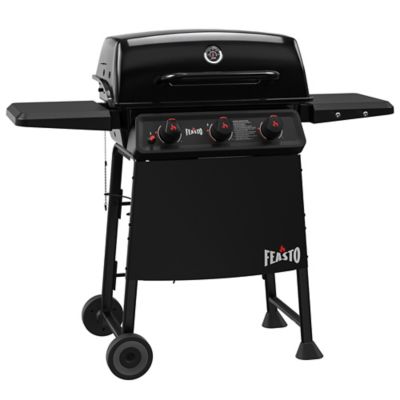
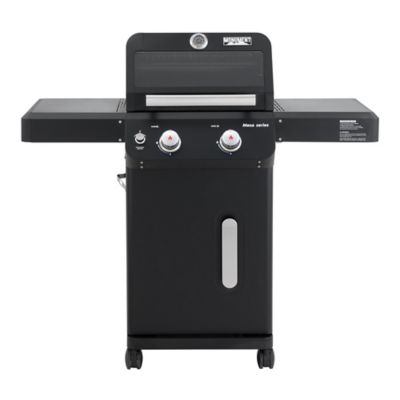
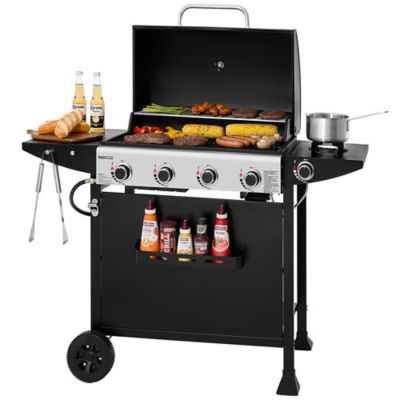
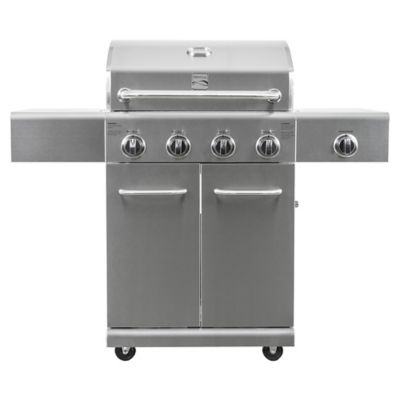
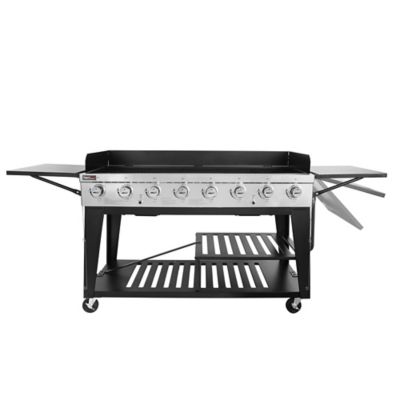
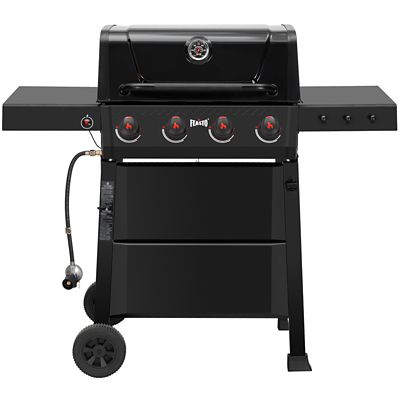
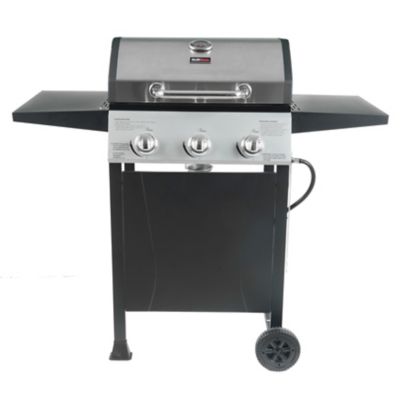
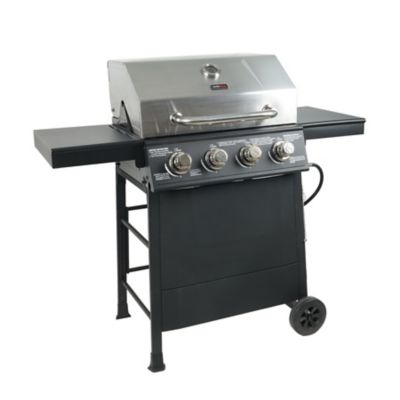
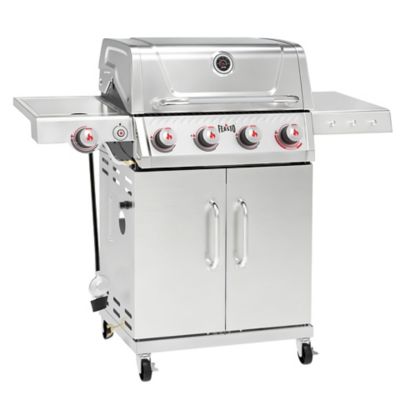
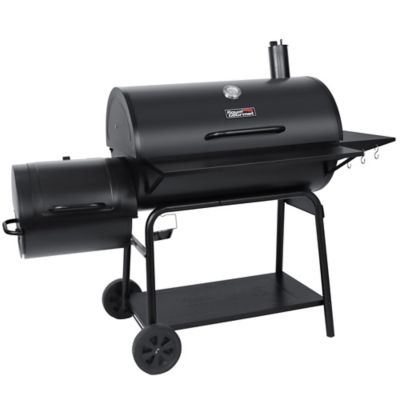
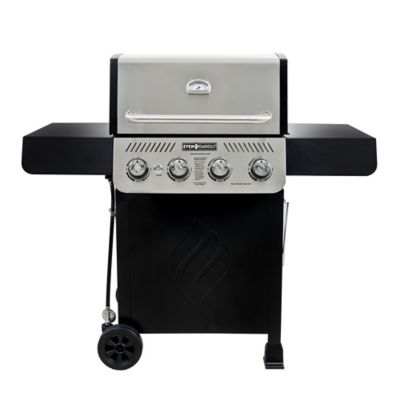
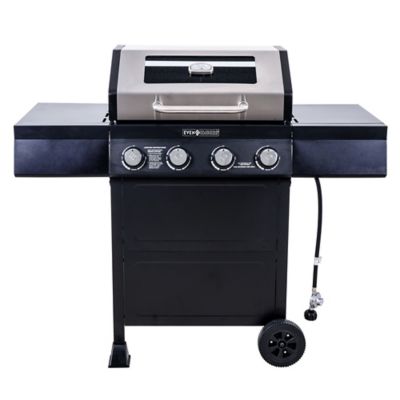
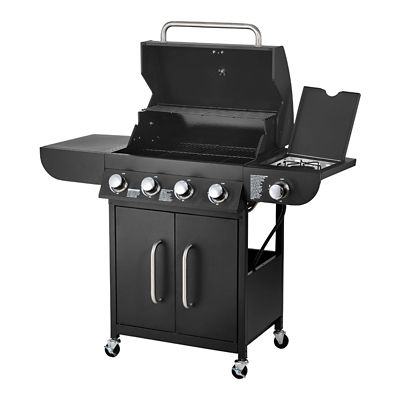
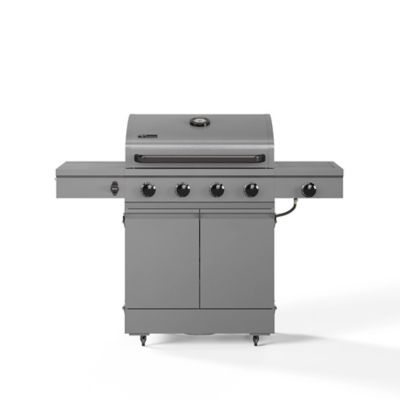
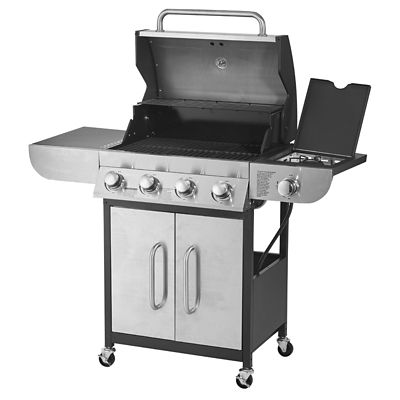
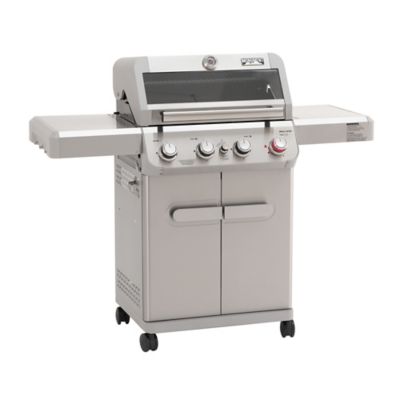
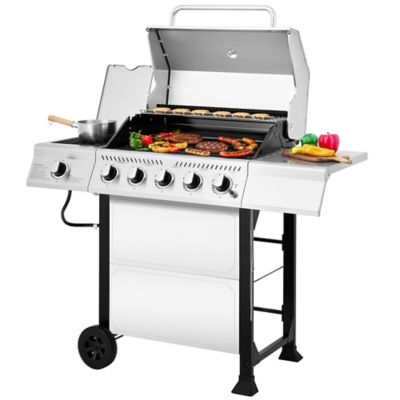
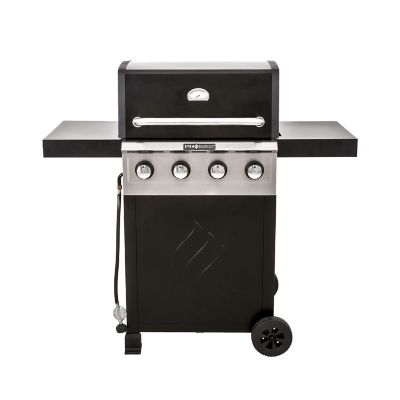
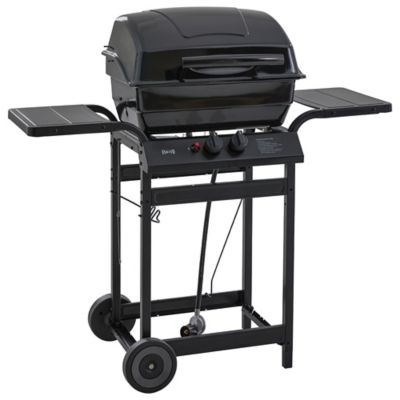
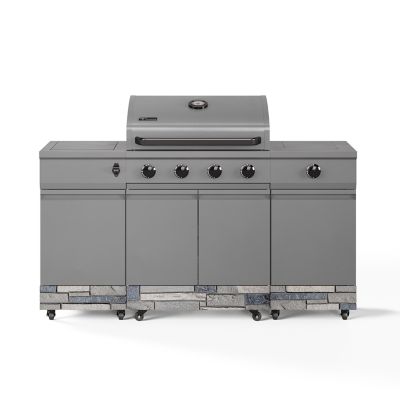
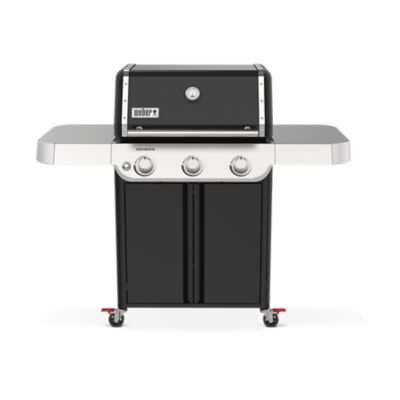
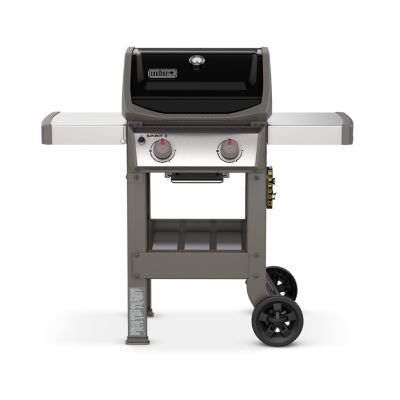
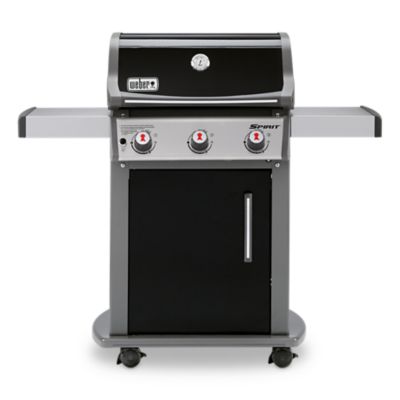
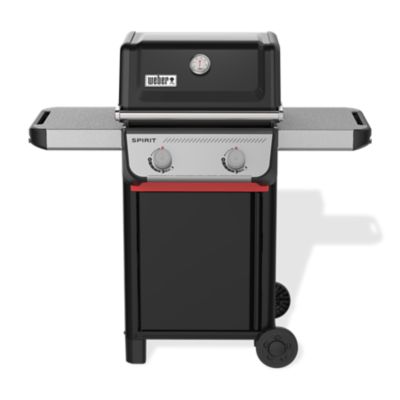
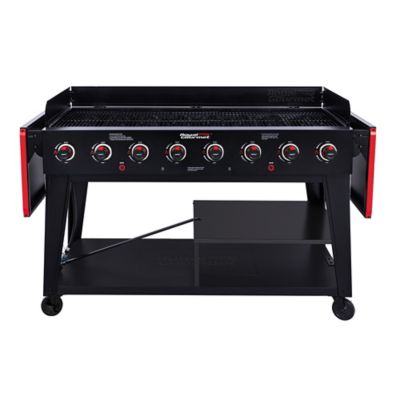
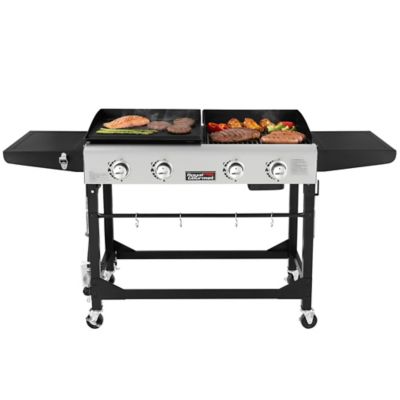
Patio grills bring outdoor cooking to spaces ranging from a small paved sitting area to a roomy backyard gathering spot, with gas, charcoal, wood pellet and electric options for different cooking styles. Compact models suit smaller meals and tighter layouts, while larger freestanding grills provide room for feeding a family or gathering the neighbors around the table. The fuel source shapes much of the cooking experience. For cooks who favor quick starts and adjustable heat,
Gas Grills offer a straightforward way to get supper going after chores, with burner controls that help manage different foods at once. Propane models run from a refillable cylinder, while natural gas models require a compatible connection and proper installation. Charcoal grills appeal to cooks who enjoy tending the fire and building a bed of coals for a hard sear or a slower cook. Wood pellet grills typically combine a pellet hopper, powered controls and a fan to manage the fire, making them a good match for longer cooking sessions and wood-fired flavor. Electric grills need a suitable electrical connection and offer another approach where building rules permit them; an electric design does not automatically mean grilling is allowed on a balcony. Apartment, condominium and neighborhood rules can affect fuel choices and placement, so those restrictions matter alongside the size of the cooking area. A grill’s overall footprint includes more than the cookbox. Side shelves, an open lid, a propane cylinder and room to reach the controls all take space. Manufacturer-specified clearance from walls, railings and other combustible materials remains essential, and grills belong outdoors rather than in a garage or other enclosed area. On a busy patio, a layout that keeps the cooking station out of the path between the back door and the table makes serving easier. There should also be enough room to move a platter without brushing against a hot lid or squeezing past a chair. A smaller grill with comfortable working room can fit a household better than a larger one that crowds every meal.
Materials and construction affect how a patio grill handles repeated cooking, cleaning and moving around the yard. Stainless steel is common for lids, bodies and cooking grates, though its resistance to corrosion varies with the alloy, finish and care. Porcelain-coated steel provides a smooth surface that needs gentle cleaning to help prevent chips, while cast iron grates hold heat well and may call for seasoning according to the manufacturer’s directions. Porcelain-coated cast iron combines heat retention with a coated cooking surface, but it still needs care around scrapers and hard knocks. Grate material is only part of the picture: a firmly supported cookbox, steady legs, secure handles and a lid that opens smoothly all contribute to a comfortable cooking setup. Cooking space matters most when it matches the meals headed for the table. A couple grilling pork chops and sliced squash has different needs from a household cooking burgers for a whole ball team. The main grate area shows the space available for direct cooking, while an upper rack provides a separate level for tasks such as toasting buns or holding finished food briefly before serving. Multiple burners can create separate cooking zones, and a charcoal grate with room to bank coals to one side allows both direct and indirect cooking. A taller lid leaves more room for larger cuts of meat, while a broad grate makes it easier to spread vegetables out instead of piling them together. Side shelves provide a landing spot for a clean platter, seasonings and tongs, and folding shelves can reduce the storage footprint when the grill is cool. Tool hooks help keep utensils within reach without covering the preparation surface. Wheels make repositioning easier on an even surface, while locking casters or stable feet help hold the grill in place during cooking. For a smaller patio, access to the grease tray, fuel compartment and ash catcher deserves attention too; routine care should not require rearranging the whole seating area.
A patio grill that suits the household’s routine is more likely to earn its place beside the outdoor table. Fast-lighting fuel systems fit evenings when supper needs to follow a long day of fence work, while a charcoal fire or pellet cook can become part of a slower afternoon spent visiting and checking on the food. Smaller cooking surfaces suit a few servings without taking over the patio, and broader layouts give the cook room to separate meat, vegetables and bread. For someone who enjoys feeding family and friends, a grill can also make a thoughtful housewarming, wedding or retirement gift, especially when the fuel preference and available space are already known. Beyond those first meals, regular care helps keep the cooking area ready for the next gathering. Grease collection systems need attention before residue builds up, and cooking grates need cleaning with tools suited to their surface. Any loose brush bristles or debris should be removed before food reaches the grate. Charcoal ash needs to cool completely before disposal in a suitable metal container, and pellet grills need the firepot and other areas cleaned as directed by the manufacturer. Pellet fuel also needs a dry storage spot because absorbed moisture can cause it to swell and break apart. On gas grills, accessible hoses and connections make routine checks easier, with leak checks performed according to the manufacturer’s instructions rather than with a flame. Outdoor electric models need the specified outlet protection and a cord arrangement that stays clear of hot surfaces and foot traffic. A properly fitted cover can help keep dust and yard debris off a clean, fully cooled grill; it should fit without dragging or interfering with storage. Food safety matters across every fuel type, so a food thermometer belongs alongside the tongs, and separate platters help keep raw ingredients away from cooked meals. With the right fit, manageable upkeep and enough working room, a patio grill becomes a practical part of everyday cooking, from a simple steak supper to a full table of hungry guests.