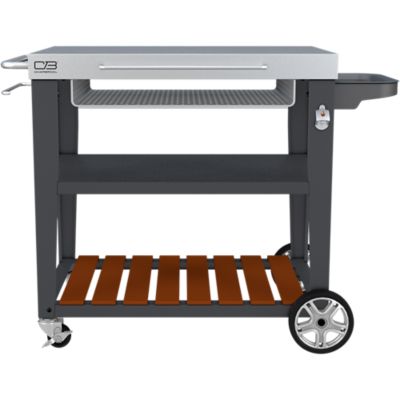
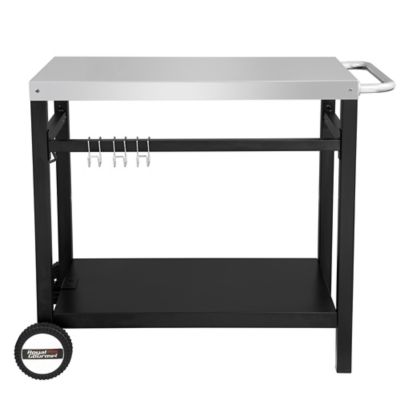
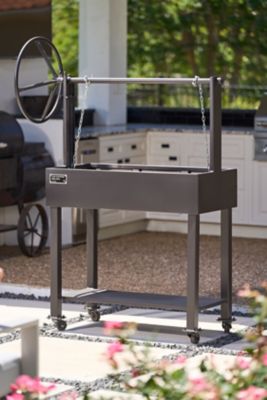
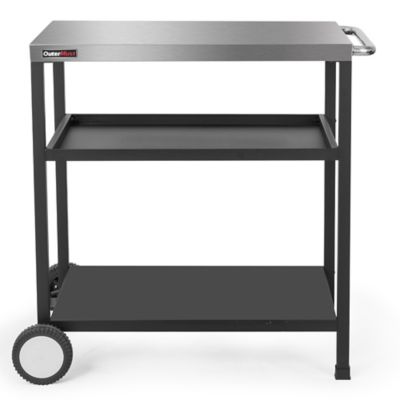
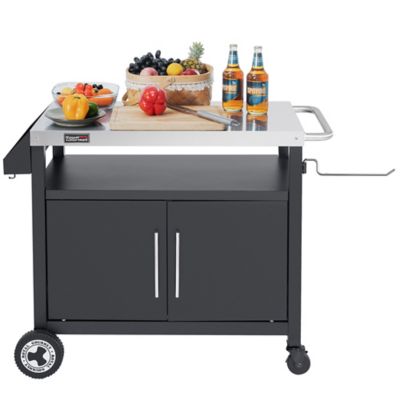
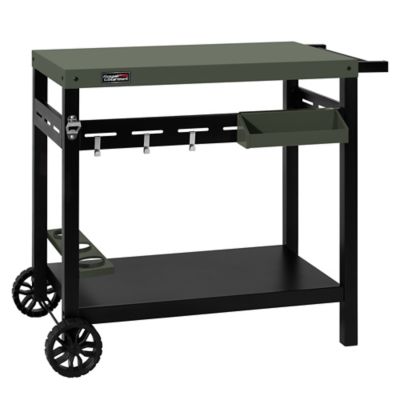
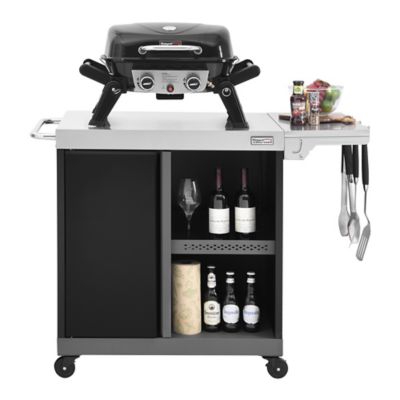
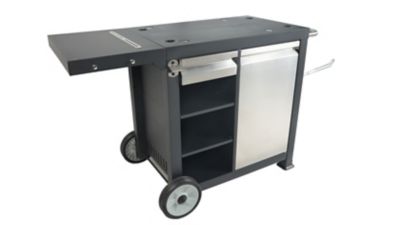
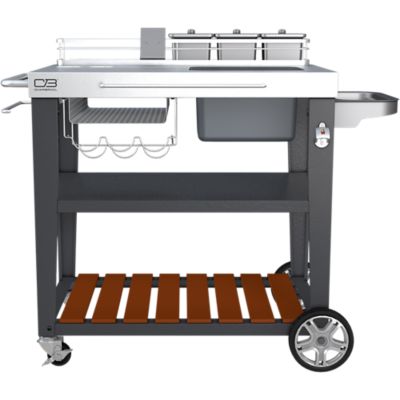
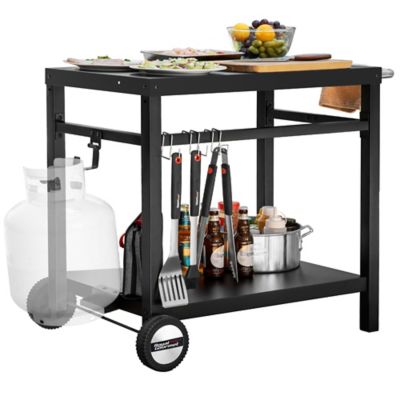
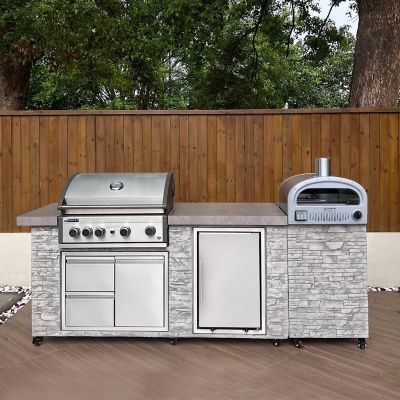
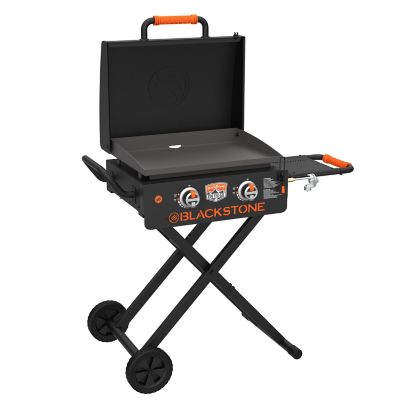
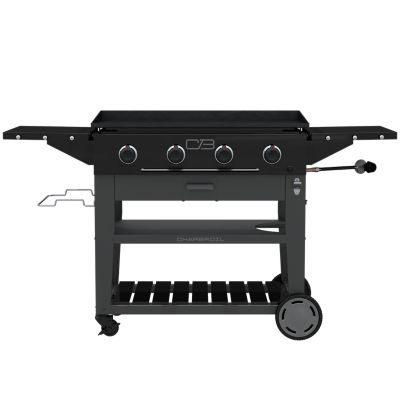
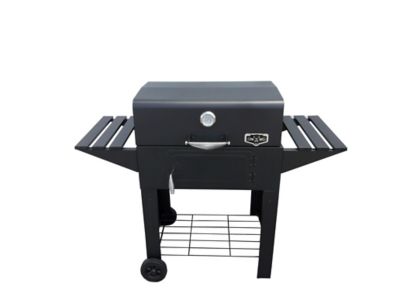
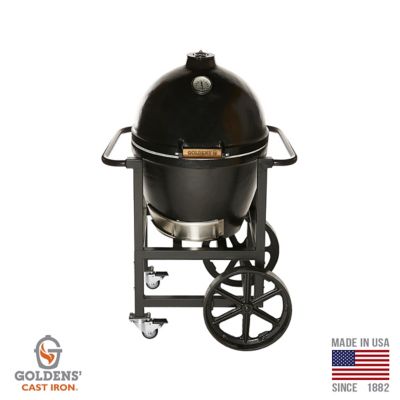
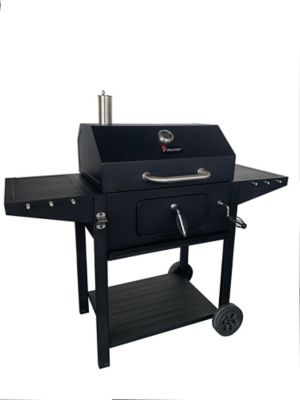
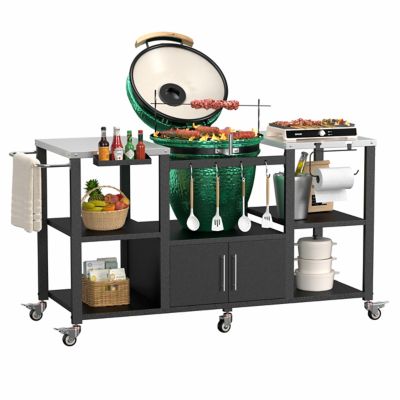
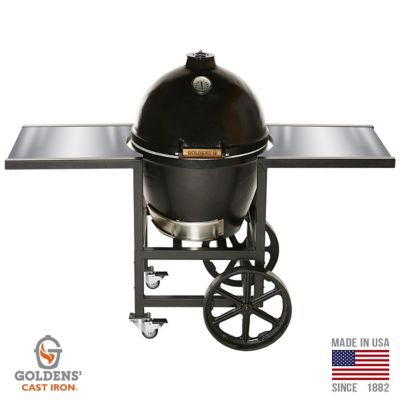
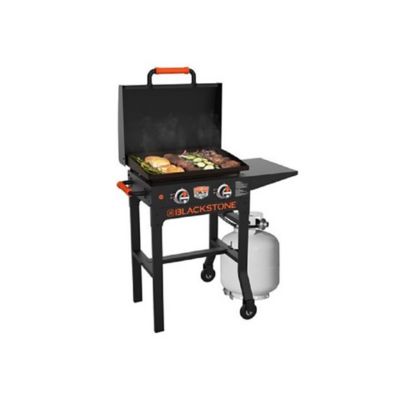
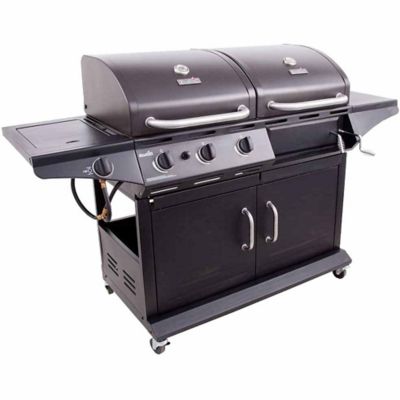
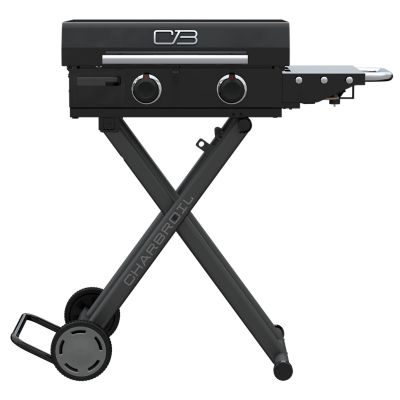
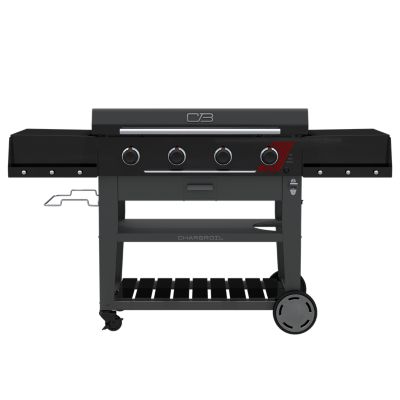
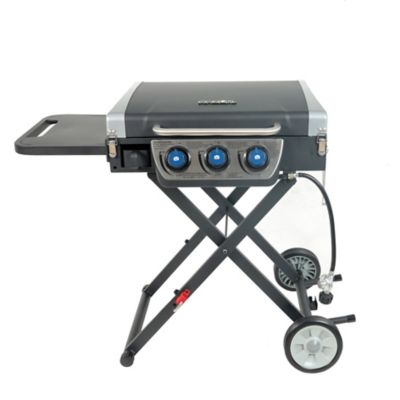
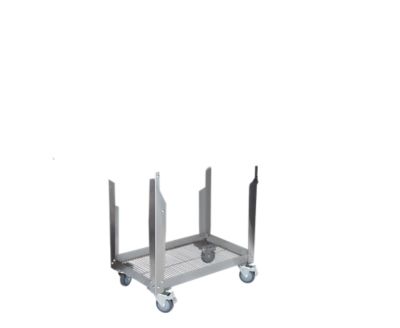
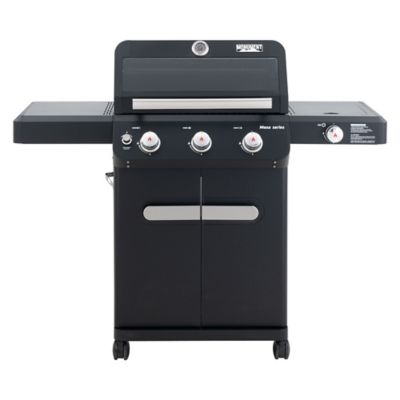
Grill carts give an outdoor cooking setup a sturdy home base, extra room to work, and the freedom to move the cooking area where it fits best. Instead of balancing seasonings on a patio railing or carrying tools back and forth from the kitchen, you can keep spatulas, tongs, sauces, serving trays, and cleaning supplies close at hand. Many grill carts are designed for tabletop grills, griddles, or compact outdoor cookers, while heavier-duty models can support round ceramic cookers or serve as a cabinet-style base for a built-in grill head. Some are simple, open-frame prep stations with one or more shelves, and others include doors, drawers, hooks, towel holders, or space for a trash bag. That variety makes grill carts useful for plenty of outdoor spaces, from a small back porch to a roomy patio, barn gathering area, or weekend campsite. A rolling cart can also make it easier to rearrange the cooking area when company arrives, move the grill out of the weather, or tuck everything neatly against the side of the house after supper. During the warmer part of the year, it can hold a cooler, a cutting board, and a platter of burgers or vegetables as food comes off the grates. When the air turns cooler, the same cart helps keep the cooking station organized while you finish a roast, crisp up bacon on a griddle, or prepare a hearty meal outdoors without making several trips inside.
When comparing grill carts, start with the size and weight of the grill or griddle you plan to use. The cooking appliance should sit securely on the cart’s top surface, with enough room for its feet, base, or mounting hardware. Check the listed weight capacity and overall dimensions, including the width and depth needed to open lids or reach side controls. A cart that is too narrow may feel crowded, while one with a broad work surface can give you a handy landing spot for raw ingredients, cooked food, trays, or a cast-iron pan. Mobility is another important detail. Heavy-duty casters make a loaded cart easier to roll across a patio, but lockable casters help keep it planted while you cook. Larger wheels may handle uneven concrete, pavers, or a packed section of gravel better than small wheels. Look for a frame that feels steady when you lean against the work surface, especially if you regularly prepare large meals or use a heavy ceramic cooker. Materials also affect how a cart fits your space and how much care it needs. Stainless steel is popular for its smooth surface, weather resistance, and easy cleanup. Powder-coated metal can provide a durable finish in a range of colors, while treated wood or wood-look details add a warmer, more traditional feel beside a deck or garden. Open shelves offer quick access and good airflow, while enclosed cabinets help protect utensils, paper goods, seasonings, and cookware from dust and damp weather. A built-in towel bar, tool hooks, bottle opener, or pull-out waste holder may seem like a small convenience, but those features can make a busy cookout run much smoother. Before placing a grill cart outdoors, consider whether it will sit under a roof, on a covered porch, or fully exposed to rain and sun. Use a fitted cover when recommended, wipe away grease and food residue after cooking, and follow the care instructions for the cart’s finish. Keeping the wheels, hardware, and storage areas clean helps the station stay dependable through changing weather.
Grill carts are a practical choice for anyone who enjoys cooking for family, neighbors, hunting-camp friends, or a crowd gathered around the fire pit. They can be especially helpful for a backyard cook who has outgrown a small side shelf, a renter who needs a flexible outdoor setup, or a homeowner building a more comfortable patio kitchen without taking on a full renovation. A cart also makes a thoughtful gift for someone moving into a new home, setting up a cabin, hosting tailgates, or learning to cook outdoors. Pairing a sturdy cart with grilling tools, a cutting board, heat-resistant gloves, or a weatherproof storage bin can turn a useful present into a complete cooking station. For pregame meals, family reunions, and roadside gatherings, a mobile setup keeps preparation organized and gives the cook a dedicated place to work; browse
Tailgating Grills for more ideas suited to cooking away from the kitchen. At home, a grill cart can live beside the patio table during a long evening meal, then roll into a protected spot when the last plate has been cleared. Think about the way you cook before choosing one: someone who serves pancakes, smash burgers, or stir-fried vegetables may value a wide top and open storage, while a low-and-slow barbecue fan may prefer a stronger frame with enclosed cabinets and room for fuel or cookware. If several people help with meal prep, extra shelf space can keep ingredients separated and reduce clutter around the grill. A good cart does more than hold a cooker. It creates a dependable work area where everything has a place, from the first handful of charcoal or turn of the burner to the final swipe of the cleaning brush. With the right fit, sturdy construction, useful storage, and smooth-rolling wheels, a grill cart can make outdoor meals feel less like a chore and more like the easygoing part of the day everyone looks forward to.