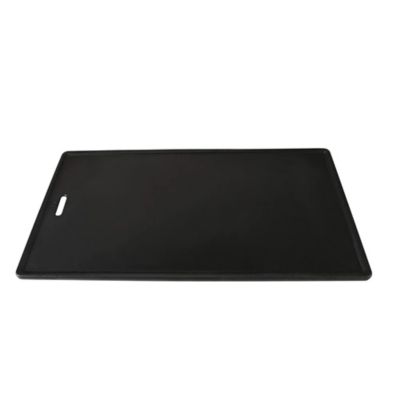
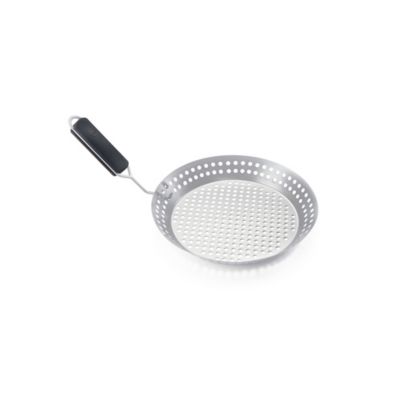
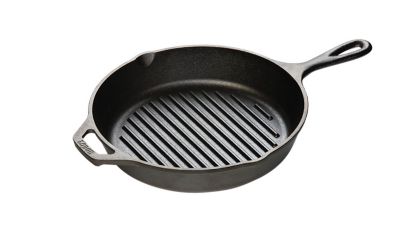
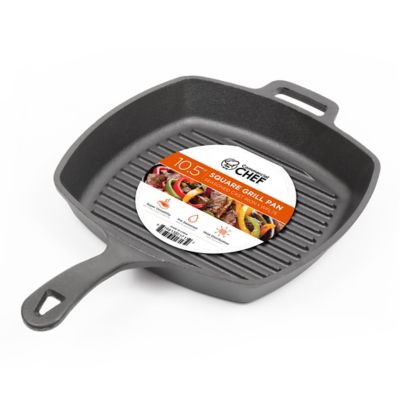
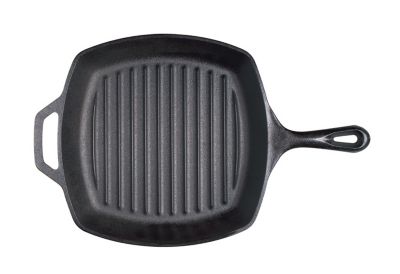
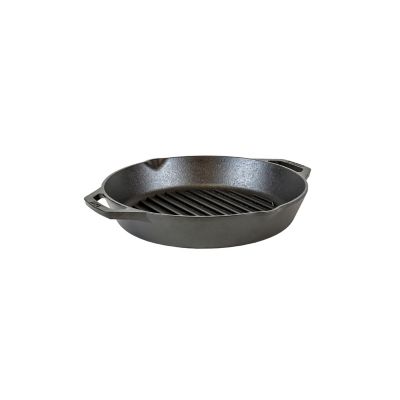
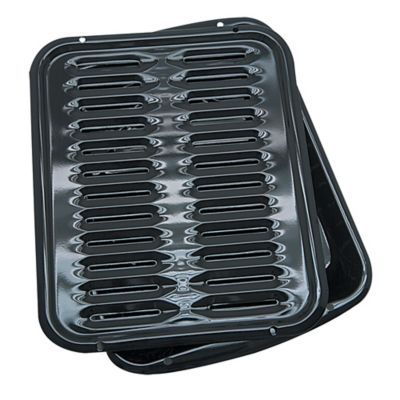
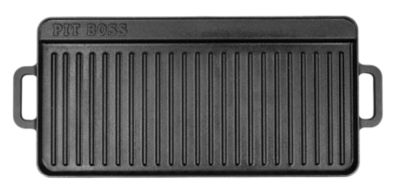
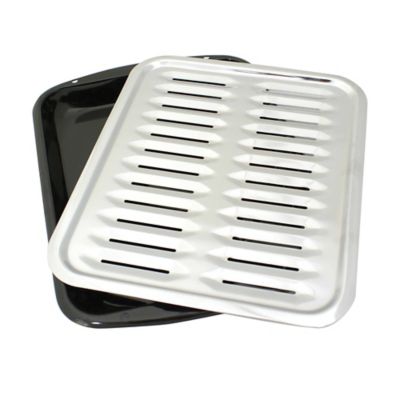
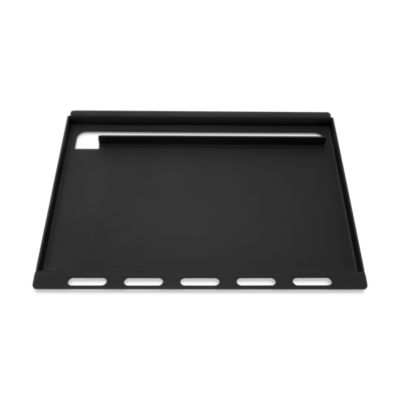
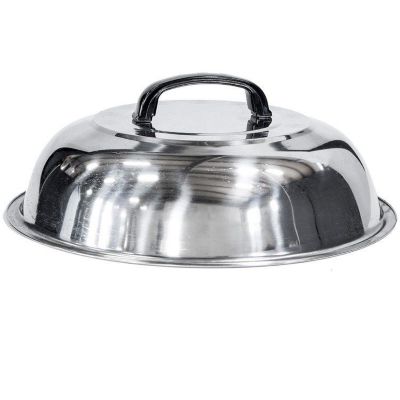
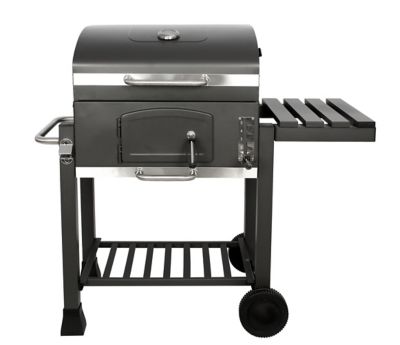
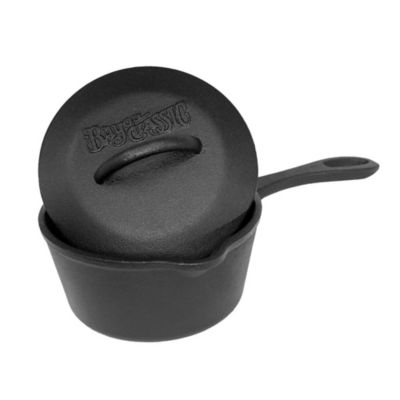
Charcoal grill pans serve two main purposes: cooking pans sit on the grill grate and hold food, while replacement charcoal trays and ash pans fit inside the grill body to support fuel or collect ash. Those jobs call for different shapes, materials, and mounting arrangements, so the intended purpose matters as much as the name. For cooking, a grill pan gives smaller ingredients a place to land without slipping between the grate bars. Sliced peppers, onions, shrimp, and bite-size pieces of meat are easier to keep together when supper includes more than burgers and steaks. Perforated pans let heat and smoke reach food through openings in the bottom and sides, while solid pans hold cooking oil, juices, and ingredients that need a continuous surface. A solid griddle-style pan suits eggs, chopped vegetables, or a batch of onions alongside the main course. Raised-ridge pans lift food above some of the drippings and leave sear marks where the ridges make contact. Those marks come from contact with hot metal; the charcoal fire supplies the outdoor cooking character. Deeper sides help contain a generous pile of vegetables, while shallow sides leave more room for a spatula to slide beneath a burger or fish fillet. A perforated pan will not hold sauces or runny mixtures, and very small pieces can still escape through its openings. A solid pan keeps those ingredients contained but needs enough space around it for the grill to breathe. For someone feeding family after chores or tending several dishes at a backyard gathering, the right pan adds cooking space suited to the food rather than forcing every ingredient onto an open grate. Food-contact cookware belongs on the cooking surface, not in place of the grill’s fuel tray, and a replacement ash pan is not cookware. Keeping those roles separate makes the category easier to sort through and helps prevent a pan with the right-looking dimensions from ending up in the wrong part of the grill.
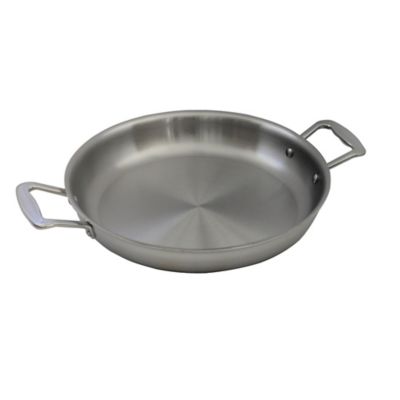
Material affects how a charcoal cooking pan heats, handles, and holds up over repeated fires. Cast iron stores heat well and gives meat a firm sear, though its weight becomes more noticeable when a full pan needs lifting. Carbon steel offers a responsive cooking surface and often weighs less than a comparably sized cast iron pan, with thickness making a difference in both heft and resistance to warping. Stainless steel brings a different set of strengths, including corrosion resistance and care that generally does not involve maintaining an oil seasoning layer. Its heating behavior depends on thickness and construction, so the material name alone does not tell the whole story. For any of these materials, suitability for charcoal cooking should come from the manufacturer’s directions. A pan intended only for a kitchen burner is not automatically suited to a charcoal fire, and nonstick coatings, enamel finishes, handle coverings, and other components each have their own heat limits. Fit deserves the same attention. A round cooking grate may accommodate a round pan neatly, but handles can extend beyond the cooking area or interfere with the lid. Rectangular pans need clearance at their corners, and tall sides may crowd a low lid. Even on
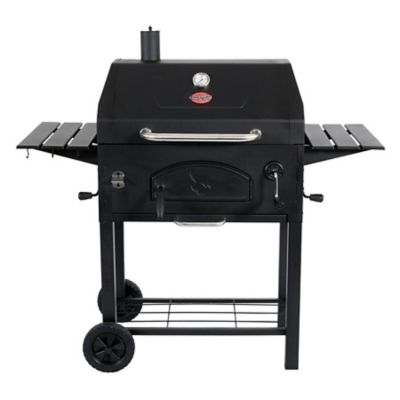
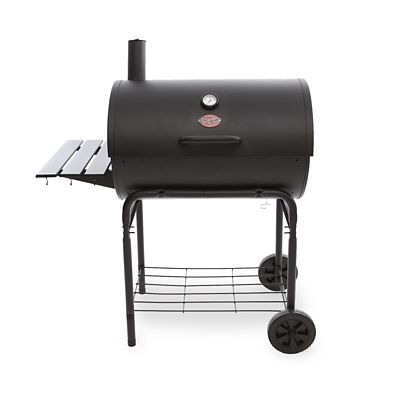
large charcoal barbecue grills, a pan that covers nearly the whole grate can limit airflow and leave little room to move food away from stronger heat. Room for a two-zone fire gives the cook more flexibility, with one area for searing and another for gentler cooking. Handle shape also matters when thick grill gloves are part of the job; metal handles become hot along with the pan. Long-term care depends on the finish. Cast iron and carbon steel generally benefit from thorough drying and a light protective oil layer according to their care instructions. Stainless steel needs cleaning and drying too, especially around seams and attachments. Letting a hot pan cool before washing helps avoid thermal shock, while keeping it out of standing water helps protect its surface between cookouts. Scrapers, brushes, and cleaners should suit the pan’s finish rather than scratch or strip it.
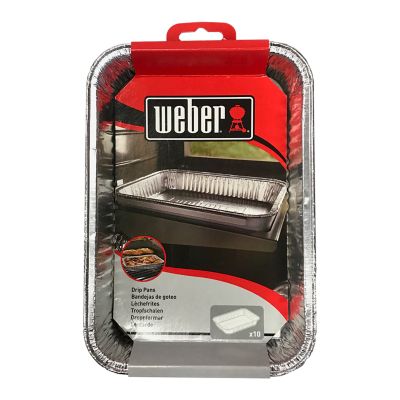
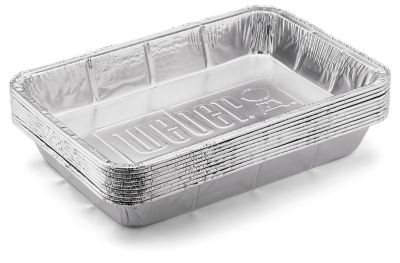
Replacement charcoal trays and ash pans solve a different problem: keeping the firebox working as designed. A charcoal tray may support briquettes or lump charcoal, sometimes with openings that allow air to reach the fuel and ash to fall below. An ash pan catches residue beneath the fire, and some grill designs combine functions within a single assembly. These parts are not interchangeable just because their overall length and width look close. Grill model compatibility, depth, edge shape, mounting points, lifting tabs, and adjustment hardware all affect whether a replacement sits securely and keeps the fuel at the intended distance from the food. A pan that blocks vents or rests at the wrong height can change airflow and cooking performance. Steel construction is common in these parts, with finishes and thicknesses chosen for the particular grill design. Porcelain-coated steel requires care that protects the coating from chips, while bare metal needs attention to moisture and corrosion. Repeated firing, trapped ash, and damp storage can take a toll on either style over time. Ash holds moisture against metal, which makes routine cleanout important for the pan and surrounding firebox. Bent edges, holes from corrosion, or mounting points that no longer hold firmly are signs that a replacement deserves consideration rather than another patch. Cleanup also involves fire safety: charcoal and ash can conceal hot embers long after cooking ends, and disposal should follow the grill manufacturer’s directions, with a covered metal container kept away from combustible materials. For the person who handles the grilling, a properly matched replacement pan can make ash removal less awkward and restore the intended fuel support without changing the rest of the setup. Cooking pans and internal trays both benefit from dry storage, sensible handling, and regular checks for damage, but the deciding details remain different. Food-contact approval and cooking-surface fit lead the choice for a grill-top pan; exact grill compatibility and the original part’s function lead the choice for an interior replacement.