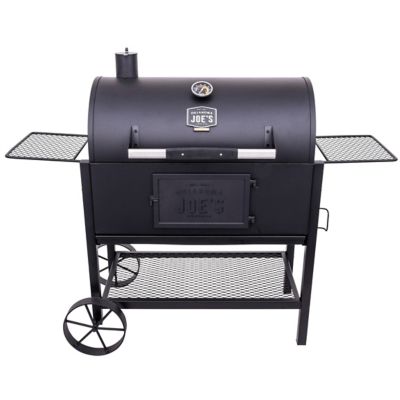
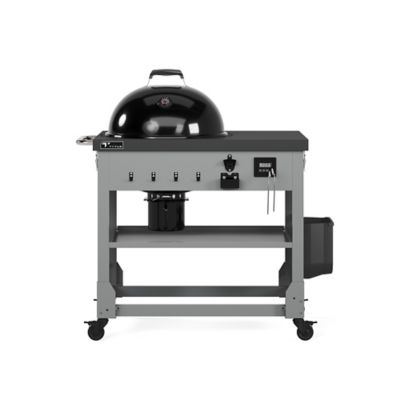
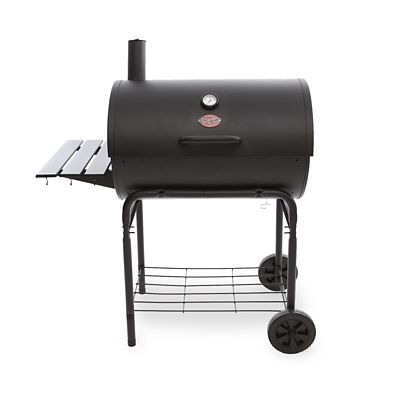
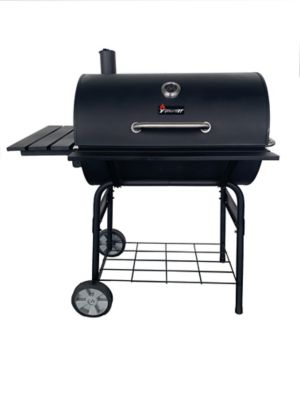
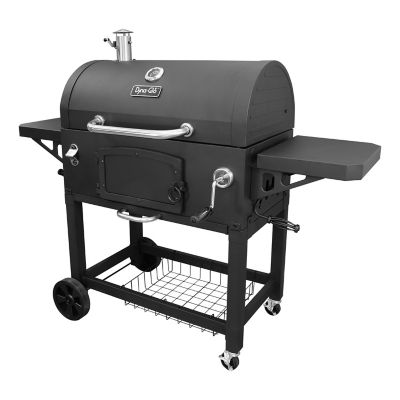
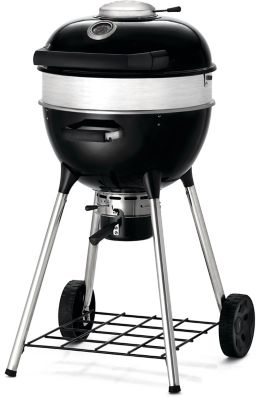
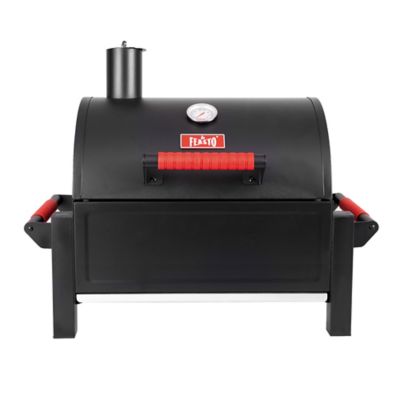
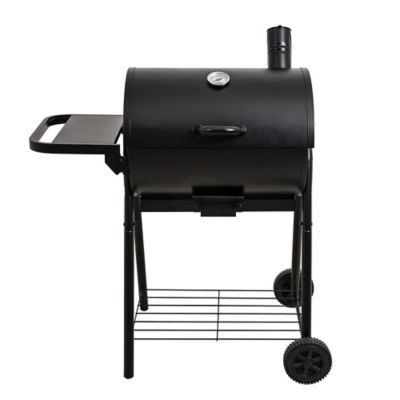
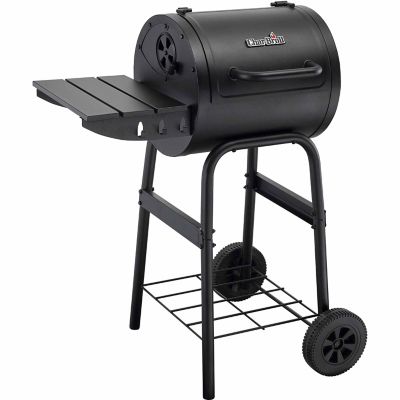
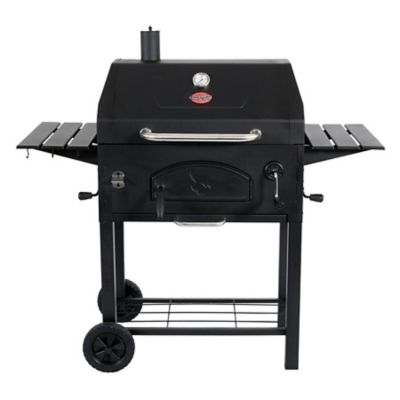
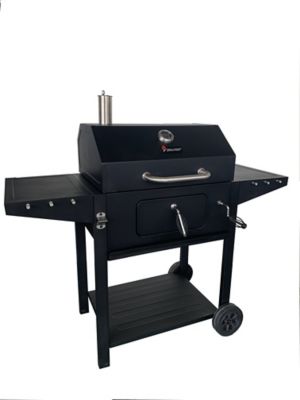
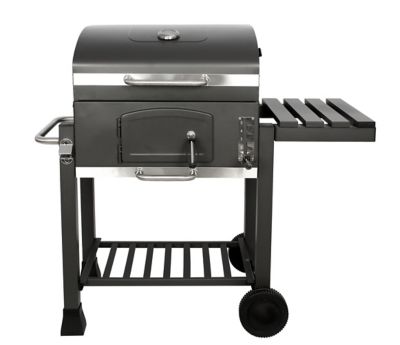
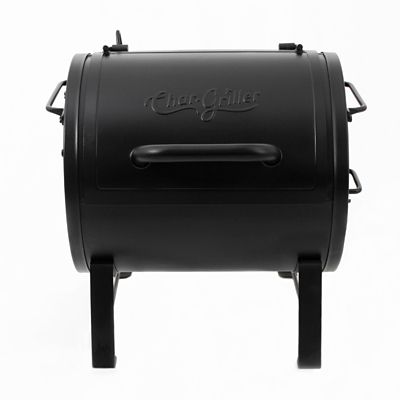
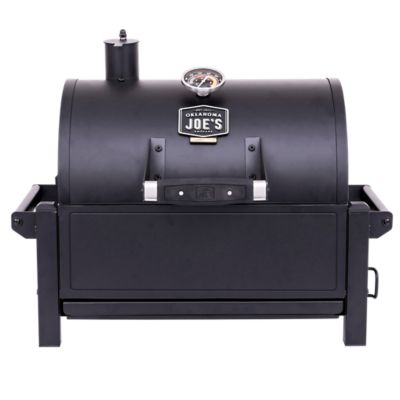
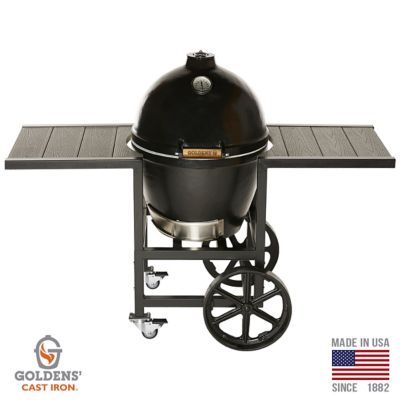
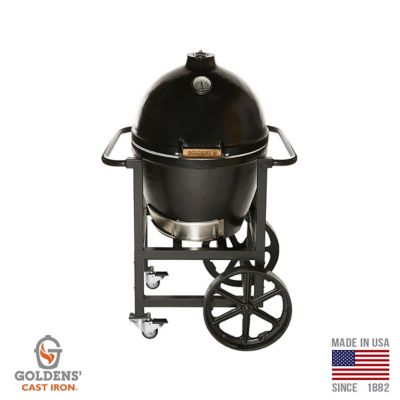
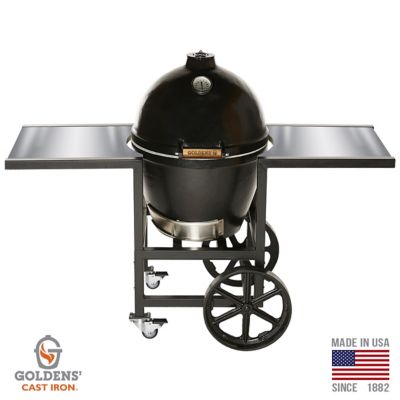
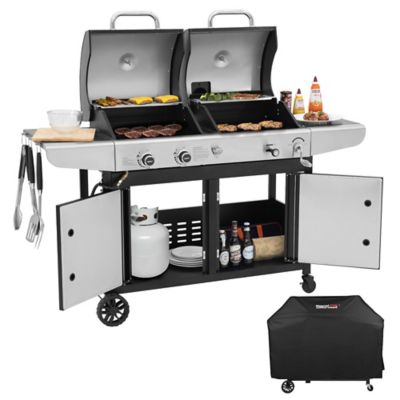
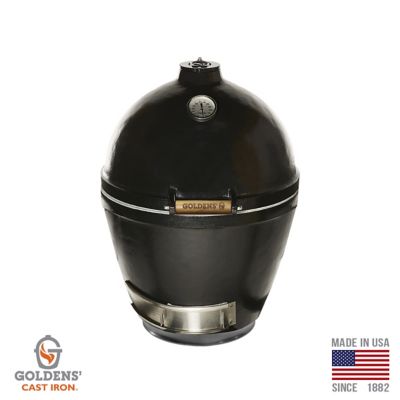
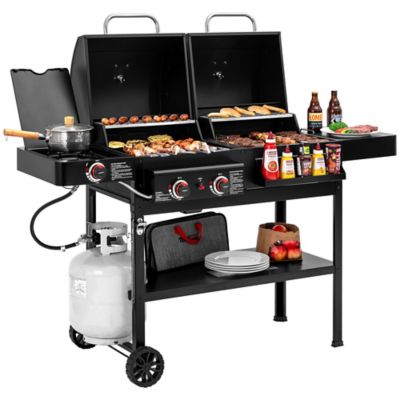
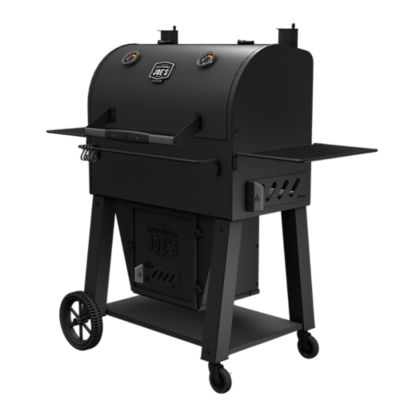
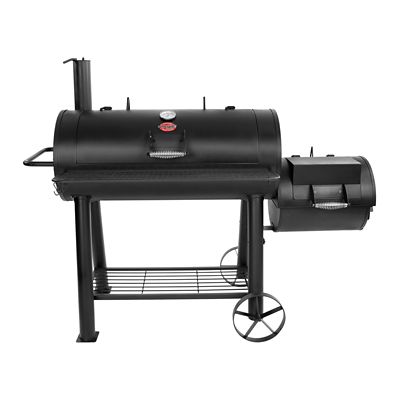
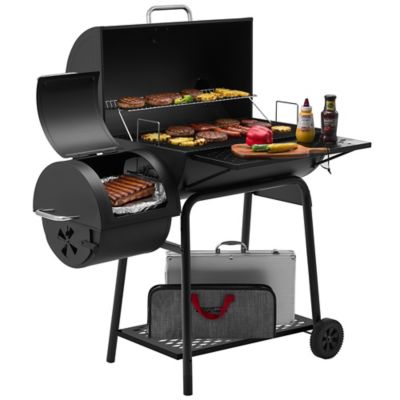
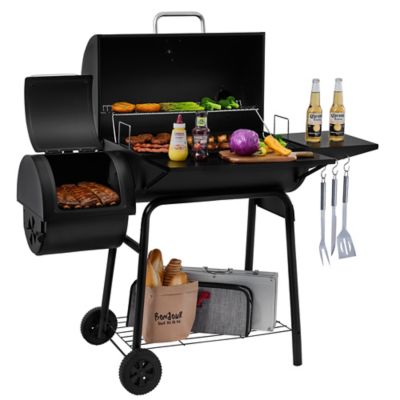
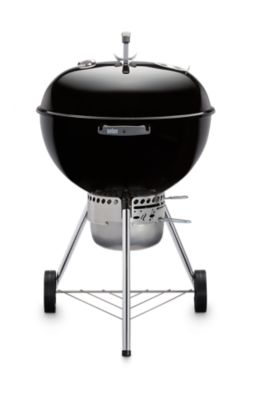
Charcoal grills with cast iron grates combine charcoal-fired cooking with a heavy cooking surface that holds heat well and creates pronounced sear marks. Once fully preheated, cast iron gives steaks, burgers and chops strong contact heat, helping the surface brown while the inside cooks. That heat retention is especially handy when several pieces of meat go on the grill together, though grate thickness, fire size and preheating all affect performance. Cast iron takes longer to heat than lighter grate materials, and it stays hot longer after the fire dies down. The charcoal supplies the heat, while smoke from fuel and food drippings contributes to the familiar cookout flavor; the grate itself does not add smoky flavor. For a household that enjoys feeding a few neighbors after chores or putting a proper sear on supper, this combination has plenty of appeal. These grills also suit more than a row of burgers. A broad grate can hold thick pork chops, corn on the cob, peppers and a grill-safe pan of beans, with room arranged around the needs of the meal. Grate spacing matters for smaller foods, since narrow asparagus spears or sliced onions can slip through wide openings. A grill basket or suitable pan can help keep those foods together without crowding the main cooking area. Room to build a hotter side and a gentler side makes charcoal cooking useful for different cuts and cooking times. Steaks can brown over direct heat, while thicker chicken pieces finish away from the strongest part of the fire with the lid closed. A lid, workable vents and enough space to separate the coals all support that flexibility. Cast iron’s stored heat helps with browning, but it does not replace fire control or a food thermometer. For cooks who enjoy tending a fire and paying attention to the food, this style of grill fits everyday meals and larger get-togethers alike.
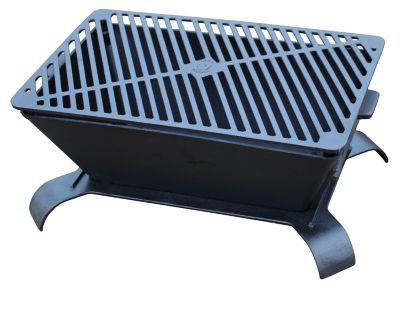
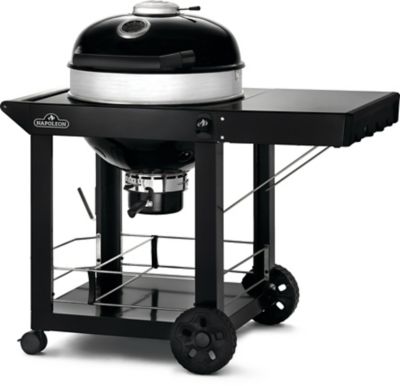
Cooking space deserves a close look when comparing charcoal grills with cast iron grates. Overall grate dimensions tell only part of the story: a grill needs enough room for the food, space between pieces and an area away from direct heat when the meal calls for it. A compact cooking surface may suit supper for two, while a broader surface gives a larger household more elbow room for meat and sides. Warming racks can hold finished food briefly, but their space is not the same as the main grilling surface directly above the coals. Grate layout also affects handling. Cast iron is heavy, so several smaller sections may be easier to lift for cleaning than one large piece. Hinged sections or separate fuel-access doors, where included, can make adding charcoal less disruptive. For replacement grates, fit depends on more than a matching width: depth, shape, support ledges and the grill manufacturer’s compatibility information all matter. A grate should sit securely rather than rock, slide or rest on the wrong supports. Beyond the cooking surface, the body and frame influence how the grill fits into a regular routine. A steady base matters when lifting a loaded lid or moving food around, and wheels should suit the surface between storage and the cooking spot. Side shelves offer a landing place for a platter and tongs, while lower storage can keep supplies organized away from the cooking surface. Adjustable charcoal trays change the distance between the fire and food; dampers help manage airflow and the rate at which charcoal burns. Removable ash pans can simplify cleanup once the ashes are fully cold. Lid clearance, handle placement and the grill’s full footprint matter just as much as cooking capacity in a small backyard setup. Charcoal grills belong outdoors, away from combustible materials and never inside a garage, barn or other enclosed space. Manufacturer clearance requirements should guide placement, even when a grill seems to tuck neatly beside a wall or fence.
The grate’s finish makes a real difference in care. Bare cast iron needs seasoning, a thin layer of oil bonded to the surface through heating, to help resist rust and reduce sticking. Porcelain-enameled cast iron has a protective coating and may have different care requirements, so the manufacturer’s directions take priority over a general cast iron routine. Neither surface benefits from scraping with tools that can damage its finish. Food residue, trapped moisture and neglected ash can shorten a grill’s service life, making access for cleaning worth considering before choosing a design. For bare iron, routine care generally means removing food residue, drying the grate thoroughly and maintaining a light protective coating of suitable cooking oil as directed. Heavy layers of oil can turn sticky rather than build a smooth seasoning layer. Sudden cooling can also stress cast iron, so pouring cold water onto a hot grate is best avoided. Grates, charcoal and ashes need time to cool safely, and ashes belong in an appropriate noncombustible container rather than a household trash bag while any heat remains. A cover that fits the grill can help protect it between cookouts, but covering a damp grill can trap moisture; the grill should be cool and dry first. With sound care, cast iron grates can serve for many years, though enamel damage, deep corrosion or cracks may call for replacement. Shoppers weighing grate materials can also compare
Grills With Stainless Steel Grates for a different balance of handling, heat retention and upkeep; grate thickness and construction matter with either material. Cast iron makes particular sense for someone who likes a substantial cooking surface and does not mind giving it regular attention. As a gift for a backyard cook, a charcoal grill is most thoughtful when its size, weight and cleaning needs match the recipient’s space and habits. The right match leaves room for the meals they enjoy cooking, whether that means a couple of chops after work or a full spread when family pulls into the driveway.