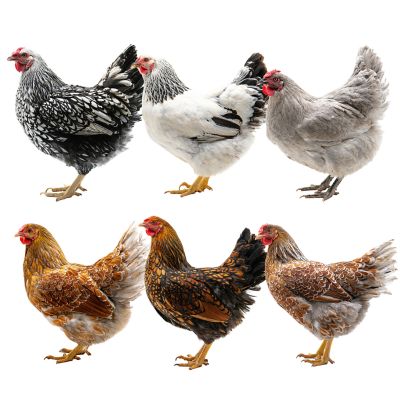
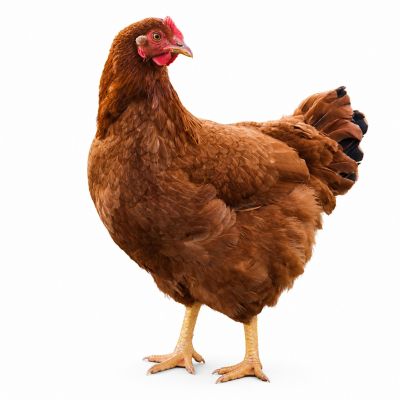
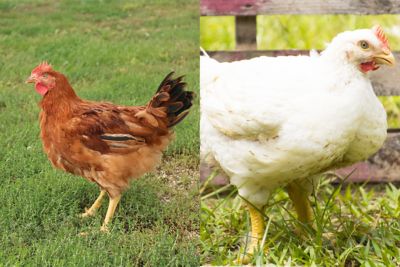
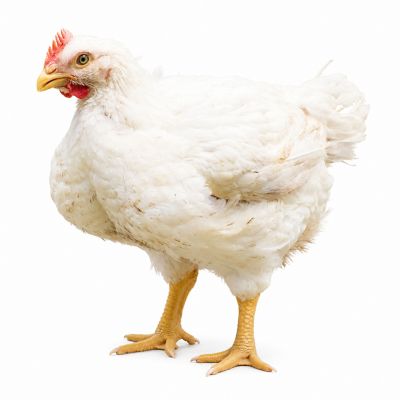
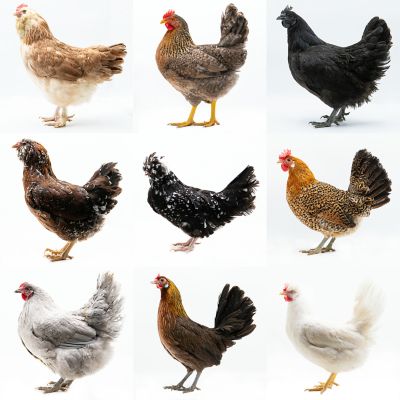
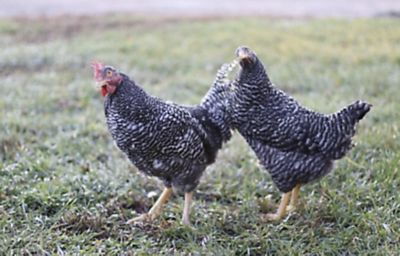
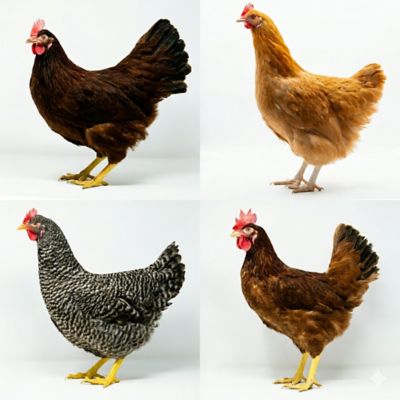
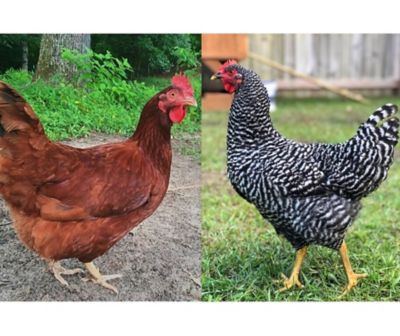
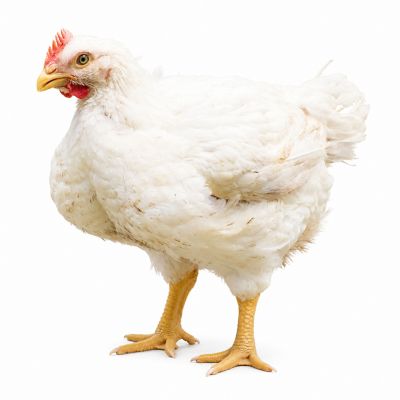
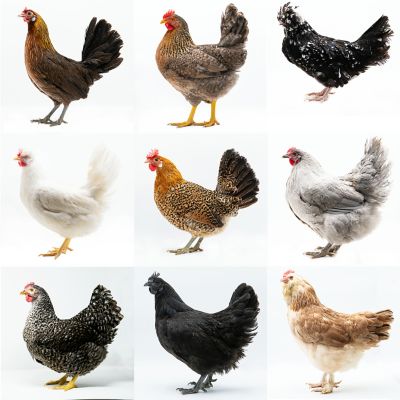
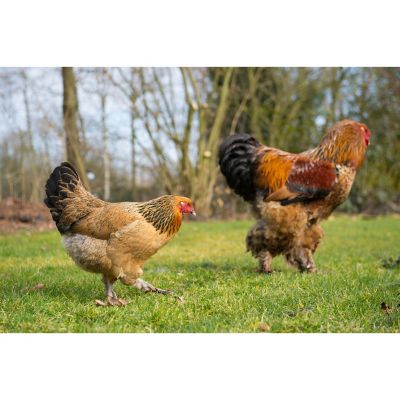
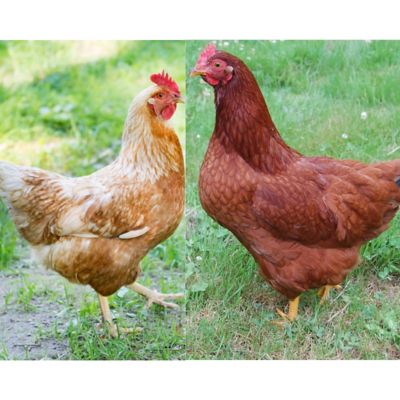
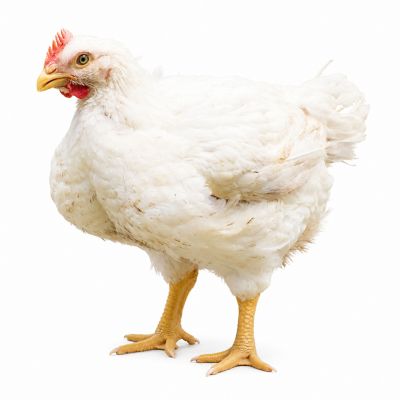
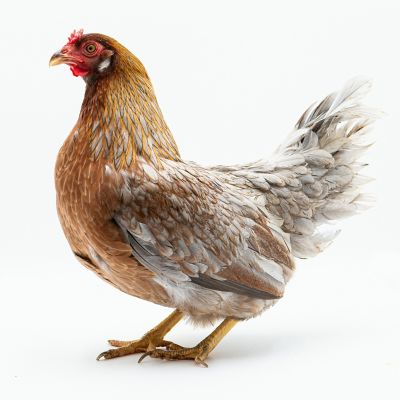
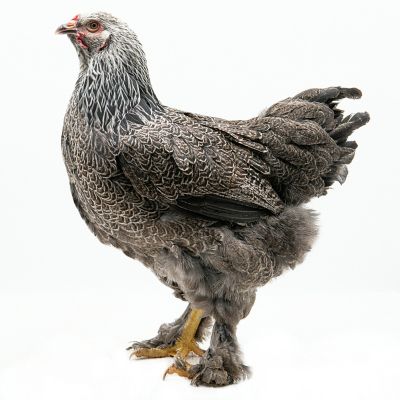
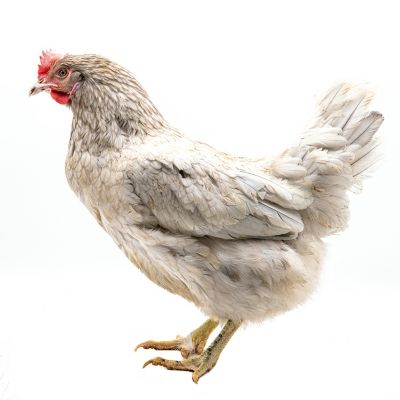
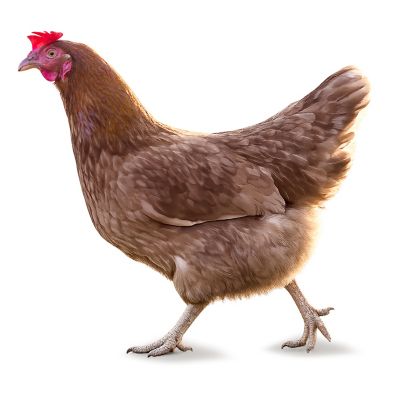
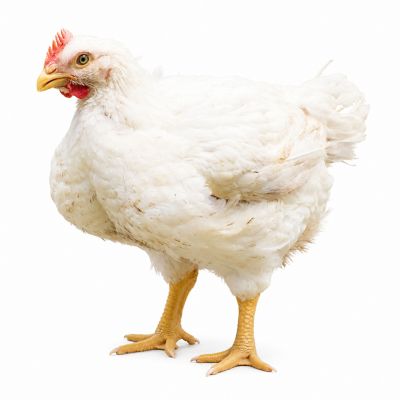
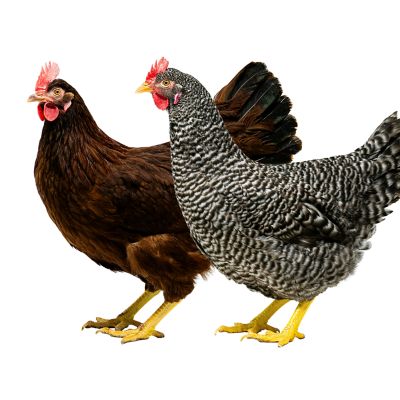
Live poultry brings a different kind of activity to a place, from hens scratching through their run to ducks waddling toward a fresh drink. Whether the goal is gathering eggs, raising birds for the table, showing poultry, or enjoying the daily rhythm of tending a flock, the right fit starts with the birds’ purpose and their needs as adults. Chickens, ducks, turkeys, geese, and other poultry differ in size, feeding needs, behavior, and housing requirements, so a flock that suits one property may not suit another. Even within a species, breed traits can make a noticeable difference. Some birds are known for steady egg laying, others for growth, appearance, or a calmer disposition, though individual personalities still vary. Mature size matters when planning coop space, handling birds, and deciding how many a property can comfortably support. Small chicks can grow into substantial birds, and a roomy brooder does not take the place of suitable adult housing. Sex is another important consideration. Straight-run poultry has not been sorted into males and females, while birds identified by sex may still carry some chance of error. That distinction matters where rooster rules, noise limits, or breeding plans come into play. Hens can lay eggs without a rooster, while fertile eggs require a male. Egg color, egg size, and laying patterns also depend on breed and individual birds; no flock produces exactly the same way throughout its life. For families, a small flock can make daily chores feel more connected to the food on the table. For experienced poultry keepers, adding birds may mean expanding an egg flock or working toward a breeding goal. Either way, live birds belong in a long-term plan with an adult responsible for their care, rather than arriving as a surprise gift. Checking local poultry rules before choosing birds helps match those plans to the property, especially where flock size, setbacks, or male birds are restricted.
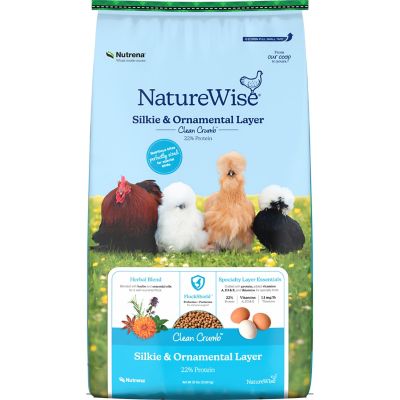
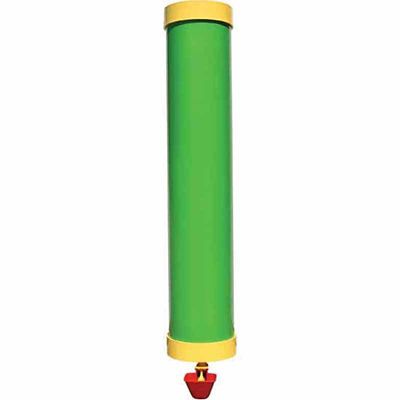
Daily care is a big part of what makes live poultry different from other farm purchases. Young chicks, ducklings, and poults need close attention, age-appropriate feed, and a protected brooding space before they are ready for adult housing. A safe, properly managed heat source supports young birds that cannot yet regulate their body heat well, while enough room to move away from it lets them settle where they are comfortable. Watching how birds spread out, eat, drink, and rest gives a keeper useful clues about how they are doing. Bedding should provide footing and absorb moisture without creating a dusty living space. Untreated pine shavings are a common choice for chicks, while slick surfaces can make it harder for young legs to find their footing. Feed needs to match both species and life stage; a ration intended for laying hens is not the same as feed for growing poultry. Waterfowl also have nutritional needs that differ from chickens, including a greater need for niacin during growth. Fresh drinking water needs just as much attention as feed. Properly sized
poultry waterers give birds access to a drink while helping limit spills and bedding buildup around the drinking area. Young birds need a setup that limits the risk of climbing in, while growing birds need enough drinking space to prevent crowding. Ducks need water deep enough to clean their bills and nostrils, which makes drainage and frequent cleanup especially important. A damp patch beneath a drinker can quickly turn into matted bedding and extra work. Feeders and drinkers that come apart easily make regular cleaning simpler, and smooth surfaces leave fewer places for residue to collect. Poultry can carry germs even when they look healthy, so handwashing after handling birds or their equipment belongs in the daily routine. Children benefit from supervision, gentle handling, and chores suited to their age, with birds and poultry equipment kept out of kitchens and other food-preparation spaces.
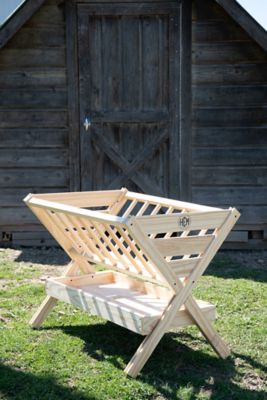
A good home for live poultry has to work for the birds and for the person carrying feed, collecting eggs, and cleaning bedding. Solid construction, secure latches, and fencing with openings small enough to keep predators from reaching through matter more than a coop’s looks. Welded wire hardware cloth offers a stronger barrier against many predators than lightweight chicken wire, which is mainly suited to keeping chickens contained. Wood framing, metal components, and washable surfaces each have a place, provided edges are smooth and the structure allows routine inspection and cleaning. Doors wide enough for a shovel or bedding fork can make a big difference on chore day. Inside, chickens generally need suitable roosts and laying hens need accessible nest space, while ducks usually rest and lay closer to the ground. Larger birds require housing and access openings that fit their full-grown bodies, not just their size when they first arrive. Ventilation should let moisture and stale air escape without leaving birds in a direct draft. Secure runs give a flock room to move, scratch, and explore, and overhead protection may be needed for climbing predators, aerial predators, or birds inclined to fly. Flock behavior deserves room in the plan, too. Crowding, competition around feed, and abrupt introductions can lead to pecking and injuries. Separate housing for newcomers allows observation before they join established birds, and a poultry veterinarian or extension office can help with health and biosecurity questions. Dedicated footwear, clean equipment, and limiting contact with wild birds help protect the flock. Mixed-species groups call for extra thought because their feeding, housing, and health needs do not always line up. Beyond the setup, poultry keeping means showing up every day, including arranging care when the family is away. The reward is in those familiar barnyard moments: hens settling onto their roost, ducks dabbling at a water station, and a flock that learns the sound of the feed scoop. Matching the birds to the space, purpose, and time available makes those everyday chores a better fit for the whole household.