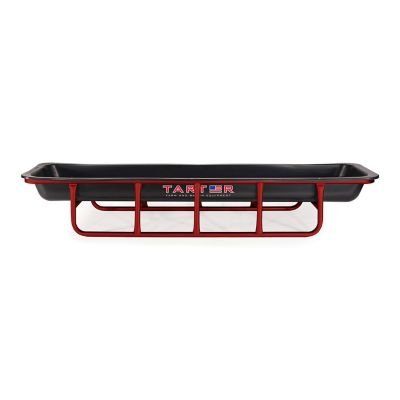
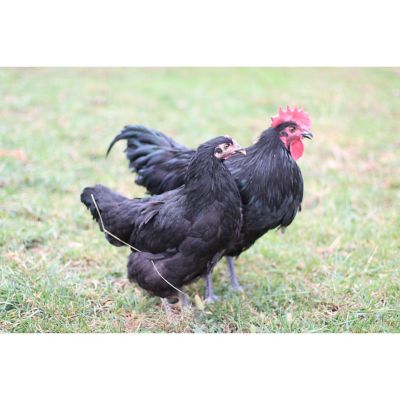
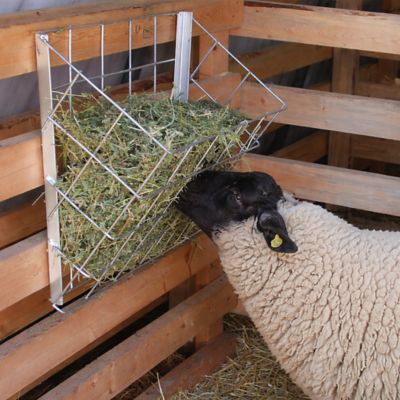
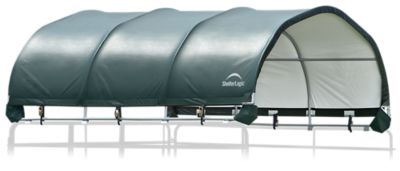
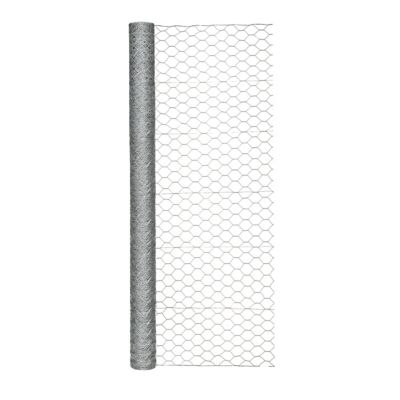
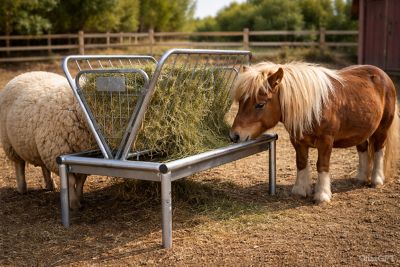
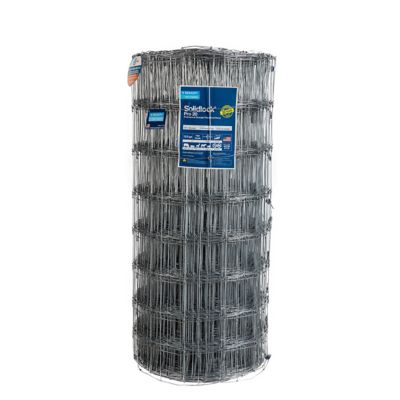
Livestock supplies help keep daily chores organized, animals protected, and the work around the barn a little easier. Whether you care for a few goats behind the house, raise cattle on pasture, keep sheep or pigs, or maintain a mixed homestead, the right equipment starts with the basics: secure fencing, dependable feed storage, clean water, safe handling gear, and supplies for routine animal care. Choose fencing based on the animal’s size, strength, and habits rather than relying on one setup for every pasture. Cattle need sturdy boundaries that can handle pressure, while goats are known for testing weak spots, climbing, and slipping through openings that look too small to a person. Sheep and pigs also benefit from well-maintained enclosures, and poultry require protection from both predators and their own tendency to wander. Walk the fence line regularly, especially after storms, heavy wind, or muddy weather, and keep gates easy to open without leaving a gap an animal can exploit. Feeding equipment should be stable, easy to clean, and sized for the number of animals using it. Raised or covered feeding areas can help keep hay and grain out of mud, while durable troughs make it easier to monitor intake and reduce wasted feed. During the cooler months, animals may spend more time near shelters and feeding areas, so good drainage and a firm surface can prevent deep mud from turning a simple chore into a daily struggle.
Water is just as important as feed, and reliable access matters in every season. Livestock need fresh water suited to their size and routine, with containers placed where animals can reach them without crowding or tipping them over. Check water sources often for dirt, algae, ice, spilled feed, and bedding, and scrub them as needed so animals continue drinking freely. Larger herds may need more than one watering point to reduce pushing and competition, while smaller operations can often make one thoughtfully placed station work well. Heated or insulated watering options may help during freezing weather, but they still need regular inspection for damage, buildup, and electrical safety. Learn more about choosing equipment that can simplify filling, cleaning, and monitoring with
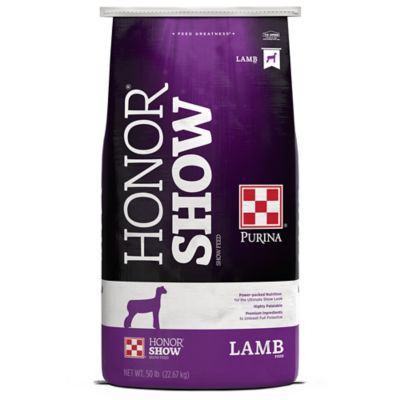
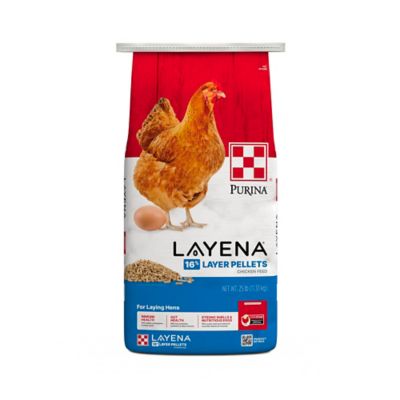
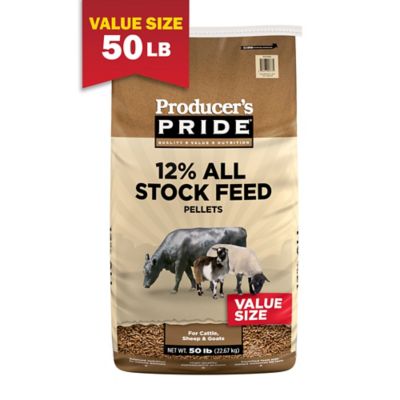
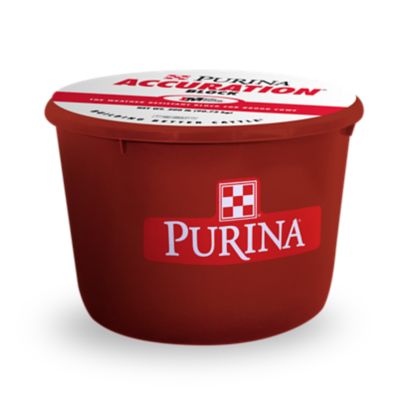
Livestock Watering Systems. Feed and nutrition supplies should match the species, age, size, workload, and condition of the animals. Growing animals, breeding stock, animals being finished, and those maintaining weight through colder weather may have different needs. Keep feed dry and protected from rodents, birds, and moisture, and introduce changes gradually rather than switching diets all at once. A simple written feeding routine can be helpful when several people share chores or when a neighbor is caring for the animals. It also makes it easier to notice when a calf is eating less, a goat is falling behind at the feeder, or a sheep’s condition is changing. Mineral supplements, salt, and other nutritional products should be selected for the species being fed, since a product made for one type of livestock may not be appropriate for another. When in doubt, use guidance from a veterinarian, extension professional, or experienced livestock specialist who understands your animals and local conditions.
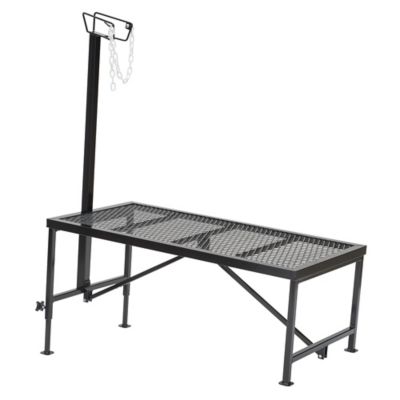
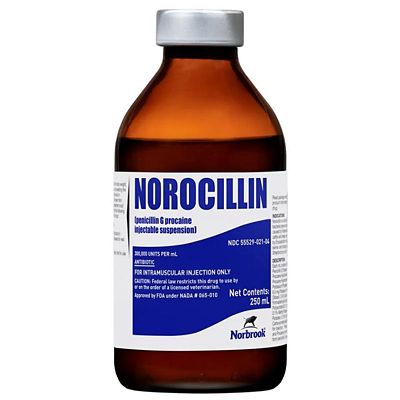
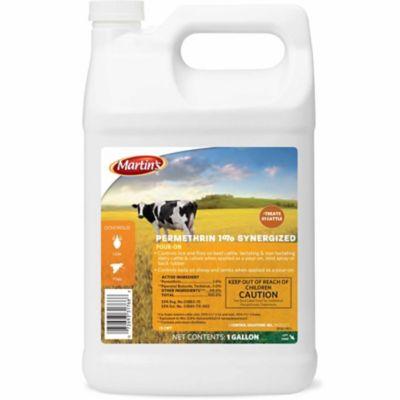
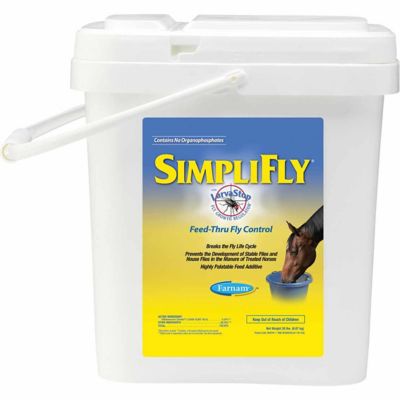
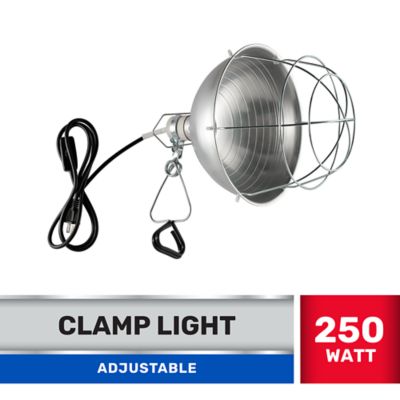
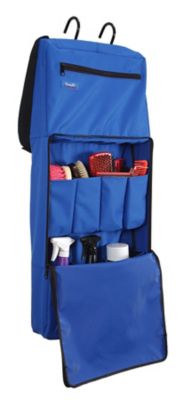
Handling and health supplies support the jobs that cannot be skipped, from moving an animal through a gate to checking hooves, applying routine treatments, or preparing for a show. Halters, leads, panels, chutes, sorting tools, and other restraint equipment should be strong enough for the animal and used calmly, with a clear escape path for the handler. Even a quiet cow or friendly wether can surprise you when startled, so sturdy boots, work gloves, and thoughtful positioning are part of good livestock care. Keep grooming and hoof-care tools clean, dry, and ready before you need them. Routine brushing, clipping, hoof trimming, shearing, and body checks can reveal burrs, cuts, swelling, parasites, or changes in condition early. Basic first-aid supplies, fly control, deworming products, wound-care items, thermometers, and approved vaccines may all have a place in a well-managed livestock area, but labels and veterinary direction matter. Store health products according to their instructions, track expiration dates, and keep them away from feed, children, and animals that should not have access. Bedding, stall-cleaning tools, buckets, storage containers, and barn lighting also make a noticeable difference when chores stretch into dark mornings or wet afternoons. Livestock supplies can be a practical gift for a new homesteader, 4-H family, small-farm owner, or anyone taking on their first few animals; useful gear is often appreciated more than something decorative when a muddy gate, an empty mineral feeder, or a loose water bucket needs attention. Start by identifying the animals, their number, their housing, and the jobs you perform most often, then choose equipment that is durable, simple to clean, and comfortable to use. A well-planned setup saves feed, limits stress, supports safer handling, and helps make the steady rhythm of farm life more manageable through changing weather.