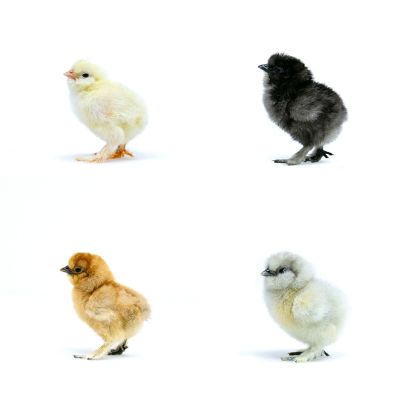
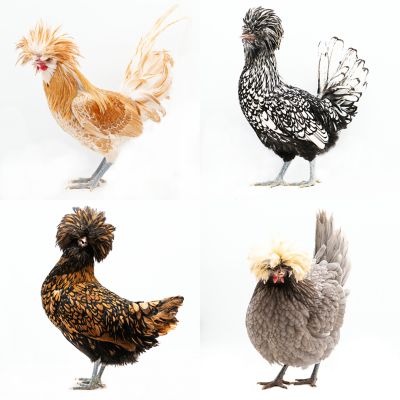
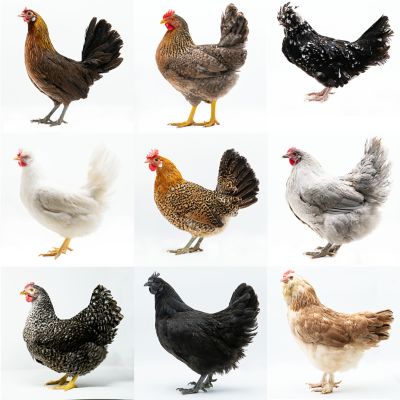
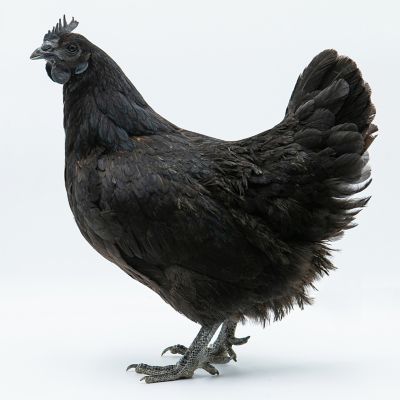
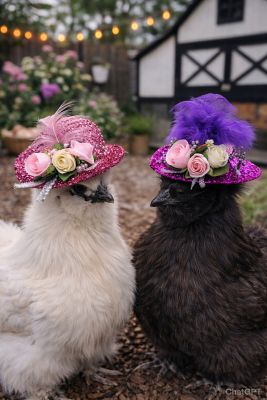
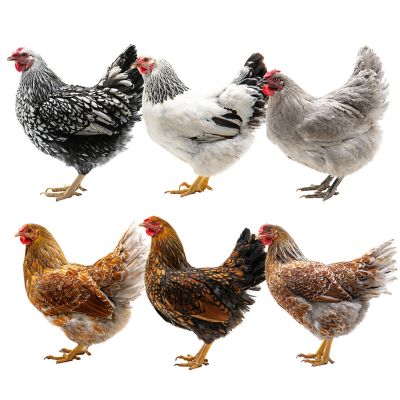
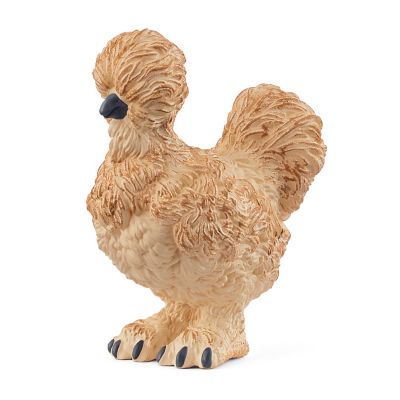
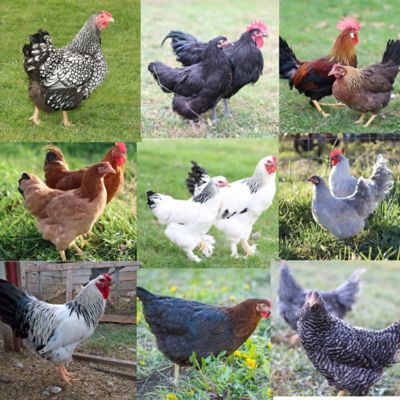
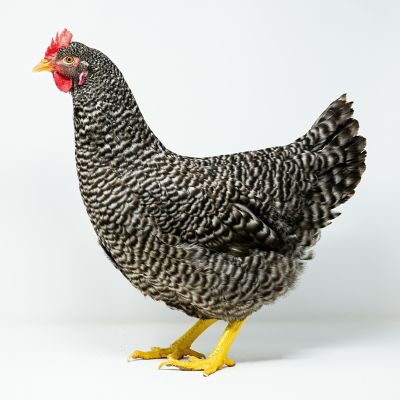
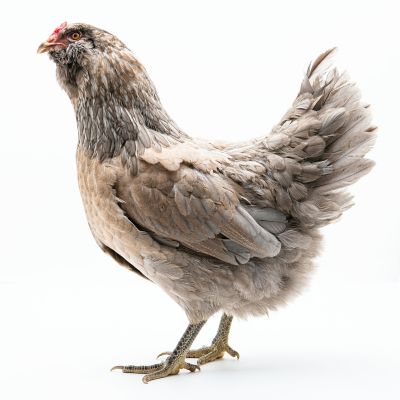
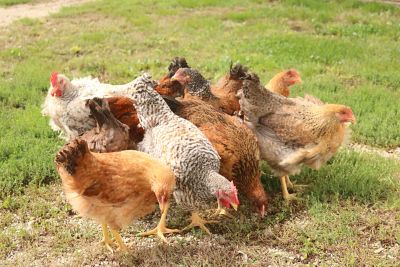
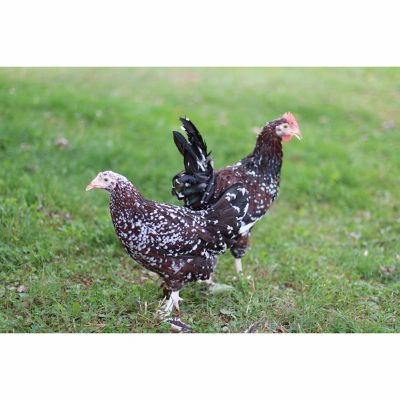
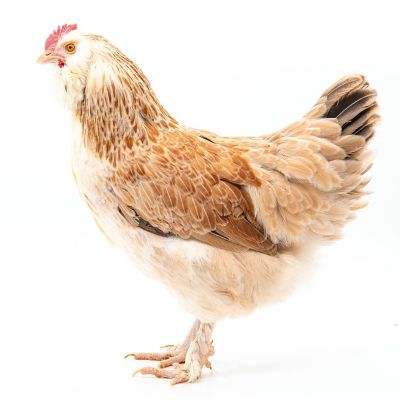
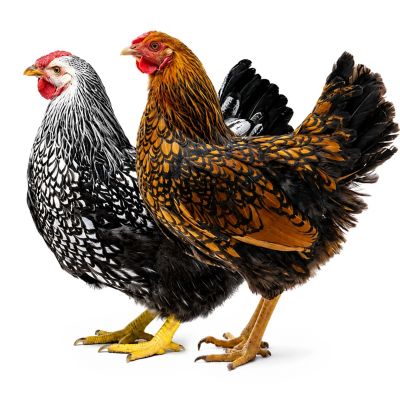
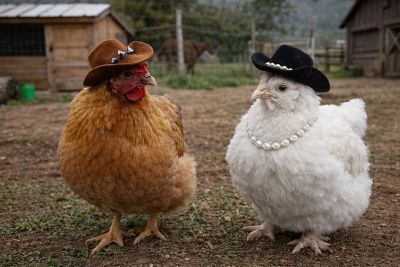
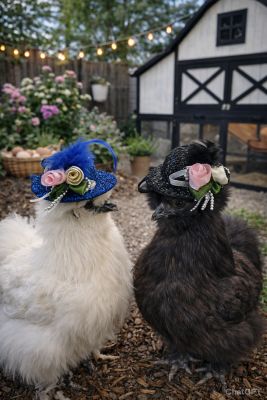
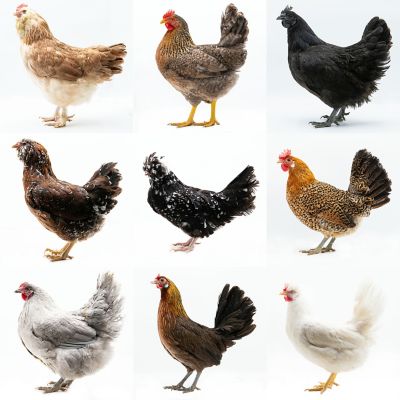
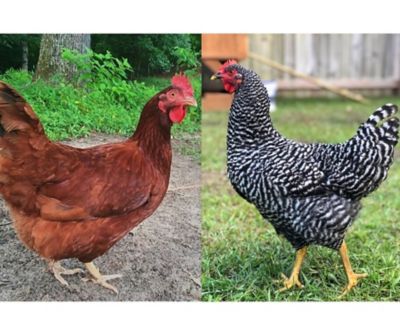
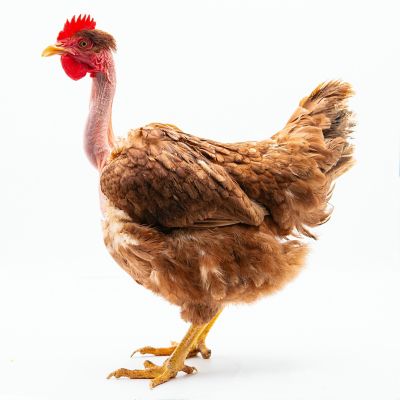
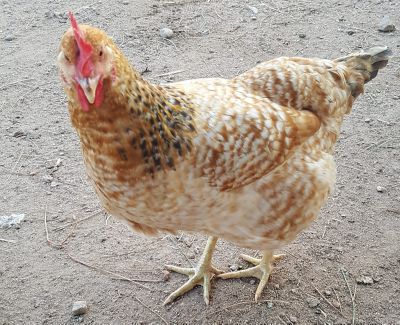
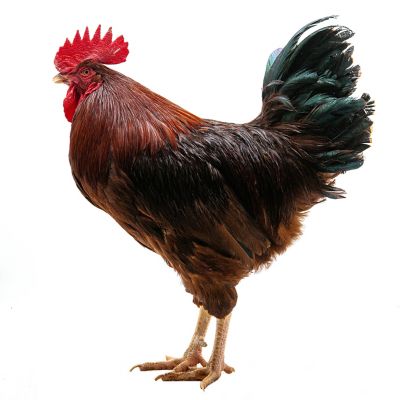
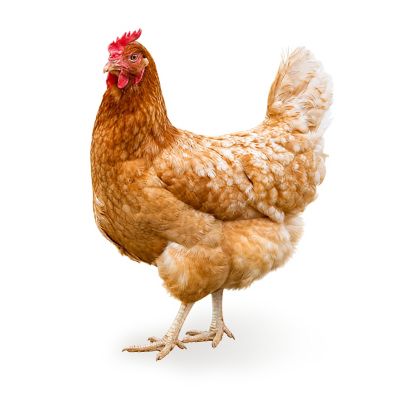
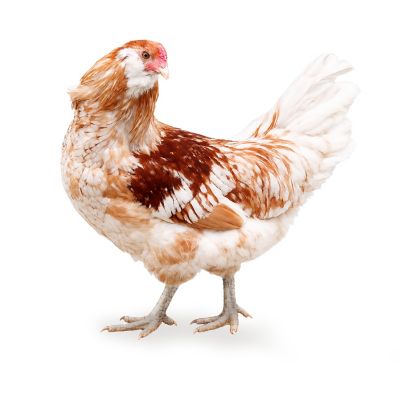
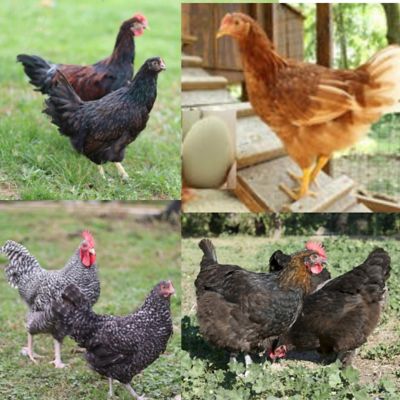
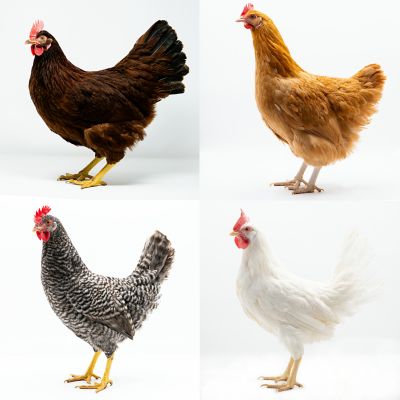
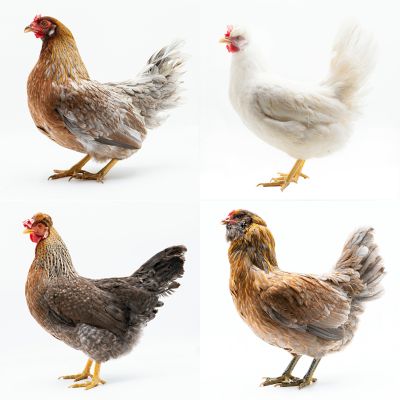
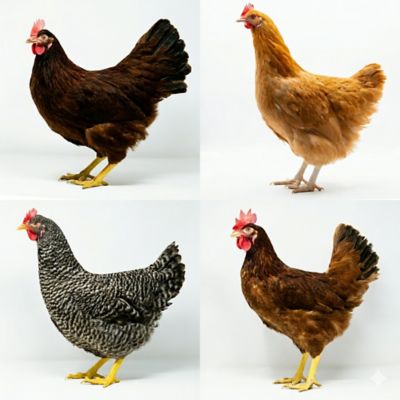
Fancy chickens are ornamental chicken breeds and varieties raised for striking plumage, unusual feather shapes, distinctive crests, or an eye-catching presence in the backyard flock. Some keepers raise them for exhibition, others enjoy them as flock companions, and many appreciate a few eggs along with all that character. “Fancy” is a broad description rather than a formal breed classification, and it does not mean every bird is rare, gentle, or a strong layer. The appeal might be a soft, rounded silhouette moving through the grass, a bold pattern across the wings, or a sweeping tail that stands out clear across the chicken yard. Silkies are known for fluffy, fur-like feathers, dark skin, and feathered legs; many have calm dispositions and a tendency to go broody. Polish chickens carry prominent feather crests, which give them their familiar top-heavy look but can also limit their view of what is happening nearby. Frizzles have feathers that curl outward instead of lying flat against the body. Frizzling is a feather trait that can appear in different breeds, not a single breed on its own. Phoenix chickens are associated with long, flowing tails, while Ayam Cemani are recognized for black plumage and extensive dark pigmentation. Feather color, body shape, comb style, and mature size all contribute to a bird’s appearance, but looks tell only part of the story. Egg production, activity level, climate suitability, and temperament vary by breed and by individual bird. Bantams are small chickens, and many ornamental breeds come in bantam varieties, though not every fancy chicken is small. For a keeper with a modest backyard run or a farm family adding variety to an established flock, those differences matter as much as feather pattern. Fancy chickens bring plenty to watch during the morning feed round, but the best fit is a bird whose everyday needs suit the space, weather, and purpose of the flock.
Choosing ornamental chickens often comes down to the balance between appearance and practical fit. A family interested in birds that tolerate quiet handling may value temperament more than a dramatic tail, while an exhibition-minded keeper may pay closer attention to breed standards, feather condition, and conformation. A chicken’s breed can suggest tendencies, but it cannot promise that an individual bird will enjoy being held or settle easily into any flock. Children benefit from calm supervision around chickens, gentle handling, and handwashing after contact with birds or their surroundings. For egg-focused households, fancy breeds can be part of a mixed flock, although some lay fewer eggs than breeds developed chiefly for production. Broodiness, age, daylight, and general health also affect laying, so an ornamental flock is not a promise of a full egg basket every morning. The broader selection of
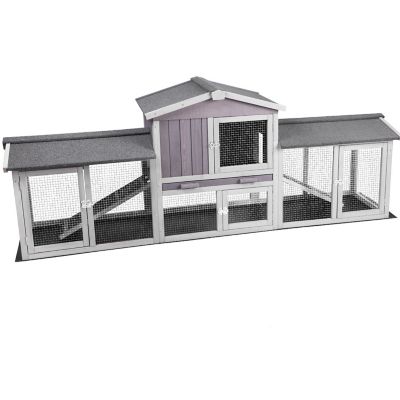
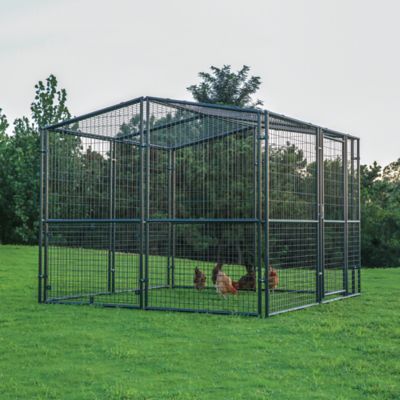
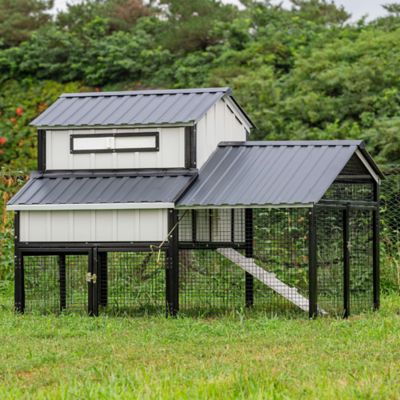
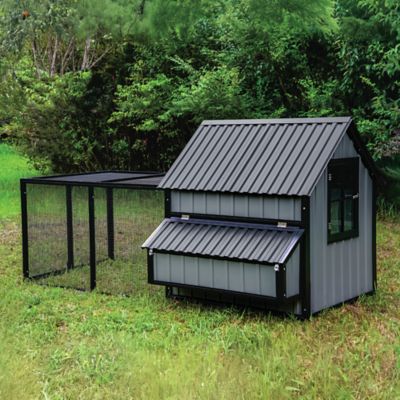
Farm Chickens offers another way to consider birds for different flock goals, from backyard companionship to egg production. Housing needs deserve just as much attention as the birds themselves. Long tails need clearance from muddy ground and cramped corners, feathered feet fare better on clean, dry footing, and crested birds benefit from surroundings where feed and water are easy to find. Coop and run materials matter because chickens scratch, spill water, and test every loose edge. Smooth roost surfaces, sturdy fastenings, and well-secured wire mesh help create a space that stands up to daily flock activity. Fine-opening hardware cloth generally offers better predator protection than lightweight chicken wire, which is mainly suited to keeping chickens contained. Roost height and access should match the birds’ size and mobility; some heavy-bodied or fluffy-feathered chickens are not strong fliers. A roomy layout with more than one feeding spot can also help quieter birds get their share without pushing through a crowd. That practical fit supports both the flock’s comfort and the feather condition that makes ornamental chickens so appealing.
Day-to-day care gives fancy chickens the chance to look and act their best, whether they spend their time scratching beside a garden fence or being prepared for a poultry show. Their good looks still depend on the basics: an age-appropriate, balanced poultry ration, fresh water, dry bedding, room to move, and regular observation. Treats are a small addition rather than a replacement for balanced feed, and a bird’s feeding needs change with age and laying status. Fluffy or curled feathers may not shed rain or insulate as effectively as ordinary plumage, making sheltered outdoor space especially helpful during wet, chilly weather. Feathered legs can carry mud into the coop, while a heavy crest can hide irritation or make a bird slower to notice another chicken approaching. These traits do not make a bird unsuitable for a backyard flock, but they do make attentive care part of the appeal and responsibility. During the cooler months, a dry coop with ventilation above roost level helps moisture escape without placing birds in a direct draft. Large combs and wattles can be vulnerable to frostbite, and water that stays accessible through freezing weather remains essential. Feather condition also changes naturally during molt, when even a showy bird can look a little ragged for a while. New arrivals need a separate quarantine period and a gradual introduction rather than being placed straight into an established pecking order. Local poultry rules, rooster restrictions, and space limits belong in the decision before a flock grows, particularly where neighbors are close enough to hear an early crow. For younger keepers involved in poultry projects, ornamental chickens can offer a hands-on connection to animal care, breed traits, and patient observation. For an experienced flock owner, they can add another dimension to breeding or exhibition interests. A live chicken is a long-term responsibility rather than a surprise gift, so any gift arrangement belongs with a willing keeper who already has suitable housing and a care plan. With that foundation in place, fancy chickens offer more than a striking profile: they bring individual habits, lively movement, and everyday interest to the chicken yard.