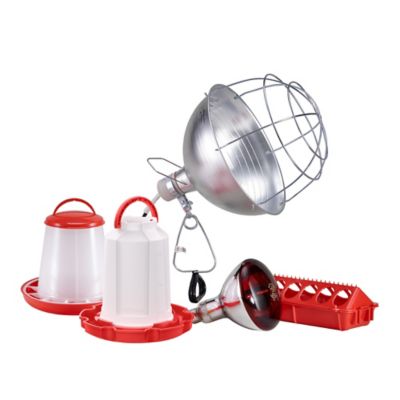
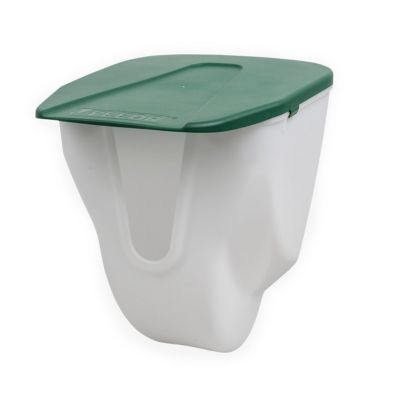
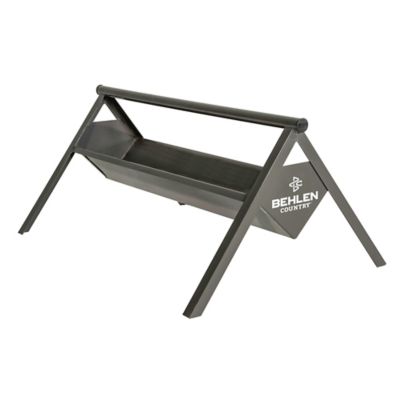
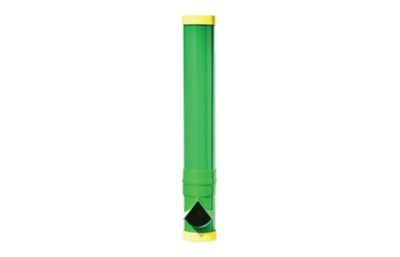
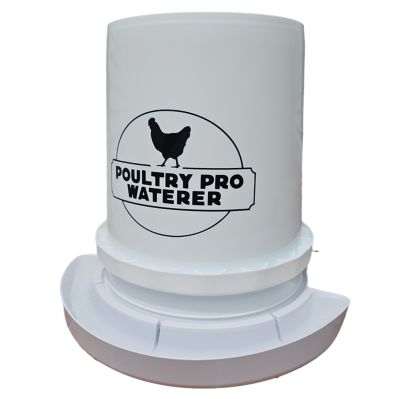
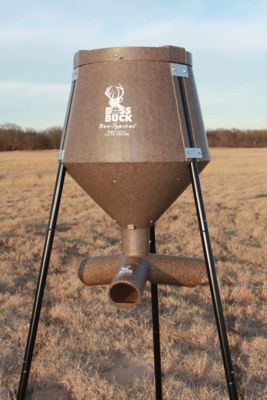
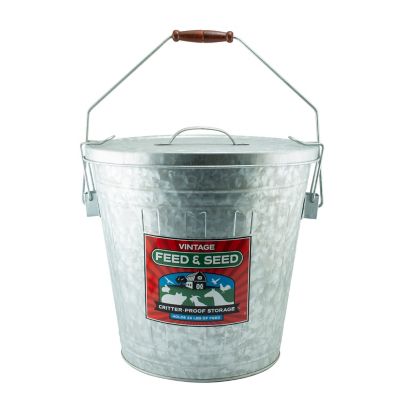
Poultry feeders help keep feed clean, dry, and available while cutting down on the waste that can come with scattering grain on the ground. They’re useful for backyard chicken keepers, small homesteads, market farms, youth livestock projects, and anyone raising ducks, geese, turkeys, or other domestic birds. A well-placed feeder gives the flock a consistent spot to eat and helps keep birds from scratching bedding, dirt, and droppings into their ration. It can also make the daily chores a little easier; instead of walking out with a scoop several times a day, you can fill a properly sized feeder and check it as part of your normal morning or evening routine. When choosing poultry feeders, start with the size of your flock and the way you manage feed. A small flock may do well with a compact feeder that holds enough for a day or two, while a larger group benefits from a higher-capacity option that reduces frequent refills. Avoid choosing solely by the largest capacity available, since feed that sits too long can become stale, damp, or less appealing. Birds should have enough room to eat without crowding, especially if your flock includes larger breeds or a mix of older and younger birds. If timid birds are being pushed away, adding another feeding station or using a longer feeder can help everyone get a fair share. Poultry feeders designed for pellets, crumbles, or mash may have different openings and feeding areas, so match the feeder to the type of ration you use. Pellets and crumbles generally flow well through gravity-style openings, while mash may need a wider, more accessible pan and closer attention to clumping.
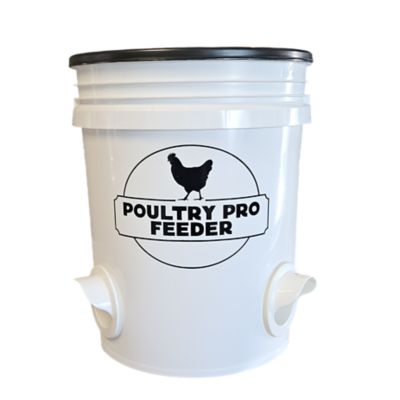
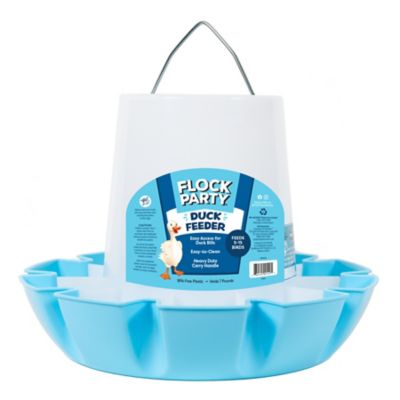
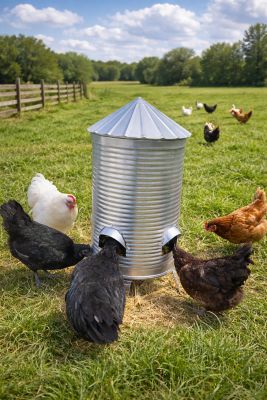
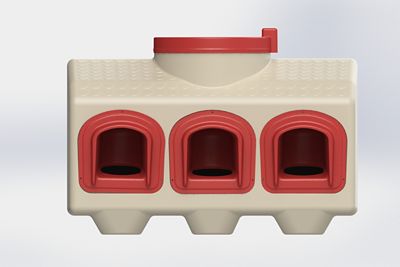
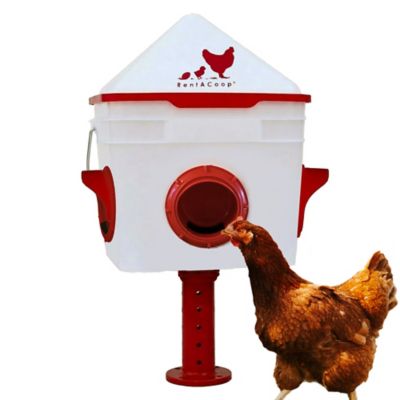
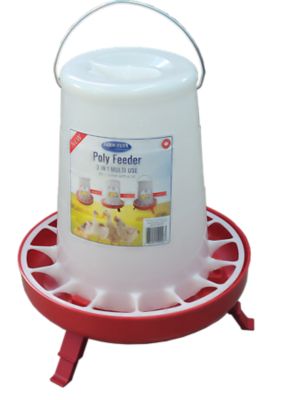
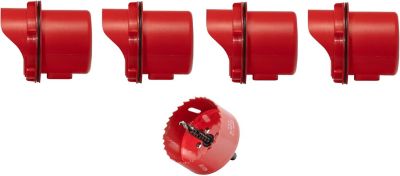
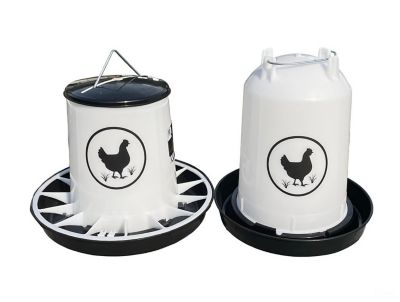
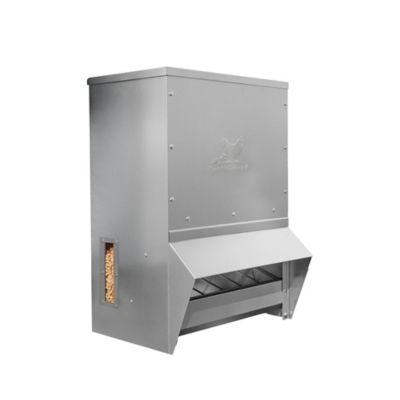
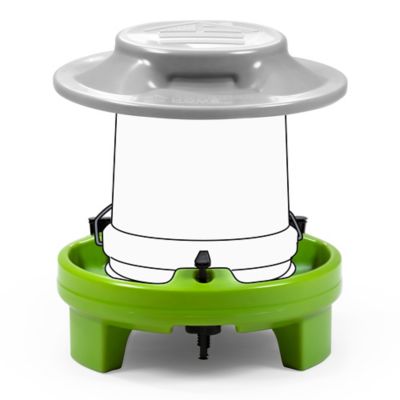
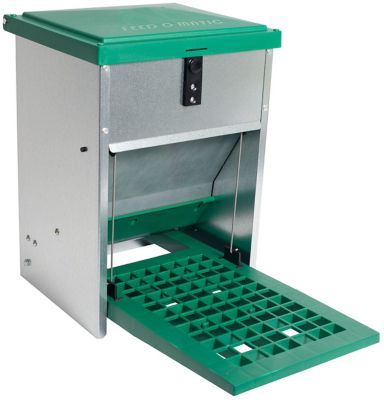
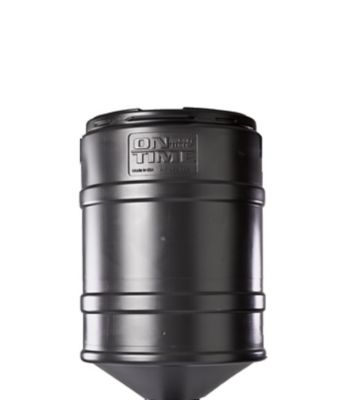
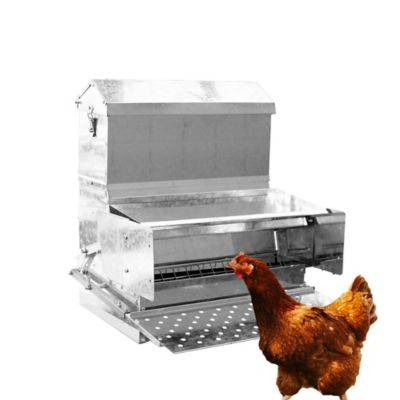
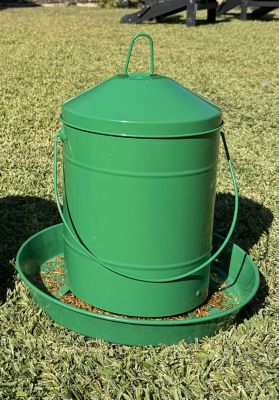
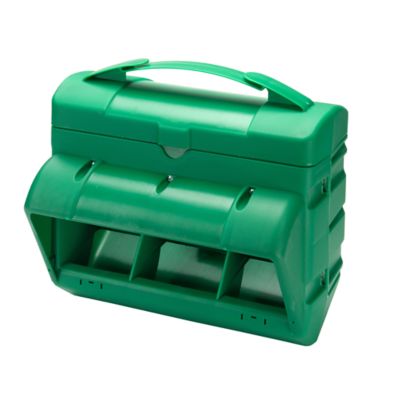
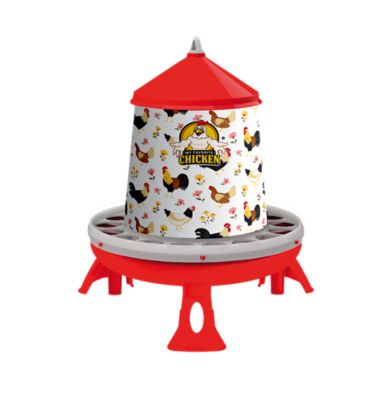
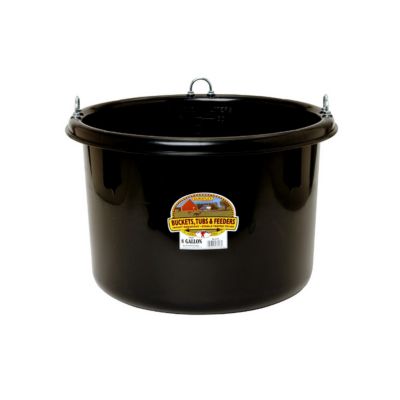
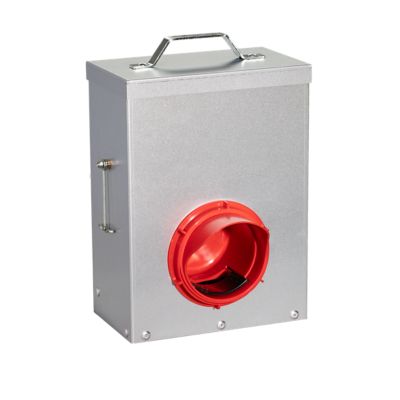
Common poultry feeder styles include gravity feeders, hanging feeders, port feeders, tower-style feeders, and treadle feeders. Gravity feeders hold a supply of feed above a tray or opening, allowing more to move down as birds eat. Port feeders can be fitted to a bucket or other container, giving keepers a practical way to create a covered feeding station with limited exposed feed. Hanging and tower feeders lift the food above the ground, which can help keep birds from scratching bedding into it and make it harder for moisture and pests to reach. Set the feeding height so the tray or ports are near the birds’ back level; this encourages a more natural eating position and can reduce spilled feed. Young birds may need a lower setting at first, with adjustments as they grow. Treadle feeders use a weighted platform that opens the feeding area when a bird steps on it. These can be helpful where wild birds, squirrels, mice, or other pests are a persistent problem, though birds may need time and patient training to learn how to use the mechanism. No feeder completely replaces good flock management, so inspect the area often and watch for signs of bullying, damp feed, or wasted grain. During the warmer part of the year, place feeders in a shaded, well-ventilated location when possible. As the weather turns cooler and rain becomes more frequent, a rain shield, covered design, or protected feeding area becomes especially valuable. Moisture can cause feed to spoil or mold, and wet mash can harden around openings. Keep feeders away from low spots where runoff collects, and secure hanging models so they do not swing wildly or tip when birds gather around them.
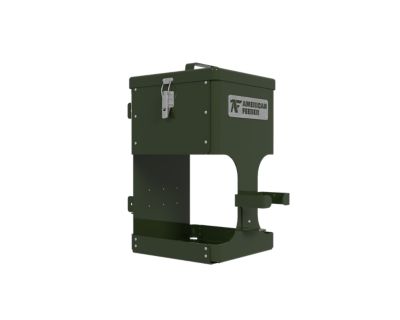
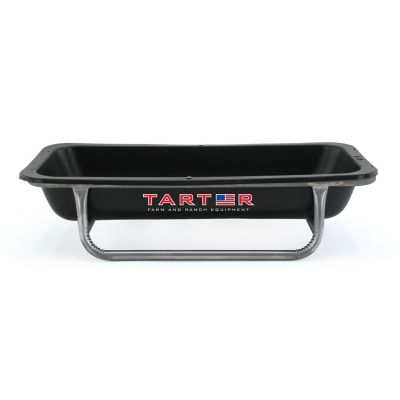
A durable poultry feeder should be easy to open, fill, inspect, and clean. Smooth interior surfaces are usually simpler to wipe out, while sturdy metal or thick plastic construction can stand up to pecking, bumps, and regular outdoor use. Look for secure lids, well-fitting seams, and feed openings that discourage birds from raking food onto the ground. Feed-saver lips, curved edges, and properly sized ports can help reduce the tossing and scratching that sends good feed into the bedding. Check the feeder every day for clumps, droppings, wet spots, insect activity, or an unusual drop in feed level. Empty old feed before adding fresh feed, and clean the feeder on a regular schedule using a poultry-safe cleaning routine that allows all parts to dry completely before refilling. Keeping the surrounding ground tidy matters, too. Spilled grain can attract rodents and wild birds, so sweep or rake the area and move the feeder if one patch of ground is getting heavily soiled. A second feeder can be useful during flock changes, quarantine periods, or times when a broody hen and her chicks need a separate feeding area. Poultry feeders also make a thoughtful gift for a new chicken keeper, a family starting a backyard flock, or a young person learning daily animal-care responsibilities. Pairing a feeder with quality feed storage, a scoop, or other basic farm supplies can make a practical housewarming or homestead gift without guessing at the recipient’s breed preferences. If your property includes more than poultry, choosing the right feeding equipment for each animal helps prevent feed sharing and keeps rations suited to the animals eating them; dedicated options such as
Goat Feeders can help keep a mixed-farm feeding setup organized. With the right capacity, weather protection, feeding height, and maintenance routine, poultry feeders can make chores steadier and help your flock enjoy cleaner, more dependable access to its daily feed through changing seasons.