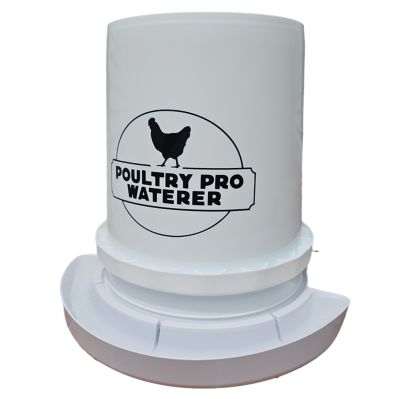
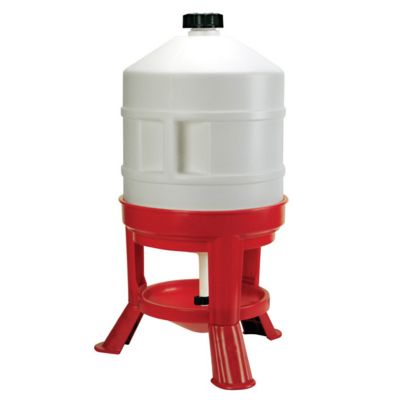
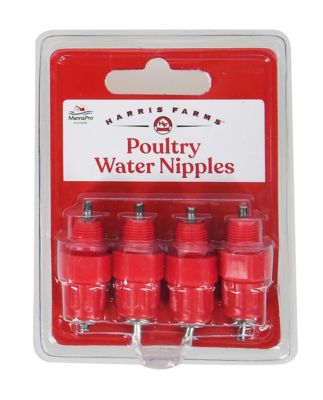
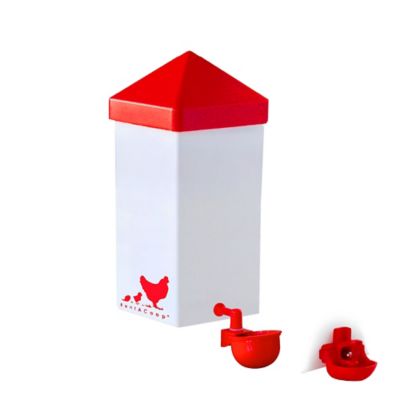
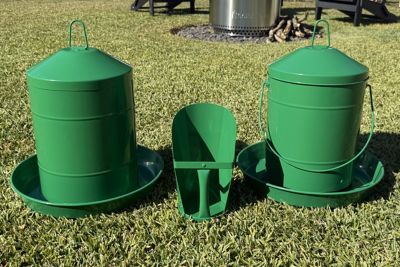
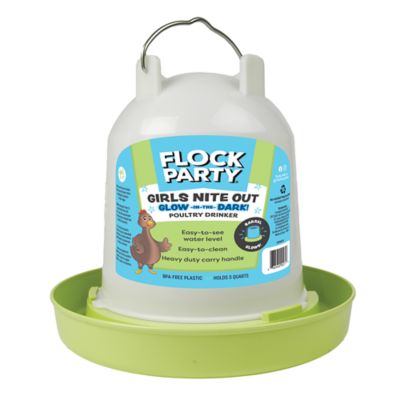
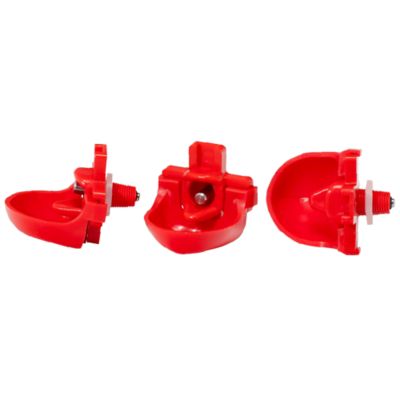
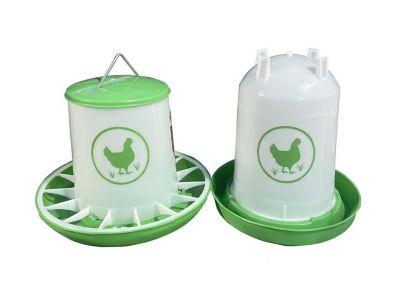
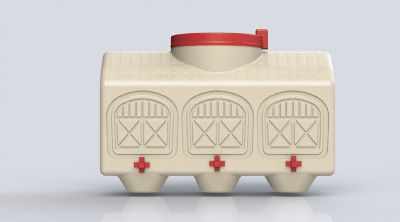
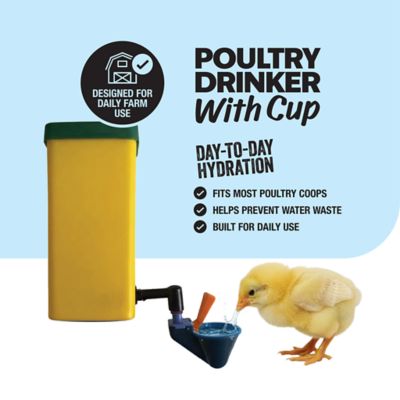
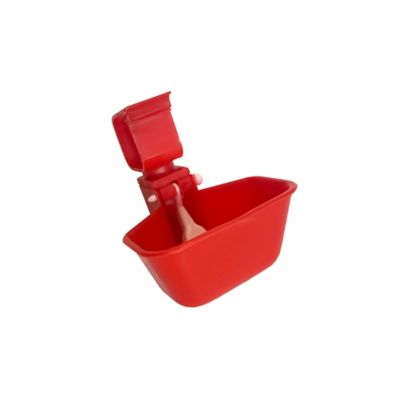
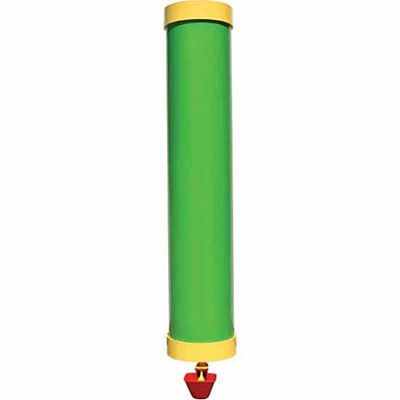
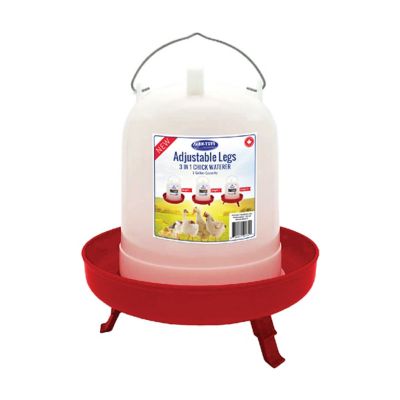
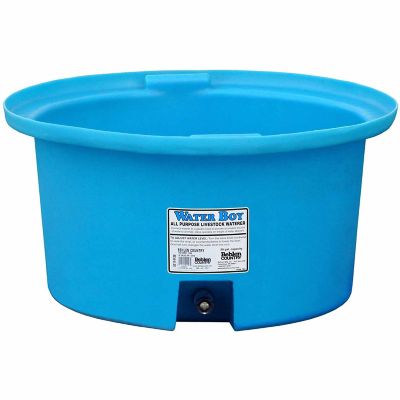
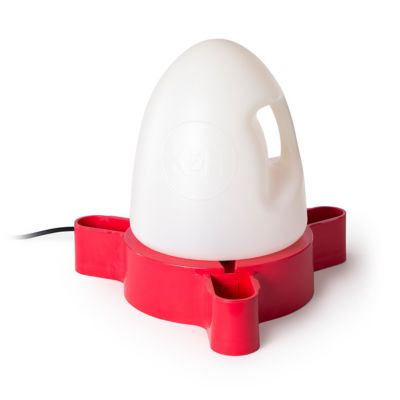
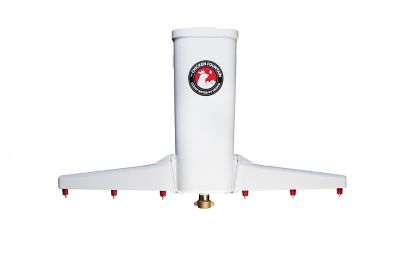
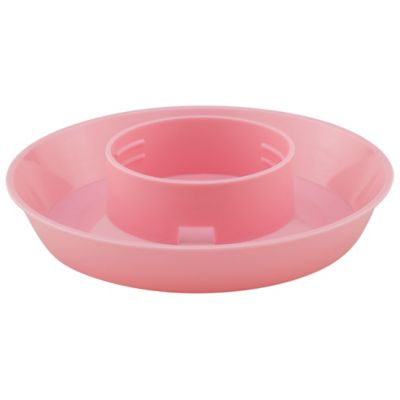
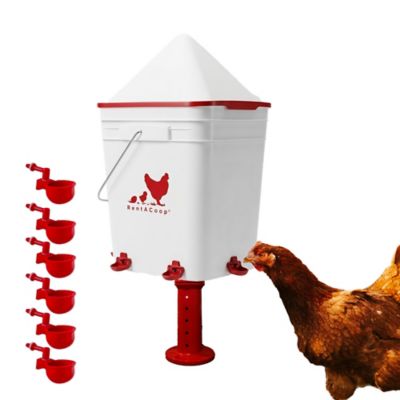
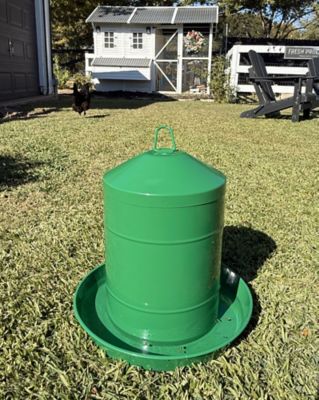
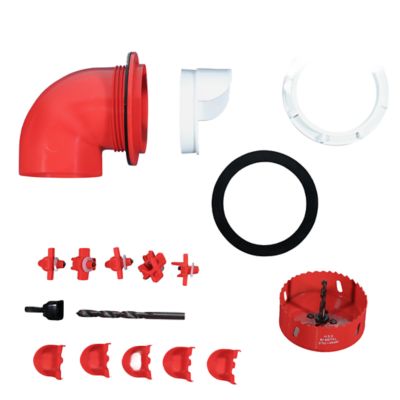
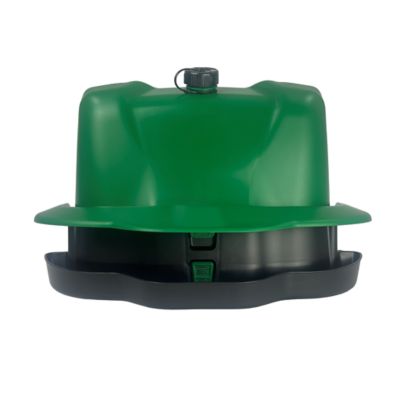
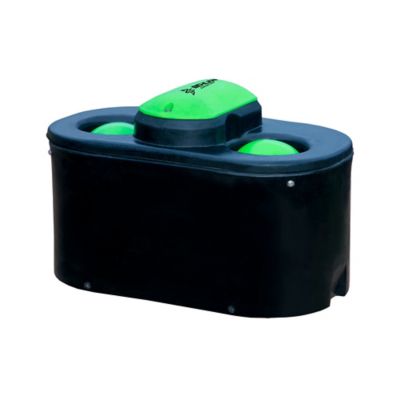
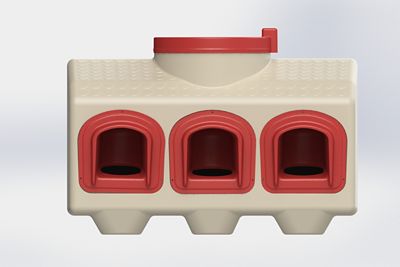
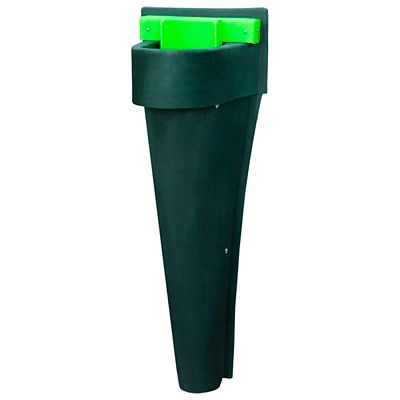
Poultry waterers are containers or watering systems that give chickens, ducks, turkeys, and other farm birds access to drinking water. From a small backyard flock to several pens around the barn, the right setup helps keep water within reach while limiting spills and keeping bedding out of the supply. Common styles include gravity-fed waterers, nipple waterers, cup waterers, and automatic systems connected to a suitable water source. Gravity-fed poultry waterers typically have a reservoir above a shallow drinking tray, with water moving into the tray as birds drink. Many enclosed-reservoir designs depend on an airtight seal to maintain the water level, so a snug cap and sound gasket matter. Nipple waterers release water when a bird activates a small valve, often with a stainless steel pin. Their enclosed reservoirs help limit exposure to litter and droppings, though birds need to learn where and how to drink. Cup waterers offer small drinking bowls supplied by a reservoir or water line; depending on the design, a float or bird-activated valve controls the refill. Automatic poultry watering systems can reduce the work of carrying water across the yard, but their fittings, operating pressure, and water-source requirements need to match the setup. For a handful of hens scratching around a fenced run, a portable reservoir may suit the daily routine. For several separate pens, multiple drinking stations can give birds more room and reduce crowding. Capacity is only part of the fit: the number of drinking points, the distance between them, and the birds’ size all affect access. A larger reservoir does not necessarily make up for too few places to drink. Even a system that refills itself still needs daily checks for flow, cleanliness, and leaks. Pairing water stations with
Poultry Feeders helps round out a feeding area, with enough separation to keep splashed water from soaking feed and enough open space for birds to move comfortably between the two.
Materials and construction make a difference when a waterer gets carried from the faucet, bumped during chores, or left in a busy run. Plastic poultry waterers are generally lighter to lift, and translucent reservoirs make it easier to check the water level from outside the pen. Look for material suited to its intended setting, especially where sunlight, freezing temperatures, or repeated handling can lead to cracking over time. Metal poultry waterers can offer a sturdy feel and stand up to everyday knocks, although weight, dents, and corrosion deserve consideration. Stainless steel and galvanized steel have different care requirements, and cleaning products or water additives should only go into a container when the manufacturer allows them. Smooth interior surfaces, wide fill openings, and removable bases make routine washing less of a wrestling match at the spigot. Handles, hanging points, and lids should support the intended load; a full reservoir weighs considerably more than an empty one. Hanging waterers can help keep loose shavings and scratched-up dirt away from drinking trays, provided the support can carry the filled weight and the waterer stays level. Ground-level models need firm footing so a passing bird does not tip the basin or leave one side overflowing. Height matters just as much as placement. Drinking edges and valves should sit where the flock can reach them comfortably, with adjustments as young birds grow and according to the waterer’s design. Chick waterers need particular attention to shallow access and protection against chicks entering the water, getting soaked, or drowning. Adult chicken equipment is not automatically suitable for a brooder. Mixed flocks bring another consideration: ducks need water deep enough to submerge their bills and clear their nostrils, so a chicken nipple system alone may not meet their needs. Separate drinking arrangements can make sense where birds differ greatly in size or behavior. Whether tending a few laying hens behind the house or raising growing birds in dedicated pens, matching the waterer to the flock helps make chores simpler without sacrificing access.
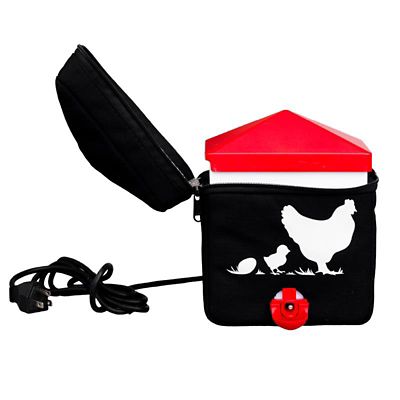
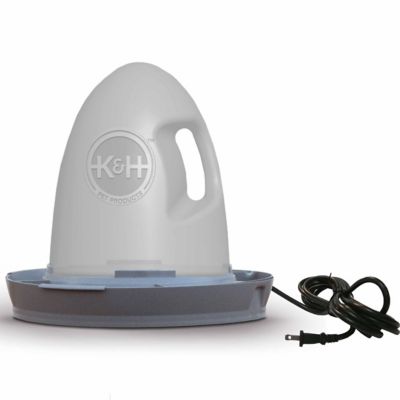
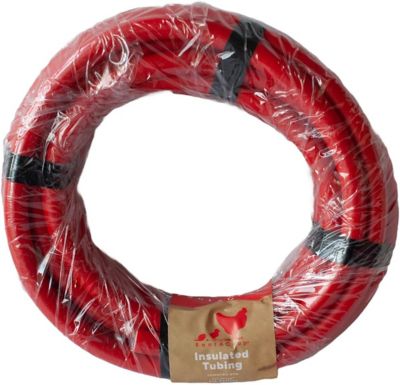
Day-to-day care is where a poultry watering setup earns its place in the coop or run. An enclosed reservoir helps protect the stored supply, but trays, cups, and valve surfaces still collect dirt and need regular attention. A little wet feed carried on a beak can settle in a drinking cup, while a busy scratching spot can fill a low tray with bedding before evening chores. Waterers with accessible parts make it easier to empty stale water, scrub away buildup, rinse thoroughly, and check the small openings where flow can slow. Cleaning frequency depends on the flock and conditions, with visible soil, slime, or algae calling for prompt cleaning rather than another top-off. Shade can help slow algae growth and keep water cooler, but it does not replace washing. Tight seals, clear valves, and level placement also help prevent the slow leaks that turn dry litter into a soggy patch. For outdoor runs and movable pens, the distance to a faucet and the effort of lifting a filled container are worth weighing alongside capacity. Several manageable reservoirs may fit the routine better than one that is awkward to carry. During the cooler months, heated poultry waterers and compatible heated bases can help prevent drinking water from freezing within their specified operating conditions. Some designs warm the container directly, while others sit beneath an approved waterer; compatibility matters, particularly with plastic reservoirs. Electrical equipment belongs in the setting its labeling permits, with a GFCI-protected power source and cords protected from pecking, moisture, and damage. Heating the basin also does not necessarily protect an exposed supply hose or every part of an automatic line. A sheltered location can reduce exposure, but water still needs checking during freezing weather and after a power interruption. Across the seasons, practical details such as refill access, replacement seals, secure mounting, and easy-to-reach drinking surfaces help a poultry waterer fit the work of keeping birds watered from morning rounds through the last coop check.