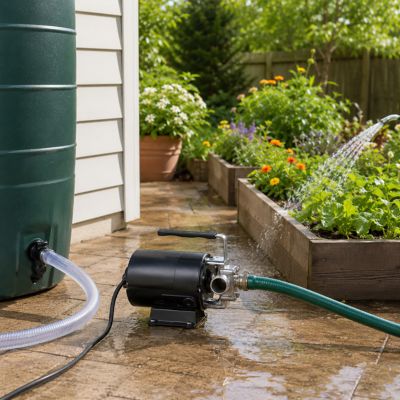
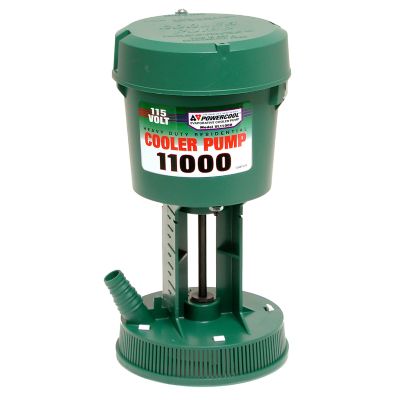
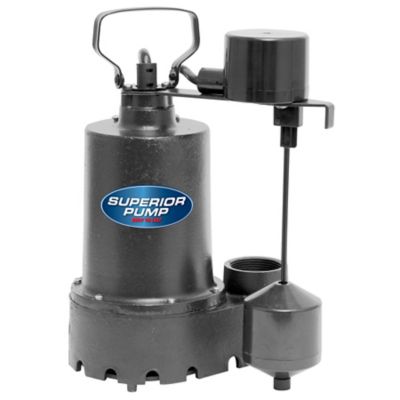
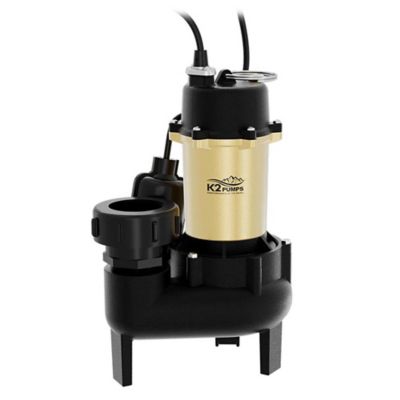
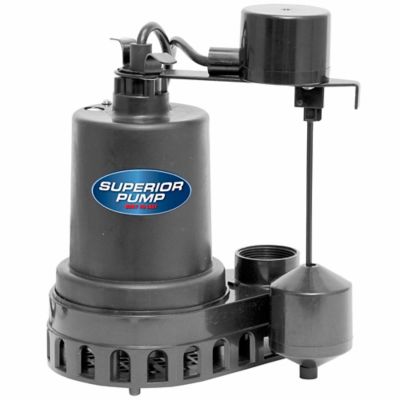
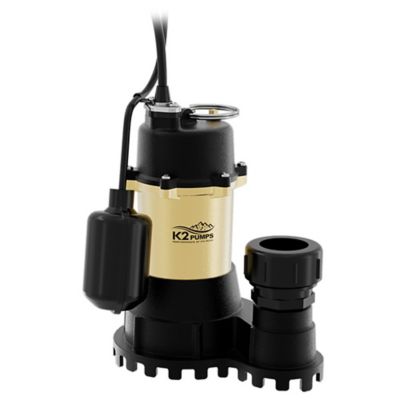
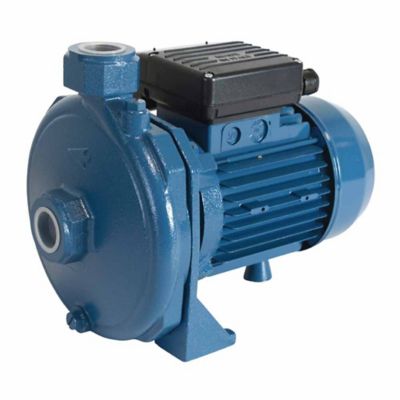
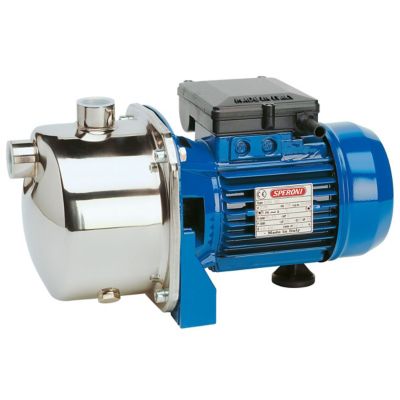
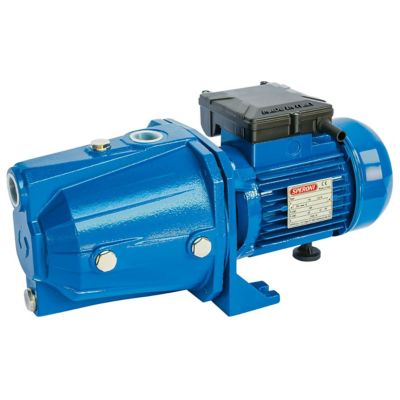
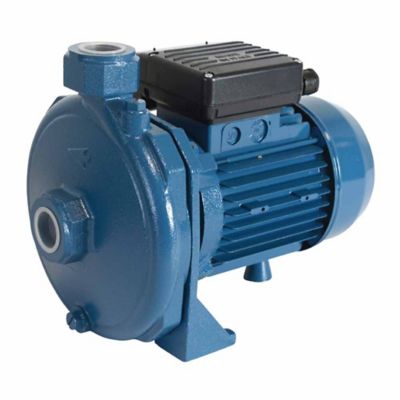
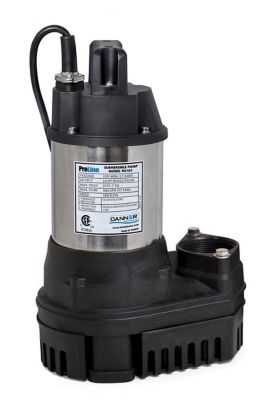
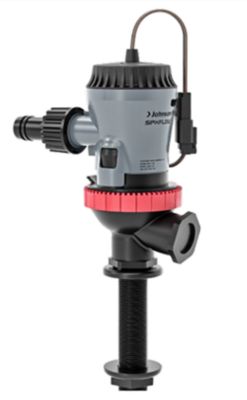
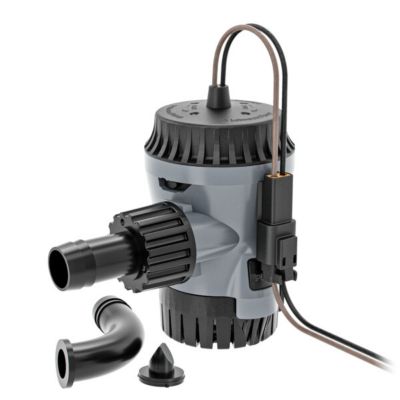
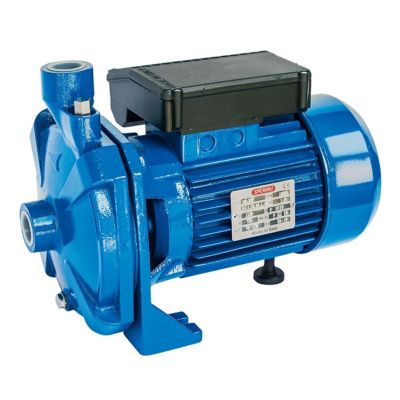
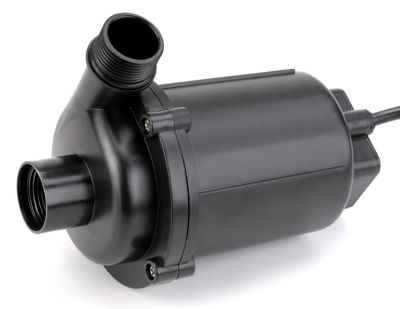
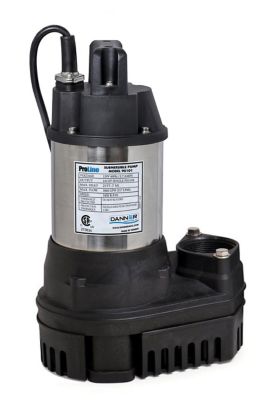
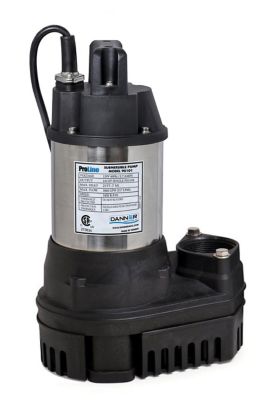
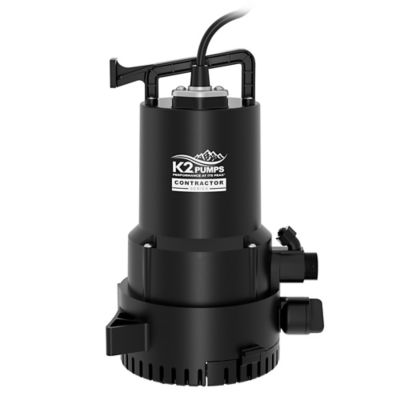
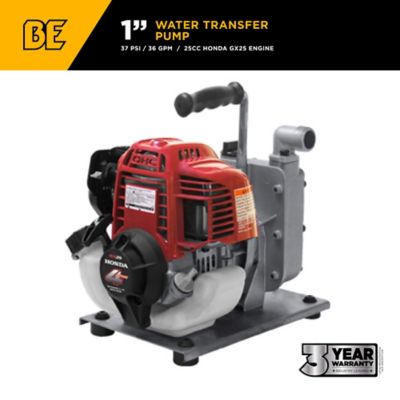
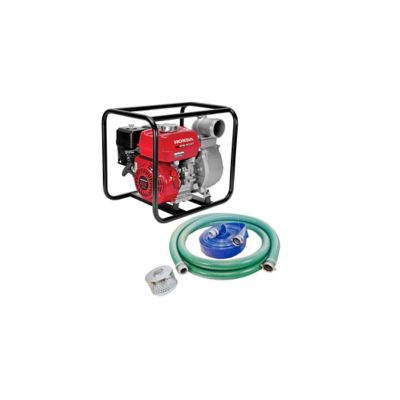
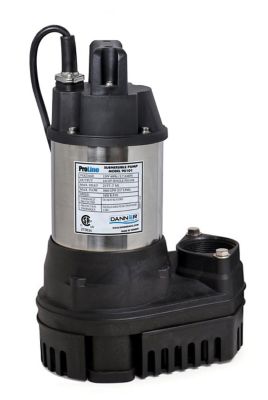
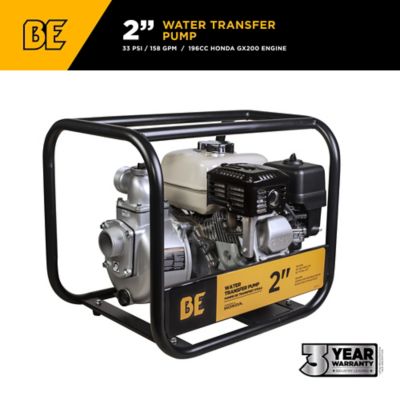
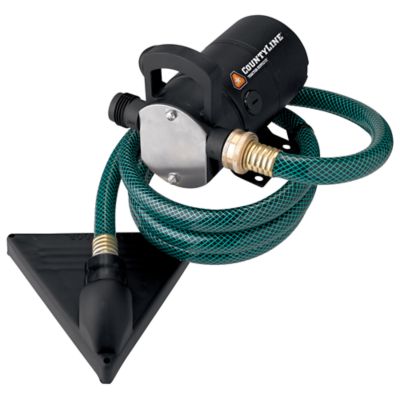
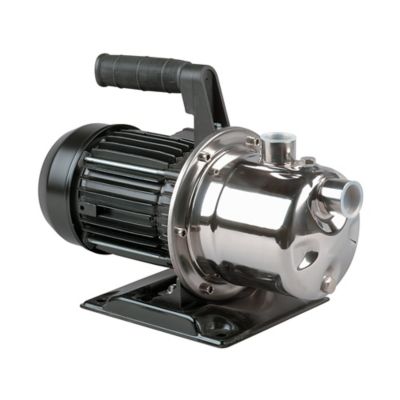
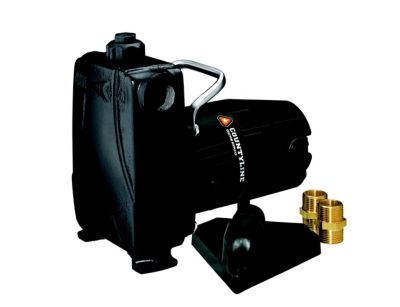
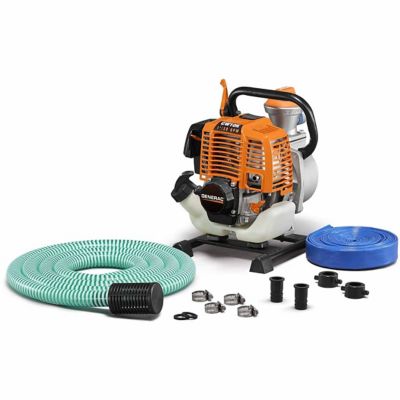
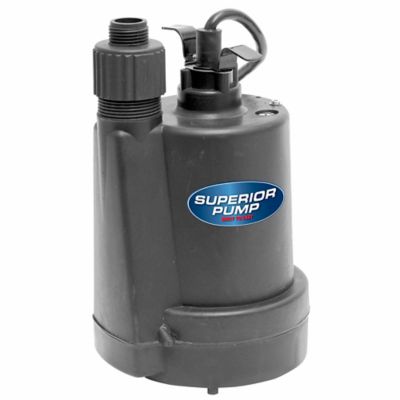
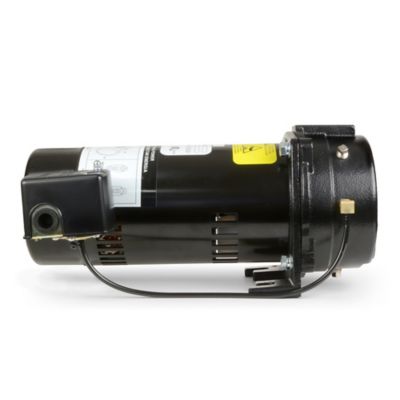
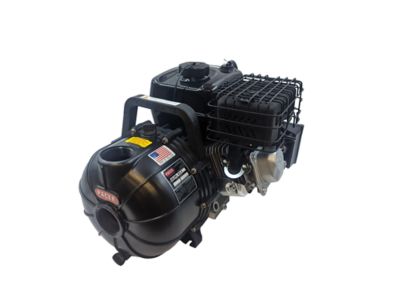
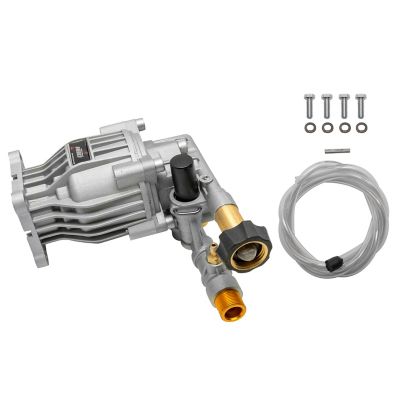
Impeller pumps are handy tools for moving water and other compatible liquids when a bucket, siphon or gravity-fed hose just will not get the job done. Inside the pump housing, a spinning impeller draws liquid through the inlet, adds energy as the vanes turn, and sends the fluid out through the discharge port. Some pumps use a rigid impeller made from hard plastic or metal, while others use a flexible rubber or neoprene impeller that bends against the housing to create a close seal. That design can help the pump pick up liquid and maintain a steady flow, making flexible impeller pumps especially useful around boats, RVs, farm equipment and other setups where dependable transfer matters. Depending on the style and capacity, an impeller pump may help move water from a storage tank, drain a low spot, circulate liquid, empty a utility sink or support an engine cooling system. Marine owners often use them to bring in raw water for cooling, while homeowners and rural property owners may keep one close for nuisance water, livestock-area cleanup, garden projects or general maintenance. For applications that call for a different housing and flow arrangement, browse our selection of
Centrifugal Pumps as well. A pump can be a thoughtful gift for someone who spends weekends on a boat, works on farm machinery, maintains an RV or takes care of a large property, particularly when paired with the right hose, fittings or replacement parts.
Before choosing an impeller pump, match the pump to the job instead of shopping by appearance alone. Start with the liquid being moved. Clean water, rainwater and many common utility applications are a good fit for pumps designed for water transfer, while fuel, chemicals, oils, food-grade liquids or liquids containing grit may require specially rated materials and seals. Check the pump’s inlet and outlet size, recommended hose type, maximum flow rate, lift and discharge distance. Flow describes how much liquid the pump can move over a set period, while lift tells you how much elevation the pump can overcome; long hoses, narrow fittings, bends and uphill runs can reduce real-world performance. A compact pump may be convenient for an RV compartment, boat locker or occasional household task, whereas a higher-capacity model can save time when draining a stock tank, moving water between larger containers or handling repeated work around the property. Electric models call for a suitable power source, cord length and outdoor-rated connections, and some jobs may be better served by a battery-powered or engine-driven setup. Look for practical details such as self-priming capability, serviceable covers, easy-access fittings, a keyed or threaded shaft and replacement impellers that can be kept on hand. A self-priming design can make startup easier, but it still needs to be installed according to the instructions and may require the pump housing or suction line to be filled before operation. Make sure the pump is mounted securely, the intake stays submerged when required, and the discharge line is routed where it cannot whip, kink or spill unexpectedly. During the warmer part of the season, these pumps often see work on ponds, boats, gardens and irrigation setups; when cooler weather arrives, they can be useful for draining lines, winterizing equipment and clearing standing water before freezing temperatures create a bigger headache.
Good care goes a long way with any impeller pump, especially one used around muddy water, sand, leaves or frequent starts and stops. Never run a flexible-impeller pump dry. Without liquid to lubricate and cool the vanes, the rubber can heat up and wear out in a surprisingly short time. Keep the intake free of weeds, twine, bedding, leaves and other debris, and use a strainer when the application allows it. Before each use, look over hoses, clamps, seals and electrical connections, then check for leaks or an unusual rattling sound once the pump is running. If the flow drops off, shut the pump down and inspect the intake, discharge line and impeller rather than forcing it to work harder. A worn flexible impeller may have cracked, rounded, torn or missing vanes, and even small damage can affect suction and cooling performance. Replace the impeller and gasket with parts made for the pump, and follow the manufacturer’s instructions for lubrication, orientation and reassembly. Rigid impellers also need attention; abrasive material can wear the blades and housing, while corrosion can affect shafts, fasteners and seals. After moving dirty or salty water, flush the pump with clean water when recommended, drain it before storage and keep it protected from freezing conditions. Store spare gaskets and a backup rubber impeller with boat, RV or emergency equipment so a small repair does not turn into a long trip for parts. Used with the right liquid, properly sized for the hose run and cared for between jobs, an impeller pump can be a reliable helper for chores that range from routine water transfer to the muddy, inconvenient cleanup work that comes with country living.