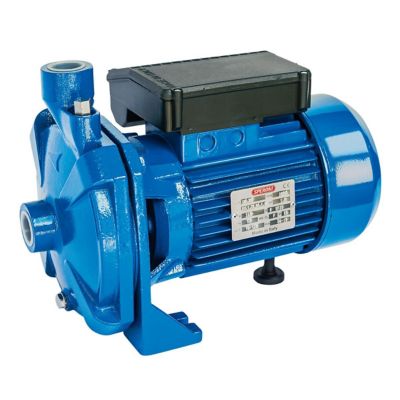
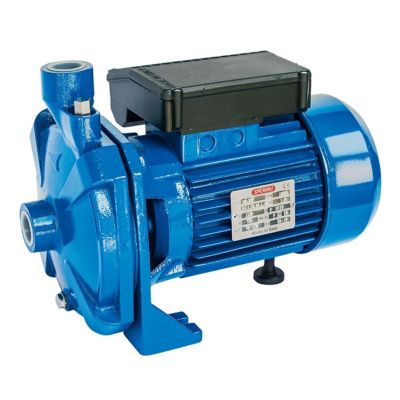
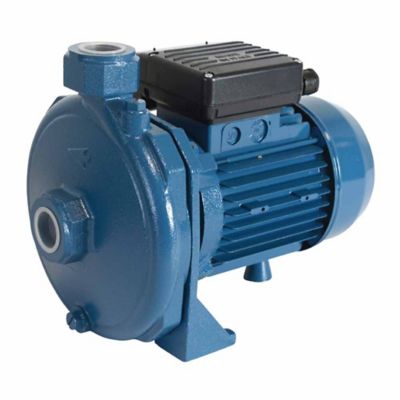
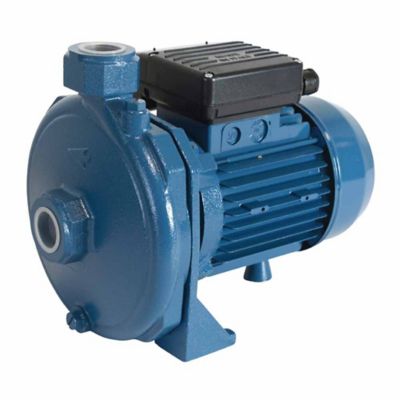
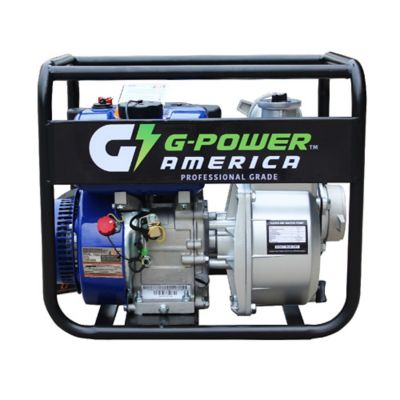
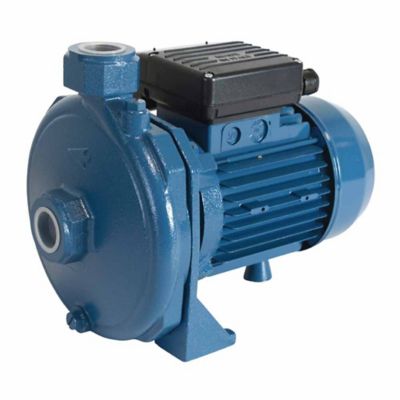
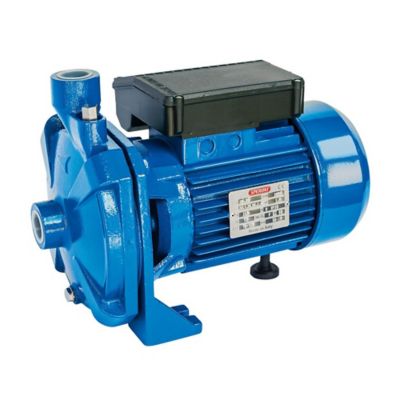
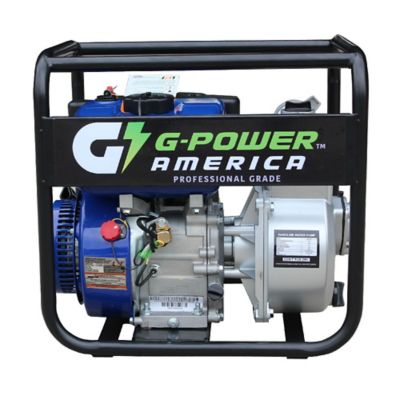
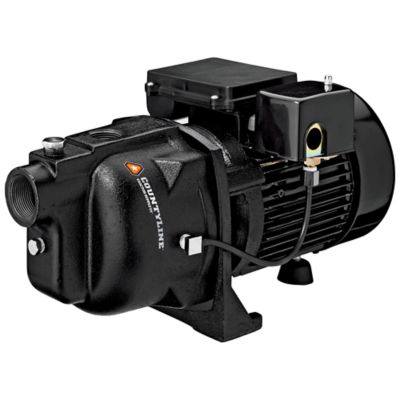
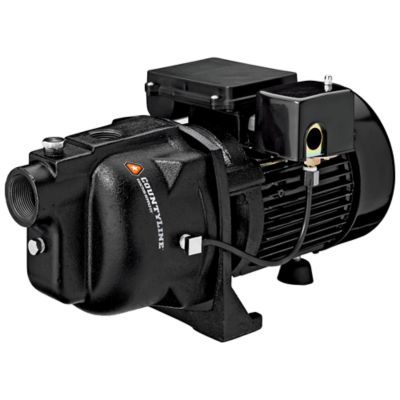
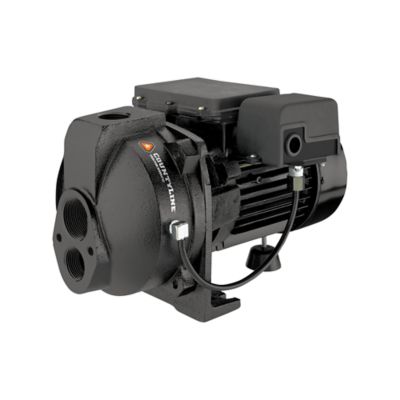
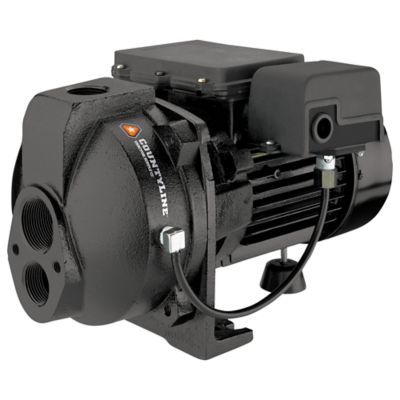
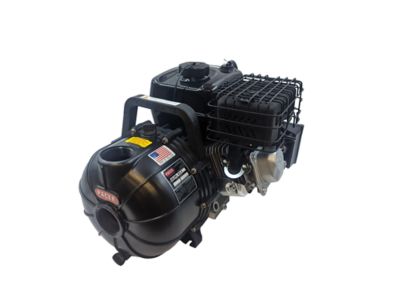
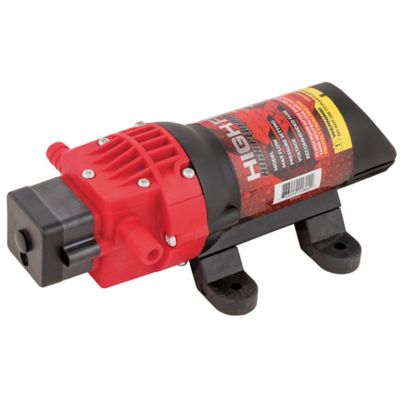
Centrifugal pumps are built to move water and other compatible liquids through a piping system by turning motor power into fluid pressure and flow. Inside the pump housing, liquid enters through the suction inlet near the center, or eye, of a spinning impeller. The impeller’s curved vanes accelerate the liquid outward, and the surrounding volute casing helps convert that moving energy into pressure as the liquid travels toward the discharge outlet. That straightforward design makes centrifugal pumps a practical choice for many jobs around a farm, home, shop, greenhouse or small business. They may be used for crop irrigation, sprinkler lines, livestock watering, tank filling, drainage, pond circulation, washdown work and general water transfer. Depending on the setup, a pump can draw from a storage tank, cistern, pond, well system or other water source, then push the liquid through hoses, hard pipe, fittings and elevated lines. During warm weather, a reliable pump can help keep garden beds and pasture areas watered; during cooler months, it may be used for moving stored water, maintaining utility systems or handling drainage after heavy rain. Some designs are made for clear water, while others are better suited to liquids with small particles or specific handling needs, so matching the pump to the fluid is important. A pump intended for clean water should not automatically be used for muddy water, chemicals, fuel or thick liquids. For systems that need steady movement through a heating or hot-water loop, you may also want to compare
Recirculation Pumps with standard centrifugal designs. The right choice depends on the liquid, the distance it must travel and the pressure needed at the outlet.
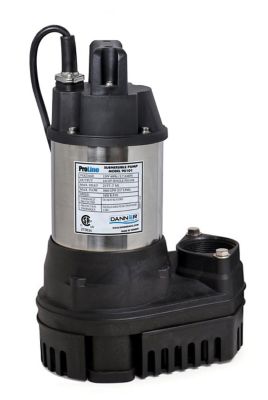
Before choosing a centrifugal pump, look closely at the flow rate and total head requirement rather than relying on motor horsepower alone. Flow rate describes how much liquid the pump can move over a set period, while head describes the height and resistance the pump must overcome. Total head includes vertical lift as well as friction caused by long runs of pipe, narrow tubing, elbows, valves, filters and spray nozzles. A pump may move plenty of water in an open, short run but deliver much less at the end of a long irrigation line or uphill hose. Check the pump curve and compare its rated performance with the actual conditions at your property. Single-stage pumps are commonly suited to simpler, low- to medium-pressure duties, while multi-stage designs use several impellers in sequence to build higher pressure. Radial-flow styles move liquid outward from the shaft, while axial-flow designs use a propeller-like action for high-volume movement at lower lift. Self-priming models can be handy where air may enter the suction line because their casing is designed to help clear air and resume pumping without repeated manual priming. Submersible centrifugal pumps operate below the liquid surface and are often used for dewatering, utility drainage and similar jobs, but the pump must be rated for the depth, liquid and duty cycle involved. Also confirm the available power supply, voltage, inlet and outlet size, flow-control needs and installation orientation. Keep the suction line as short and straight as practical, use tight connections to prevent air leaks and make sure the pump is primed when the design requires it. Never run a non-submersible pump dry; even a short dry run can damage seals and other internal parts. Before starting, inspect the casing, fittings, wiring, guards and hoses, and keep hands, loose clothing and tools away from moving components. Regularly clear debris from strainers, check for leaks, listen for unusual rattling or grinding and protect the equipment from freezing during colder weather. Whether it is helping fill a stock tank, feed an irrigation manifold or move water away from a low spot after a storm, a properly sized centrifugal pump can provide dependable service when the liquid, pressure, power and installation all line up.