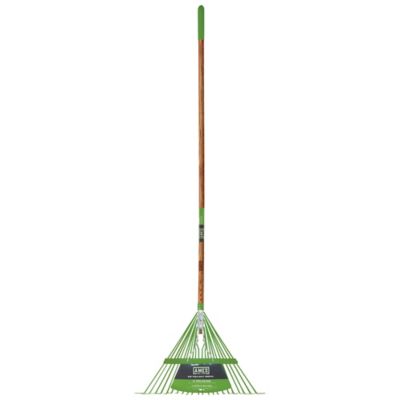
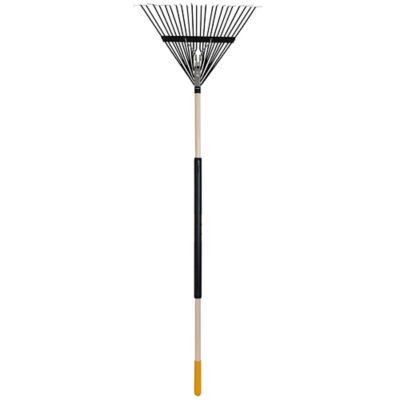
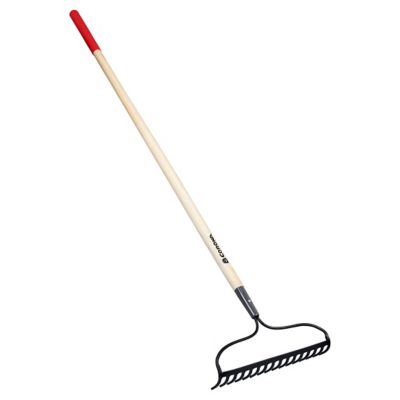
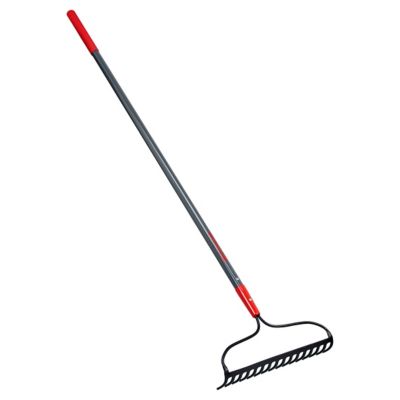
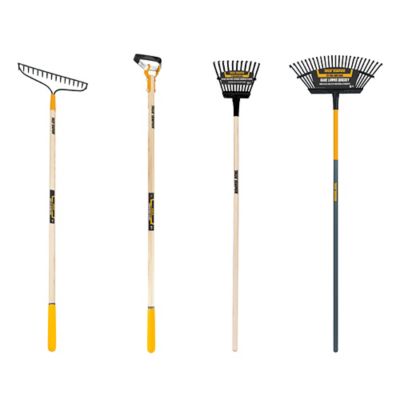
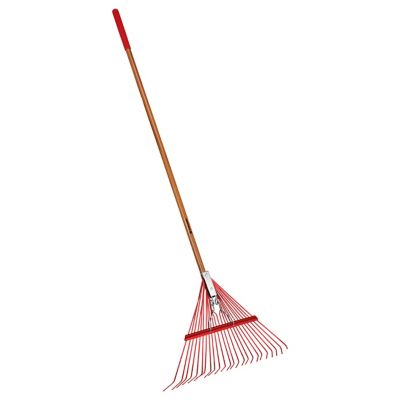
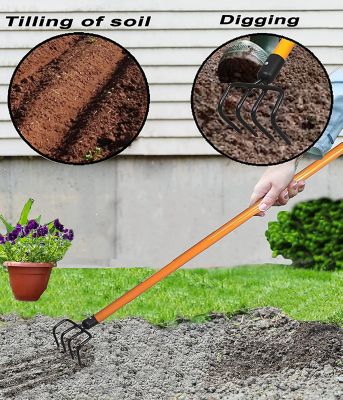
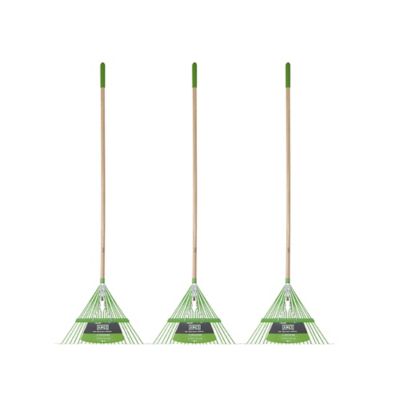
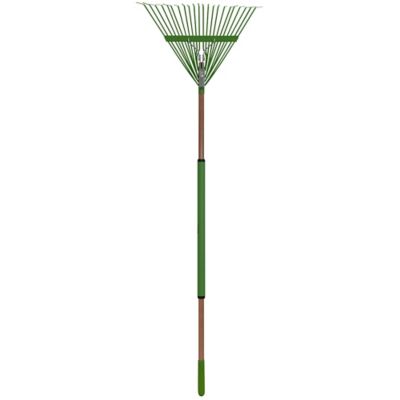
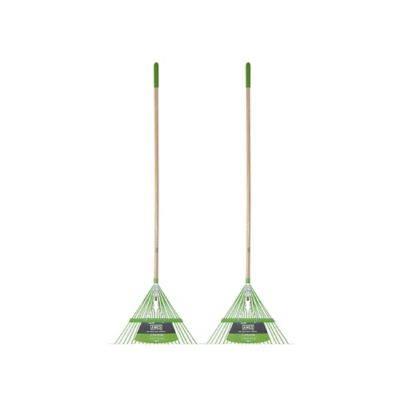
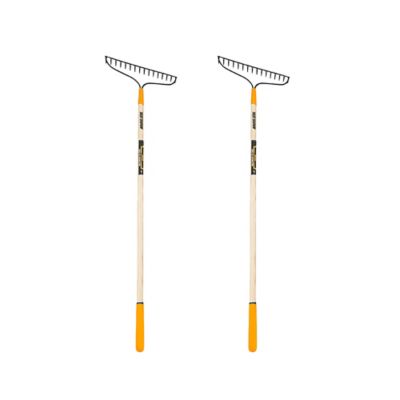
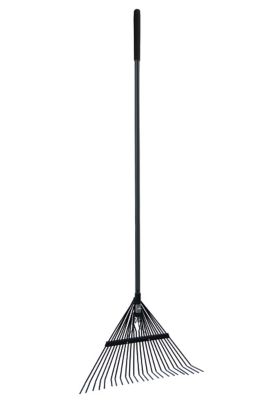
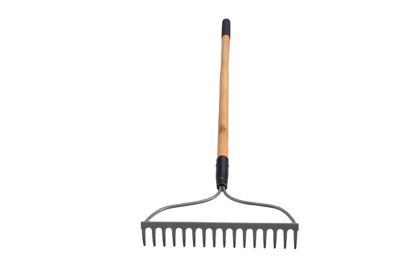
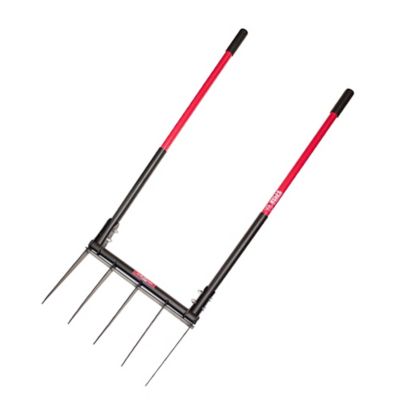
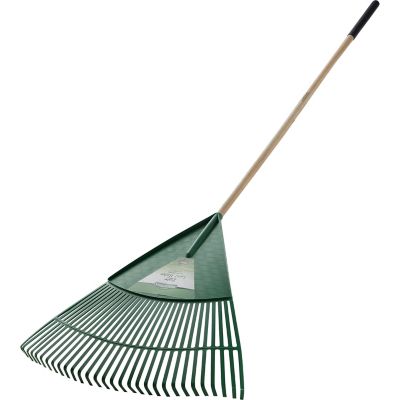
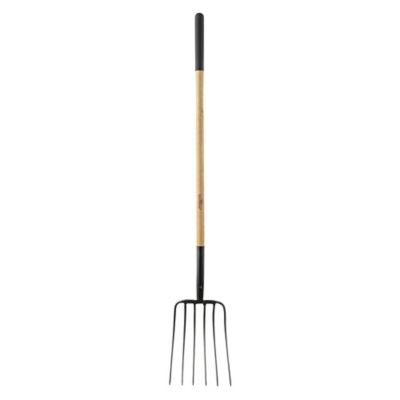
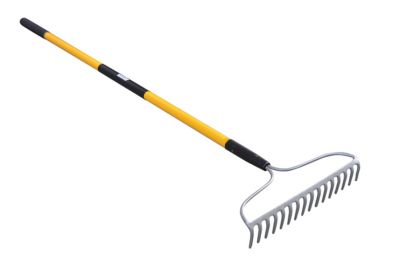
A tine rake is a yard or garden tool with individual teeth, called tines, that gather loose material or work the surface of soil. The two main styles are flexible-tine rakes for leaves, grass clippings, and light debris, and rigid-tine rakes for soil, gravel, and heavier material. That difference matters more than the name on the handle: a broad fan of springy teeth behaves differently from a straight row of stiff metal teeth. Flexible tines skim through grass and draw scattered material into a pile, making them a practical fit for cleanup around lawns, fence lines, and shade trees. Rigid tines bite into loose ground, pull apart small soil clumps, and spread material across garden beds or bare patches. A bow rake is a familiar rigid-tine design, with curved supports connecting the handle to the head. Other garden and landscape rake shapes suit different amounts of gathering, spreading, and leveling. Tine spacing helps determine what a rake catches and what passes through. Closely spaced teeth collect smaller debris, while wider gaps let more fine soil slip through and leave room for larger pieces of material. Tine length and shape also affect how deeply the head reaches into grass or loose soil. A flexible lawn rake can gather loose dead grass, but it is not the same tool as a dedicated dethatching rake built to cut into a dense thatch layer. Likewise, a rigid garden rake handles surface preparation rather than the deep ground breaking expected from a tiller. For a vegetable gardener, a tine rake might mean smoothing a planting bed after digging. For someone tending a long driveway or a stretch of yard beside the barn, it may mean pulling scattered gravel back into place or gathering clippings away from a path. Matching the head to that everyday job makes the tool easier to handle and helps protect the surface underneath.
Materials and construction influence how a tine rake feels through a full round of chores. Steel teeth suit jobs that put pressure on the head, including breaking smaller soil clods and pulling through loose gravel. Spring-steel tines bend and rebound for gathering work, giving a lawn rake the flex to follow uneven ground. Plastic fan heads can offer a lighter feel for leaves and other loose yard debris, though they are not meant for prying at embedded stones or packed earth. Handle materials bring their own tradeoffs. Wood has a familiar feel and benefits from attention to splinters and surface wear. Fiberglass resists moisture absorption, while aluminum can reduce carrying weight; the head, handle, and connection all contribute to the tool’s balance. A firm connection between the head and handle matters when the rake meets resistance. Head width deserves as much thought as material. A wide head covers open lawn or a broad garden bed with fewer passes, but it also gathers a larger load and takes more room to turn. A narrow head reaches between shrubs, along edging, and around corners where a full-width rake feels clumsy. For tight spaces around raised beds, planting rows, or porch-side beds,
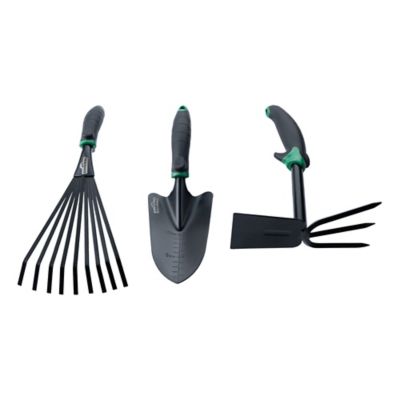
Small Rakes offer a more compact approach to gathering and smoothing. Handle length affects reach and posture, especially for someone working across a deep bed or covering a long stretch of ground. A handle that allows a comfortable stance can help limit repeated bending, while a shorter tool may feel easier to control close to plants. Grip shape and cushioning are worth considering for longer jobs, particularly with gloves on. Overall weight matters, too: a light rake is easier to carry around the property, but a heavier rigid head may feel steadier when drawing loose soil into a low spot.
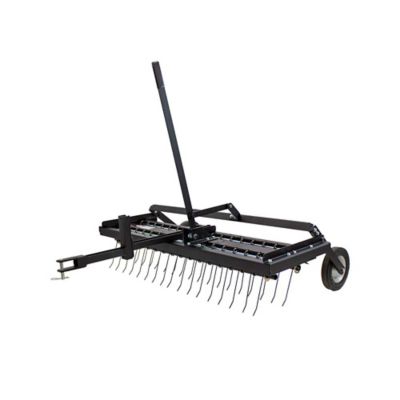
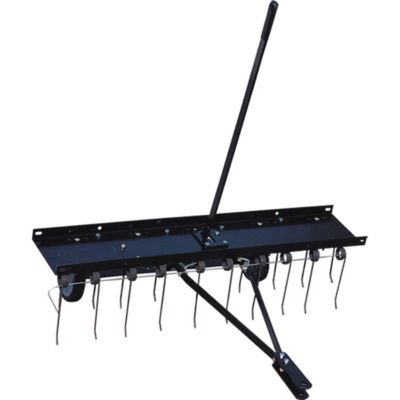
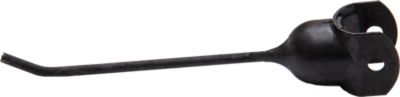
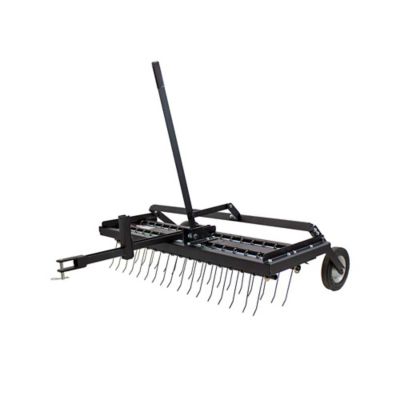
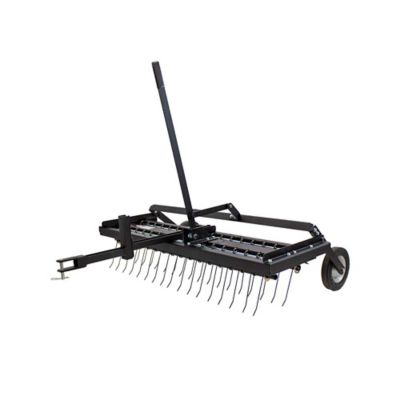
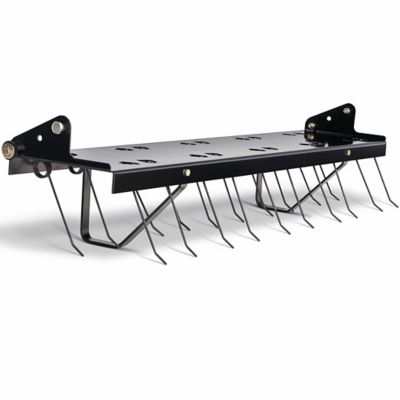
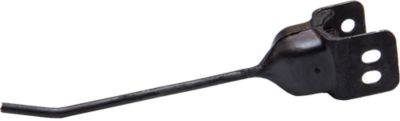
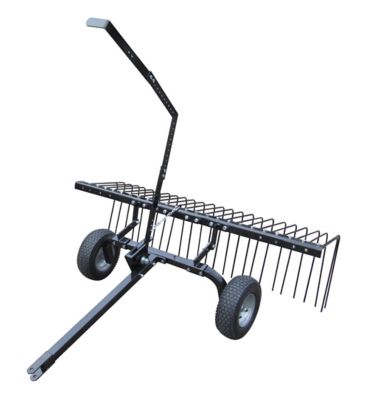
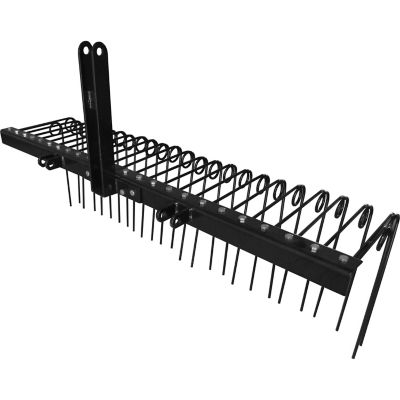
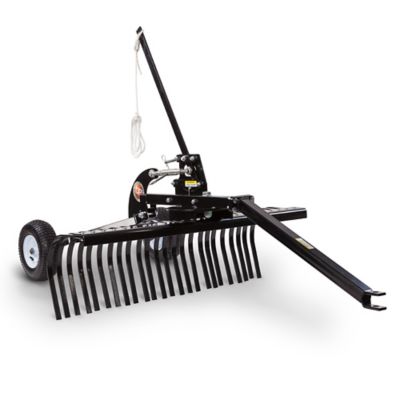
The best fit also depends on what needs to stay put while the rake does its work. Around established plants, a lighter touch and a narrower working head make it easier to gather debris without dragging through stems or exposed roots. On a lawn, flexible teeth help collect clippings while following the ground rather than digging into it. In loose garden soil, rigid teeth offer the control needed to distribute compost and knock down small ridges before planting. Rough stones, thick roots, and deeply compacted ground call for tools built for those tougher tasks; forcing a rake through an obstruction can bend tines or strain the handle joint. For larger properties, tow-behind and tractor-mounted rake designs bring a different set of considerations, including working width, hitch compatibility, towing requirements, and the material the attachment is intended to handle. Those details should match the equipment manufacturer’s specifications rather than assumptions based on width alone. Whether the rake is a hand tool or an attachment, routine care helps keep it ready for the next chore. Soil and plant matter left between the tines can interfere with gathering, and caked-on debris makes a head harder to inspect. Cleaning away buildup and drying metal parts before storage help limit corrosion. Wooden handles benefit from care that keeps the surface smooth, and any protective treatment should follow the maker’s recommendations. Bent teeth, cracked heads, loose fasteners, and movement at the handle connection deserve attention before another round of work. Storage off the ground keeps the teeth out of walking paths and protects the head from being stepped on or run over. A rake that fits the job and the person holding it earns its place beside the shovel and hoe, whether the day’s work is a small planting bed or a long stretch of yard.