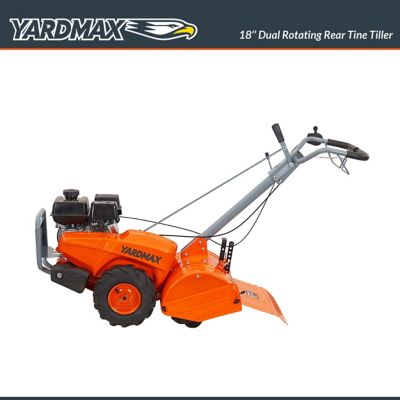
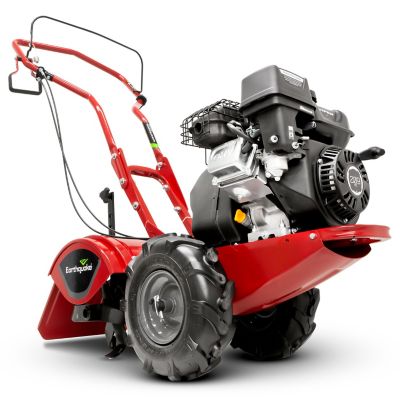
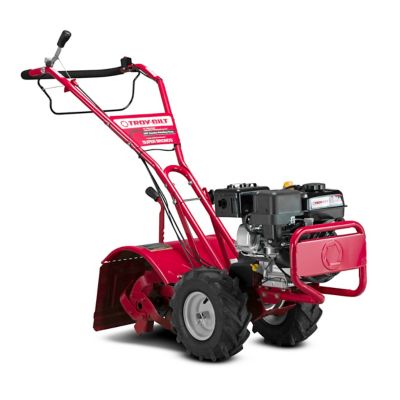
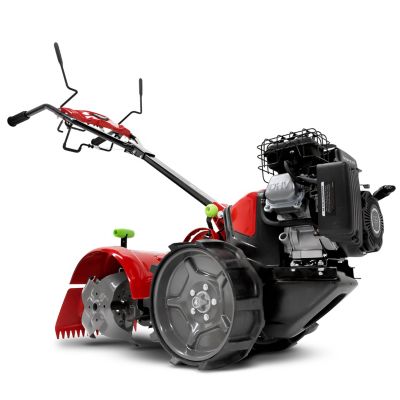
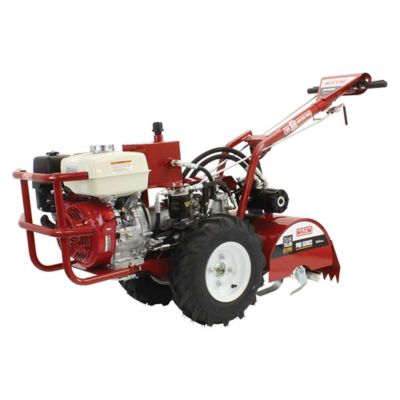
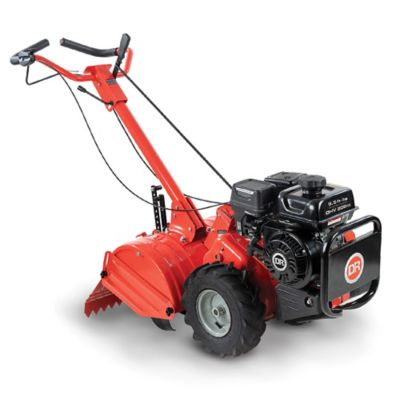
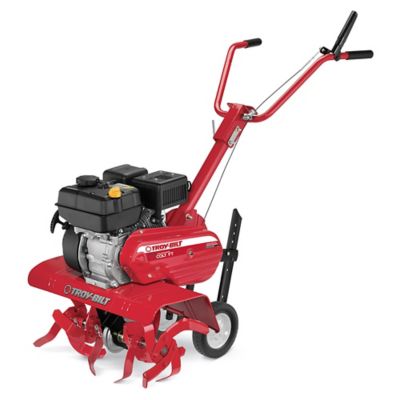
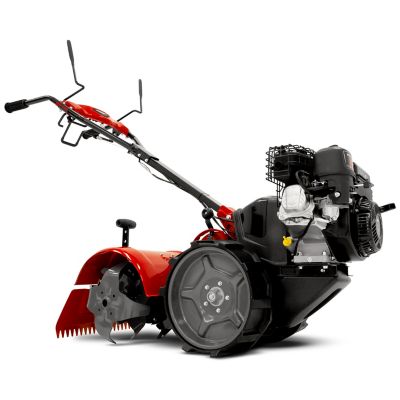
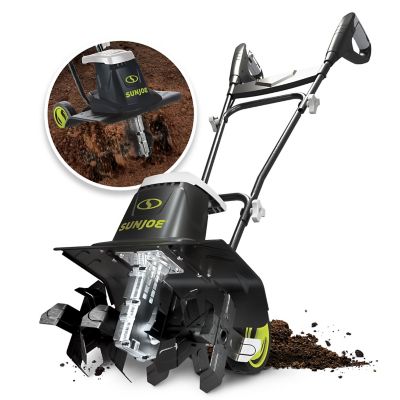
A rear tine tiller is a heavy-duty garden machine built for turning stubborn soil into a workable planting bed. Unlike a front tine tiller, it uses powered wheels to help move the machine forward while the rotating tines work behind those wheels, giving the operator a steady, controlled way to dig. That design can be especially useful when breaking new ground, working through compacted soil, or preparing a larger garden area that would take a long time with a shovel or hand cultivator. Depending on the model and soil conditions, rear tine tillers may be able to work roughly 10 to 12 inches deep, helping loosen the upper layers where roots need room to grow. They are a practical choice for gardeners expanding into an unused patch of yard, homesteaders preparing food plots, and anyone maintaining a sizeable vegetable garden year after year. A rear tine tiller can also help mix compost, aged manure, leaf mold, and other soil amendments into the bed before planting. In late summer and during the cooler months, it may be used to turn over tired garden rows, work in organic matter, or prepare a bed for cover crops, while warmer weather brings the familiar jobs of opening new rows and getting soil ready for vegetables, herbs, flowers, and small fruits. Since these machines are built for demanding work, they can be a worthwhile addition to a property with hard-packed ground, heavy clay, neglected beds, or broad planting areas. They may also make a thoughtful gift for a serious gardener, new landowner, or family member who is turning part of a lawn into a productive garden, though the size, weight, storage needs, and maintenance requirements are worth considering before giving one as a surprise.
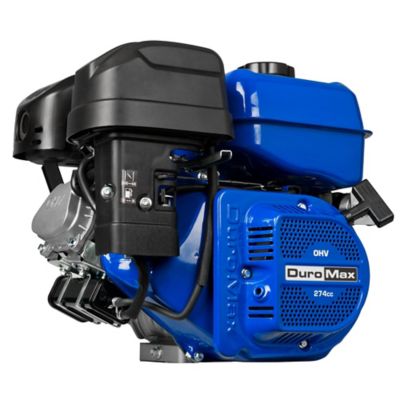
When choosing among rear tine tillers, start with the ground you plan to work and the kind of tilling you do most often. Counter-rotating tines, often called CRT, turn against the forward motion of the machine and are designed to bite into hard soil, thick sod, and ground that has not been cultivated before. Standard-rotating tines, sometimes called SRT, turn in the same general direction as the wheels and can be a good fit for maintaining established beds, mixing amendments, and creating a smooth seedbed after the initial work is done. Some tillers offer dual-direction tine operation, allowing the user to switch between settings as the job changes. Tine width matters, too: a wider machine can cover more ground with each pass, while a narrower tiller is easier to fit between existing rows and maneuver around posts, garden borders, trees, or outbuildings. Engine size, transmission design, and drive system all affect how confidently a tiller handles dense soil. Powered wheels can reduce the strain of pushing, while a gear drive may provide dependable control at a measured pace. Look for controls that are easy to reach, including forward and reverse functions, especially when working at the end of a row or backing out of a tight corner. Heavy tread tires can improve traction on uneven ground, and flat-free tires may be useful for homeowners who want less upkeep between seasons. Keep in mind that rear tine tillers are substantial pieces of equipment, so plan for a dry, secure storage spot and enough room to move the machine from the shed to the garden. Before operating, clear the area of rocks, wire, and hidden debris; read the manual; check fuel, oil, belts, and tine hardware; and wear sturdy footwear, eye protection, gloves, and hearing protection. Soil that is too wet can smear into hard clods, while bone-dry ground may be difficult on both the machine and the operator, so letting the soil reach a workable moisture level often makes the job go more smoothly. Take several steady passes rather than forcing the tiller too deep on the first run, and use a shallow setting when maintaining an established bed. For shoppers comparing options, the
Top Rated Tillers can offer a convenient place to review popular tiller choices. With the right tine rotation, working width, depth control, and handling features, a rear tine tiller can turn a rough patch of ground into loose, manageable soil and make recurring garden preparation feel like a much more practical part of the season.